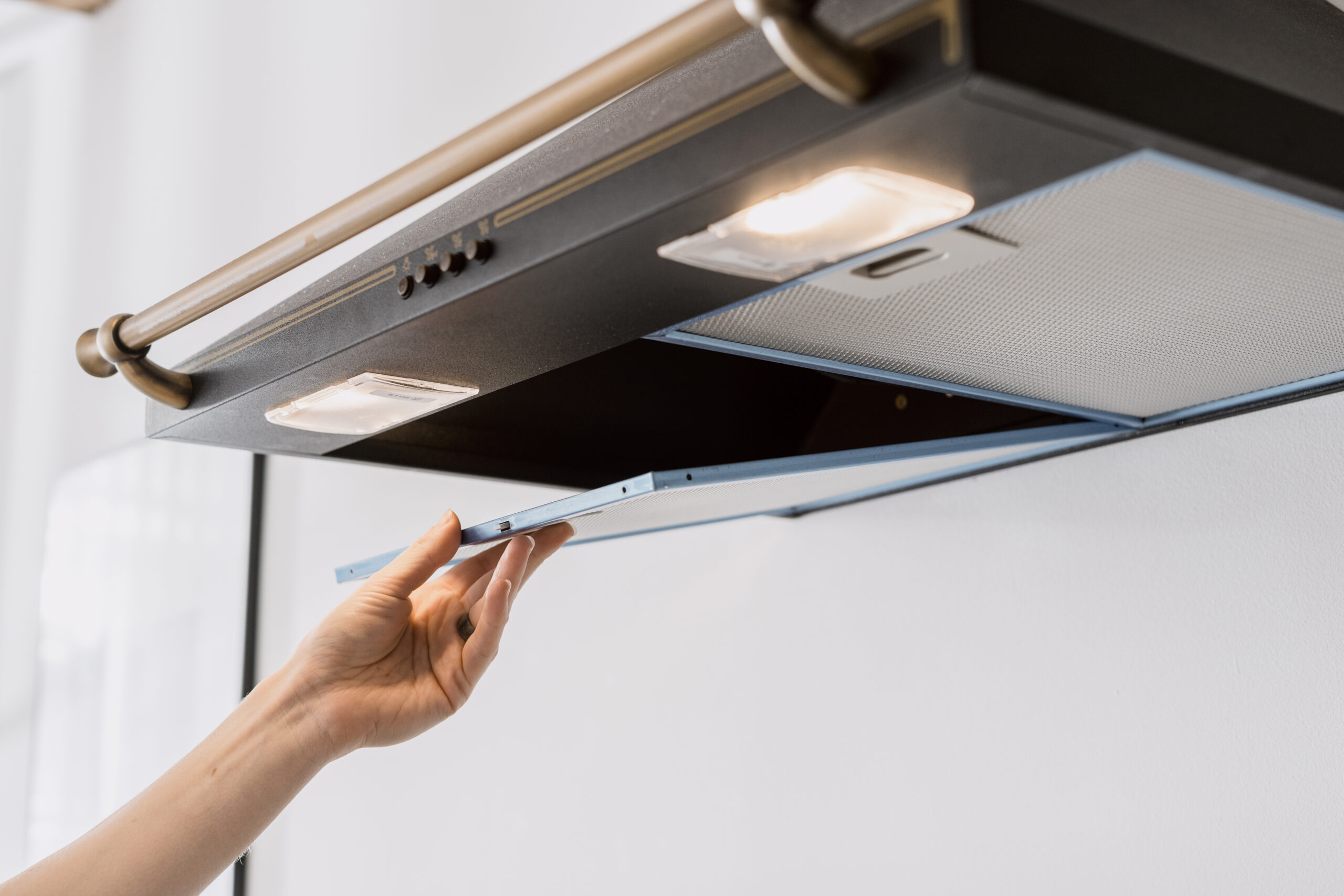
When the Air Stops Moving: Understanding Your Range Vent Hood
There is a moment most homeowners recognize — you are cooking something on the stovetop, the kitchen starts filling with smoke or steam, and you reach up to flip on the range vent hood only to realize nothing happens. No fan hum, no airflow, no light. Just silence. It is one of those appliance failures that sneaks up on you because the range vent hood is not something most people think about until it stops working. Understanding what this appliance does, how it operates, and what coverage options exist for when it fails can save you a lot of frustration and unexpected out-of-pocket expense.
What Is a Range Vent Hood and What Does It Actually Do
A range vent hood — also called a range hood, exhaust hood, or kitchen hood — is the appliance mounted above your stovetop or cooktop that removes airborne grease, combustion gases, fumes, smoke, steam, and odors from your kitchen while you cook. It is part ventilation system, part air quality tool, and honestly, a pretty underrated piece of the kitchen setup. Range hoods work by drawing air through a fan mechanism and either venting it outside through ductwork or filtering and recirculating it back into the kitchen. The type you have depends largely on your home’s layout and how it was built or renovated.
How a Range Vent Hood Works: The Basics
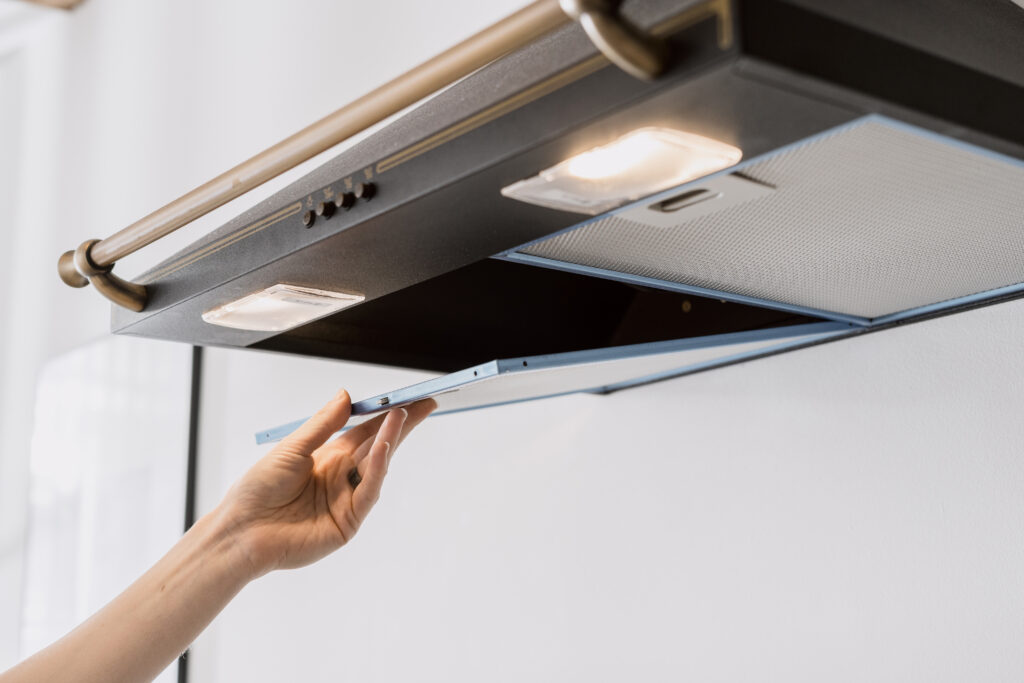
Most range vent hoods operate through a relatively straightforward system. A motor powers one or more fans that pull air upward through a filter — often made of aluminum mesh or charcoal — before directing that air either out through exterior ductwork or back through a recirculation filter. Ducted hoods tend to be more effective since they expel air entirely from the home. Ductless or recirculating hoods filter the air and push it back out, which is a reasonable solution in spaces where exterior venting is not possible but requires more frequent filter maintenance. Controls are typically mounted on the hood itself, ranging from simple push buttons to touch panels, and most models include built-in lighting to illuminate the cooktop below.
Common Reasons a Range Vent Hood Stops Working
When a range vent hood fails, the cause can be mechanical, electrical, or somewhere in between. Knowing what to look for helps you communicate clearly with a repair technician and understand whether the issue falls under a service call or a full replacement scenario. Here are some of the most frequent culprits:
- A burned-out or faulty fan motor that prevents the blower from spinning
- Electrical issues such as a tripped circuit breaker or a failed internal fuse
- A broken or stuck control switch that prevents signals from reaching the motor
- Clogged or saturated grease filters restricting airflow so severely the system overheats
- Wiring failures within the hood unit itself or at the connection point to your home’s electrical system
- A failed light component, which is sometimes the first sign something electrical is going wrong
Some of these issues are minor fixes. Others point to the need for a full replacement, particularly if the motor has failed or the electrical components are compromised in ways that make repair costs outpace replacement value.
What It Means for a Range Vent Hood to Be Grounded
Grounding is an electrical safety standard, and it applies directly to range vent hoods. A grounded appliance has a dedicated path that allows excess electrical current to safely discharge into the earth rather than travel through the appliance — or through a person. Range vent hoods are typically connected to a grounded electrical circuit, and the unit itself has a grounding wire that connects to the home’s electrical grounding system. When a hood is properly grounded, it operates with a layer of protection against electrical faults. When grounding is absent or compromised, there is a real safety risk. If you ever feel a mild shock when touching your vent hood, that is a grounding issue requiring immediate attention from a licensed electrician.

Key Advantages of a Properly Functioning Range Vent Hood
It is easy to underestimate the range vent hood until you have cooked without one. When it is working as designed, it actively improves indoor air quality by removing particulates and combustion byproducts that would otherwise settle throughout your kitchen and adjacent living spaces. It reduces grease accumulation on surfaces, which cuts down on cleaning time and fire risk. It manages heat and humidity over the cooktop, making the kitchen more comfortable to work in. And from a home value perspective, a well-maintained, functioning range vent hood reads as a finished, functional kitchen — something buyers notice.
The Drawbacks Worth Knowing About
Range vent hoods are not without their complications. Ducted models require exterior venting, which means if the ductwork becomes blocked, damaged, or improperly installed, the system either underperforms or fails outright. Recirculating hoods require consistent filter replacements to remain effective — neglect that, and you get diminishing returns fast. Noise is another complaint, particularly at higher fan speeds. And then there is the maintenance piece: grease filters need regular cleaning, the fan blades and housing accumulate buildup, and over time, the motor wears. These are not dealbreakers, but they are the real-world realities of owning and maintaining this appliance.
How Home Warranties Treat Range Vent Hoods
This is where homeowners often get surprised — in both directions. Some home warranty plans cover built-in range vent hoods as part of their kitchen appliance coverage. Others exclude them or treat them as optional add-on coverage. The key variable is usually how the hood is categorized: as a built-in appliance, a ventilation system component, or neither. Plans that cover built-in exhaust systems generally include the fan motor, electrical components, and control switches. What tends to get excluded are cosmetic components, filters, lighting, and damage caused by improper installation or lack of maintenance. Reading your contract carefully — or asking your provider directly before something breaks — is always the smarter move.
Practical Maintenance Tips to Extend the Life of Your Range Hood
Consistent upkeep dramatically reduces the likelihood of a premature failure. A well-maintained range vent hood can last fifteen to twenty years. A neglected one may need replacement in half that time. Keeping up with a few simple habits makes a real difference:
- Clean aluminum mesh grease filters monthly by soaking them in hot, soapy water or running them through the dishwasher
- Replace charcoal filters in ductless hoods every three to six months depending on cooking frequency
- Wipe down the exterior housing and interior fan area every few months to prevent grease buildup
- Listen for unusual sounds from the fan motor — grinding or rattling are early warning signs
- Test your hood’s ventilation effectiveness periodically by holding a paper towel near the intake to confirm suction
- Have an electrician inspect the grounding connection if you notice any irregularities with the unit’s electrical behavior
Why Armadillo Should Be Your First Call When the Hood Goes Quiet
A range vent hood failure is rarely convenient — it tends to happen on a busy weeknight when the last thing you want to deal with is tracking down a repair service and figuring out what is covered. That is exactly the kind of situation a quality home warranty is designed to handle, and it is why Armadillo home warranty coverage for kitchen appliances and built-in systems is worth having in place before something breaks. Armadillo offers straightforward, transparent plans that cover the systems and appliances homeowners actually rely on — with no runaround when it comes time to file a claim. If you want to know exactly what it would cost to protect your kitchen appliances and home systems starting today, you can get a free range vent hood home warranty quote from Armadillo in minutes and see your options without any pressure. The goal is simple: fewer surprises, faster repairs, and a home that keeps working the way it should.

Frequently Asked Questions About Range Vent Hood Failures and Home Warranty Coverage
Why did my range vent hood suddenly stop working?
The most common causes are a tripped circuit breaker, a failed fan motor, a burned-out internal fuse, or a faulty control switch. Checking your breaker panel is always a good first step before calling a technician.
Is a range vent hood covered under a home warranty?
It depends on the plan and provider. Many home warranty plans cover built-in range vent hoods under kitchen appliance or built-in exhaust system coverage. Always verify with your provider before assuming coverage exists.
What does it mean when a range vent hood is not grounded?
An ungrounded range vent hood lacks a safe path for excess electrical current to discharge, which creates a shock and fire hazard. If your hood is not properly grounded, a licensed electrician should inspect and correct the wiring immediately.
How long should a range vent hood last?
With proper maintenance, a range vent hood typically lasts between fifteen and twenty years. Units that receive little upkeep — particularly with clogged filters or unaddressed motor issues — may fail significantly sooner.
Can I repair a range vent hood myself?
Simple tasks like cleaning or replacing grease filters are well within DIY territory. However, any repairs involving the motor, wiring, or internal electrical components should be handled by a qualified appliance technician or electrician.
What is the difference between a ducted and ductless range hood?
A ducted range hood expels air entirely outside the home through ductwork, making it the more effective ventilation option. A ductless or recirculating hood filters air through charcoal or mesh filters and recirculates it back into the kitchen, which is useful where exterior venting is not available.
Will a home warranty cover a range vent hood that stopped working due to age?
Most home warranty plans cover mechanical failures that result from normal wear and tear, which includes age-related motor or component failure. Failures caused by lack of maintenance, misuse, or improper installation are typically excluded.
How often should I clean my range vent hood filters?
Aluminum mesh grease filters should be cleaned at least once a month if you cook regularly. Charcoal filters in ductless hoods should be replaced every three to six months and cannot be effectively cleaned for reuse.
What are signs that my range vent hood motor is failing?
Unusual noises such as grinding, rattling, or humming at irregular intervals are common indicators. Reduced airflow even at high fan settings, or a fan that runs briefly and stops, can also point to a motor issue.
Does a range vent hood need its own dedicated electrical circuit?
Not always, but higher-capacity models often require a dedicated circuit to function safely and efficiently. Your installation manual and a licensed electrician can confirm what your specific unit requires based on its wattage and amperage draw.