Rekeying vs. Changing Locks: What Every Homeowner Should Know Before Making a Decision
You just moved into a new home, handed back keys to a tenant, or went through a situation where your home security felt compromised. The first instinct for most homeowners is to call a locksmith and get the locks changed. But here is the thing: that might not actually be necessary. Rekeying your locks is a legitimate, often more cost-effective alternative that accomplishes the same primary goal, which is making sure old keys no longer work. Understanding the difference between these two options can save you real money and help you make a smarter call for your home.
What Does Rekeying a Lock Actually Mean
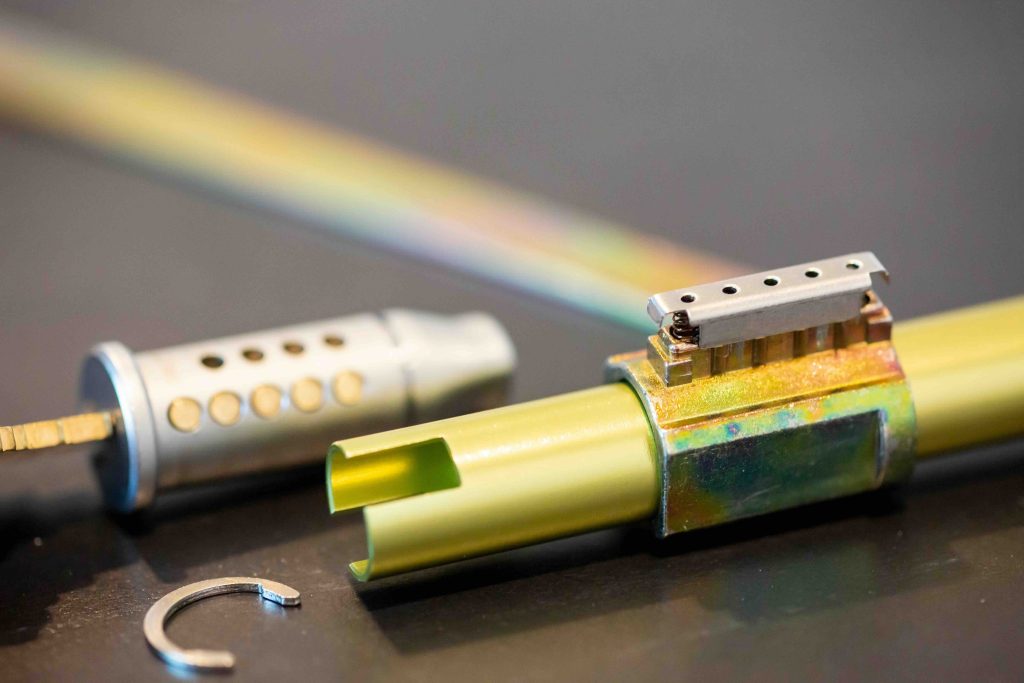
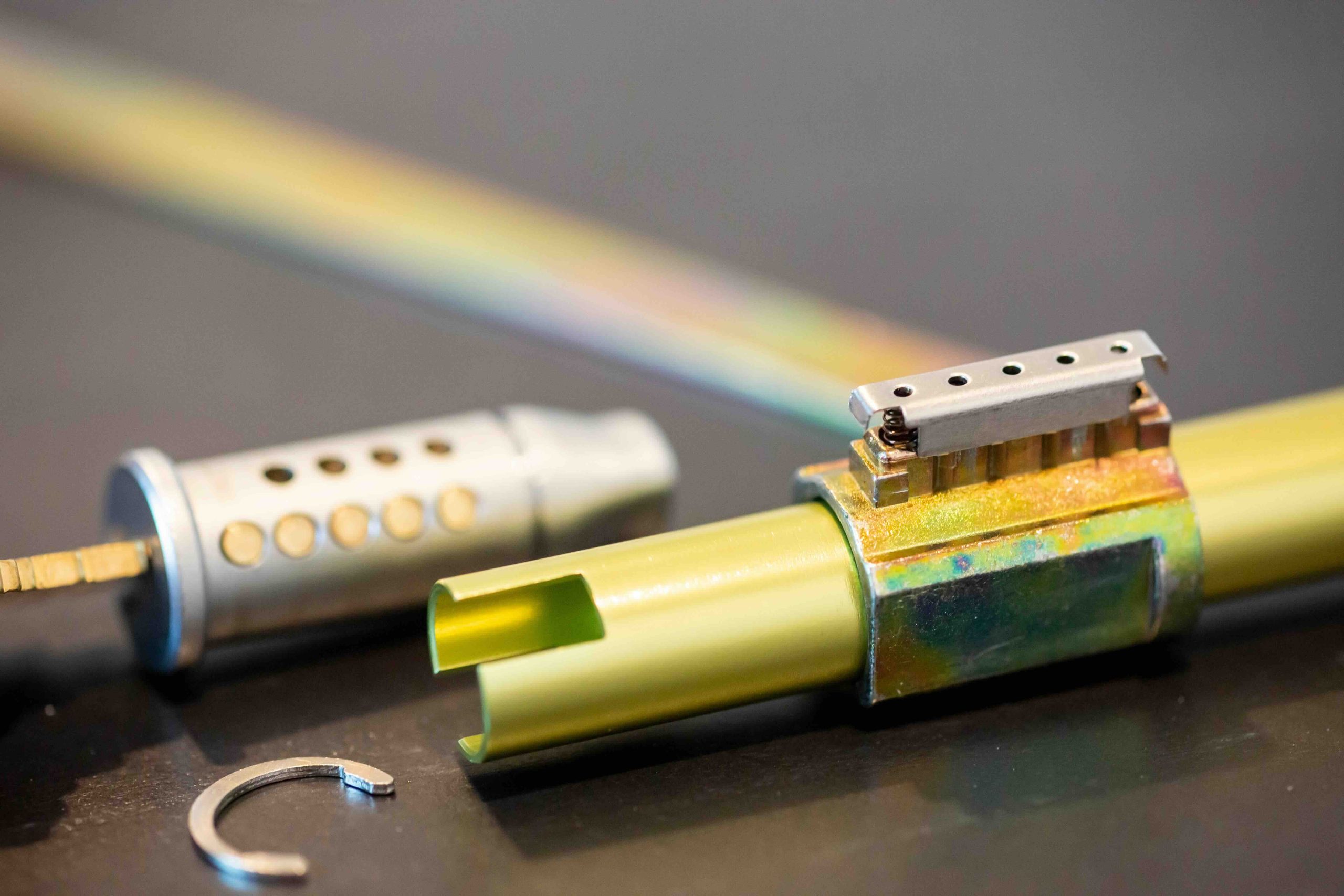
Rekeying is the process of changing the internal configuration of a lock cylinder so that existing keys no longer operate it. A locksmith disassembles the lock, rearranges or replaces the tiny pin stacks inside the cylinder, and then provides a new key that matches the updated configuration. The physical lock hardware itself, the knob, deadbolt, or handle, stays exactly where it is. You are not replacing anything structural. You are essentially resetting the lock’s internal combination. It is a surprisingly simple process when a professional does it, typically completed in just a few minutes per lock.
What Changing Locks Actually Involves
Changing a lock means removing the entire lock mechanism and installing a brand-new one. This covers everything: the cylinder, the housing, the hardware, and sometimes the strike plate. You walk away with completely new physical equipment on your door. This is the right move when existing hardware is damaged, outdated, or simply not up to modern security standards. It is also what homeowners choose when they want to upgrade to a smart lock or shift to a different lock brand for keying consistency across the home.
The Real Cost Difference Between the Two Options
This is where things get practical, and honestly, the gap is wider than most people expect. Rekeying a lock typically costs between $15 and $40 per lock when a locksmith handles it, and if you are rekeying multiple locks on the same visit, many locksmiths charge a flat service call fee plus a small per-lock rate. Changing a lock, on the other hand, involves the cost of new hardware on top of labor. A basic replacement lock runs $20 to $100 or more depending on brand and grade, and labor adds another $50 to $200 per lock. If you have four exterior doors, that math compounds quickly. Rekeying is almost always the more economical path when your existing hardware is in good shape.

When Rekeying Is the Right Call
Rekeying makes sense in a wide range of common homeowner situations. If your locks are relatively new, functioning well, and just need to be secured against old keyholders, rekeying handles that completely. Here are situations where rekeying is typically the better choice:
- You recently purchased a home and want to invalidate the previous owner’s keys
- You ended a lease and need to remove a former tenant’s access
- You lost a key or had one stolen but the lock itself is undamaged
- You want all locks in your home to work on a single key for convenience
- Your existing hardware is high-quality and does not need replacing
In all of these cases, you are not dealing with hardware failure or a need for upgraded security features. You are simply dealing with access control, and rekeying addresses that with precision and at a fraction of the cost.
When Changing Locks Is the Smarter Investment
There are situations where rekeying simply is not enough. If the lock mechanism itself is worn, outdated, or has been physically tampered with, a rekey does not fix the underlying hardware problem. Similarly, if you are upgrading your home security and want to install Grade 1 deadbolts, smart locks with app control, or locks with anti-pick and anti-drill features, you need new hardware installed. Rekeying cannot add features that the existing lock does not already have. This is also worth considering if your home has older, lower-quality locks that would benefit from a full replacement as part of a broader home improvement effort.
How Locksmiths Price These Services
Understanding locksmith pricing helps homeowners avoid surprises. Most locksmiths charge a service call or trip fee that ranges from $50 to $100, and that covers travel and the first lock. Rekeying additional locks on the same visit typically runs $5 to $25 per lock. Lock replacement pricing depends heavily on the hardware you choose and whether you supply the locks yourself. Some locksmiths offer discounts for rekeying all locks to the same key, since it streamlines their work. Always ask for an itemized estimate upfront, especially if you are rekeying or replacing multiple locks in a single visit.
Can You Rekey or Change Locks Yourself
There are DIY rekeying kits available for popular lock brands like Kwikset and Schlage, and they work reasonably well if you are patient and mechanically comfortable. The process involves a specialty tool called a follower and careful handling of small pin components. Changing a lock is generally more beginner-friendly since it involves removing and installing hardware without dealing with tiny internal components. That said, improper installation, whether rekeying or replacing, can leave a lock compromised. For most homeowners, the cost of a professional locksmith is worth the assurance that the job is done correctly, particularly on primary entry points.
Where Home Warranties Fit Into the Lock and Security Picture
Here is something homeowners sometimes overlook: a home warranty is not typically designed to cover lock rekeying or lock replacement as a standalone security measure. Home warranty plans focus on the mechanical failure of covered systems and appliances, things like your HVAC system, plumbing, electrical, or refrigerator breaking down through normal wear and tear. Lock hardware itself tends to fall outside standard warranty coverage unless it is connected to a covered system failure. That said, the value of a home warranty becomes very apparent when you are already managing unexpected home expenses like a locksmith bill and then your water heater decides to fail the same week. Having a warranty plan in place means those bigger repair costs are handled.
Why Armadillo Makes Sense for Homeowners Thinking About Total Home Protection
When you are already thinking carefully about how to manage home costs, whether that is choosing rekeying over a full lock replacement or planning your maintenance budget, it signals that you understand the value of being proactive. That same mindset is exactly what a home warranty is built for. Armadillo home warranty plans for budget-conscious homeowners are designed to cover the systems and appliances that can quietly drain your savings when they fail without warning. While a locksmith visit is manageable, a failed HVAC compressor or a broken water heater is a different financial situation entirely. Armadillo offers straightforward, transparent plans without the confusing fine print that makes traditional home warranties frustrating. If you want to see what coverage looks like for your home, you can get a free home warranty quote to protect your home systems and appliances in just a few minutes. It is the kind of proactive decision that complements every smart home maintenance choice you are already making.

Frequently Asked Questions About Rekeying vs. Changing Locks
These are the questions homeowners ask most often when weighing their options around lock security and costs.
Is rekeying a lock as secure as replacing it?
Yes, in most cases. Rekeying changes the key combination so that old keys no longer work, which is the primary security concern after a change in occupancy or lost key. If the lock hardware itself is in good condition, rekeying provides the same level of access control as installing a new lock.
How long does it take to rekey a lock?
A professional locksmith can typically rekey a single lock in five to ten minutes. Rekeying multiple locks in a home during a single visit usually takes under an hour depending on the number of entry points involved.
Can any locksmith rekey any lock brand?
Most experienced locksmiths can rekey common residential lock brands including Kwikset, Schlage, Defiant, and others. Some high-security or specialty lock brands may require a locksmith with specific training or manufacturer-supplied components.
What does it cost to rekey a house with four doors?
Expect to pay a service call fee of roughly $50 to $100, plus $10 to $25 per lock for the rekeying itself. Total costs for a four-door home typically fall between $90 and $200 depending on your location and locksmith rates.
Does a home warranty cover lock rekeying or replacement?
Standard home warranty plans do not typically cover lock rekeying or replacement as a standalone security service. Home warranties focus on the mechanical failure of covered systems and appliances due to normal wear and tear rather than security-related modifications.
Should I rekey or replace locks when buying a new home?
Rekeying is almost always sufficient when purchasing a home with functioning, quality hardware. It ensures previous owners, real estate agents, and contractors no longer have access, at a much lower cost than replacing the locks entirely.
Can rekeying make all my home locks use one key?
Yes, this is called keying locks alike. A locksmith can rekey multiple locks so they all operate with a single key, provided the locks are the same brand or compatible cylinder type. It is a practical convenience for most homeowners.
What is the best type of lock for residential front doors?
Grade 1 deadbolts are considered the highest security standard for residential use and are recommended by many security professionals. They offer superior resistance to forced entry compared to Grade 2 or Grade 3 hardware typically found in basic residential sets.
When should I change a lock instead of rekeying it?
You should replace the lock when the hardware is damaged, worn, outdated, or does not meet your current security needs. If you want to upgrade to a smart lock, add anti-pick features, or improve the physical strength of your entry point, a full lock replacement is the right move.
Is it worth hiring a locksmith or doing it myself?
For most homeowners, hiring a licensed locksmith is worth the cost, particularly for primary entry doors where security is critical. DIY rekeying kits are available but require careful handling of small components, and an improperly rekeyed or installed lock can compromise your home’s security without you realizing it.