When Your Oven Stops Heating Properly: What Every Homeowner Should Know
You set the oven to 375 degrees, wait the usual amount of time, and slide in a pan of chicken. Forty minutes later, the meat is barely cooked through, the edges are pale, and nothing makes sense. Sound familiar? An oven that will not reach the correct temperature is one of those problems that sneaks up on you gradually, and by the time you notice it, you have already wasted a few meals and a lot of patience. Understanding why this happens, what it means for your appliance, and how a home warranty fits into the picture can save you significant money and frustration.
How a Home Oven Actually Works
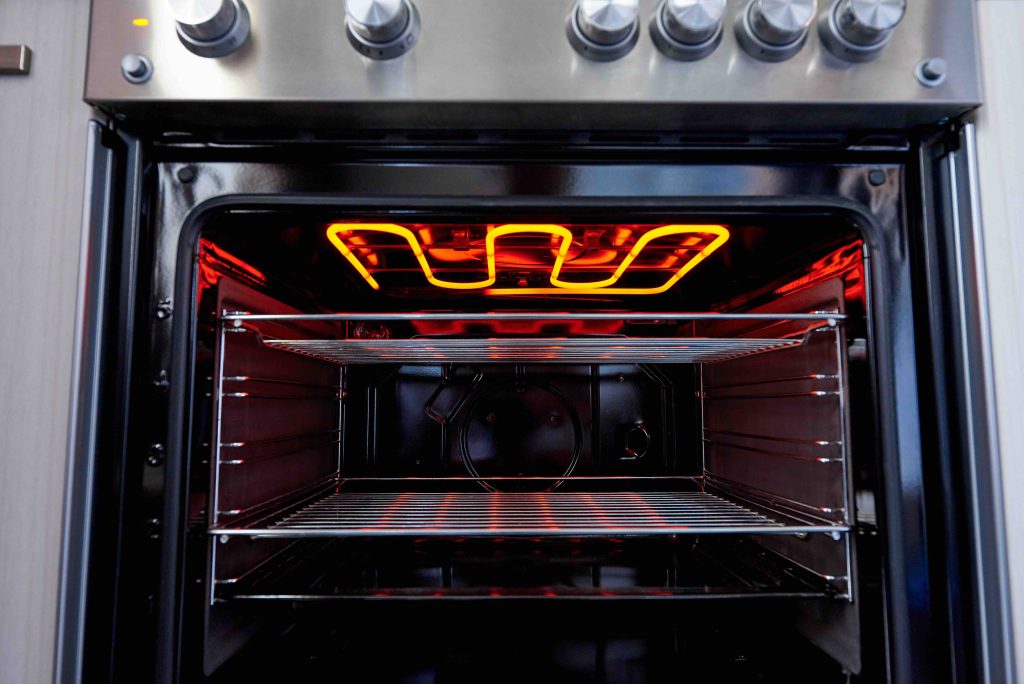
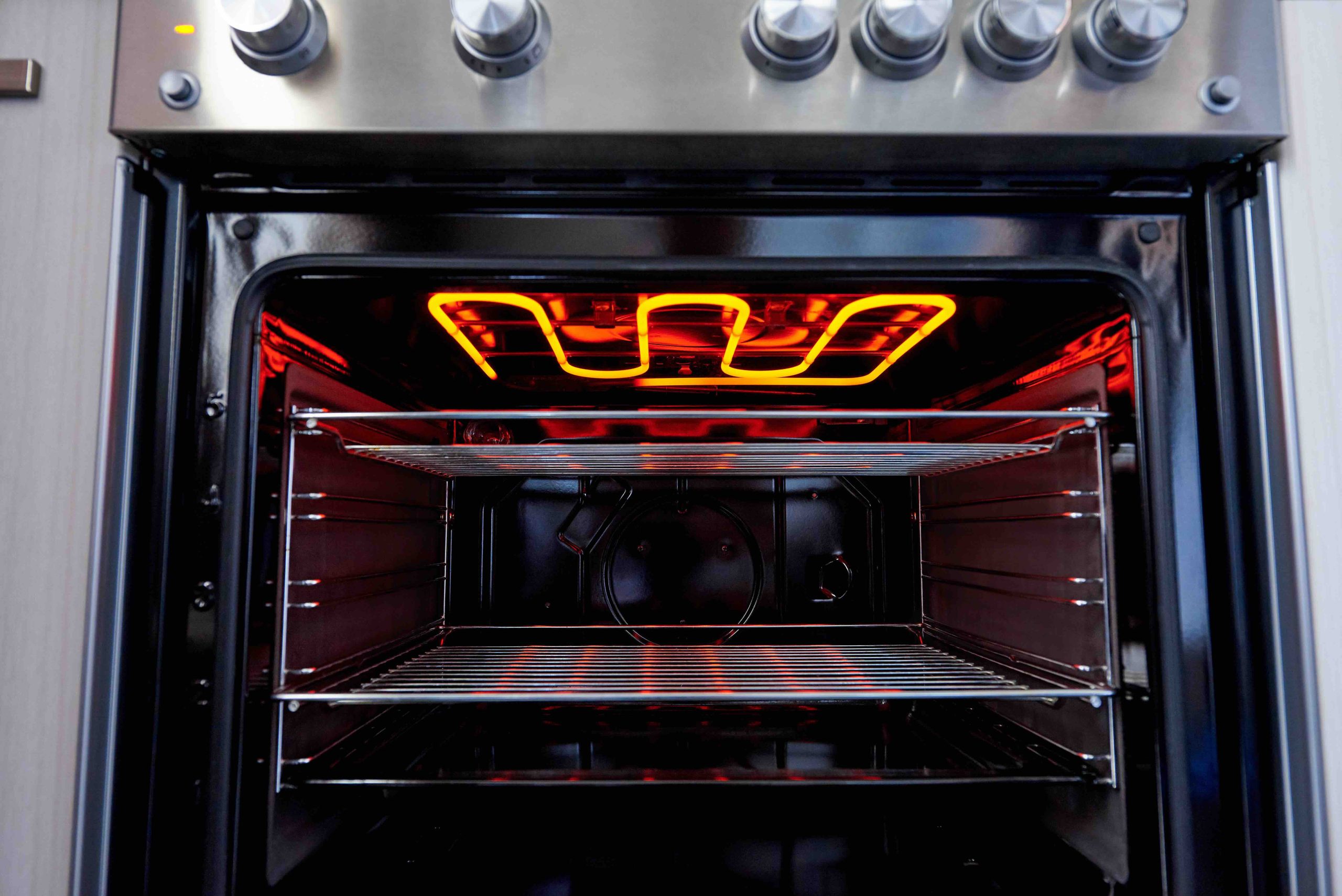
Whether you have a gas range or an electric model, the fundamental principle is the same: your oven uses a heat source and a thermostat to maintain a consistent internal temperature. In an electric oven, heating elements at the top and bottom of the cavity convert electrical energy into heat. In a gas oven, a burner ignites beneath the oven floor and a separate broil burner sits at the top. A temperature sensor or thermostat constantly communicates with the control board to cycle the heat on and off, keeping the environment stable at whatever temperature you selected. When any one of those components fails or drifts out of calibration, the oven simply cannot do its job correctly. It is a system, and like all systems, it is only as reliable as its weakest part.
Common Reasons an Oven Does Not Get Hot Enough
Before assuming the worst, it helps to understand what typically causes an oven to underperform. Several issues can produce the same symptom of insufficient heat, and the root cause matters a great deal when it comes to repair costs and coverage decisions.
- A faulty temperature sensor or thermostat that misreads the actual internal temperature
- A worn or burned-out bake element in electric ovens
- A failing igniter in gas ovens that does not glow hot enough to open the gas valve fully
- A malfunctioning control board that sends incorrect voltage signals
- A damaged or deteriorated door gasket allowing heat to escape
- Calibration drift over time, where the oven consistently reads lower than reality
Some of these issues are relatively inexpensive to address. Replacing a bake element or an igniter, for instance, is a common repair that a technician can usually complete in a single visit. A failed control board, on the other hand, can run several hundred dollars in parts alone, which is where things start to feel painful for a homeowner without a plan in place.
Signs You Should Not Ignore
Ovens do not usually fail without sending a few signals first. Catching those signals early gives you options. If your baked goods are consistently underdone despite following recipes carefully, that is a meaningful indicator. If you notice the oven takes significantly longer than it used to in order to preheat, something has changed internally. Visible damage to the heating element, such as blistering or breaks in the coil, is a clear sign that a component has reached the end of its life. Gas oven owners should also pay attention to the igniter glow: a healthy igniter reaches full brightness within about 90 seconds. A slow, dim glow is a sign it is on its way out. Any of these observations warrants a professional diagnostic, not a guessing game.

DIY Checks Versus When to Call a Professional
There are a few things a homeowner can reasonably investigate before scheduling a service call. Purchasing an inexpensive oven thermometer and placing it inside during a preheat cycle will tell you quickly whether the temperature you see on the display actually matches what is happening inside the cavity. If there is a significant gap, say 25 degrees or more, you are dealing with a calibration issue or a sensor problem. Inspecting the door gasket for visible tears or stiffness is also something anyone can do safely. Beyond those basic checks, the repair work itself should be left to a qualified appliance technician. Working inside an oven involves electrical components and, in the case of gas appliances, fuel line considerations. Incorrect repairs can create safety hazards that far outweigh the cost of a professional visit.
What These Repairs Actually Cost Without Coverage
Appliance repair costs have a way of surprising homeowners who have not thought about them in advance. A temperature sensor replacement might cost between $100 and $200 including labor, which is manageable. A bake element runs in a similar range. An oven igniter repair typically falls between $150 and $300. The numbers climb considerably when a control board is involved, with total repair costs sometimes reaching $400 to $600 or more depending on the make and model of the appliance. For older ovens approaching the end of their expected lifespan, a repair of that magnitude starts to raise the question of whether repair or replacement makes more financial sense. Having that conversation with a service technician and understanding your options in advance is far better than making a hasty decision during a stressful moment.
The Role of a Home Warranty in Appliance Breakdowns
This is where home warranty coverage becomes genuinely relevant. A home warranty is a service contract that covers the repair or replacement of major home systems and appliances when they fail due to normal wear and tear. It is different from homeowners insurance, which covers damage from events like fires or storms. A home warranty is specifically designed to protect you from the kind of mechanical failure your oven just experienced. When a covered appliance breaks down, you submit a claim, pay a service fee, and a qualified technician is dispatched to diagnose and repair the problem. The repair costs are handled according to your contract terms. For appliances that tend to fail in expensive ways, like ovens with complex control boards, that kind of financial backstop is worth considering carefully.
Key Advantages of Having Oven Coverage Through a Home Warranty
The appeal of home warranty coverage for appliances like ovens comes down to predictability. Instead of absorbing a surprise repair bill, you pay a known annual or monthly premium and a set service fee per claim. That structure makes budgeting far more manageable, particularly for homeowners who have multiple aging appliances under one roof. Coverage also removes the burden of finding a vetted technician on your own, which is not always easy or fast in every market. Additionally, if a covered appliance cannot be repaired, many home warranty plans include a replacement provision, which can represent significant savings on a high-end range that would otherwise cost over a thousand dollars to replace out of pocket.
Common Limitations to Understand Before You Commit
Home warranties are useful tools, but they work best when homeowners understand exactly what is and is not covered. Most plans exclude pre-existing conditions, meaning a problem that existed before the contract began is generally not eligible for a claim. Cosmetic damage, such as a cracked oven door glass caused by misuse, is typically excluded as well. Some contracts have caps on repair or replacement payouts, which can affect how much value you receive on high-end appliances. Reading the terms carefully and asking specific questions about appliance coverage before purchasing a plan will prevent unpleasant surprises at claim time. A trustworthy home warranty provider will be transparent about these details without requiring you to parse dense legal language on your own.
Why Armadillo Is Worth a Serious Look for Oven and Appliance Protection
When your oven stops heating properly, the last thing you want is to deal with a home warranty company that makes the claims process feel like a second job. Armadillo was built with that frustration specifically in mind. As a home warranty provider designed for modern homeowners who want straightforward appliance and system protection, Armadillo keeps things simple: clear coverage terms, fast service coordination, and no unnecessary friction when something goes wrong. If you have been thinking about adding a layer of financial protection before your next appliance surprise, now is the right time to act. You can get a personalized home warranty quote that covers oven repairs and other major appliance breakdowns in just a few minutes. The cost of a plan is almost always less than a single unexpected repair bill, and the peace of mind is harder to put a number on.

Frequently Asked Questions About Ovens Not Heating Properly
Real questions from homeowners dealing with oven temperature problems and home warranty coverage decisions.
Why is my oven not reaching the set temperature?
The most common causes include a faulty temperature sensor, a worn heating element, a failing igniter in gas models, or a malfunctioning control board. Calibration drift is also possible in older units, causing the displayed temperature to differ significantly from the actual internal temperature.
How do I know if my oven temperature sensor is bad?
Place an oven thermometer inside the cavity and preheat to a specific temperature. If the thermometer reading differs by more than 25 degrees from the set temperature, the sensor or thermostat is likely the issue. A technician can confirm this with a resistance test on the sensor.
Can I recalibrate my oven myself?
Many ovens allow minor temperature calibration adjustments through the control panel settings. Consult your owner’s manual for instructions specific to your model. This can correct minor drift but will not fix a mechanically failing sensor or element.
Is an oven not heating enough covered by a home warranty?
In most cases, yes. When the failure results from normal wear and tear on a covered component such as the heating element, igniter, or temperature sensor, a standard home warranty plan will typically cover the diagnostic and repair costs after the service fee is paid.
How long should an oven last before needing major repairs?
The average lifespan of a residential oven is between 13 and 15 years. Major repairs are more common as the appliance approaches and exceeds this range, particularly for components like control boards and igniters that experience regular thermal cycling.
What is the most expensive oven repair a homeowner might face?
Control board replacement tends to be the most costly oven repair, with total costs sometimes exceeding $500 including parts and labor. This is one of the repairs where home warranty coverage provides the most tangible financial benefit.
Should I repair or replace an oven that is not heating correctly?
If the appliance is under 10 years old and the repair cost is less than half the replacement cost, repair is generally the better choice. For older units facing expensive repairs like a control board failure, replacement may offer better long-term value.
Does a home warranty cover both gas and electric ovens?
Most home warranty plans cover both gas and electric ovens as standard appliances, though coverage details can vary by provider and plan tier. Always confirm which specific components are included and whether combination range and oven units are covered as a single appliance.
How quickly will a home warranty send a technician for an oven repair?
Response times vary by provider, but most reputable home warranty companies dispatch a service technician within 24 to 48 hours of a claim being filed. Armadillo prioritizes fast service coordination to minimize the disruption to your household.
What should I do immediately if my oven stops heating properly?
Stop using the oven to avoid food safety issues, confirm the problem with an oven thermometer, and check the door gasket for visible damage. If you have a home warranty, file a claim promptly. If you do not, contact a licensed appliance repair technician for a diagnostic assessment before attempting any repairs yourself.