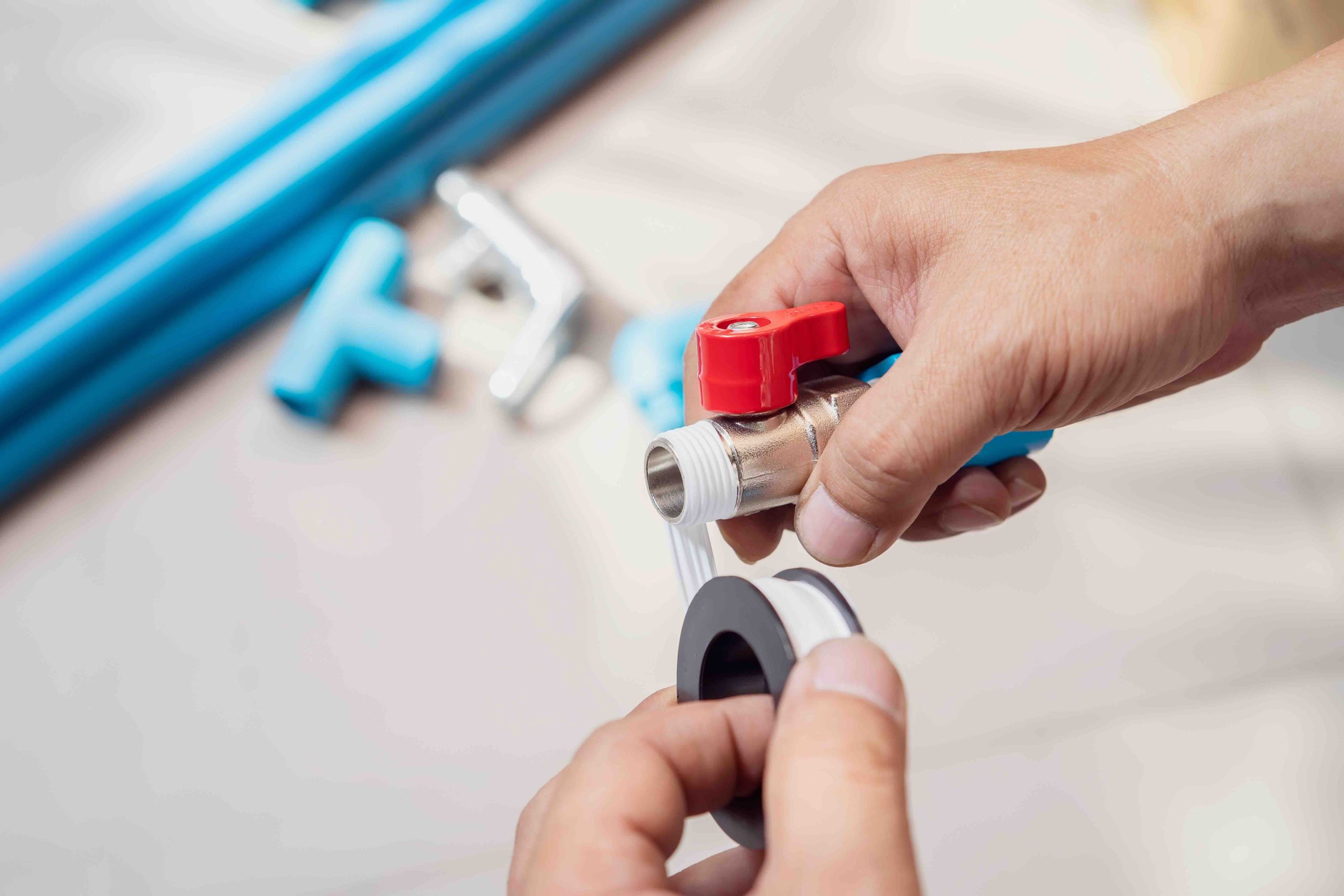
What Is a Plumbing Stack and Why Should Every Homeowner Know About It
There is a vertical pipe running through your home right now that most homeowners never think about until something goes wrong. That pipe is called a plumbing stack, and it quietly handles one of the most essential functions in your entire house. It carries wastewater away from your sinks, toilets, and tubs, and it vents sewer gases safely out through your roof. Without it working correctly, you would notice very quickly. The smell alone would be enough. Understanding how this system works, what can go wrong, and how repairs are handled is the kind of knowledge that can save you from a very unpleasant and expensive situation.
How the Plumbing Stack Actually Works
The plumbing stack is essentially the backbone of your home’s drain system. There are two parts to understand here. The drain stack is the large vertical pipe that collects wastewater from every fixture on every floor and sends it down to the main sewer line or septic system. The vent stack runs upward from that same system and exits through your roof, allowing air into the drain pipes so water flows freely without creating a vacuum. These two components often share the same pipe, which is why it is sometimes referred to simply as the soil stack. Every toilet in your home connects directly to this pipe. Every sink and shower connects to it through smaller branch lines. It is central to everything.
Common Reasons a Plumbing Stack Needs Repair
Plumbing stacks are built to last, but they are not invincible. The most common issues that lead to repairs tend to fall into a few predictable categories. Older homes with cast iron stacks are particularly vulnerable because cast iron corrodes over time, especially in areas with hard water or soil that contains high mineral content. PVC stacks, which are more common in newer construction, can crack under physical stress or temperature extremes. Tree root intrusion is another big one, particularly where the stack connects to underground sewer lines. And then there is blockage. Grease, scale buildup, and debris accumulation can partially or fully obstruct the pipe, backing wastewater up into your home. That is the kind of problem that escalates fast.
Warning Signs That Your Plumbing Stack May Be Failing
Knowing the warning signs can be the difference between a manageable repair and a major remediation project. Your home will usually give you signals before a full failure happens. Pay attention to these indicators:
- Slow drains throughout multiple fixtures at the same time, not just one sink or tub
- Gurgling sounds coming from toilets or drains after water is used elsewhere in the house
- Sewage odors inside the home, particularly near floor drains or in lower-level bathrooms
- Water stains or moisture on ceilings and walls near vertical pipe runs
- Toilets that bubble or seem to lose and gain water levels without explanation
If you are noticing more than one of these at the same time, that is your cue to call a licensed plumber. A camera inspection of the stack can confirm the exact location and nature of the issue within minutes.
What Plumbing Stack Repair Actually Involves
The scope of a plumbing stack repair depends entirely on where the problem is and how bad it has gotten. Minor blockages are often cleared with hydro-jetting or mechanical snaking, which is relatively quick and affordable. Partial pipe deterioration might be addressed with pipe lining, a trenchless technique where a resin-coated liner is inserted and cured inside the existing pipe to restore its integrity without full excavation. Full pipe replacement is necessary when the stack has collapsed, cracked severely, or corroded beyond rehabilitation. This is the more invasive option and can involve opening walls, ceilings, or floors depending on the stack’s location within the home. Labor and materials for a full stack replacement can range significantly based on your home’s size, the number of stories, and the material being used.

The Advantages of Addressing Stack Problems Early
Early intervention is almost always less expensive and less disruptive than waiting. A small section of deteriorated pipe caught before it fails completely might cost a fraction of what a full replacement would. Beyond the financial angle, there is also the matter of health. A compromised vent stack can allow hydrogen sulfide and methane gases to enter your living space, both of which are hazardous at elevated concentrations. Sewage backups introduce pathogens into your home that require professional remediation. Structural damage from water intrusion around a leaking stack can compromise framing and subfloor materials over time. Acting early on a stack problem is simply the responsible move, and most experienced plumbers will tell you the same.
Key Drawbacks and Challenges to Be Aware Of
Plumbing stack repairs are not without their complications. The location of the stack inside walls and floors makes access difficult and sometimes destructive. Homeowners should be prepared for the possibility that drywall, tile, or flooring will need to be removed and later restored as part of the repair process. In multi-story homes, the scope of work increases substantially. There is also the matter of permits. Most jurisdictions require a permit for plumbing stack work, which adds time and cost to any project. It is worth verifying upfront whether your plumber will handle permitting or if that responsibility falls to you. The repair itself can also temporarily take certain fixtures offline, which means planning around bathroom availability during the work.
Practical Tips for Protecting Your Plumbing Stack Long Term
There are things you can do as a homeowner to extend the life of your plumbing stack and reduce the likelihood of a costly repair. Routine maintenance goes a long way. Consider these habits:
- Avoid flushing anything other than toilet paper down toilets, including wipes labeled as flushable
- Use drain screens to catch hair and debris before it reaches branch lines
- Have a professional camera inspection done every several years if your home is older than 30 years
- Keep trees and large shrubs away from sewer line paths in your yard
- Do not pour grease or oil down any drain, ever
These are not complicated habits, but they add up. A well-maintained plumbing stack in a properly constructed home can function reliably for decades. The key is not to ignore small warning signs when they appear.
How Home Warranties Factor Into Plumbing Stack Repairs
Plumbing repairs are among the most common claims filed through home warranty plans, and for good reason. Unexpected plumbing failures, particularly in systems as central as the drain and vent stack, can generate costs that catch homeowners completely off guard. A home warranty plan that covers plumbing systems can help offset the expense of diagnosing and repairing stack-related issues, depending on the plan terms and coverage limits. It is important to read your plan carefully to understand what is included. Some plans cover interior drain lines and stoppages only, while more comprehensive plans extend coverage to the broader plumbing system including vent and drain stack components. Knowing what your plan covers before something breaks is always the smarter position to be in.
Why Armadillo Is the Right Partner for Plumbing Protection
When your plumbing stack fails, the last thing you want to be doing is scrambling to find a reliable plumber, negotiate pricing, and figure out how to pay for a repair you did not see coming. That is exactly the problem that Armadillo home warranty coverage for plumbing systems is designed to solve. Armadillo offers straightforward, transparent plans built for real homeowners who want protection without the runaround. No confusing exclusions buried in fine print, no call centers leaving you on hold while your bathroom is out of commission. If protecting your home’s plumbing, including drain and vent stack systems, matters to you, then the right next step is to get a free home warranty quote for plumbing and drain stack protection and see exactly what a plan would cost for your home. Armadillo approaches home protection the way it should be approached: with clarity, speed, and genuine helpfulness. Your plumbing stack keeps your home functional every single day. It deserves a backup plan.

Frequently Asked Questions About Plumbing Stack Repair
Here are answers to the most common questions homeowners have about plumbing stacks, repairs, and coverage options.
What is a plumbing stack?
A plumbing stack is a large vertical pipe system in your home that carries wastewater down to the sewer line and allows sewer gases to vent safely out through the roof. It connects to every drain and toilet in the house.
How do I know if my plumbing stack is clogged?
Multiple slow drains throughout the house, gurgling toilets, and sewage odors inside the home are the most reliable indicators that a blockage or damage exists within the plumbing stack rather than an isolated branch line.
How long does a plumbing stack last?
Cast iron stacks typically last 50 to 75 years with proper care, while PVC stacks can last 25 to 40 years or longer depending on installation quality, water chemistry, and usage patterns.
What causes a plumbing stack to fail?
Corrosion, physical cracking, root intrusion, scale buildup, and improper venting installation are the most frequent causes. Age and material type are also significant factors in how quickly a stack degrades.
Is plumbing stack repair covered by homeowners insurance?
Standard homeowners insurance generally does not cover plumbing stack repairs caused by wear, aging, or gradual deterioration. Sudden and accidental damage may be covered in some cases, but this varies by policy.
Can a plumbing stack be repaired without opening walls?
In some cases, yes. Pipe lining and trenchless repair techniques allow plumbers to rehabilitate a damaged stack from the inside without removing surrounding drywall or flooring, though access points are still required.
How much does plumbing stack repair cost?
Costs range widely based on damage severity, pipe material, and home size. Minor clearing or patching can cost a few hundred dollars, while full stack replacement in a multi-story home can reach several thousand dollars or more.
Does a home warranty cover plumbing stack repairs?
It depends on the plan. Many home warranty plans cover interior plumbing stoppages and repairs. More comprehensive plans may cover the vent and drain stack as part of the plumbing system coverage. Always review plan terms carefully.
How often should I have my plumbing stack inspected?
For homes older than 25 to 30 years, a professional camera inspection every three to five years is a reasonable benchmark. Newer homes can go longer between inspections unless symptoms appear.
What is the difference between a drain stack and a vent stack?
The drain stack carries wastewater downward from fixtures to the sewer system. The vent stack carries air upward to prevent vacuum formation in drain lines and to route sewer gases out through the roof. In most homes, both functions share a single pipe called the soil stack.