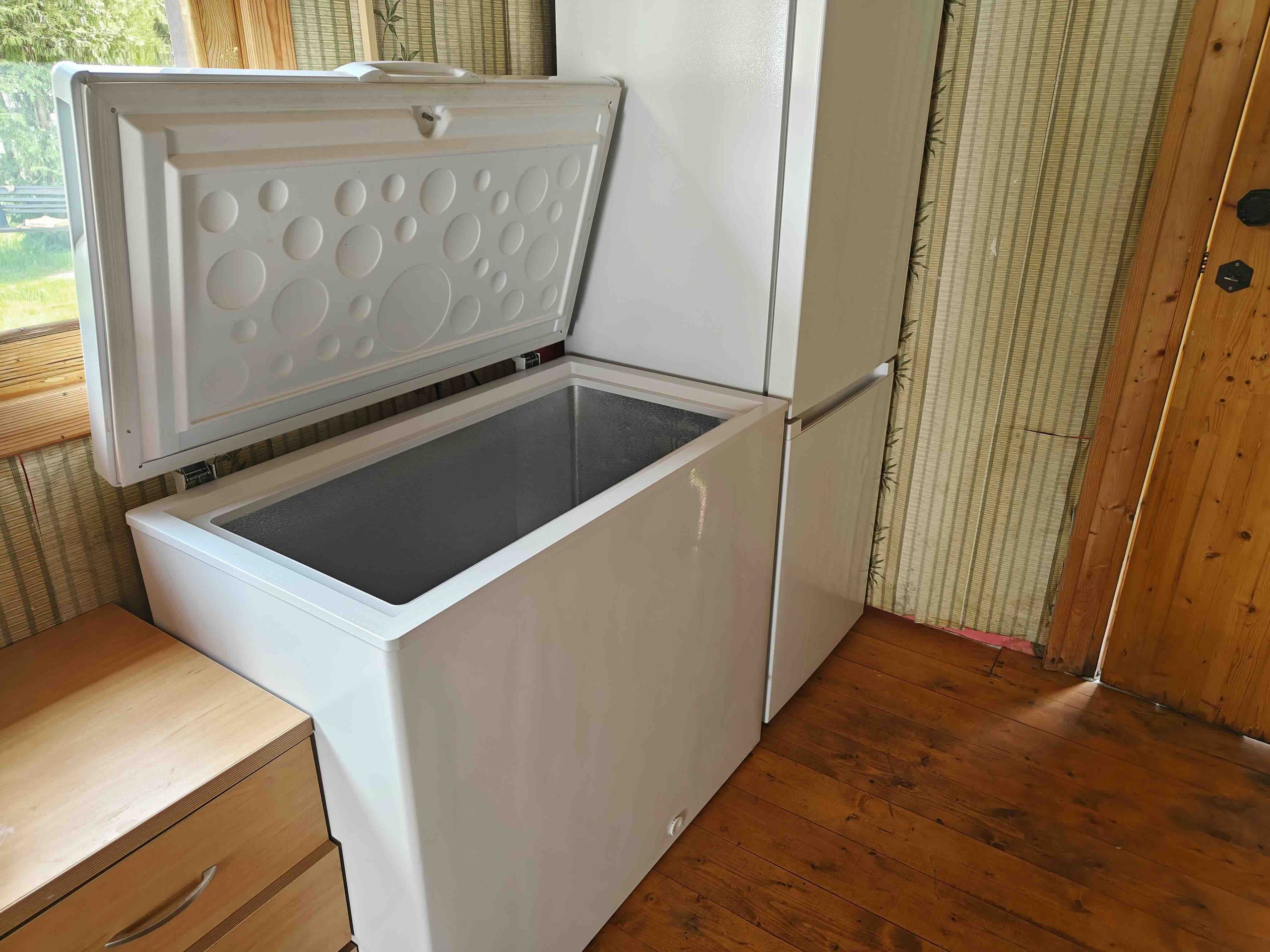
When Your Freezer Stops Freezing: What Every Homeowner Should Know
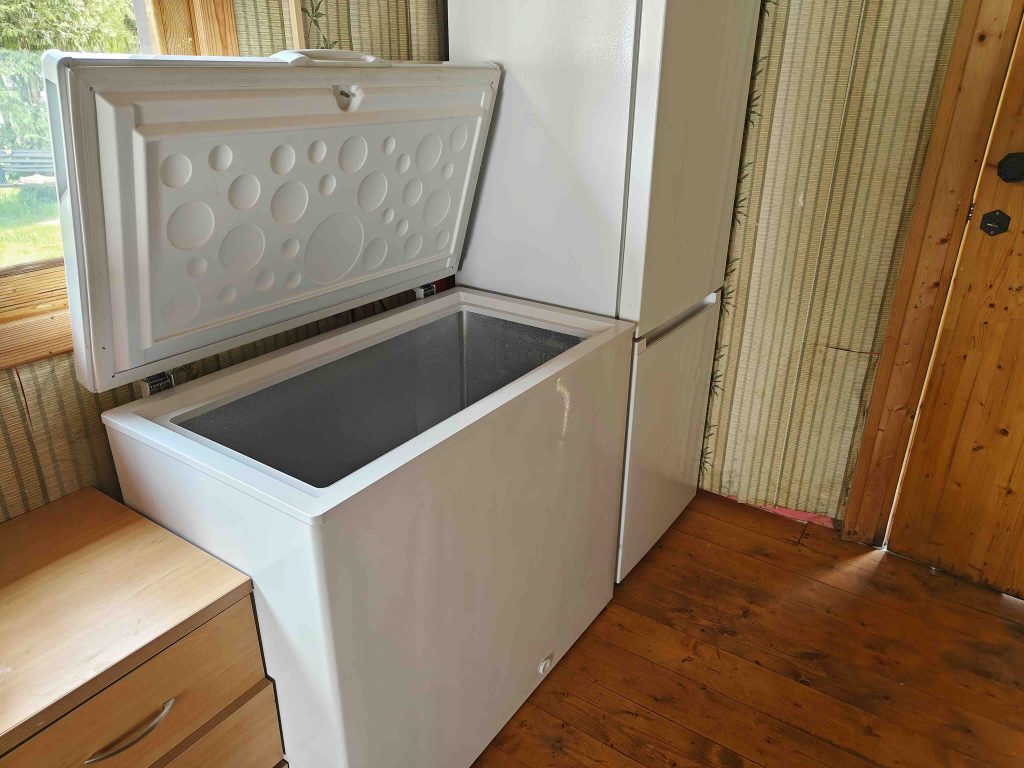
You open the freezer expecting ice cream that holds its shape, and instead you find a soft, slightly melted mess. That moment of dread is familiar to a lot of homeowners, and it usually kicks off a series of questions: Is this a simple fix or a major repair? Is the food still safe? And maybe the biggest one: how much is this going to cost? A freezer that does not freeze is more than an inconvenience. It is a signal that something in a complex system has gone wrong, and understanding what that system actually does can help you respond confidently instead of just panicking.
How a Freezer Actually Works
Most people think of a freezer as just a cold box, but it is actually a refrigeration system doing a lot of work behind the scenes. The appliance uses a refrigerant that cycles through a compressor, condenser coils, and evaporator coils to absorb heat from the interior and release it outside the unit. The compressor is essentially the engine of the whole operation. When any part of that loop fails, the freezer loses its ability to maintain temperature. There are also components like the thermostat, evaporator fan, defrost timer, and start relay that all play supporting roles. When one fails, the whole system feels it.
Common Reasons a Freezer Stops Freezing
There is rarely just one culprit when a freezer stops doing its job. The cause can range from something you can fix in five minutes to something that requires a professional technician. Here are the most frequently seen issues:
- Dirty or blocked condenser coils that restrict airflow and reduce cooling efficiency
- A failed or failing compressor, which is the most expensive fix on the list
- A malfunctioning evaporator fan that stops circulating cold air throughout the unit
- A broken defrost system that allows frost buildup to block airflow entirely
- A faulty door gasket that lets warm air seep in constantly
- A bad thermostat or temperature control board sending incorrect signals
- Low refrigerant levels, typically caused by a leak somewhere in the system
Some of these issues, like a dirty gasket or dusty coils, are things a homeowner can address without tools. Others, like a refrigerant leak or compressor failure, require a certified technician and come with repair costs that can rival the price of a new appliance.
Quick Checks Before Calling a Technician
Before you assume the worst, there are a few things worth checking on your own. Start with the obvious: make sure the freezer is actually plugged in and the circuit breaker has not tripped. Check the temperature settings, because they can get bumped accidentally. Pull the unit away from the wall and look at the condenser coils, usually located on the back or underneath. If they are coated in dust, a gentle cleaning with a vacuum or brush can sometimes restore performance. Check the door seal by closing the door on a piece of paper and pulling it out. If it slides out easily, the gasket is not sealing properly. Also, listen for the compressor. If the freezer is completely silent and not running at all, that is a significant indicator of a mechanical issue that needs professional attention.

Food Safety: What to Do While You Figure It Out
A freezer that has been struggling for a few hours puts your stored food in a vulnerable position. The general guideline from food safety authorities is that a full freezer will hold a safe temperature for approximately 48 hours if the door stays closed, and a half-full freezer for around 24 hours. If the temperature inside climbs above 40 degrees Fahrenheit and food has been sitting there for more than two hours, it is time to make some tough decisions. Meat, poultry, and seafood are the highest-risk items. When in doubt, the advice is consistent: throw it out. The cost of replacing food is far less than dealing with foodborne illness.
Repair Versus Replace: How to Decide
This is the question that keeps homeowners up at night, and the answer is not always straightforward. A commonly used guideline in the appliance industry is the 50 percent rule: if the repair cost exceeds 50 percent of the cost of a new appliance, and the unit is more than halfway through its expected lifespan, replacement is usually the smarter financial move. Freezers and refrigerators typically last between 10 and 20 years depending on the brand and usage. A compressor replacement on an older unit can cost anywhere from $300 to $600 or more in parts and labor. A brand new unit might cost $500 to $1,200. The math matters, and so does the age of the appliance.
The Real Cost of Freezer Repairs Without Coverage
Appliance repairs tend to arrive without warning and without mercy for your budget. A service call alone can run $75 to $150 before any diagnosis or parts are even discussed. A thermostat replacement might add another $100 to $200. An evaporator fan motor could be another $150 to $300 installed. And as mentioned, a compressor replacement sits at the top of the price range and is one of the most labor-intensive repairs in the appliance category. Without some form of protection in place, these costs come directly out of pocket, usually at the worst possible time. That unpredictability is exactly why more homeowners are paying attention to what a home warranty actually covers.
What a Home Warranty Covers for Freezers and Refrigerators
A home warranty is a service contract that covers the repair or replacement of major home systems and appliances when they fail due to normal wear and tear. Most home warranty plans that include appliance coverage will cover the refrigerator, and many extend that coverage to standalone freezers as well. Covered components typically include the compressor, thermostat, evaporator fan, condenser fan, and other internal mechanical parts. What a warranty does not cover, generally speaking, includes cosmetic damage, food spoilage, damage caused by misuse or improper installation, and secondary damage from a covered failure. Reading the terms of any warranty plan carefully is essential, and knowing what to ask before you buy is just as important as knowing what happened to your freezer.
Maintenance Habits That Extend Freezer Life
A freezer that is well maintained simply lasts longer and runs more efficiently. These are not complicated habits, but they do require consistency:
- Clean the condenser coils at least once a year, or twice if you have pets that shed
- Check the door gaskets every few months for cracks, tears, or weak spots
- Keep the freezer at least 75 percent full for optimal efficiency, using water jugs to fill empty space if needed
- Defrost the unit manually if frost buildup exceeds a quarter of an inch in non-frost-free models
- Make sure the freezer has adequate clearance on all sides for proper airflow
- Avoid placing hot food directly into the freezer, as it forces the compressor to work harder
None of these tips require a technician or specialized knowledge. They are the kind of small, intentional actions that quietly add years to an appliance’s life and help you avoid the stress of an unexpected failure.
Why Armadillo Is the Right Call When Your Freezer Fails
When a freezer stops working, the last thing you want is to navigate confusing warranty fine print or wait on hold for a week before anyone shows up. That is where Armadillo home warranty coverage for appliances and systems makes a real difference. Armadillo is built around transparency, responsiveness, and actually delivering on what a home warranty promises. No runaround, no surprise exclusions buried in paragraph fourteen. If your freezer compressor quits or your evaporator fan gives out, you want a plan that steps in and handles the situation without making you feel like you are the problem. Armadillo covers the components that matter and connects you with qualified technicians who know what they are doing. If you are ready to stop absorbing unpredictable appliance repair costs and start protecting your home the smart way, get a free home warranty quote for freezer and appliance protection and see what a plan looks like for your specific home. It takes minutes, and the peace of mind is worth considerably more than that.

Frequently Asked Questions About Freezers That Stop Freezing
Why is my freezer running but not getting cold?
If the freezer is running but not reaching the correct temperature, the most likely causes are a faulty evaporator fan, a blocked defrost drain, dirty condenser coils, or a failing thermostat. The compressor may still be operational while another component in the cooling loop is preventing proper temperature regulation.
How long does it take for a freezer to get cold again after being unplugged or opened?
A freezer that has been unplugged or left open typically needs between two to four hours to return to its optimal temperature of 0 degrees Fahrenheit, assuming the unit is functioning properly and the surrounding environment is not excessively warm.
Is it worth repairing a freezer that is more than 10 years old?
It depends on the repair cost and the type of failure. Minor repairs like a thermostat or door gasket on a 10-year-old unit may still make financial sense. A compressor replacement on a unit older than 12 to 15 years generally does not, and replacement is usually the better investment.
Does a home warranty cover freezer repairs?
Many home warranty plans cover refrigerators and, depending on the plan, standalone freezers as well. Covered components typically include the compressor, evaporator fan, and thermostat. Food spoilage and cosmetic damage are not typically covered. Always review your specific plan terms.
What temperature should my freezer be set to?
The recommended freezer temperature is 0 degrees Fahrenheit, or negative 18 degrees Celsius. This temperature keeps food safely frozen and inhibits bacterial growth. If your freezer cannot maintain this temperature, it is a sign that something in the system needs attention.
Can a bad door gasket cause a freezer to stop freezing?
Yes. A deteriorated or improperly sealing door gasket allows warm air to enter the freezer continuously, forcing the compressor to work harder and often preventing the unit from reaching or maintaining the correct internal temperature.
How often should I clean my freezer’s condenser coils?
For most households, once a year is sufficient. If you have pets that shed heavily, cleaning the coils every six months is a better practice. Dirty coils restrict airflow and reduce cooling efficiency, which can lead to premature component failure over time.
What causes frost buildup inside a freezer?
Frost buildup is usually caused by warm, humid air entering the freezer through a damaged door seal, or by a malfunctioning defrost system. In non-frost-free models, manual defrosting is required periodically. Excessive frost in a frost-free model typically indicates a defrost heater, timer, or thermostat issue.
Can I use my freezer while waiting for a repair?
If the freezer is maintaining any level of cold temperature, keeping it closed as much as possible will help preserve its interior temperature and protect food. If the internal temperature has risen above 40 degrees Fahrenheit, the unit is no longer safe for food storage until it is repaired and verified at the correct temperature.
How do I know if my freezer compressor is failing?
Signs of a failing compressor include the freezer running constantly without cooling properly, unusual clicking or humming sounds when the unit tries to start, or complete silence when the freezer should be cycling on. A technician can confirm compressor failure through a direct electrical and mechanical diagnostic test.