What Is a Gas Range Top Oven and Why Does It Matter for Your Home?
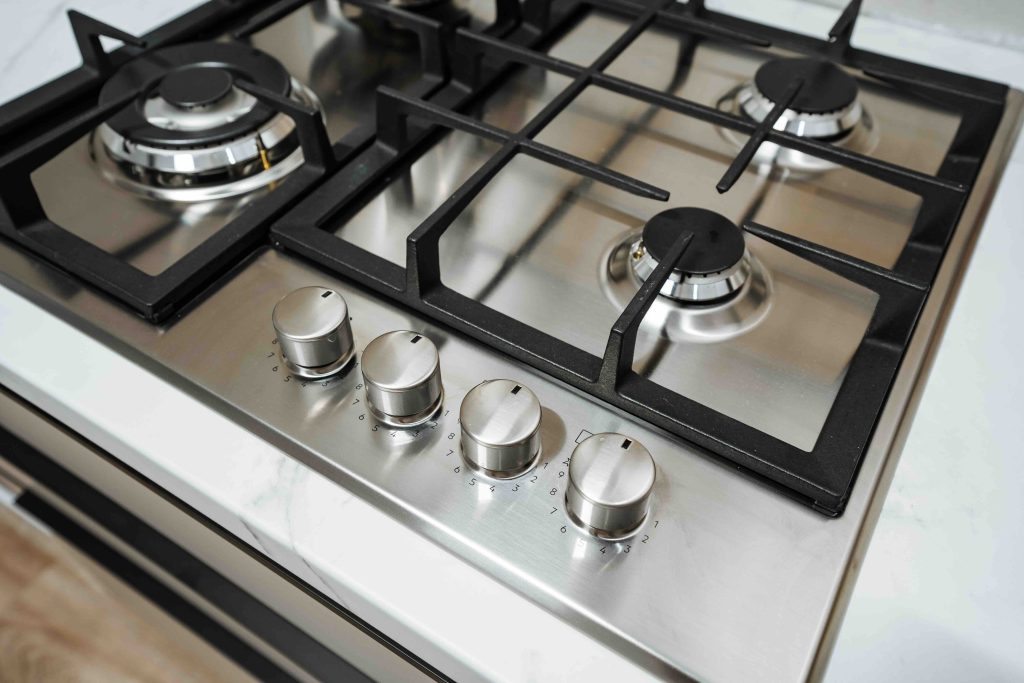
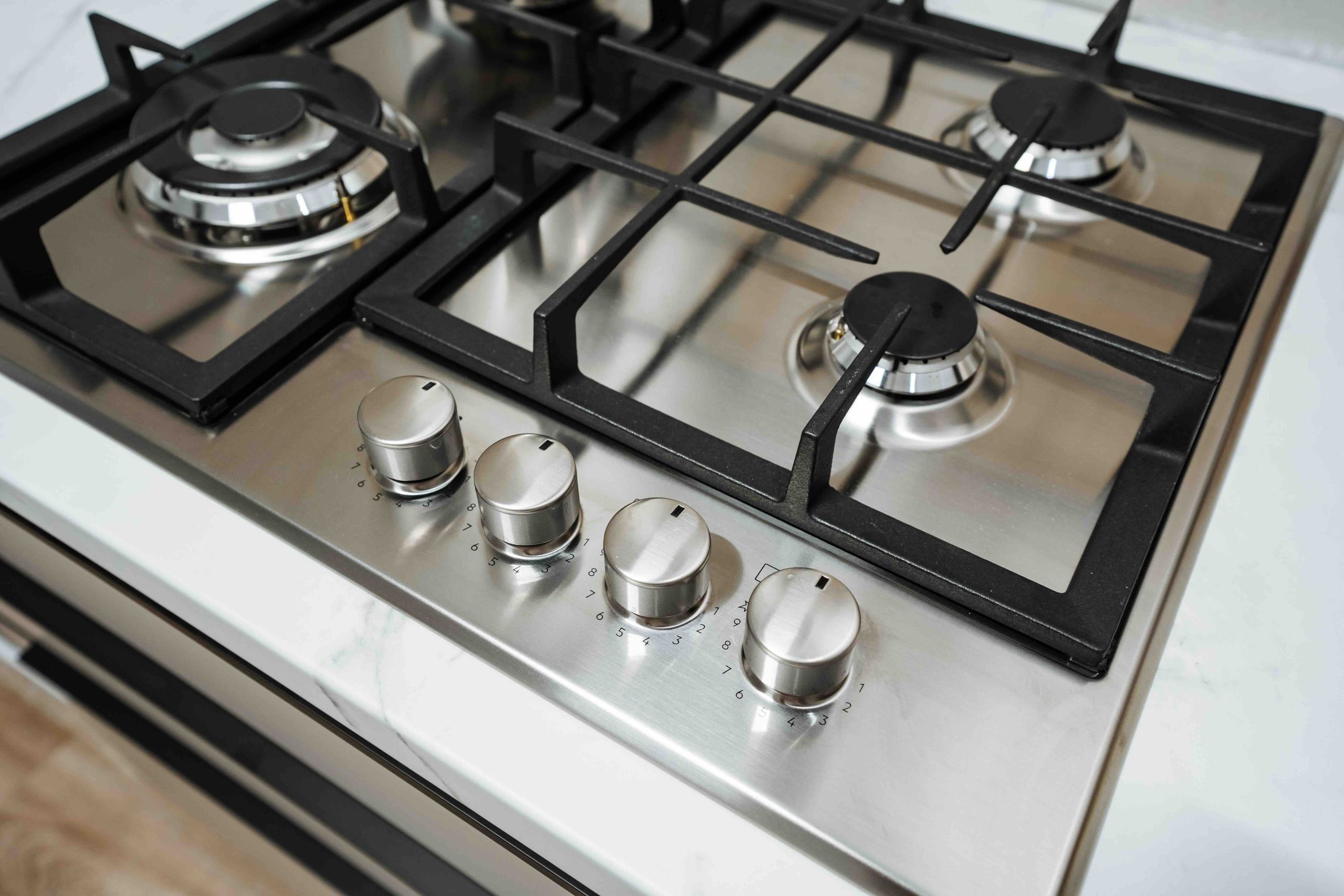
If you have ever cooked on a gas range, you already know there is something satisfying about the instant heat, the visible flame, and the level of control that comes with it. A gas range top oven is exactly what it sounds like: a freestanding or slide-in kitchen appliance that combines a gas-powered cooktop on the surface with an oven cavity below. Both components typically run on natural gas or propane, though some models use gas for the burners and electricity for the oven, which are called dual-fuel ranges. For millions of homeowners, this appliance is the centerpiece of the kitchen, and understanding how it works can make a real difference in how you maintain it, repair it, and protect it long-term.
How a Gas Range Top Oven Actually Works
The cooktop portion operates through individual burners, each connected to a gas supply line. When you turn a knob, a small amount of gas releases and the igniter creates a spark to light the flame. The size of the flame corresponds to how much gas flows through, which is why you get that precise, responsive heat control. The oven below works differently. Most gas ovens use a single bake burner at the bottom and sometimes a broil burner at the top. A thermostat monitors the internal temperature and signals the gas valve to open or close in order to maintain your target heat level. Modern gas ovens also use electronic ignition systems rather than the old standing pilot lights, which improves both safety and energy efficiency considerably.
Key Advantages of Owning a Gas Range Top Oven
There are several reasons why gas ranges remain one of the most popular cooking appliances in American homes. The benefits go well beyond personal preference and actually affect your cooking results, your utility costs, and the long-term value of the appliance itself.
- Instant, responsive heat that adjusts the moment you turn the knob
- Works during a power outage if you manually light the burners
- Generally lower operating costs compared to electric ranges in most regions
- Better moisture retention inside the oven cavity, which benefits roasting and baking
- Compatible with all types of cookware, including cast iron and stainless steel
- Preferred by professional chefs and serious home cooks for precision cooking
Common Drawbacks You Should Know Before Buying
No appliance is without its trade-offs, and a gas range top oven is no exception. For one, gas ovens can have uneven heat distribution, meaning some spots in the oven run hotter than others. This can affect baking results if you are not aware of it. The cooktop surface with its grates and burner caps also requires more hands-on cleaning than a smooth electric cooktop. From a safety standpoint, gas appliances introduce combustion into your home, which means proper ventilation is not optional. Carbon monoxide and gas leaks, while uncommon, are serious risks that require functioning detectors and regular appliance inspections. Installation also requires an existing gas line, so if your home is not already set up for gas, the upfront cost of switching can be significant.

Understanding the Most Common Gas Range Repair Issues
Even a well-maintained gas range will eventually develop issues. Knowing what to watch for can save you time and money. The igniter is one of the most frequently repaired components. When it clicks continuously or fails to spark at all, the igniter or its wiring is usually the culprit. Burner caps that are dirty or misaligned are another common cause of uneven flames or burners that will not light. Inside the oven, a faulty bake igniter is one of the most common reasons an oven fails to heat up properly. Gas valve problems, thermostat failures, and worn door gaskets round out the usual list of repair needs. The encouraging part is that many of these repairs are straightforward for a qualified technician and do not necessarily mean a full appliance replacement.
How Long Does a Gas Range Top Oven Typically Last?
A gas range has a solid reputation for longevity. On average, most gas ranges last between 15 and 20 years with proper care. That lifespan is notably longer than many other kitchen appliances. The key factors that influence how long your range lasts include how frequently it is used, how consistently it is cleaned, whether repairs are addressed promptly, and the overall quality of the unit at the time of purchase. Mid-range and high-end brands tend to use more durable components, but even budget-friendly models can perform well for years if maintained correctly. Annual inspections by a qualified gas technician are a smart investment that can extend the life of the appliance and catch small problems before they become expensive ones.
Practical Maintenance Tips for Gas Range Owners
Keeping your gas range in good working order does not require a lot of technical expertise, but it does require consistency. A few habits go a long way toward preventing premature wear and reducing repair costs over time.
- Clean burner grates and caps regularly to prevent clogs that disrupt gas flow
- Wipe up spills promptly to keep debris out of the burner ports
- Check the oven door gasket periodically for cracks or gaps that allow heat to escape
- Inspect the gas connection and flexible supply line annually for signs of wear
- Test your carbon monoxide detector monthly, especially in homes with gas appliances
- Schedule a professional inspection every one to two years to catch issues early
Gas Range vs. Electric Range: Which One Is Right for Your Home?
This is a question a lot of homeowners wrestle with, especially when a range needs to be replaced. The honest answer depends on your cooking style, your home’s existing infrastructure, and your budget. Gas ranges win on control and responsiveness, and they tend to appeal to people who cook frequently and value that immediate feedback from the flame. Electric ranges, particularly induction models, offer superior oven heat distribution and easier cooktop cleaning. If your home is already plumbed for gas, sticking with a gas range is often the more cost-effective path. If you are starting from scratch, the installation costs for gas can outweigh the benefits depending on local utility rates. Dual-fuel ranges offer a middle ground, with gas burners paired with an electric oven, but they typically come at a premium price point.
How Home Warranty Coverage Applies to Your Gas Range
Here is where things get genuinely useful for homeowners. A gas range top oven is a significant investment, and when something goes wrong, the repair costs can range from a modest igniter replacement to a much larger repair involving gas valves or control boards. That is exactly the kind of unpredictable expense a home warranty is designed to address. Most home warranty plans that include appliance coverage will cover the major mechanical components of your gas range, including the burners, igniters, and oven heating elements. It is important to read the terms of any plan carefully so you understand what is and is not included, and whether your specific brand or model falls within the coverage guidelines. A good home warranty does not just save money in the moment; it gives you a predictable path forward when something breaks unexpectedly.
Why Armadillo Is the Smart Choice for Gas Range and Appliance Protection
When your gas range stops working on a Tuesday night with dinner halfway done, the last thing you want is to navigate a confusing claims process or argue over whether your appliance qualifies for coverage. That is where Armadillo home warranty plans for kitchen appliances and home systems come in as a genuinely different kind of protection. Armadillo is built around clarity, speed, and honest coverage that actually shows up when you need it. No gimmicks, no fine-print surprises that leave you holding the bill. The plans are straightforward, the claims process is designed to be painless, and the network of service professionals is vetted and ready to respond. If you are ready to stop guessing what a repair might cost and start knowing that your appliances are protected, this is the right moment to get a free home warranty quote that covers your gas range and major appliances. Your kitchen works hard. Your protection plan should too.

Frequently Asked Questions About Gas Range Top Ovens
Below are answers to the most common questions homeowners ask about gas range top ovens, from how they work to what coverage looks like under a home warranty plan.
How do I know if my gas range igniter needs to be replaced?
If your burner clicks repeatedly without lighting, takes an unusually long time to ignite, or does not spark at all, the igniter is likely worn or faulty. A technician can confirm whether it needs cleaning or full replacement.
Is it safe to use a gas range during a power outage?
The cooktop burners on most gas ranges can be manually lit with a long match or lighter during a power outage, making them functional without electricity. The oven, however, typically requires power to operate its electronic ignition and controls safely.
Why does my gas oven smell like gas when I turn it on?
A brief smell of gas when the oven first ignites is normal as unburned gas escapes before the flame catches. If the smell is strong, persists, or occurs when the oven is not in use, turn off the appliance and contact a gas technician immediately.
How often should I have my gas range professionally serviced?
Most experts recommend a professional inspection every one to two years. If you notice unusual smells, inconsistent burner performance, or uneven oven heat, schedule a service call sooner regardless of when the last inspection took place.
Does a home warranty cover gas range repairs?
Many home warranty plans include coverage for gas range mechanical components such as igniters, burners, gas valves, and oven heating elements. Coverage terms vary by provider, so reviewing your plan details before assuming a repair qualifies is always a good idea.
What is the average cost to repair a gas range?
Repair costs vary widely depending on the component. Igniter replacements often fall in the range of $150 to $300, while more complex repairs involving gas valves or control boards can run $300 to $600 or more. Labor costs and your region also influence the final price.
Can I install a gas range myself?
Gas range installation should be performed by a licensed professional who can safely connect the appliance to the gas supply line and verify there are no leaks. Improper installation poses serious safety risks and may also void the appliance warranty.
Why is my gas oven not reaching the correct temperature?
Inaccurate oven temperature is commonly caused by a faulty bake igniter, a failing thermostat, or a worn oven door gasket that allows heat to escape. An appliance technician can diagnose and correct the issue with an in-home inspection.
How do I clean the burners on a gas range properly?
Remove burner grates and caps and wash them with warm soapy water. Clear any clogged burner ports with a toothpick or small wire brush. Avoid using excessive water near the igniter and allow all components to dry completely before reassembling.
What is the difference between a freestanding and a slide-in gas range?
A freestanding gas range has finished sides and a rear control panel, making it easy to install in any open space. A slide-in range is designed to sit flush between cabinets with front-mounted controls, providing a more built-in appearance and is generally considered a more polished kitchen aesthetic.