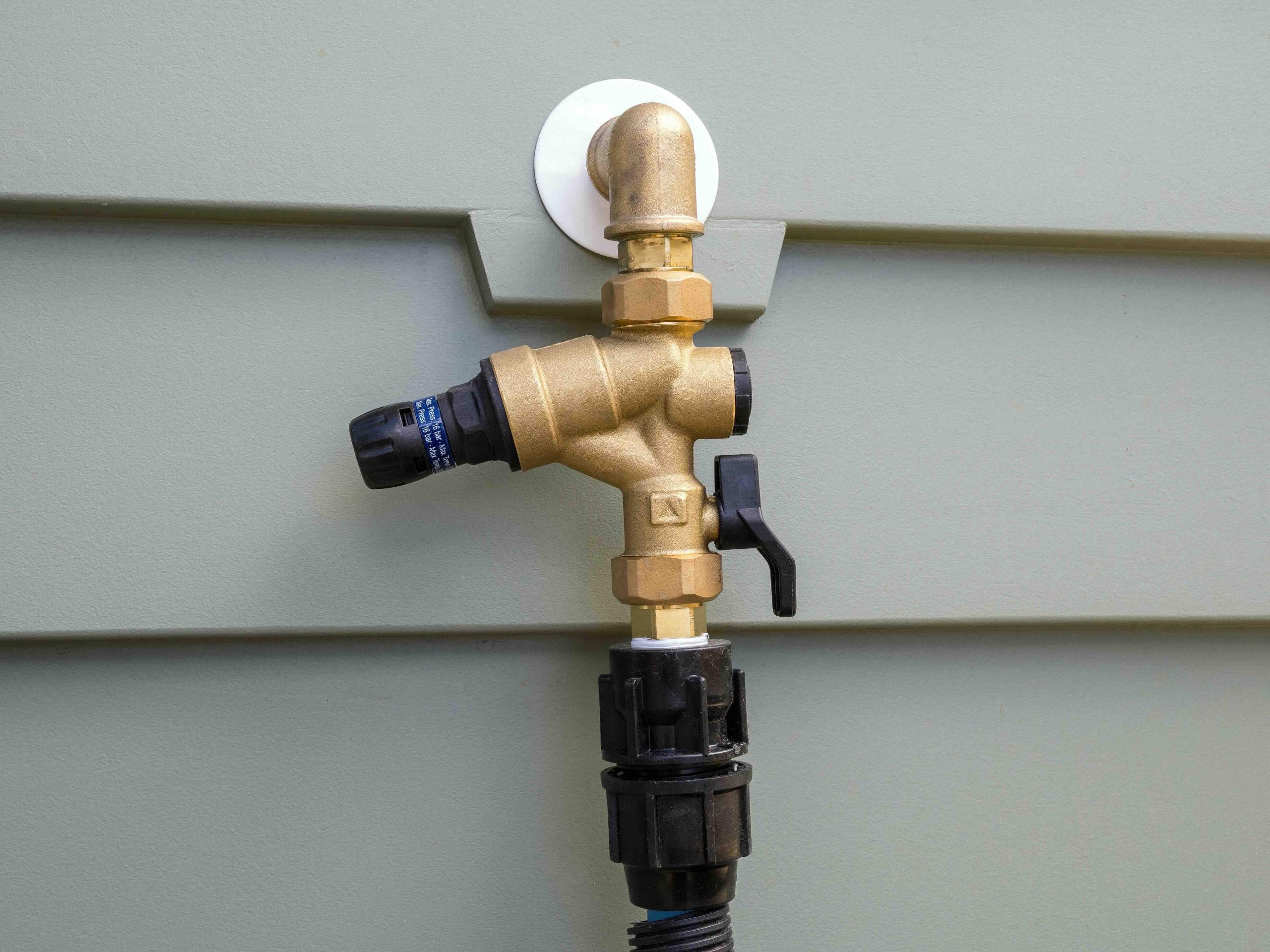
How to Turn Off Water to Your House From Outside: A Homeowner’s Complete Guide
Knowing how to shut off your home’s water supply from outside is one of those skills that sits quietly in the background until the moment it becomes absolutely critical. A burst pipe, a plumbing emergency, or even a simple repair that requires full water isolation can put you in a situation where every second counts. And if you do not know where to look or what to do, that situation gets expensive fast. This guide walks you through everything you need to know about locating and operating your exterior water shutoff, so you are never caught off guard when it matters most.
What Is the Exterior Water Shutoff and Why Does It Matter
Your home receives water from a municipal supply line or a private well that runs underground and connects to your property. Before that water reaches any of your interior pipes, fixtures, or appliances, it passes through a main shutoff point. In most homes, there are actually two shutoff options: one located inside the home, often near the water heater or utility area, and one located outside. The exterior shutoff, sometimes called the curb stop or street-side shutoff, is typically found near the street, sidewalk, or property line. It gives you or a utility worker the ability to cut water flow entirely from outside the structure. This is particularly important when interior access is not possible or when the interior shutoff fails to work properly.
Where to Find the Exterior Water Shutoff on Your Property
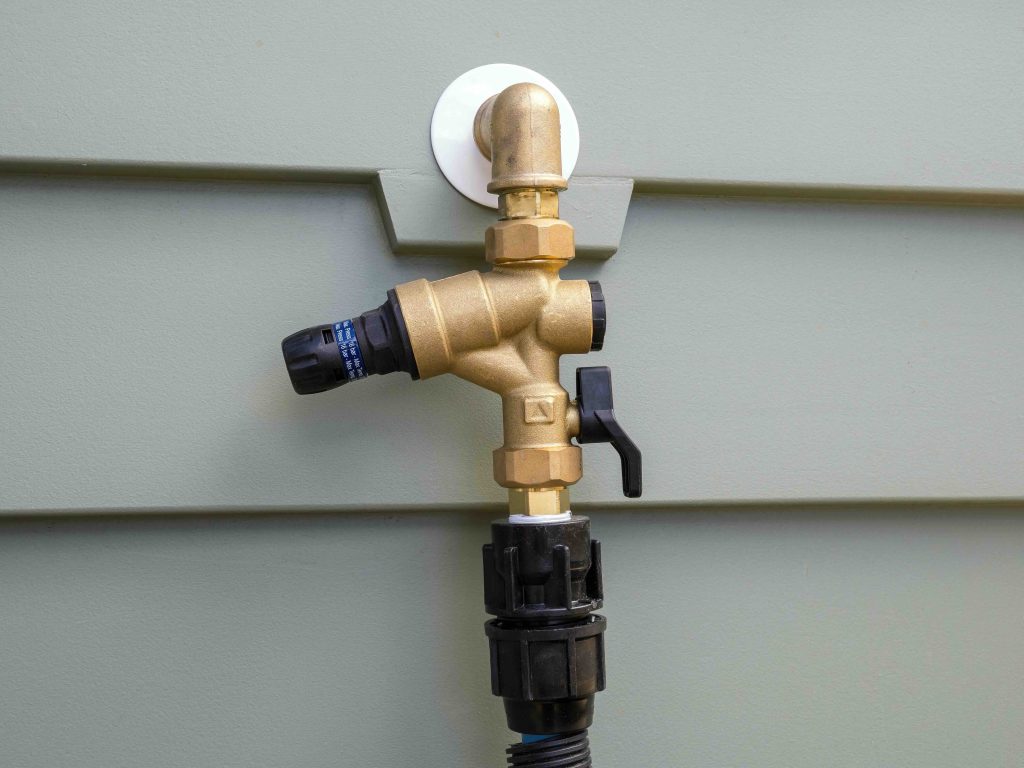
Finding this valve for the first time can feel like a bit of a scavenger hunt, but there is a general pattern to follow. Most exterior shutoffs are located in one of two places. The first is near the street or sidewalk in a small underground box, often referred to as a meter box or curb box, which sits flush with or slightly below ground level. These boxes have a lid that can usually be lifted with a flathead screwdriver or a specialized tool. The second common location is on an exterior wall of your home, usually facing the street, where the main supply line enters the structure. If your home is older or sits in a colder climate, the shutoff may be buried deeper to prevent freezing. Checking your home inspection report or asking your local water utility can help you pinpoint the exact location quickly.

How to Turn Off the Water Supply From Outside Step by Step
Once you have located the exterior shutoff, the process itself is straightforward. The type of valve you encounter will determine exactly how you turn it off. Here is what to expect depending on what you find:
- Gate valve: Requires multiple clockwise turns to close fully. These are older style valves and may require more effort.
- Ball valve: Turns a quarter turn clockwise to shut off. When the handle is perpendicular to the pipe, it is closed.
- Curb stop valve: Located in the meter box near the street and typically requires a special pentagon socket wrench or curb key to operate. This tool is inexpensive and available at most hardware stores.
Before turning anything, make sure you have identified the correct valve and understand what will be affected. Shutting off the curb stop will cut water to the entire property. Always alert anyone inside the home before shutting off the supply, especially if someone is in the middle of using water. After turning the valve, confirm the shutoff worked by checking an interior faucet.
Tools You May Need to Access the Exterior Shutoff
This is one area where being prepared makes all the difference. A standard homeowner toolkit often lacks the specific tools needed for exterior shutoff access. A curb key or water meter key is the most important item to have on hand. This long-handled tool is designed specifically to reach down into curb boxes and turn the valve inside. A flathead screwdriver is helpful for lifting the lid off a meter box. Gloves are recommended since meter boxes can contain debris, insects, or standing water. A flashlight or phone light helps if visibility is limited. Keeping these tools in an accessible location at home means you can act quickly when a plumbing emergency happens rather than scrambling at the hardware store in the middle of a crisis.
Common Issues When Trying to Shut Off Exterior Water Valves
Even with the right tools and knowledge, exterior shutoff valves can present real challenges. Age is the biggest factor. Valves that have not been operated in years can become corroded or stuck, and forcing them can cause them to break entirely. If you encounter significant resistance, stop and call a licensed plumber rather than risk damaging the valve. Meter boxes near the street may also require the water utility company to get involved, as some municipalities restrict homeowner access to the curb stop. Debris or root intrusion in the box can make access difficult. In cold climates, the ground around the box may be frozen. Being aware of these potential obstacles means you can plan ahead and avoid making a manageable situation worse.
When You Should Turn Off the Water From Outside
There are several clear situations where using the exterior shutoff is the right call. A burst pipe inside a wall or under a slab is one of the most urgent scenarios. If your interior main shutoff valve is broken, corroded, or inaccessible, the exterior valve becomes your only option. Leaving for an extended vacation is another smart use case, as shutting off the supply reduces the risk of a slow leak causing significant damage while you are away. Whole-home plumbing work or major appliance installations may also require complete water isolation. Knowing when to use this valve and when the interior shutoff is sufficient helps you respond to each situation appropriately.
The Advantages of Knowing How to Use the Exterior Water Shutoff
Understanding and being able to use your exterior shutoff carries real, practical benefits for homeowners. Water damage is consistently one of the most costly home insurance claims filed each year. The ability to stop water flow immediately can significantly limit the extent of that damage. Beyond emergency response, knowing this skill gives you a deeper familiarity with your own home systems, which translates to smarter decisions across the board. You are not dependent on waiting for a plumber to arrive before water stops flowing. You are the one in control, and that matters when damage is actively occurring.
How a Home Warranty Connects to Your Plumbing System
Once the water is off and the emergency is contained, the real question becomes what comes next in terms of repair costs. This is where a home warranty enters the picture. A home warranty is a service contract that covers the repair or replacement of major home systems and appliances when they break down due to normal wear and tear. Plumbing systems are among the most commonly covered components in a home warranty plan. That can include interior supply lines, drain lines, water heater components, and more. While a warranty does not cover physical damage from a flood event, it can protect you from the costs of repairing the plumbing failure that caused the problem in the first place.
Why Armadillo Should Be Your Home Warranty Partner for Plumbing Protection
When your plumbing fails, you need a warranty provider that moves as fast as your situation demands. Armadillo was built to make home warranty coverage straightforward, honest, and actually useful when things go wrong. If you are looking for reliable home warranty coverage that includes your plumbing system, Armadillo home warranty plans for plumbing system protection offer the kind of transparent coverage homeowners actually want to read before signing. No confusing fine print, no runaround. Just clear coverage for the systems you rely on every day. Whether you are dealing with a recurring plumbing issue or just realized you need a safety net before the next emergency, you can get a free home warranty quote to protect your plumbing and major home systems in a matter of minutes. Your home works hard. It makes sense to have a plan that works just as hard for you.

Frequently Asked Questions About Turning Off Water to Your House From Outside
Here are answers to some of the most common questions homeowners have about exterior water shutoffs.
Where is the main water shutoff located on the outside of my house?
The exterior main water shutoff is typically located either in a buried meter box near the street or sidewalk, or on an exterior wall of the home where the supply line enters. Check near the curb or property line first, then along the front foundation of your home.
What tool do I need to turn off the water at the street?
You will need a curb key, also called a water meter key or pentagon wrench. This is a long-handled tool designed to reach into the meter box and turn the curb stop valve. It is available at most hardware stores for a modest cost.
Can I turn off the water at the meter myself?
In most cases, yes. Homeowners can typically access and operate the curb stop valve in the meter box. However, some municipalities restrict access to this valve and require a utility worker to make the change. Check with your local water utility if you are unsure.
How do I know if the exterior water shutoff is fully closed?
After turning the valve, open an interior faucet and let it run briefly. If the water slows to a stop, the shutoff worked. If water continues flowing at normal pressure, the valve may not be fully closed or may not be functioning correctly.
What should I do if the exterior shutoff valve is stuck?
Do not force a stuck valve, as this can cause it to break. Apply a penetrating lubricant if possible and wait a few minutes before trying again with gentle pressure. If it remains stuck, contact a licensed plumber or your water utility company for assistance.
How is the exterior shutoff different from the interior main shutoff?
Both valves control the entire water supply to the home, but the exterior shutoff is located outside near the property line or on an exterior wall, while the interior shutoff is usually inside near the water heater, utility closet, or basement. The exterior valve is often used when the interior one is inaccessible or not working.
Should I shut off my water from outside when going on vacation?
Yes, it is a smart precaution. Shutting off the water supply before an extended trip significantly reduces the risk of a slow or sudden leak causing water damage while no one is home to respond. Even a minor leak can cause major damage over days or weeks.
Does a home warranty cover exterior water line damage?
Coverage varies by provider and plan. Many home warranties cover interior plumbing systems including supply and drain lines, but exterior water lines between the meter and the home may require a separate add-on or may not be covered. Review your specific plan terms carefully.
How often should I test my exterior water shutoff valve?
It is a good idea to test the valve once a year to make sure it is operable. Valves that go unused for long periods can seize or corrode. A quick annual check ensures you can rely on it in an emergency without discovering problems in the middle of a crisis.
Can a broken exterior shutoff valve be repaired without turning off the water?
No. Repairing or replacing a main shutoff valve requires stopping water flow first. If the exterior valve is the one that needs repair, you will need to contact your water utility to shut off the supply at the main line before any work can be done.