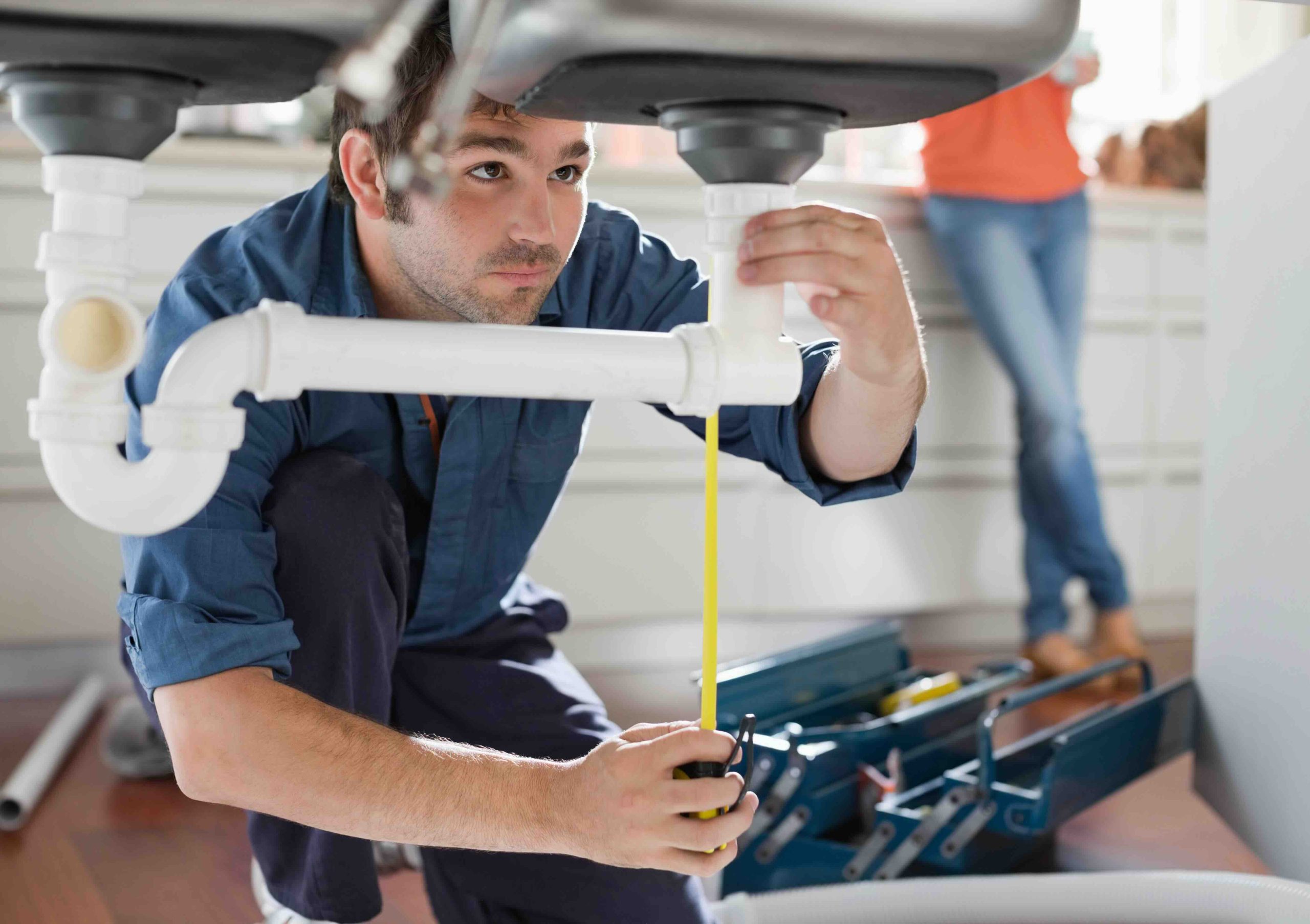
Your Kitchen Sink Plumbing Explained: What Every Homeowner Should Know
The kitchen sink gets used more than almost any other fixture in the home. Morning coffee, dinner prep, washing hands after yard work, rinsing dishes at midnight because you forgot about them. It is a workhorse. And yet, most homeowners know very little about the plumbing system running beneath it until something goes wrong. Understanding how your kitchen sink plumbing works, what a plumber actually does when they service it, and when you should call one can save you from a soggy cabinet and an unexpected bill. This guide walks through all of it in plain language.
What Is Kitchen Sink Plumbing, Really?
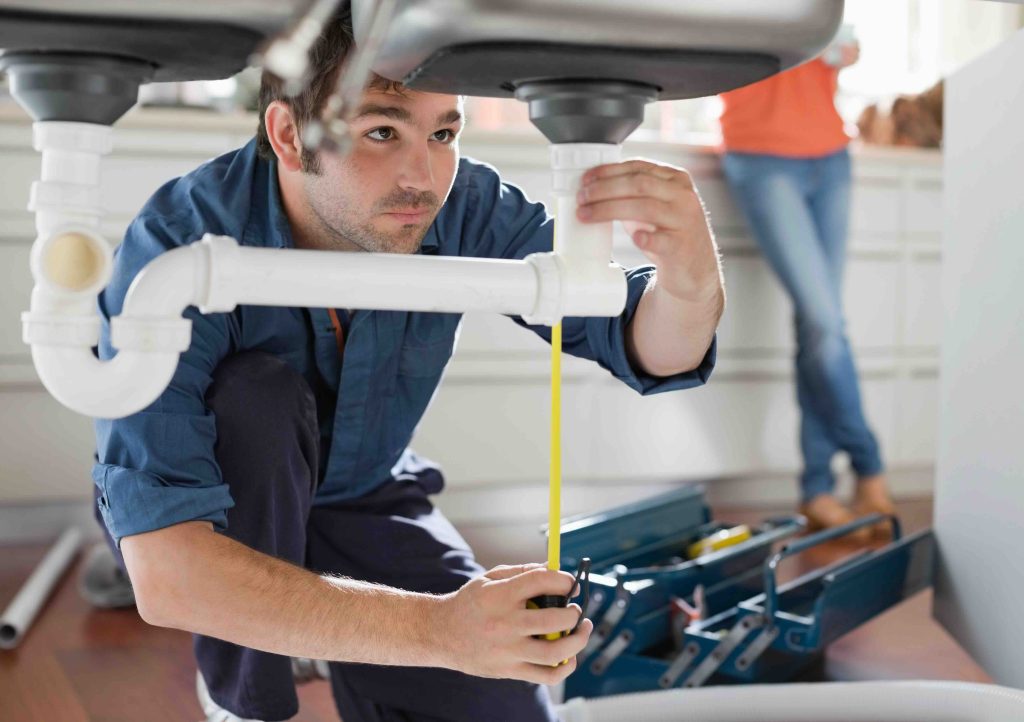
Kitchen sink plumbing refers to the network of supply lines, drain pipes, valves, and fittings that allow water to flow into and out of your kitchen sink. It sounds simple because the concept is simple. Water comes in through pressurized supply lines and exits through a drain system that relies on gravity. But what sits beneath your sink is a surprisingly organized collection of components, each with a specific function. There are hot and cold shutoff valves, flexible supply lines running up to the faucet, a P-trap (that curved pipe that prevents sewer gases from entering your home), a drain basket strainer, and often a garbage disposal connection. If you have a dishwasher, there is likely a drain line tying into the sink drain as well. Each of those components can fail, clog, or degrade over time.
Key Components a Plumber Inspects and Services
When a licensed plumber comes to work on your kitchen sink, they are not just looking at the faucet. A thorough inspection or repair visit typically covers several components at once. Here is a breakdown of what they examine and why each part matters:
- Shutoff valves: These control water supply to the faucet. Older valves corrode or seize up, making emergencies harder to manage.
- Supply lines: Braided stainless or plastic lines connect the valves to the faucet. They can burst or develop slow leaks that cause hidden water damage.
- P-trap and drain assembly: The curved pipe under the sink catches debris and blocks sewer gas. It is prone to clogs, cracks, and loose connections.
- Faucet internals: Cartridges, O-rings, and seats wear out over time and cause dripping or reduced water pressure.
- Garbage disposal connection: If a disposal is installed, the drain outlet and reset mechanism are part of the plumber’s inspection area.
- Dishwasher drain line: This connects to either the disposal or the drain basket, and a poorly routed or clogged line can cause backflow into the dishwasher.
How Kitchen Sink Plumbing Works Step by Step
Water enters your home from the municipal supply or a well and travels through a main line. That line branches off throughout the house, with dedicated lines feeding the kitchen. Beneath the sink, hot and cold supply lines connect to shutoff valves, which then run up through the deck to the faucet body above. When you turn the handle, an internal cartridge or ball valve opens and mixes hot and cold water to your preferred temperature. The water flows through the spout, into the basin, and then exits through the drain strainer at the bottom of the sink. From there it passes through the drain tailpiece, into the P-trap where a small amount of water stays permanently to block sewer gas, and then out through the drain arm that connects to the wall or floor drain. Gravity handles everything from there, pulling wastewater down through your home’s drain, waste, and vent system and out to the sewer or septic tank.

Common Kitchen Sink Plumbing Problems Homeowners Face
If you spend any time in your kitchen, you have probably dealt with at least one of these issues. Slow drains are among the most frequent complaints and usually result from grease, soap residue, and food particles accumulating inside the P-trap or drain arm. A dripping faucet is another classic, and while it seems minor, a faucet dripping once per second can waste thousands of gallons of water annually. Leaks under the sink are often traced back to loose drain connections, deteriorated supply line fittings, or a cracked P-trap. Low water pressure at the kitchen faucet can point to a clogged aerator, a failing cartridge, or a partially closed shutoff valve. Foul odors coming from the drain indicate either a dry P-trap, buildup in the drain line, or a venting issue. Each of these problems is manageable, but each also requires a different fix. Throwing a generic drain cleaner at the problem does not always solve it and can sometimes damage pipe materials.
Advantages of Professional Kitchen Sink Plumbing Service
There is a reason licensed plumbers exist. While a homeowner can handle minor tasks like replacing an aerator or tightening a slip joint nut, most kitchen sink plumbing work benefits from professional attention. A licensed plumber brings diagnostic experience, the right tools, and knowledge of local building codes. They can identify a slow leak before it becomes water damage behind your cabinets. They know which replacement parts are rated for your pipe material. They also carry liability coverage, which matters if something goes wrong during a repair. Beyond that, professional work is often required for permit-related projects or when modifications to drain or supply lines are involved. For a homeowner who does not want to spend a Saturday under a sink wondering if they connected the P-trap correctly, a plumber is simply the smarter call.
Drawbacks and Honest Considerations
Plumbing service is not free, and kitchen sink repairs can range from modest to surprisingly expensive depending on what is needed. A simple faucet cartridge replacement might cost under two hundred dollars with labor. A full under-sink overhaul involving new supply lines, a replacement P-trap assembly, and a new drain basket can run considerably higher. Emergency calls, meaning nights and weekends, come with premium pricing. There is also the reality that older homes sometimes reveal cascading problems once a plumber starts working. What looks like a P-trap clog might expose corroded galvanized pipe farther down the line. That is not the plumber’s fault, but it does mean the original quote can grow. Homeowners need to budget with some flexibility and ask upfront about what additional issues might surface during a repair visit.
Practical Maintenance Tips to Avoid Costly Repairs
Preventive care goes a long way with kitchen sink plumbing. A few consistent habits can extend the life of your drain system and reduce how often a plumber needs to visit. Running hot water for thirty seconds before and after using the garbage disposal helps flush grease through the pipes. Avoid pouring cooking oil or fats down the drain entirely since they solidify and create stubborn clogs. Use a mesh strainer in the drain basket to catch food particles before they reach the P-trap. Check under the sink periodically for moisture, discoloration on the cabinet floor, or rust around the supply line connections. Test your shutoff valves once a year by closing and reopening them to confirm they are not seized. These are small habits, but they compound into real savings over the life of your home.
When to Call a Plumber Versus Handling It Yourself
Knowing the line between a DIY task and a professional job is genuinely useful. Replacing a faucet aerator, tightening a loose P-trap connection, or swapping out a supply line are generally within reach for a handy homeowner with basic tools. But if you notice water damage inside the cabinet, hear gurgling sounds from the drain after using the sink, experience recurring clogs that do not clear with standard methods, or have any leak near an electrical outlet or appliance connection, call a plumber promptly. Plumbing problems tend to escalate quietly, and what seems manageable today can turn into subfloor damage or mold growth within weeks if left unaddressed.
Why Armadillo Home Warranty Makes Sense for Kitchen Plumbing Coverage
Kitchen sink plumbing failures do not wait for a convenient moment. A burst supply line on a Tuesday evening or a seized shutoff valve discovered mid-renovation is exactly the kind of unexpected expense that catches homeowners off guard. That is where a home warranty earns its value. Armadillo offers straightforward, homeowner-focused coverage designed to address exactly these situations. If your kitchen plumbing components fail due to normal wear and use, Armadillo helps coordinate qualified service and covers the cost so you are not absorbing the full financial hit alone. For homeowners who want to understand what is actually covered before committing, Armadillo home warranty plans for kitchen plumbing systems lay out coverage in clear, no-jargon language. And if you are ready to see what protection looks like for your specific home, you can get a free kitchen plumbing home warranty quote from Armadillo in just a few minutes. Protecting a system you rely on every single day is not overcautious. It is just smart homeownership.

Frequently Asked Questions About Kitchen Sink Plumbing
Here are answers to the questions homeowners ask most often about kitchen sink plumbing, service, and maintenance.
What causes a kitchen sink to drain slowly?
Slow drains are most commonly caused by a buildup of grease, soap scum, and food debris inside the P-trap or drain arm. Over time these materials accumulate and restrict water flow. A plumber can remove the P-trap for cleaning or snake the drain line to clear deeper blockages.
How long does kitchen sink plumbing typically last?
Copper supply lines and drain pipes can last 50 years or more with proper maintenance. PVC drain components typically last 25 to 40 years. Faucets and cartridges have a shorter lifespan, usually 10 to 20 years depending on water quality and usage frequency.
Is a dripping kitchen faucet a plumbing emergency?
A dripping faucet is not an emergency, but it should not be ignored. A faucet that drips once per second wastes roughly 3,000 gallons of water per year. The fix is usually a cartridge or O-ring replacement and is relatively inexpensive when addressed promptly.
What is the P-trap under the kitchen sink and why is it important?
The P-trap is the curved pipe section beneath your sink drain. It holds a small amount of standing water that acts as a seal, preventing sewer gases from traveling back up through the drain and into your home. It also catches small objects that fall down the drain before they reach the main line.
Can I replace my kitchen faucet without a plumber?
Many homeowners with basic mechanical aptitude can replace a kitchen faucet on their own. However, if the shutoff valves beneath the sink are corroded or difficult to close, or if you notice pipe damage during the process, calling a licensed plumber is the safer choice to avoid creating a larger problem.
Why does my kitchen sink smell bad even after cleaning it?
Persistent odors from a kitchen sink usually indicate one of three things: organic buildup inside the drain line or garbage disposal, a dry P-trap that is no longer blocking sewer gases, or a venting issue in the drain system. A plumber can diagnose the source and recommend the appropriate fix.
What should I do if water is leaking under my kitchen sink?
First, place a container under the leak and turn off the shutoff valves beneath the sink to stop the water flow. Then identify whether the source is a supply line, a drain connection, or the faucet base. Minor loose connections can sometimes be hand-tightened, but persistent or unidentifiable leaks warrant a professional plumbing inspection.
Does a home warranty cover kitchen sink plumbing repairs?
Many home warranty plans cover kitchen plumbing components including faucets, supply lines, drain lines, and shutoff valves when failure results from normal wear and use. Coverage specifics vary by provider and plan, so reviewing the terms before a problem occurs is always recommended.
How often should kitchen sink plumbing be professionally inspected?
A professional plumbing inspection every two to three years is a reasonable cadence for most homes. Older homes with galvanized or cast iron pipe may benefit from more frequent checks. Any time you notice reduced water pressure, recurring clogs, or unexplained moisture under the sink, schedule an inspection sooner.
What is the average cost to have a plumber service a kitchen sink?
Costs vary widely based on location, the scope of work, and whether the visit is during standard or emergency hours. Minor repairs like faucet cartridge replacement or P-trap cleaning can range from one hundred to three hundred dollars. More involved work such as replacing supply lines, drain assemblies, or garbage disposals can run from three hundred to eight hundred dollars or more with labor included.