What Is a Furnace Tune-Up and Why Does It Matter?
A furnace tune-up is a scheduled maintenance service performed by an HVAC technician to inspect, clean, and adjust your heating system before or during the season when you need it most. Think of it like an oil change for your car, except this one keeps your home warm when temperatures drop and your heating bill from climbing through the roof. The process covers everything from checking the heat exchanger and testing the ignition system to cleaning the burners and verifying that safety controls are functioning correctly. It is not glamorous work, but it is absolutely essential if you want your furnace to do its job reliably year after year.
How a Furnace Tune-Up Actually Works
When a technician arrives for a tune-up, they are not just giving your furnace a quick once-over. The process is methodical and covers multiple components in a specific order. The technician will start by inspecting the heat exchanger for cracks, which is one of the most critical checks because a cracked heat exchanger can allow carbon monoxide to leak into your living space. From there, they move through a checklist that typically includes testing the thermostat calibration, inspecting the blower motor and belt, checking the flue for proper venting, lubricating moving parts, and testing the system’s overall efficiency. By the time they are done, you should have a clear picture of your furnace’s current health and any concerns that might need attention soon.
Key Benefits of Annual Furnace Maintenance
The case for annual furnace maintenance is straightforward, and once you understand what is at stake, it is hard to argue against it. Here are the core advantages homeowners gain from keeping up with this service:
- Improved energy efficiency, which translates directly to lower monthly heating bills
- Extended equipment lifespan, often adding several years to a furnace that might otherwise fail prematurely
- Early detection of small issues before they become expensive repairs
- Safer operation, particularly when it comes to gas furnaces where combustion problems pose real risks
- Maintained manufacturer warranty validity, since many warranties require documented annual maintenance
- Better indoor air quality as a result of clean filters and properly functioning components
The efficiency gains alone tend to offset the cost of the tune-up within a single heating season for most households. When your furnace runs cleaner and tighter, it simply does not have to work as hard to reach your target temperature.
Common Drawbacks and Limitations to Know
A furnace tune-up is not a repair service, and that distinction matters. The technician will flag problems and clean components, but they are not there to replace a failing heat exchanger or swap out a cracked inducer motor unless that is specifically arranged ahead of time. Some homeowners walk away from a tune-up with a list of recommended repairs and feel like the service created problems rather than solved them. That is not really the case, since the technician simply uncovered existing issues, but it can still feel that way. Additionally, the quality of a tune-up varies considerably between providers. A thorough technician working for a reputable company will cover dozens of checkpoints, while a less experienced tech rushing through appointments might miss critical items. It pays to ask what is specifically included before scheduling.

When Should You Schedule a Furnace Tune-Up?
Timing matters more than most people realize. The ideal window for a furnace tune-up is late summer or early fall, before the heating season kicks in and HVAC technicians get slammed with emergency calls. Scheduling in September or October gives you the best chance of getting an appointment that fits your schedule and ensures your system is ready before the first cold snap arrives. That said, if you missed the window, getting a tune-up done in the middle of winter is still far better than skipping it entirely. If your furnace is already running and you notice unusual noises, uneven heating, or a spike in your energy bill, those are signs a tune-up, or possibly a repair, is overdue.
What to Expect in Terms of Cost
Furnace tune-up pricing varies by region, provider, and what is included in the service, but most homeowners pay somewhere between $80 and $150 for a standard visit. Some HVAC companies offer seasonal maintenance agreements that bundle two visits per year, covering both the furnace in the fall and the air conditioning in the spring, often at a reduced combined rate. These agreements can be a smart investment if your equipment is aging or if you simply want the peace of mind that comes with scheduled professional attention. Be cautious of extremely low prices advertised as loss leaders, since some companies use discounted tune-ups as an opportunity to upsell unnecessary parts or services.
DIY Furnace Maintenance Tasks You Can Tackle Yourself
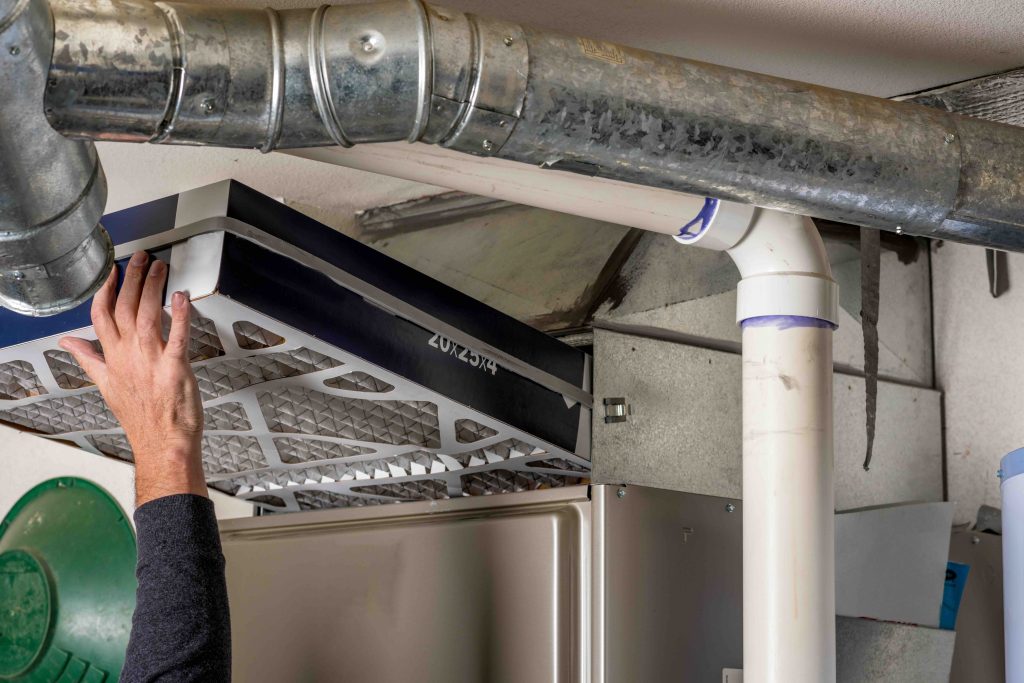
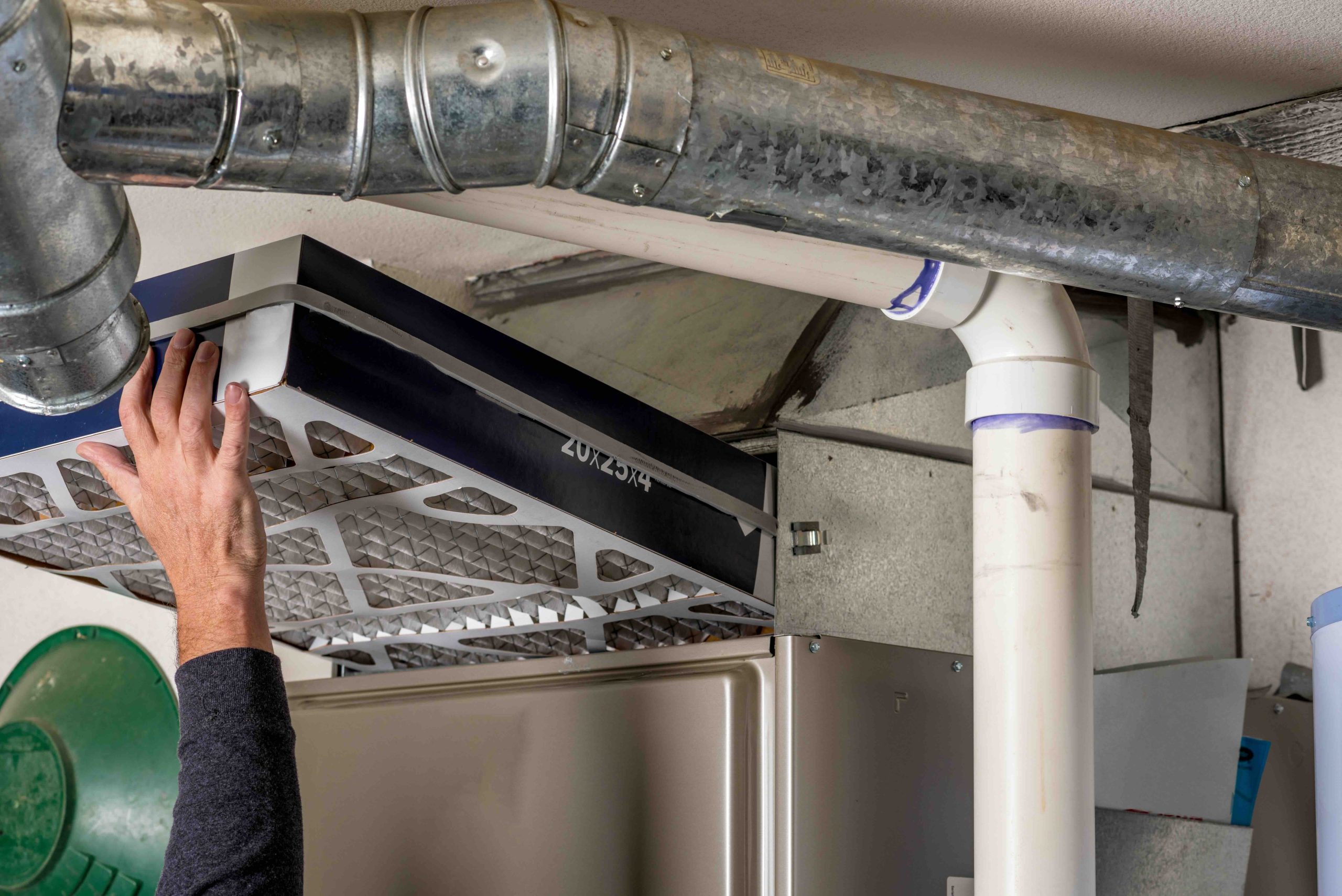
Not everything requires a professional, and there are a handful of maintenance tasks any homeowner can handle between annual tune-ups. Replacing the air filter is the most impactful, and it should be done every one to three months depending on your household’s dust levels and whether you have pets. Keeping the area around your furnace clear of stored items, debris, and flammable materials is also important for both safety and airflow. You can visually inspect the venting pipes for obvious obstructions or disconnections, and you should test your carbon monoxide detectors regularly, particularly if you have a gas furnace. These small habits, stacked on top of a professional annual tune-up, significantly improve your furnace’s performance and your household’s safety.
How Furnace Tune-Ups Connect to Your Home Warranty Coverage
This is where things get really practical. Most home warranty plans cover furnace repairs and replacement when the system fails due to normal wear and tear. However, coverage can be denied if the failure is attributed to neglected maintenance. Insurance and warranty contracts are written with the assumption that homeowners are taking reasonable care of their systems, and a furnace that has never been serviced does not exactly meet that standard. Keeping records of your annual tune-ups, including service receipts and technician notes, gives you documentation to support a warranty claim if something goes wrong. It is the kind of paperwork that feels unnecessary right up until the moment you absolutely need it.
Signs Your Furnace Needs More Than Just a Tune-Up
Sometimes a tune-up surfaces issues that go beyond routine maintenance, and it is worth knowing what those warning signs look like before a technician walks through your door. Age is one of the clearest indicators. Most furnaces have a functional lifespan of 15 to 20 years, and a unit approaching that range may be better served by replacement than repeated repairs. Other red flags include a yellow or flickering pilot light instead of a steady blue flame, frequent cycling where the system turns on and off repeatedly, inconsistent heat distribution across rooms, and a noticeable increase in heating costs without a corresponding change in usage habits. A technician can help you weigh the repair versus replace decision, but going in with some baseline knowledge puts you in a much stronger position.

Why Armadillo Is the Right Partner for Your Home Heating Coverage
Taking care of your furnace through annual tune-ups is the smart play, but even the most diligently maintained system can fail unexpectedly. That is exactly the kind of situation a solid home warranty is designed to handle. Armadillo offers straightforward, honest coverage built around the real needs of homeowners, not the fine print loopholes that leave you paying out of pocket when your furnace quits on the coldest night of the year. If you are serious about protecting your home’s heating system, explore Armadillo’s home warranty plans for furnace and HVAC coverage to see exactly what is included and how claims actually work. When you are ready to stop guessing about what repairs might cost and start budgeting with confidence, you can get a free furnace home warranty quote tailored to your home in just a few minutes. Coverage that backs up your maintenance habits is the kind of protection that actually makes sense.
Frequently Asked Questions About Furnace Tune-Ups
How often should a furnace be tuned up?
Most HVAC professionals recommend scheduling a furnace tune-up once per year, ideally in late summer or early fall before the heating season begins. Annual service keeps the system running efficiently and helps catch developing issues before they become costly failures.
What is typically included in a furnace tune-up?
A standard furnace tune-up includes inspecting the heat exchanger, cleaning the burners, checking the ignition system, testing safety controls, lubricating moving parts, verifying thermostat calibration, inspecting the flue, and assessing overall system efficiency. The specific checklist can vary by provider.
How long does a furnace tune-up take?
Most tune-ups take between one and two hours. More thorough inspections or older systems with additional components to check may take slightly longer. If the technician identifies issues requiring repair, additional time or a follow-up visit may be needed.
Does a furnace tune-up help lower my energy bill?
Yes. A properly cleaned and adjusted furnace operates more efficiently, meaning it uses less fuel to produce the same amount of heat. Many homeowners see a noticeable reduction in their monthly heating costs following a professional tune-up.
Can I do a furnace tune-up myself?
Homeowners can handle basic tasks like replacing air filters, clearing debris from around the unit, and visually inspecting accessible components. However, a full professional tune-up requires specialized tools and technical knowledge, particularly for safely inspecting the heat exchanger, burners, and gas connections.
Does skipping a furnace tune-up void my home warranty?
It can. Many home warranty agreements include language that excludes coverage for failures resulting from improper or neglected maintenance. Keeping dated service records from annual tune-ups protects your ability to file a successful claim if your furnace breaks down.
What is the difference between a furnace tune-up and a furnace repair?
A tune-up is preventive maintenance performed on a functioning system to keep it running well. A repair addresses a specific component failure or malfunction. A tune-up may identify issues that lead to a repair recommendation, but the two services are billed and performed separately.
How much does a furnace tune-up cost on average?
Most furnace tune-ups fall in the range of $80 to $150, though prices vary based on your location, the provider, and what is included in the service. Annual maintenance agreements that bundle heating and cooling visits often offer a lower per-visit cost.
How do I know if my furnace needs a tune-up or a full replacement?
If your furnace is under 15 years old and has been reasonably maintained, a tune-up is usually the right starting point. Furnaces over 15 to 20 years old that are experiencing recurring problems or significant efficiency loss are often better candidates for replacement, especially when repair costs approach or exceed half the price of a new unit.
Is a furnace tune-up worth it for an older furnace?
Generally yes, even for aging systems, because a tune-up can help the furnace run more safely and efficiently for however long it remains in service. However, a technician may also use the visit to give you an honest assessment of whether the system is nearing the end of its useful life and help you plan for replacement accordingly.