Why Does My Circuit Breaker Keep Tripping for No Reason?
You flip the breaker back on. It holds for a few hours, maybe less, and then it trips again. It feels random, almost like the house is messing with you. But here is the thing: breakers almost never trip without a reason. The reason just is not always obvious from where you are standing. Understanding what is actually going on inside your electrical panel can save you money, frustration, and in some cases, a serious safety hazard. This guide breaks it all down in plain terms so you know exactly what to look for, when to call a professional, and how your home warranty factors into the equation.
What a Circuit Breaker Actually Does
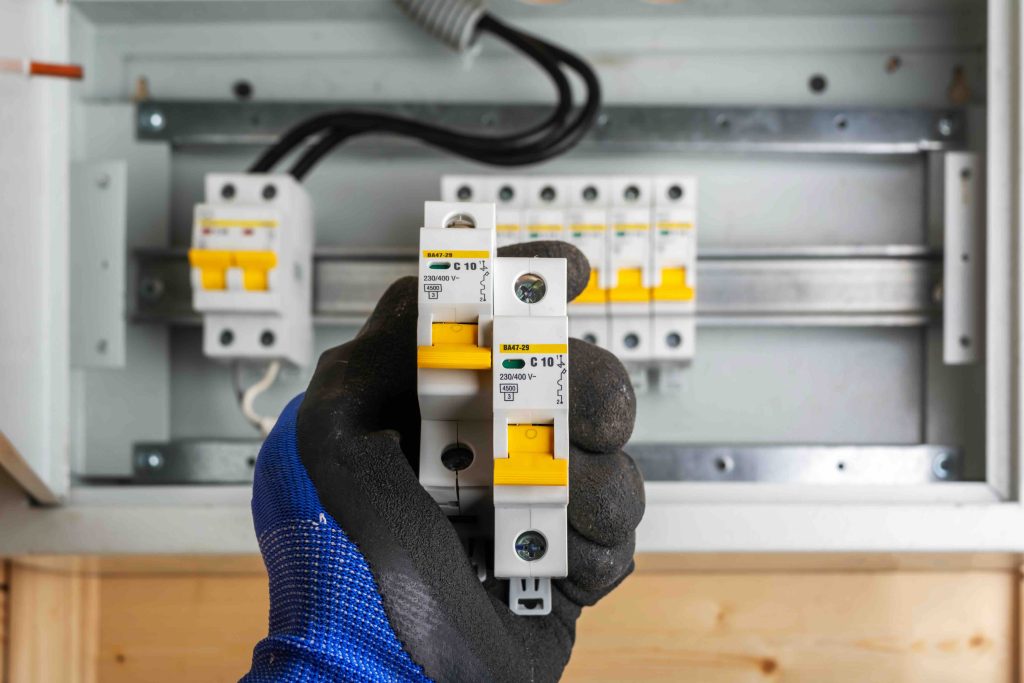
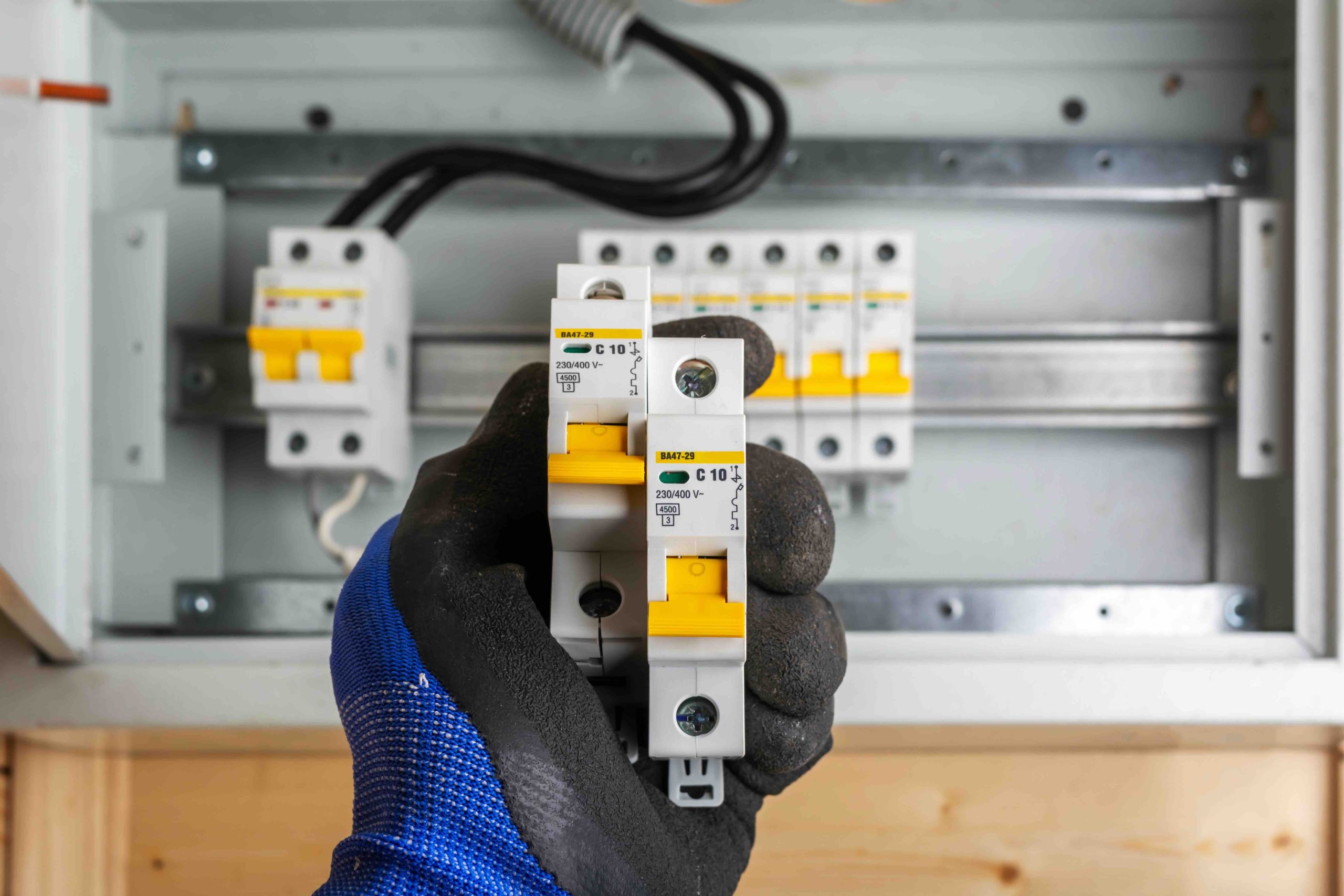
A circuit breaker is a safety switch. Its entire job is to interrupt the flow of electricity when something goes wrong on a circuit. Think of it as a self-resetting fuse built right into your electrical panel. When too much current flows through the wires, the breaker detects it and shuts the circuit off before anything can overheat or ignite. Every breaker in your panel is rated for a specific amperage, typically 15 or 20 amps for standard household circuits, and anything that pushes past that threshold causes the breaker to trip. Simple concept. The complications come from why the threshold is being exceeded in the first place.
The Three Most Common Causes of Breaker Trips
Most nuisance tripping, which is the industry term for a breaker that appears to trip without cause, falls into one of three categories. Each one is worth understanding before you assume the worst.
- Overloaded circuit: Too many devices drawing power from a single circuit at the same time. This is the most common cause and the easiest to fix by redistributing your electrical load.
- Short circuit: A hot wire comes into contact with a neutral wire, causing a sudden spike in current. This one is more serious and usually produces a noticeable pop or burning smell.
- Ground fault: Similar to a short circuit, but here a hot wire contacts a ground wire or a grounded surface. Ground fault circuit interrupter outlets, the ones with the test and reset buttons, are designed to catch this before the breaker does.
When It Actually Might Be the Breaker Itself
Breakers wear out. That is a fact that most homeowners do not think about until something goes wrong. A breaker that trips repeatedly under normal load conditions, especially if it is older, may simply be faulty. Internal components degrade over time, and a worn breaker can trip at lower amperage thresholds than it is rated for. If you have ruled out overloading and there are no visible signs of a short or ground fault, the breaker itself is a legitimate suspect. A licensed electrician can test it quickly, and replacement is usually straightforward. The deeper concern is whether the repeated tripping has caused any heat damage to the panel wiring around the breaker.
Appliances That Are Notorious for Tripping Breakers
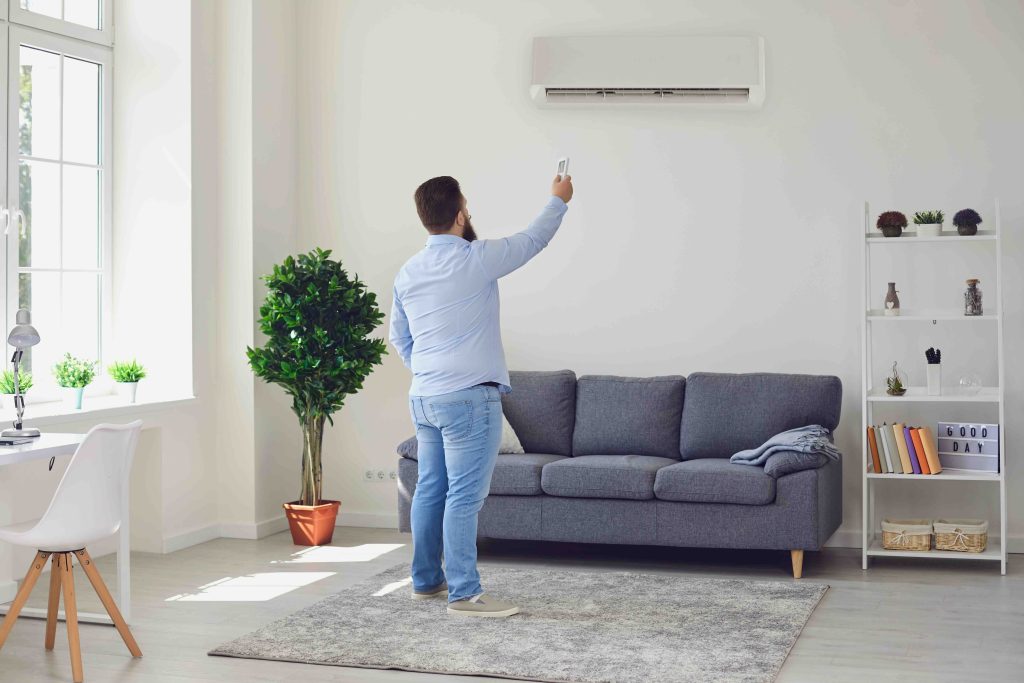
Some appliances are harder on your electrical system than others. High-draw items that cycle on and off, or that require a surge of power at startup, are frequent contributors to breaker trips. Air conditioners, refrigerators, washing machines, and dishwashers all fall into this category. When a compressor motor kicks on, for example, it can momentarily draw two to three times its running amperage. If that circuit is already near capacity, the breaker will not hold. This is also why breaker issues tend to cluster during summer months when cooling systems are working hardest. It is not the appliance failing necessarily. It is the circuit being asked to do more than it was designed for.
Signs Your Electrical Panel Needs a Closer Look
A single breaker tripping once is not necessarily cause for alarm. A breaker that trips repeatedly, or multiple breakers tripping around the same time, is a different story. There are specific warning signs that should prompt you to contact a licensed electrician sooner rather than later. Burning odors near the panel, scorch marks or discoloration on outlets, flickering lights that are not related to bulb issues, and a breaker that feels warm to the touch are all indicators that something more serious is developing. Electrical panels that are over 25 years old also warrant a professional inspection regardless of whether you are experiencing visible problems.
What Homeowners Can Safely Do Themselves
There is a reasonable list of things you can do on your own without touching anything inside the panel. Start by identifying what was running at the moment the breaker tripped. Unplug or turn off some of those devices before resetting the breaker. If it holds, you have likely found an overloaded circuit. You can also test individual appliances by running them on their own to see if one specific device is the trigger. Beyond that, the work belongs to a professional. Opening your electrical panel without proper training and tools is genuinely dangerous. Even with the main breaker off, certain components inside the panel remain energized and can cause serious injury.
How Home Warranties Factor Into Electrical Problems
This is where things get interesting for homeowners who have a home warranty in place. Electrical system components, including internal wiring, circuit breakers, and panels, are commonly covered under home warranty plans. If your breaker is failing due to normal wear and not due to a pre-existing condition or external damage, a home warranty can significantly reduce or eliminate your out-of-pocket repair cost. The key is knowing what your specific plan covers and understanding the difference between a component failure and an installation issue. Coverage terms vary by provider, so reading your contract carefully matters more than most people realize.
Advantages and Limitations Worth Knowing
Home warranty coverage for electrical systems gives you real financial protection, but it does have limits worth understanding upfront.
- What is typically covered: Failed breakers, internal wiring defects, electrical panel repairs due to normal wear and tear.
- What is typically not covered: Code upgrades required during repair, damage from power surges or storms, cosmetic issues, or problems stemming from improper installation.
- Practical advantage: When a licensed technician is dispatched through your warranty, the diagnostic fee is usually a flat service call charge, which is far less than standard electrician rates.
- Key limitation: Some older homes with outdated panels may face exclusions, particularly if the panel brand has known safety issues. Disclosure matters at the time of coverage purchase.
Why Armadillo Is the Right Home Warranty Partner for Electrical Coverage
When your breaker is tripping and you are not sure whether you are looking at a minor nuisance or a developing electrical hazard, the last thing you want is to navigate a complicated claims process on top of everything else. That is where Armadillo home warranty coverage for electrical systems and appliances genuinely stands out. Armadillo is built around transparency, straightforward contracts, and real responsiveness when something goes wrong in your home. No buried exclusions, no runaround. Just clear coverage that works the way you expect it to. If you are not already protected and your home is dealing with recurring electrical issues or aging systems, now is a practical time to explore your options. You can get a free home warranty quote for circuit breaker and electrical system protection in minutes and see exactly what a plan would cover before committing to anything.

Frequently Asked Questions About Breakers Tripping
These are the questions homeowners ask most often when dealing with a circuit breaker that keeps tripping unexpectedly.
Why does my breaker trip but then reset without any issue?
This typically points to a temporary overload rather than a wiring fault. When the load drops, the breaker resets normally. If it happens repeatedly, redistributing the load on that circuit or having an electrician evaluate it is the right next step.
Is it safe to keep resetting a tripping breaker?
Resetting once or twice to diagnose the problem is reasonable. Repeatedly resetting a breaker without identifying the cause is not safe. Continuous tripping can indicate a serious fault that could lead to overheating or fire.
Can a bad appliance cause a breaker to trip?
Yes. A failing appliance motor, a damaged power cord, or an internal short within an appliance can absolutely trip a breaker. Test by unplugging the suspected appliance and seeing whether the breaker holds under normal conditions.
How long do circuit breakers last?
Most circuit breakers are rated for 30 to 40 years under normal conditions, but repeated tripping, heat exposure, and general electrical stress can shorten that lifespan considerably. Breakers in older panels may warrant testing even if they appear functional.
Does a home warranty cover a tripped or failed circuit breaker?
Many home warranty plans do cover circuit breakers and electrical panels when failure is due to normal wear and tear. Coverage specifics vary by provider and plan, so reviewing your contract or speaking with your warranty company is the most reliable way to confirm.
What is the difference between a tripped breaker and a blown fuse?
A tripped breaker can be reset by switching it back to the on position. A blown fuse requires physical replacement. Modern homes use breakers, while older homes may still have fuse boxes. Both serve the same fundamental protective function.
Should I upgrade my electrical panel if my breakers keep tripping?
Not necessarily, but it depends on the cause. If your panel is outdated, undersized for your current electrical load, or contains breakers with known defects, upgrading may be the most practical long-term solution. An electrician can assess whether your panel is the actual problem.
What causes a breaker to trip in the middle of the night with nothing running?
Appliances that cycle automatically, such as refrigerators, HVAC systems, and water heaters, continue operating while you sleep. A compressor cycling on during low-load hours can still trip an already stressed circuit. It can also indicate a developing ground fault in the wiring itself.
Can weather or temperature affect circuit breakers?
Extreme heat can cause breakers to trip at lower thresholds than their rated capacity because heat affects the internal thermal components. Panels installed in unconditioned spaces such as garages or utility rooms are particularly susceptible to temperature-related nuisance tripping.
When is a tripping breaker considered an emergency?
If the breaker will not reset at all, if you notice burning smells or scorch marks near the panel, or if multiple breakers trip simultaneously, treat it as an emergency and contact a licensed electrician immediately. Do not attempt to force a breaker that will not hold.