What Is an Overhead Light Fixture and Why Does It Matter in Your Home?
An overhead light fixture is exactly what it sounds like: a lighting unit mounted to your ceiling that illuminates a room from above. Simple enough concept, right? But there is actually a lot going on behind that cover plate and glass globe. These fixtures are hardwired directly into your home’s electrical system, which makes them fundamentally different from a lamp you plug into a wall outlet. They are a permanent part of your home’s infrastructure, and understanding how they work can save you time, money, and a few headaches down the line. Whether you are replacing an old unit, upgrading to something more modern, or just curious about what is happening inside your ceiling, this guide covers the full picture.
How Overhead Light Fixtures Are Wired Into Your Home
Wiring an overhead light fixture involves connecting the fixture to a circuit that runs through your home’s electrical panel. The circuit typically carries 120 volts of alternating current. Inside your ceiling, you will find a junction box, which is essentially a protective housing where electrical connections are made. From that box, three wires typically emerge: a black wire carrying the live current, a white wire serving as the neutral return path, and a bare copper or green wire that acts as the ground. When an electrician or a confident DIYer wires a fixture, those wires are matched and connected accordingly. The ground wire is particularly important because it provides a safe path for electrical current in the event of a fault, protecting both the fixture and the people in the home from electrical shock. If your home was built before the 1960s, the wiring situation might be a bit more complicated, since older homes sometimes lack proper grounding or use outdated wiring materials like aluminum or knob-and-tube.
Types of Overhead Light Fixtures You Will Encounter
Not all ceiling fixtures are created equal, and the variety on the market today is honestly impressive. Here is a quick breakdown of the most common types homeowners deal with:
- Flush mount fixtures: Sit flat against the ceiling, ideal for rooms with lower ceilings
- Semi-flush mount fixtures: Hang slightly below the ceiling on a short stem, offering a bit more visual presence
- Chandeliers: Decorative multi-light fixtures that hang from a chain or rod, often used in dining rooms or entryways
- Recessed lighting: Installed inside the ceiling cavity, creating a clean, modern look with minimal visual bulk
- Track lighting: A series of adjustable fixtures mounted on a linear track, useful for directing light to specific areas
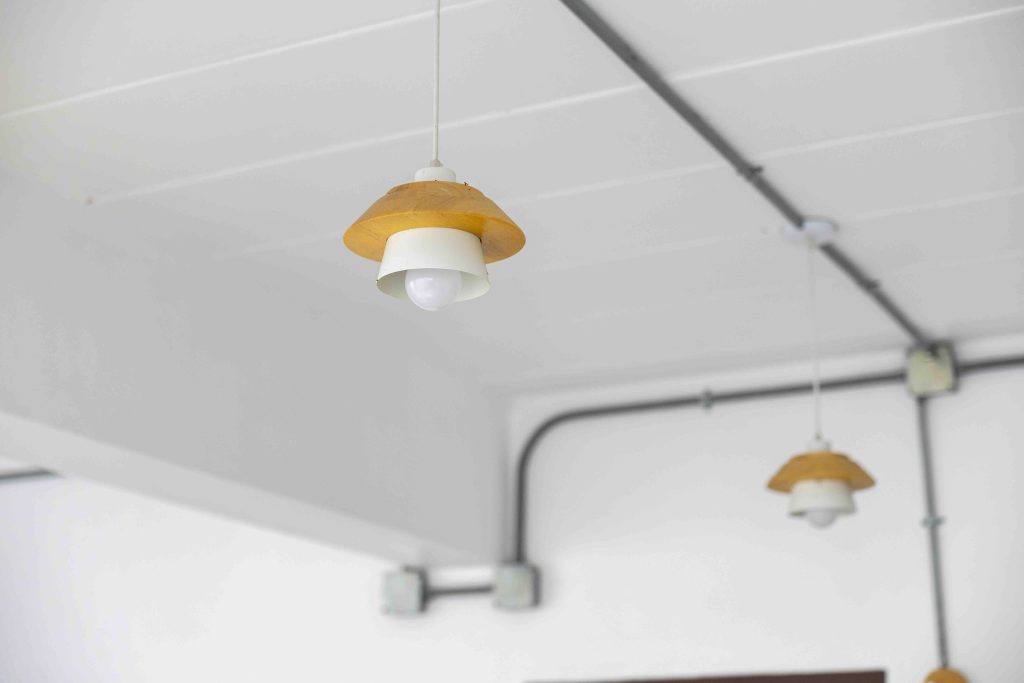
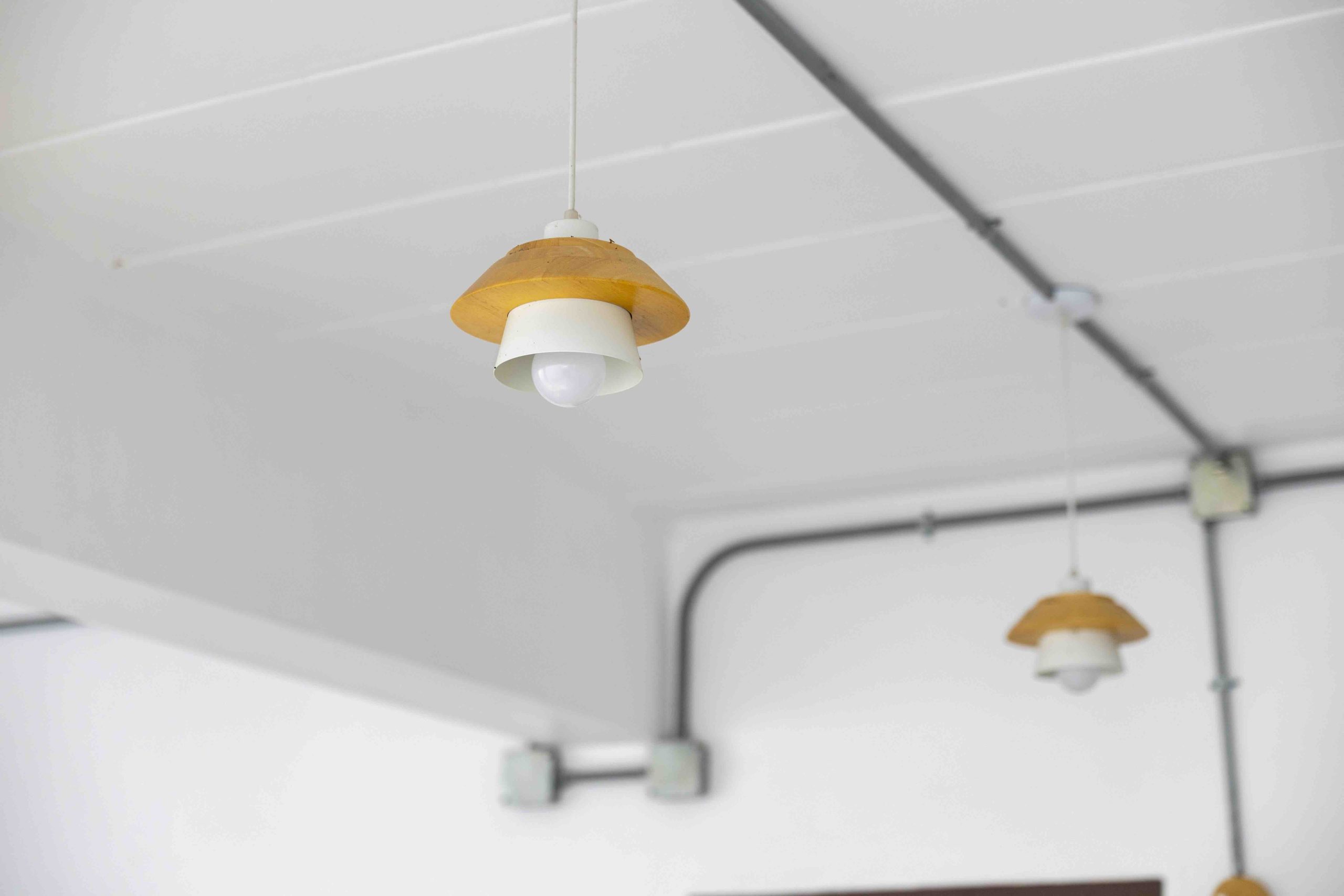
- Pendant lights: Single hanging fixtures typically used over kitchen islands or in smaller spaces
Each type has different wiring requirements, weight considerations, and installation complexity. Chandeliers, for instance, may require a ceiling fan brace or reinforced junction box due to their weight.
The Key Advantages of Hardwired Overhead Lighting
There are some genuinely solid reasons why overhead lighting remains a staple in residential design. First, hardwired fixtures eliminate the clutter of extension cords and floor lamps, which is a clean, practical win for any room. They also distribute light more evenly across a space compared to lamps positioned in corners. From an energy efficiency standpoint, hardwired LED ceiling fixtures consume significantly less electricity than older incandescent or halogen alternatives, and they last far longer. Dimmer switches can also be paired with compatible fixtures to give homeowners precise control over lighting levels, which adds both ambiance and additional energy savings. There is also a real estate value angle here. Homes with well-planned overhead lighting are generally more appealing to buyers, and modern fixtures can meaningfully improve the perceived quality of a space during a showing.
Common Drawbacks and Challenges to Keep in Mind
Of course, hardwired overhead fixtures come with their own set of complications. Installation is not as straightforward as swapping a lightbulb. If there is no existing wiring in the ceiling, running new electrical lines can be a significant project involving drywall work, permits, and licensed electricians. Even replacing an existing fixture requires turning off the correct breaker, safely handling live wires, and ensuring all connections are secure. Mistakes here are not just inconvenient, they can be genuinely dangerous. Overloaded circuits, improper grounding, and loose wire connections are all hazards associated with DIY electrical work gone wrong. Compatibility can also be a challenge. Not all dimmers work with all LED fixtures, for example, and older homes may have wiring configurations that do not match up cleanly with modern fixtures.

DIY vs. Hiring a Licensed Electrician: What to Know
This is one of those topics where it genuinely depends on your comfort level and the scope of the job. Replacing a like-for-like fixture in a box that is already properly wired? Many homeowners handle that themselves with basic tools and careful attention to safety. But anything involving running new wire, upgrading a junction box, or dealing with a panel that looks unfamiliar should go to a licensed electrician without much debate. Electrical work is regulated by the National Electrical Code, and most municipalities require permits for new installations. Skipping that step can create problems during a home sale, when inspectors catch unpermitted work. It can also void your homeowner’s insurance in some circumstances. The cost of hiring a professional for a straightforward fixture replacement typically runs between $50 and $200 depending on your location and the complexity of the job, which is a reasonable investment for the peace of mind it provides.
Practical Tips for Upgrading Your Overhead Lighting
If you are thinking about updating the overhead lighting in your home, a few practical considerations will help the project go more smoothly. Always turn off the breaker before touching any wiring, and use a non-contact voltage tester to confirm the power is actually off before you touch anything. Check the weight rating on your existing junction box before hanging a new fixture. Standard boxes are typically rated for 35 pounds, while fan-rated boxes can support up to 70 pounds or more. When selecting a new fixture, pay attention to the bulb type compatibility and whether the fixture supports dimming if that is something you want. For rooms without existing overhead wiring, wireless smart lighting kits have become a surprisingly capable alternative that avoids the need for any new wiring at all.
How Overhead Light Fixture Wiring Connects to Home Systems
It is easy to think of a ceiling fixture as a standalone item, but it is actually one node in a larger electrical system. That system includes your service panel, your circuit breakers, your wiring runs, your outlets, and every switch and fixture throughout the home. When one component is installed or maintained poorly, it can affect the integrity of the whole network. A loose wire nut inside a junction box, for example, can cause flickering lights, tripped breakers, or in the worst cases, an electrical fire. This interconnected nature is exactly why electrical components fall within the scope of many home warranty plans. Homeowners often do not realize that the wiring inside their walls, the junction boxes in their ceilings, and the systems that power their lights may be covered under a comprehensive home warranty plan until something goes wrong.
Signs Your Overhead Fixture or Wiring May Need Attention
Your home tends to give you signals when something is off, and overhead lighting is no different. Here are some warning signs worth taking seriously:
- Flickering or dimming lights that are not related to bulb issues
- A buzzing or humming sound coming from the fixture
- Lights that trip the breaker when turned on
- Discoloration or scorch marks around the fixture or switch plate
- A burning smell near the fixture, even faint or intermittent
- Lights that work inconsistently or only when the switch is in a specific position
Any of these symptoms warrants a prompt inspection by a qualified electrician. Electrical issues rarely resolve on their own and can escalate quickly when left unaddressed.
Why Armadillo Is Worth Considering for Your Home’s Electrical Coverage
Here is where things get genuinely practical for homeowners. Electrical systems, including the wiring that powers your overhead light fixtures, are among the most expensive and unpredictable components in a home to repair or replace. A home warranty plan through Armadillo home warranty coverage for electrical systems and wiring is designed specifically to help homeowners manage those unexpected repair costs without the financial shock that often comes with them. Armadillo offers straightforward, transparent plans that do not bury you in exclusions or fine print. If your home’s wiring causes a covered failure, you want to know that a trusted plan has your back. Whether you are a first-time buyer or a seasoned homeowner looking for smarter protection, taking a few minutes to get a free home warranty quote for electrical and lighting system protection could be one of the more financially sound decisions you make this year. Electrical repairs are not cheap, and having coverage in place before something fails is always better than scrambling after the fact.

Frequently Asked Questions About Wiring Overhead Light Fixtures
Answers to the most common questions homeowners have about overhead lighting, wiring, and related coverage.
Is it safe to wire an overhead light fixture yourself?
Replacing an existing fixture in a properly wired box is generally considered a manageable DIY task for a careful homeowner. However, any work involving running new wire, upgrading your panel, or modifying circuits should be handled by a licensed electrician to ensure safety and code compliance.
What are the three wires inside a ceiling junction box?
Typically, you will find a black wire, which carries the live current; a white wire, which is the neutral return; and a bare copper or green wire, which serves as the ground. Always match wire colors correctly when making connections.
Do overhead light fixtures need to be grounded?
Yes, grounding is an important safety requirement. It provides a fault path for electrical current and protects both the fixture and household occupants. If your home lacks grounded wiring, consult a licensed electrician about your options.
How do I know if my junction box can support a heavy fixture?
Standard junction boxes are rated for up to 35 pounds. If you are installing a heavier chandelier or ceiling fan, you will need a fan-rated or brace-mounted box that is specifically rated for higher weight loads.
Can I install an overhead light where there is no existing wiring?
Yes, but it requires running new electrical wire from a nearby circuit, which typically involves cutting into drywall and obtaining permits. An alternative for those wanting to avoid major construction is a wireless smart lighting kit that connects to existing outlets or batteries.
Why is my overhead light flickering even after I replaced the bulb?
Flickering that persists after a bulb replacement often points to a loose wire connection in the junction box, a failing switch, or a dimmer that is not compatible with the LED bulb. A licensed electrician can diagnose the specific cause.
What happens if overhead light fixture wiring is done incorrectly?
Improper wiring can result in tripped breakers, damage to the fixture, electrical shock risk, or in serious cases, an electrical fire. This is why following proper wiring procedures and confirming the power is off before any work begins is non-negotiable.
Does a home warranty cover overhead light fixture wiring?
Coverage varies by provider and plan. Many home warranty plans include electrical system components, which can encompass wiring and junction boxes. Reviewing your specific plan details or speaking with your warranty provider will clarify exactly what is included.
How much does it typically cost to hire an electrician to install an overhead light fixture?
For a straightforward fixture replacement with existing wiring, expect to pay between $50 and $200 depending on your location and the complexity of the job. Installing new wiring where none exists can cost significantly more, often ranging from $200 to over $1,000.
What is the difference between a flush mount and a semi-flush mount ceiling fixture?
A flush mount fixture sits directly against the ceiling surface, making it ideal for low-ceiling spaces. A semi-flush mount hangs a few inches below the ceiling on a short stem or rod, which adds a bit more decorative presence while still keeping the fixture relatively close to the ceiling.