What Is a Home Standby Generator and Why Does It Matter?
Power outages happen more often than most homeowners expect. Whether the cause is a severe storm, a grid failure, or an ice event that knocks out lines for days at a time, losing electricity in your home is not just inconvenient. It can be genuinely disruptive, even dangerous. A home standby generator is one of the most practical investments a homeowner can make to stay protected when the grid goes down. Unlike the portable units you drag out of the garage and fire up manually, a standby generator is permanently installed outside your home, connected directly to your electrical panel, and powered by natural gas or propane. It monitors your power supply continuously and kicks on automatically within seconds of detecting an outage. No extension cords, no fumbling in the dark, no worrying whether you remembered to fill a gas can.
How Does a Home Standby Generator Actually Work?
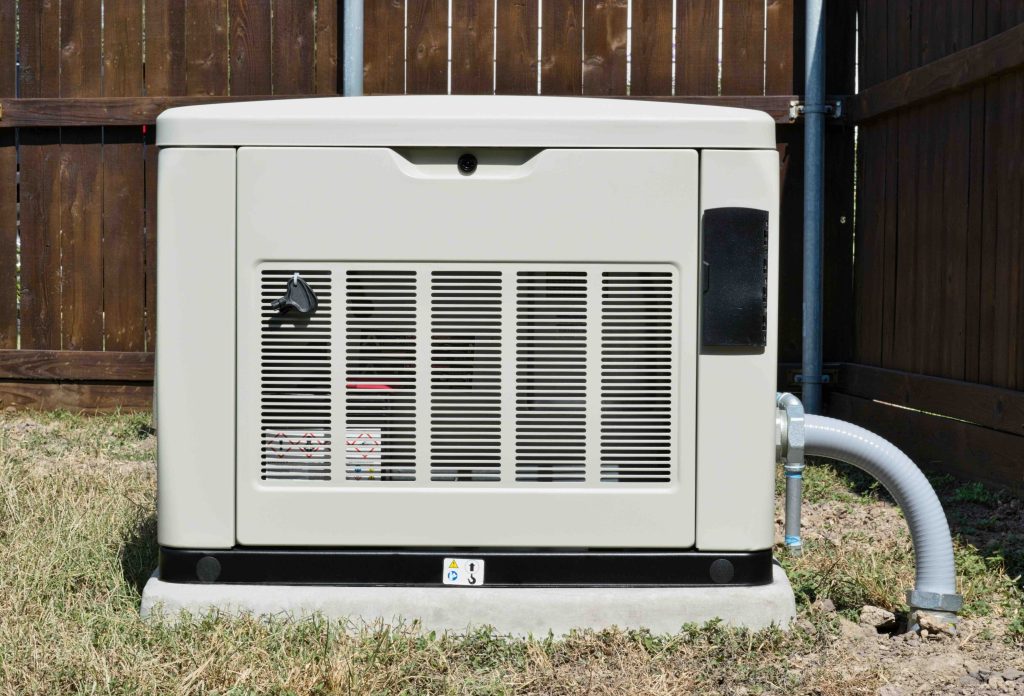
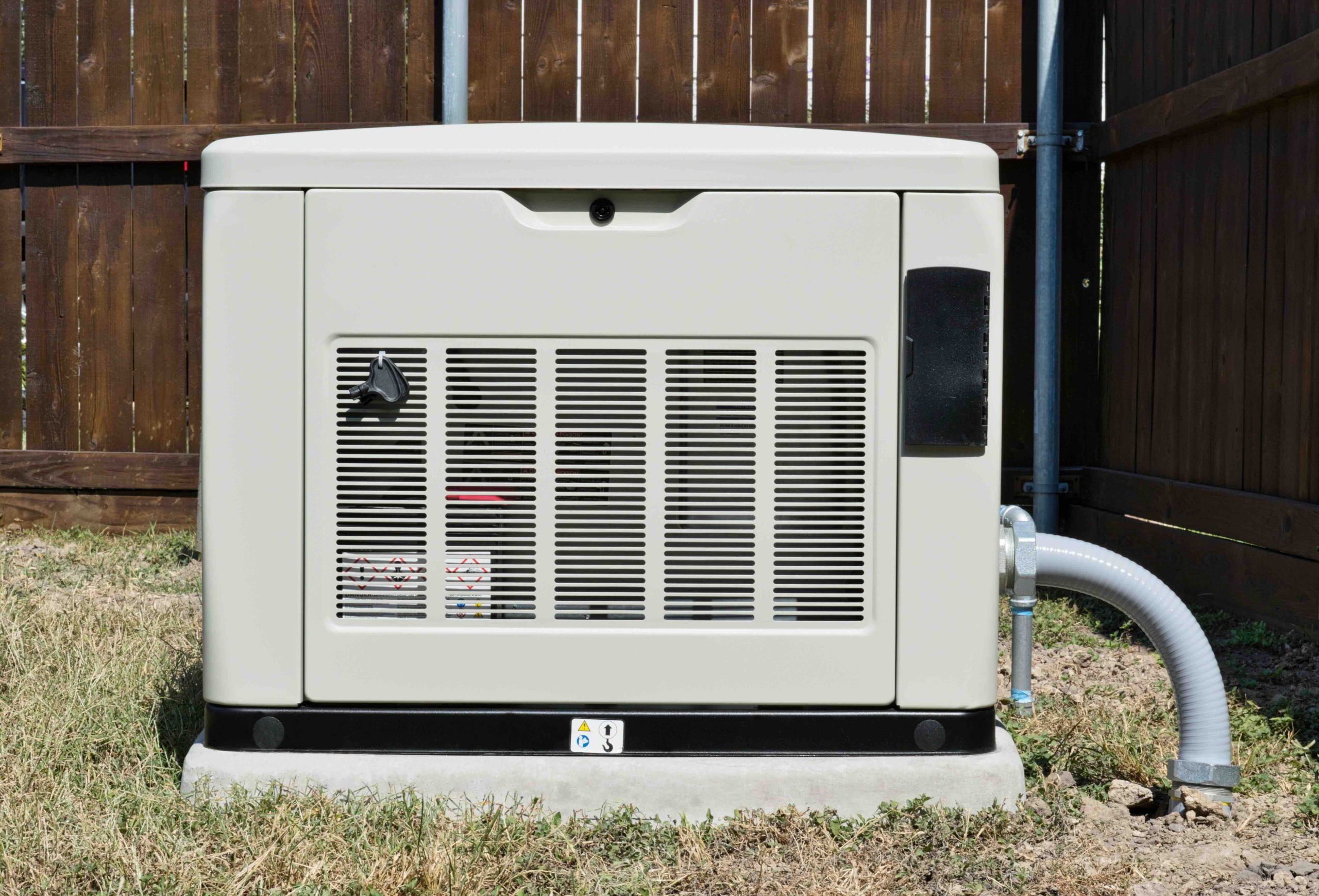
The mechanics of a standby generator system are worth understanding before you commit to an installation. The system has three core components working together: the generator itself, an automatic transfer switch, and your home’s fuel supply. The generator is housed in a weather-resistant enclosure and sits on a concrete pad outside your home, typically near your electrical meter or gas line. The automatic transfer switch is wired directly into your main electrical panel. This switch is the brain of the operation. It monitors incoming utility power around the clock, and the moment it detects that power has been interrupted, it signals the generator to start and simultaneously disconnects your home from the utility line. That disconnection is critical because it prevents back-feeding electricity into the grid, which protects utility workers and your equipment. Once utility power is restored, the transfer switch reverses the process, reconnects your home to the grid, and shuts the generator down. The whole cycle happens in roughly ten to thirty seconds.
Sizing Your Generator: Getting This Right Is Everything
One of the most common mistakes homeowners make is either undersizing or dramatically oversizing their generator. Getting the sizing right comes down to understanding your home’s electrical load requirements. A smaller home that only needs to power essential circuits like refrigeration, lighting, a sump pump, and a few outlets might be well-served by a 10 to 16 kilowatt unit. Larger homes with central air conditioning, electric water heaters, or medical equipment that cannot be interrupted will likely need a 20 to 22 kilowatt generator or larger. The best approach is to have a licensed electrician or generator installer perform a load calculation before you purchase anything. They will assess your square footage, the type of fuel available at your property, your critical versus non-critical circuits, and what you can realistically power simultaneously without tripping the system.

The Key Advantages of Installing a Home Standby Generator
There are real, tangible benefits to having a standby generator installed, and they extend well beyond simply keeping the lights on. Here is what homeowners consistently report as the most meaningful advantages:
- Automatic operation means no action is required from you during an outage, day or night
- Whole-home or partial-home coverage depending on the unit size you select
- Powered by natural gas or propane, eliminating the need to store fuel on-site
- Protects food, medications, and temperature-sensitive items during extended outages
- Maintains functionality of sump pumps, HVAC systems, and security systems
- Increases home resale value and appeal to future buyers in outage-prone regions
- Provides peace of mind for households with medical devices or vulnerable family members
That last point tends to resonate with a lot of homeowners who have elderly relatives living with them or family members who depend on home oxygen equipment or other powered medical devices. When you frame it that way, the investment starts to feel less like a luxury and more like a responsibility.
Common Drawbacks You Should Know Before You Buy
No home improvement comes without trade-offs, and a standby generator is no exception. The upfront cost is significant. Depending on the size of the unit and the complexity of the installation, most homeowners can expect to spend somewhere between five thousand and fifteen thousand dollars when factoring in equipment, permitting, electrical work, and the concrete pad. Larger whole-home systems can push that figure higher. Beyond the initial investment, standby generators require regular maintenance to remain reliable. Most manufacturers recommend annual service that includes oil changes, filter replacements, spark plug inspections, and battery testing. Neglecting that maintenance is one of the primary reasons generators fail at exactly the moment they are needed most. There are also local permitting and zoning requirements to navigate, which can vary significantly depending on where you live. Some municipalities have restrictions on generator placement relative to property lines, windows, and doors.
Fuel Options: Natural Gas vs. Propane
The fuel source for your standby generator is a decision that is largely dictated by what is available at your property. If your home is already connected to a natural gas line, that is typically the most convenient and cost-effective option. Natural gas is delivered continuously through the utility infrastructure, so you never have to worry about running out of fuel during an extended outage. Propane is the right answer for rural properties or homes that do not have access to natural gas lines. With propane, you will need an adequately sized storage tank on your property, and you will want to ensure you have enough supply before storm season or winter arrives. Your generator installer can help you calculate how much propane you would consume per hour of operation based on your unit size, and from there you can determine appropriate tank sizing.
What the Installation Process Looks Like
Understanding the installation process helps homeowners set realistic expectations around timeline and scope. A typical standby generator installation involves several sequential steps. First, your installer will assess the site and determine the optimal placement for the unit, ensuring it meets clearance requirements from doors, windows, and utility meters. Next, a concrete pad is poured and allowed to cure. The gas line is then extended to the generator location, and the automatic transfer switch is installed at your electrical panel. The generator is set on the pad, connected to the gas supply, and wired into the transfer switch. Most installations also include a load test to verify the system performs correctly before the crew leaves. The entire process generally takes one to three days depending on the complexity of the site and any permitting delays. Always work with licensed electricians and plumbers for the electrical and gas connections.
Maintenance Tips to Keep Your Generator Ready When It Counts
A standby generator that does not receive regular maintenance is a generator that may not start when you actually need it. Most modern standby generators run a self-diagnostic exercise cycle once a week, which is a brief automatic test run to circulate engine oil and keep internal components functioning. That weekly cycle is not a substitute for professional servicing, but it is a good sign that your unit is healthy. For ongoing maintenance, keep these practices in mind:
- Schedule a professional service appointment annually, or after every 200 hours of operation
- Check the oil level and coolant level on a routine basis, especially before storm season
- Inspect the battery regularly, as a weak battery is a leading cause of startup failure
- Keep the area around the generator clear of debris, vegetation, and standing water
- Test the automatic transfer switch periodically to confirm it responds correctly
Does a Home Warranty Cover Your Standby Generator?
This is a question that comes up constantly, and the honest answer is that it depends entirely on the home warranty provider and the plan you select. Many standard home warranty plans do not automatically include standby generators because they are considered optional add-on systems rather than core home systems. That said, some providers do offer optional coverage or enhanced plans that extend to permanently installed generators. If you already have a generator installed or you are planning to add one, it is worth reviewing your existing home warranty terms carefully to understand what is and is not covered. Generator repairs are not cheap. A failed transfer switch, a seized engine, or a faulty voltage regulator can result in repair bills that easily climb into the thousands of dollars. Having coverage in place before something goes wrong is always a smarter position than scrambling for options after the fact.
If you are serious about protecting your home systems and the investment you have made in a standby generator, Armadillo home warranty plans for whole-home system protection are worth a close look. Armadillo approaches home warranty coverage in a way that is refreshingly straightforward, with no confusing exclusions buried in the fine print and a claims process that is actually designed to work for homeowners rather than against them. When a covered system fails, you want resolution quickly, and that is exactly what Armadillo delivers. To see what protection is available for your property and your generator setup, you can get a free home warranty quote for standby generator coverage in just a few minutes. It is one of those things that is genuinely worth doing before the next outage season arrives.

Frequently Asked Questions About Home Standby Generators
Here are the most common questions homeowners ask when exploring standby generator installation and coverage options.
How long does a home standby generator last?
Most standby generators have a lifespan of 20 to 30 years when properly maintained. Regular annual servicing and prompt attention to minor repairs are the most reliable ways to extend the life of the unit.
How quickly does a standby generator turn on during a power outage?
Most standby generators activate within 10 to 30 seconds of detecting a power interruption. The automatic transfer switch detects the outage, signals the generator to start, and transfers your home’s electrical load in that brief window.
Can a standby generator power my entire house?
It depends on the size of the unit and your home’s energy demands. A properly sized whole-home generator can power all circuits simultaneously. Smaller units are designed to power selected critical circuits only.
Do I need a permit to install a standby generator?
Yes, in most jurisdictions a permit is required for standby generator installation. The permitting process covers the electrical work, gas line connections, and placement requirements. Your installer will typically handle permitting on your behalf.
What fuel does a standby generator use?
Home standby generators run on either natural gas or propane. Natural gas is supplied continuously through your utility line. Propane requires an on-site storage tank and periodic refilling.
How much does it cost to install a home standby generator?
Total installed costs typically range from five thousand to fifteen thousand dollars, depending on the generator size, installation complexity, local permitting fees, and whether a new gas line or electrical panel upgrades are required.
Does a standby generator require regular maintenance?
Yes. Annual professional servicing is recommended, along with routine checks of oil levels, battery condition, and coolant. Most units also run a brief weekly self-test cycle automatically to keep internal components lubricated and functional.
Is a standby generator covered under a standard home warranty?
Not always. Coverage for standby generators varies by provider and plan. Some home warranty companies offer optional add-on coverage for generators. Reviewing your policy terms carefully before assuming coverage is essential.
Where should a standby generator be installed on my property?
Generators must be installed a safe distance from windows, doors, and utility meters, typically a minimum of 18 inches from the home, though local codes vary. They should be placed on a level concrete pad with adequate clearance around the unit for airflow and service access.
Can a standby generator increase my home’s value?
Yes. In regions where power outages are frequent, a permanently installed standby generator is considered a desirable feature and can positively influence home resale value. Buyers in storm-prone areas often prioritize homes with existing generator infrastructure.