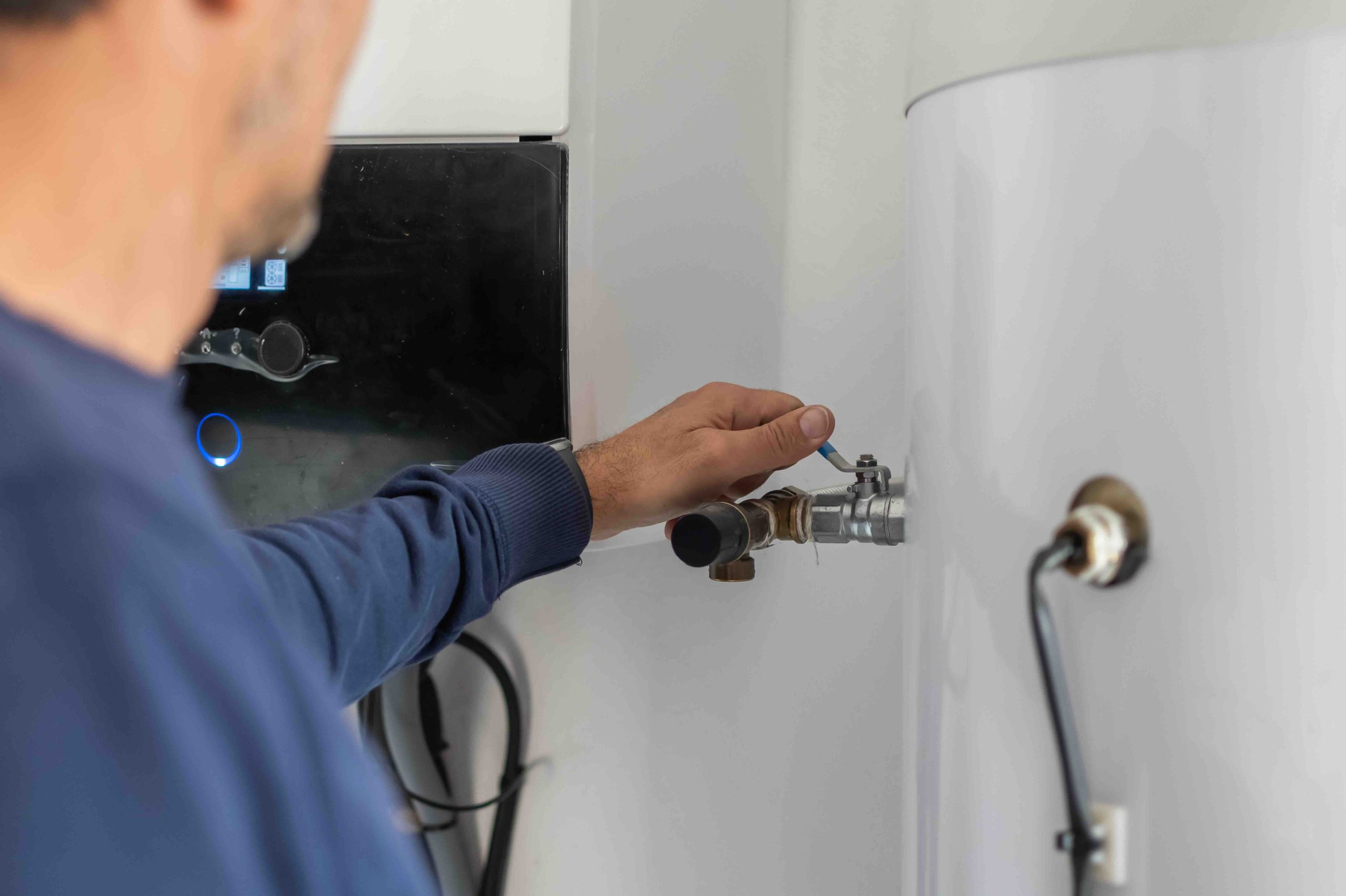
What Is an Instant Water Heater and Why Are Homeowners Paying Attention?
If you have ever stood in a cold shower waiting for warm water to finally arrive, you already understand the core frustration that instant water heaters are designed to solve. Also called tankless water heaters or on-demand water heaters, these systems heat water directly as it flows through the unit rather than storing a large volume of pre-heated water in a tank. The result is a more efficient, more responsive hot water experience that has gained serious traction with homeowners who are tired of the limitations that come with traditional storage tank models. The appeal is real, and for many homes, the switch genuinely makes sense.
How an Instant Water Heater Actually Works
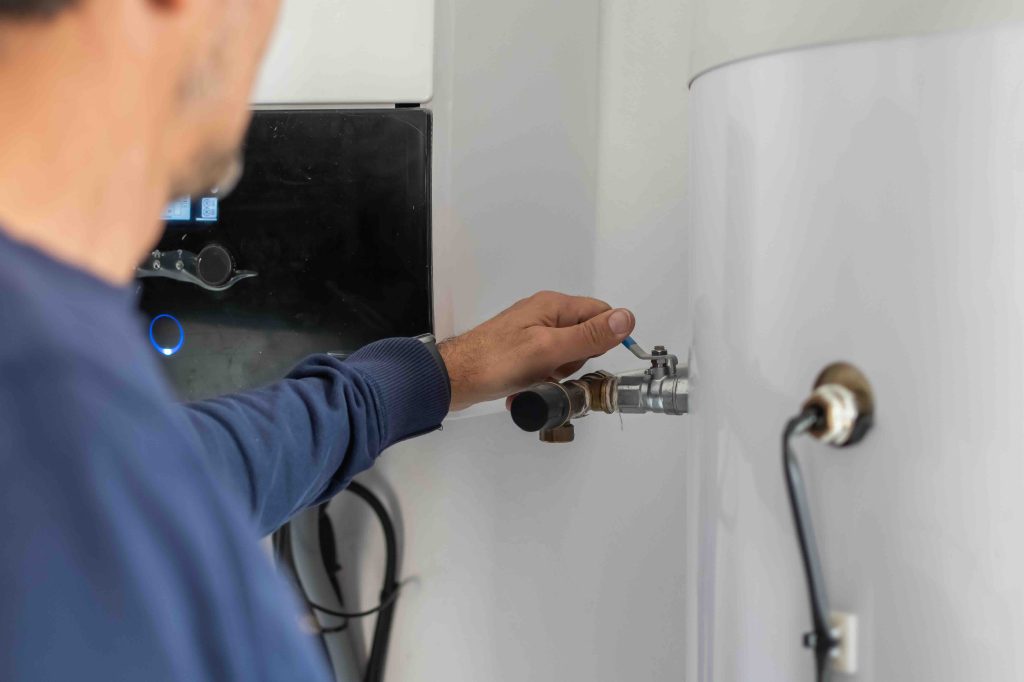
The mechanics are straightforward once you break them down. When you turn on a hot water tap, cold water travels through a pipe and into the tankless unit. Inside the unit, either a gas burner or an electric heating element activates and rapidly heats the water passing through. By the time that water reaches your faucet or showerhead, it is already at your desired temperature. There is no stored water being kept hot around the clock, and there is no waiting for a depleted tank to recover. The system simply responds to demand in real time, heats what is needed, and stops when the tap closes. That cycle repeats every single time, without degradation in performance caused by tank depletion.
The Key Advantages That Make Tankless Systems Worth Considering
There are several strong reasons why instant water heaters have become one of the more popular home upgrades in recent years. Understanding the full picture helps you weigh whether this investment is right for your household.
- Energy efficiency: Because there is no standby heat loss from a constantly heated tank, tankless units can be significantly more efficient, potentially reducing water heating costs by a meaningful margin depending on usage patterns.
- Continuous hot water supply: As long as demand does not exceed the unit’s flow rate capacity, hot water is available indefinitely, which is a notable advantage for larger households.
- Space savings: Tankless units are wall-mounted and compact, freeing up floor space that a traditional 40 to 80 gallon tank would otherwise occupy.
- Longer lifespan: Well-maintained tankless systems commonly last 20 years or more, compared to the 10 to 15 year average for conventional storage tanks.
- Reduced risk of tank failure: Without a large reservoir of stored water, there is no risk of a catastrophic tank rupture flooding your home.
The Drawbacks You Should Know Before Committing
Instant water heaters are not a perfect solution for every home, and it is worth being honest about the trade-offs. The upfront cost of a tankless unit is higher than a traditional water heater, sometimes significantly so. Installation is more complex and often requires upgrades to your gas line or electrical panel, which adds to the total investment. Additionally, if multiple hot water demands occur simultaneously across your home, such as running a dishwasher while someone showers, a single unit may struggle to keep up without proper sizing. Cold climates can also reduce efficiency in some configurations. These are manageable challenges, but they deserve consideration before you move forward.

Gas vs. Electric Instant Water Heaters: Which One Fits Your Home?
Choosing between a gas and electric tankless system comes down to what your home is already equipped to support and what your hot water demands look like. Gas-powered units generally have higher flow rates, making them better suited for homes with high simultaneous demand. However, they require proper venting and may need a gas line upgrade. Electric models are easier to install in many cases and work well for smaller households or point-of-use applications, meaning a single unit installed near one fixture rather than serving the whole house. Both types have strong performers on the market, and the right choice depends heavily on your home’s existing infrastructure and your typical water usage patterns.
Proper Sizing Is Everything With Tankless Systems
One of the most common mistakes homeowners make when purchasing a tankless water heater is choosing the wrong size unit. Unlike traditional tank heaters where size refers to storage capacity, tankless systems are rated by flow rate, measured in gallons per minute. You need to calculate the maximum simultaneous demand in your home and match it to a unit that can handle that load without a drop in temperature. A plumbing professional can help you assess your specific needs and recommend a unit with adequate capacity. Skipping this step can lead to a frustrating experience where the unit cannot keep pace with your household’s real-world habits.
Maintenance Tips to Keep Your Instant Water Heater Running Well
Tankless water heaters require maintenance, and homeowners who ignore this often end up with reduced efficiency or early failure. Hard water mineral buildup is the most common issue, and flushing the unit annually with a descaling solution is a standard recommendation in most areas with hard water. You should also periodically clean the inlet filter screen to prevent sediment from restricting water flow. If your unit is gas-powered, the burner and venting components should be inspected regularly. Keeping the exterior clean and unobstructed, and checking for error codes on the digital display if your unit has one, are simple habits that go a long way in preserving performance and lifespan.
Common Repairs and What They Typically Involve
Even with proper maintenance, instant water heaters can develop issues over time. Ignition failures are common in gas models and are often related to the igniter or gas supply. Flow sensor malfunctions can cause the unit to behave erratically or fail to activate. Heat exchanger issues, while less frequent, can be costly to address. Scale buildup that goes untreated can eventually damage internal components and trigger error codes. Electric models may experience heating element wear or control board failures. Most of these repairs require a qualified technician and can range from modest to substantial in cost, which is one of the key reasons having a home warranty that covers your water heater is genuinely valuable rather than optional.
Is an Instant Water Heater a Smart Long-Term Investment?
The honest answer is yes, for most homeowners, an instant water heater represents a worthwhile long-term investment when the conditions are right. The higher upfront cost is typically offset over time through energy savings and the extended lifespan of the unit. If your current water heater is aging, your energy bills are frustrating you, or you are renovating a space where a tank simply does not fit, a tankless system deserves serious consideration. The key is going in with realistic expectations, sizing the unit correctly, committing to maintenance, and protecting your investment with the right coverage so that when something does go wrong, you are not absorbing the full financial impact alone.
Why Armadillo Is the Smart Choice for Protecting Your Tankless Water Heater
A tankless water heater is a meaningful home investment, and like any major system in your home, it comes with the possibility of breakdowns, wear, and unexpected repair bills. That is exactly where a home warranty earns its value. Armadillo offers straightforward, homeowner-friendly coverage designed to protect the systems and appliances that matter most, including water heaters. If you are looking for reliable home warranty coverage for tankless water heaters and essential home systems, Armadillo delivers plans built around clarity and real protection rather than fine print and frustration. When your instant water heater needs a repair, the last thing you want is to figure out who to call and how much it will cost. With Armadillo in your corner, that burden is managed for you. Take a few minutes to get a free home warranty quote for your water heater and home systems and find out how affordable that peace of mind actually is.

Frequently Asked Questions About Instant Water Heaters
These are some of the most common questions homeowners ask when exploring tankless water heater options, along with clear, practical answers to help guide your decision.
What is the difference between a tankless water heater and a traditional water heater?
A traditional water heater stores and continuously heats a large volume of water in a tank, while a tankless water heater heats water on demand as it passes through the unit, eliminating standby energy loss and the risk of running out of stored hot water.
How long does an instant water heater typically last?
With proper maintenance, a tankless water heater can last 20 years or more, which is significantly longer than the 10 to 15 year average lifespan of a conventional storage tank water heater.
Can a tankless water heater supply hot water to an entire house?
Yes, a properly sized whole-home tankless unit can supply hot water to an entire house. The key is matching the unit’s flow rate capacity to your household’s peak simultaneous demand so performance stays consistent.
How much does it cost to install an instant water heater?
Installation costs vary depending on the unit type, any required upgrades to gas lines or electrical panels, and local labor rates. Homeowners can generally expect total installation costs to range from several hundred to several thousand dollars beyond the unit price itself.
Do instant water heaters require maintenance?
Yes. Annual descaling to remove mineral buildup is the most critical maintenance task, especially in hard water areas. Periodic cleaning of the inlet filter and inspection of venting components for gas units are also recommended.
Are tankless water heaters more energy efficient than tank models?
Generally, yes. Because they only heat water when it is needed, tankless units avoid the standby heat loss associated with keeping a full tank of water hot at all times, which can translate to meaningful energy savings over time.
What size tankless water heater do I need for my home?
Sizing is based on your household’s peak hot water demand measured in gallons per minute. A qualified plumber can assess your fixtures and usage patterns to recommend a unit with the right flow rate for your specific home.
Can a home warranty cover a tankless water heater?
Yes. Many home warranty plans include water heater coverage, though it is important to review the specific terms to confirm that tankless systems are included and to understand what types of repairs or replacements are covered.
What are the most common problems with instant water heaters?
Common issues include ignition failures in gas units, scale buildup from hard water, flow sensor malfunctions, and control board or heating element failures in electric models. Regular maintenance can prevent many of these problems from developing.
Is switching to a tankless water heater worth the upfront cost?
For most homeowners, yes. The combination of energy savings, longer lifespan, continuous hot water availability, and space efficiency typically justifies the higher initial investment over time, particularly when the unit is properly sized and maintained.