Why Winterizing Your Home Is One of the Smartest Things You Can Do Before the Cold Hits
There is a window every fall, usually somewhere between the last warm weekend and the first real cold snap, where homeowners have a genuine opportunity to get ahead of winter. Most people miss it. Not because they do not care, but because winterizing feels like one of those vague, ambiguous tasks that never quite makes it to the top of the list. The truth is, winterizing your home is not complicated. It is a structured, seasonal process that protects your plumbing, heating systems, insulation, and exterior from the kind of damage that cold weather reliably causes year after year. Done right, it saves money, prevents emergencies, and keeps your home functioning the way it should even when temperatures drop well below freezing.
What Does Winterizing a Home Actually Mean
Winterizing is the process of preparing a home’s systems, structure, and mechanical components to withstand cold-weather conditions safely and efficiently. It covers a broad range of tasks, from sealing drafts around windows and doors to draining exterior plumbing lines and servicing your heating system before it carries the full load of a winter season. The goal is to reduce the risk of system failure, prevent water damage from frozen pipes, lower energy costs by improving insulation efficiency, and ensure that every system in the home is operating at full capacity before it really needs to. Think of it as a seasonal tune-up for your entire house. The scope can vary depending on climate, home age, and how the property is used, but the core principles apply broadly across most residential settings.
How Your Home’s Systems Behave Differently in Cold Weather
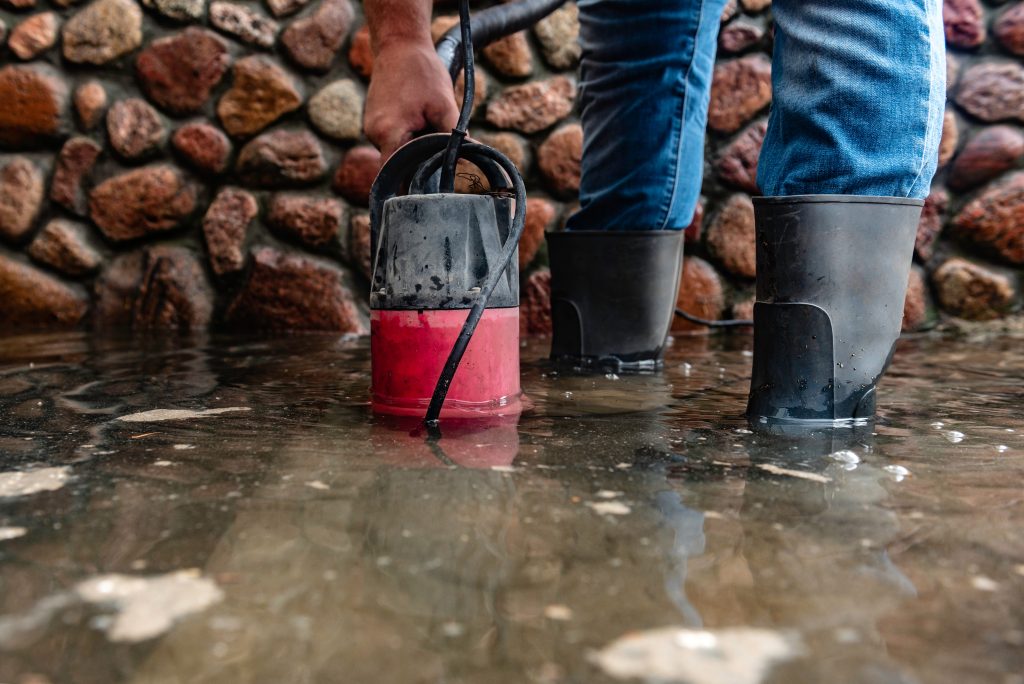
Cold temperatures put pressure on home systems in ways that are easy to underestimate until something goes wrong. Water expands when it freezes, and that expansion inside a pipe is enough to crack it completely, sometimes causing thousands of dollars in water damage before anyone notices. Heating systems that sit idle through spring and summer can develop ignition issues, clogged filters, or mechanical wear that only becomes apparent when you need them most. Insulation that has shifted or degraded over time loses its effectiveness in winter, driving up heating bills and creating cold spots throughout the home. Roof and gutter systems that are not cleared before winter can trap moisture and ice, leading to ice dams that push water under shingles and into the structure. Each of these is a predictable risk. Each one can be addressed before winter arrives.

The Key Areas of a Thorough Home Winterization
A proper winterization strategy covers several distinct areas of the home. Each one has its own set of tasks and priorities, and understanding them individually makes the whole process feel a lot more manageable.
- Plumbing: Drain and shut off exterior hose bibs, insulate pipes in unheated spaces like crawl spaces and garages, and know where your main water shutoff is located in case of a burst pipe emergency.
- Heating system: Schedule a furnace or heat pump inspection, replace air filters, bleed radiators if you have a hot water heating system, and verify that the thermostat is working accurately.
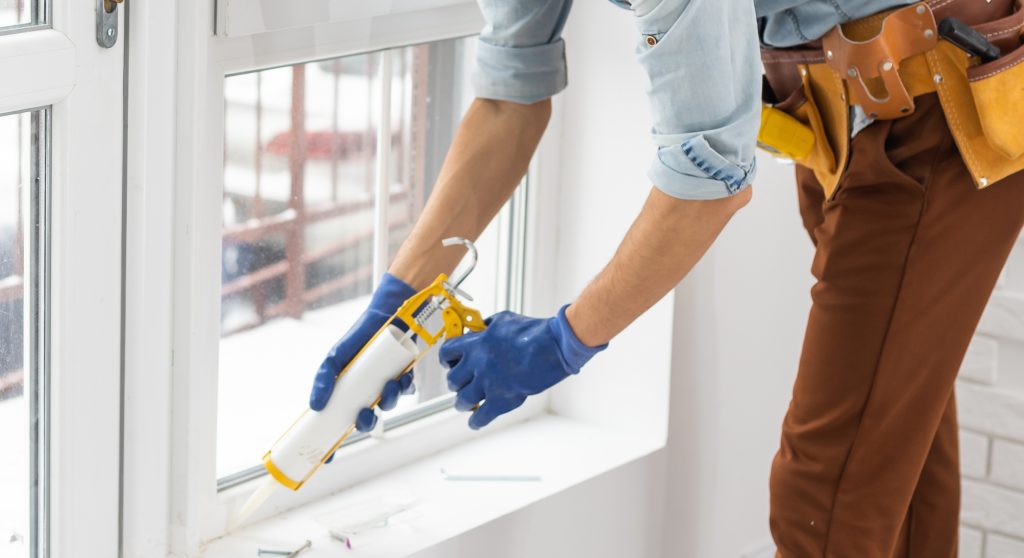
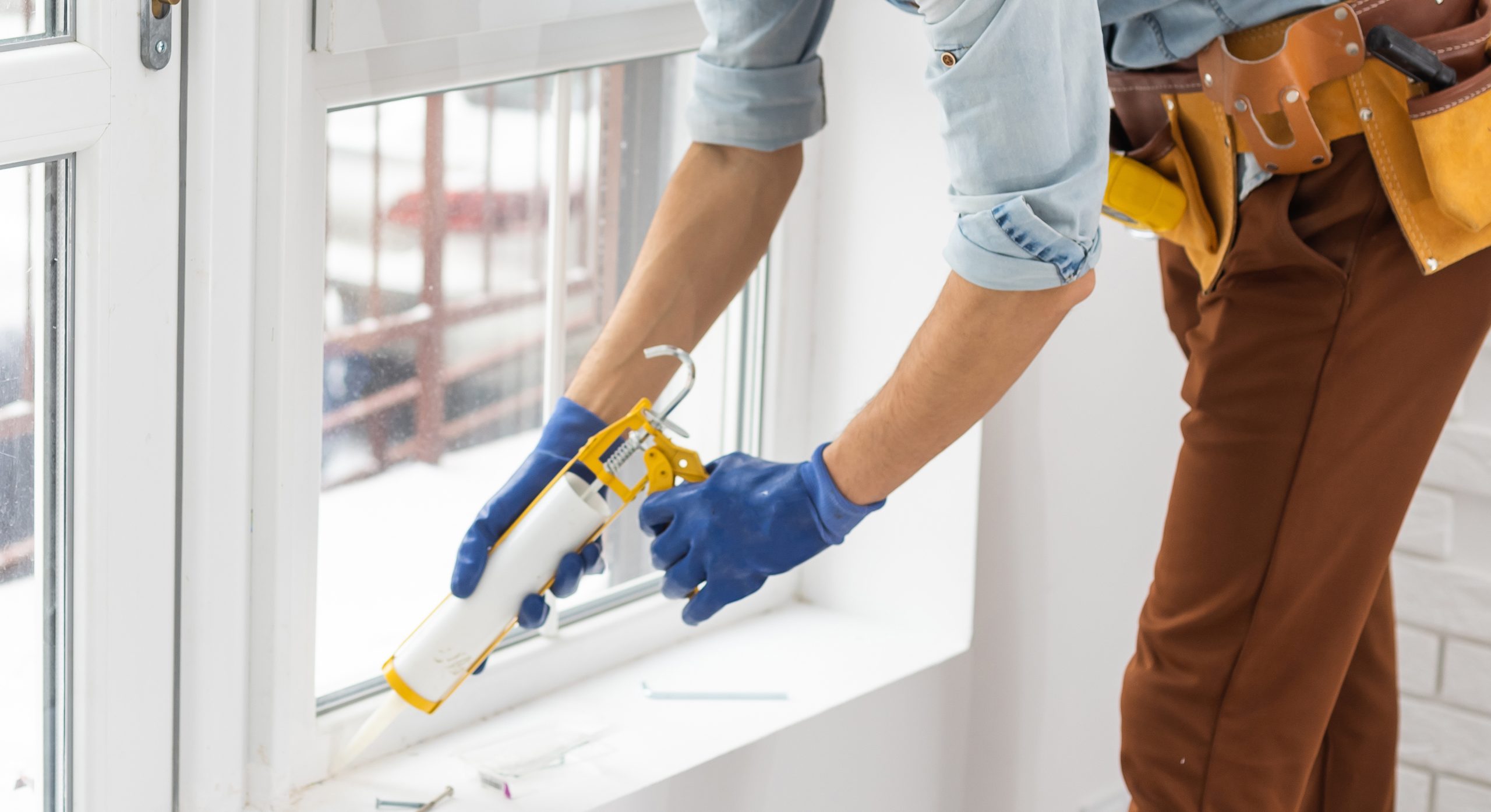
- Insulation and air sealing: Check attic insulation levels, add weatherstripping around doors, and apply caulk to gaps around windows, pipes, and any exterior penetrations.
- Gutters and roof: Clear gutters of leaves and debris, inspect the roof for damaged or missing shingles, and verify that downspouts are directing water away from the foundation.
- Windows and doors: Inspect seals, apply window film to older single-pane windows, and check that storm windows and doors are properly in place and functioning.
- Fireplace and chimney: Have the chimney inspected and cleaned if you use a wood-burning fireplace, and check the damper seal to prevent heat loss when the fireplace is not in use.
The Real Advantages of Winterizing Before You Need To
The financial case for winterizing is straightforward. Preventive maintenance is consistently less expensive than emergency repair. A furnace inspection might cost between eighty and one hundred fifty dollars. A furnace replacement because of a neglected component failure can cost several thousand dollars. Beyond cost, there is comfort. A home that has been properly air sealed and insulated holds heat more evenly and efficiently. Your heating system does not have to work as hard, which means lower monthly energy bills over the entire heating season. There is also the matter of timing. Plumbers and HVAC technicians are significantly harder to reach in mid-January when pipes are bursting and heating systems are failing across the entire region simultaneously. Scheduling service in October or early November means you get prompt attention, often at standard rates, without the emergency premium.
Common Mistakes Homeowners Make When Winterizing
The most common mistake is doing partial winterization and treating it as complete. Addressing the furnace filter but ignoring exposed pipes in the garage, or cleaning the gutters but skipping the attic insulation inspection, creates a false sense of security. Another frequent issue is assuming that because nothing went wrong last winter, nothing will go wrong this winter. Systems age. Seals degrade. Conditions change. A pipe that was fine two years ago because of a mild winter may not hold up through a colder one. Homeowners also tend to overlook the chimney and fireplace until the first time they want to use it, which is typically the worst possible moment to discover it needs professional attention. Finally, many people skip scheduling a heating system service entirely, relying on the system to simply turn on and work without any professional oversight between seasons.
When to DIY and When to Call a Professional
Many winterization tasks are genuinely manageable as DIY projects. Replacing weatherstripping, adding caulk around window frames, swapping out furnace filters, clearing gutters, and disconnecting garden hoses from exterior spigots are all reasonable homeowner tasks with low technical barriers. Where you want professional involvement is anywhere that involves the mechanical integrity of a major system. Furnace and heat pump inspections, chimney cleaning and inspection, roof assessments, and anything involving gas lines or electrical components connected to heating equipment should be handled by licensed professionals. The cost of those service calls is almost always lower than the cost of the repair or replacement that follows when something is missed.
How Home Warranties Factor Into Winter Home Protection
A home warranty does not replace the need to winterize, but it works alongside it in a meaningful way. Winterizing reduces the risk of system failure by addressing wear, gaps, and vulnerabilities before cold weather creates pressure on your home. A home warranty steps in when a covered system or appliance breaks down despite those precautions, covering repair or replacement costs that would otherwise come entirely out of pocket. Heating systems, in particular, are a major focus for home warranty coverage because they are high-cost, high-use systems that experience peak demand in winter. Knowing that your furnace or heat pump is covered in the event of a mechanical breakdown gives you one less thing to worry about during the months when that system matters most.
Why Armadillo Belongs in Your Winter Home Protection Plan
When the temperatures drop and your home systems are working overtime, the last thing you want is a repair bill that catches you completely off guard. That is exactly where Armadillo home warranty coverage for heating systems and major appliances makes a real difference. Armadillo offers straightforward, transparent protection designed for real homeowners who want coverage that actually delivers when something goes wrong. There are no confusing exclusions buried in the fine print, and no runaround when you need a repair handled quickly. If you are taking the time to winterize your home this season and want to back that preparation with reliable coverage, get a free home warranty quote tailored to your home’s heating and system needs and see how straightforward protecting your home can actually be. Armadillo is built around the idea that homeownership should feel manageable, not stressful, and that philosophy shows up in everything from the plan options to the claims process.

Frequently Asked Questions About Winterizing Your Home
Answers to the most common questions homeowners have about winterizing their property, protecting their systems, and making the most of the colder months ahead.
When is the best time to start winterizing your home?
The ideal window is early to mid-fall, typically September through October, before temperatures consistently drop below freezing. This gives you time to schedule professional service appointments without competing with peak seasonal demand.
How much does it cost to winterize a home?
Costs vary depending on the size of the home and what needs to be addressed. DIY tasks like weatherstripping and caulking may cost under fifty dollars. Professional services such as furnace inspections, chimney cleaning, and pipe insulation can add up to a few hundred dollars total, which is still far less than most emergency repair bills.
What happens if you do not winterize your home before a freeze?
Unprotected pipes can freeze and burst, causing significant water damage. Heating systems under strain without maintenance can fail unexpectedly. Poorly sealed homes lose heat rapidly, driving up energy costs and creating uncomfortable living conditions throughout winter.
Does a home warranty cover frozen pipe damage?
Most home warranties cover mechanical system and appliance failures rather than structural or water damage from frozen pipes. Pipe burst damage is typically covered under homeowners insurance. A home warranty may cover plumbing stoppages or failures related to covered components, but the terms vary by plan.
Should you turn off the water when winterizing a vacation home or vacant property?
Yes. For any home that will be unoccupied during cold months, shutting off the main water supply and draining the plumbing system is one of the most important winterization steps. This eliminates the risk of burst pipes going undetected in an empty property.
How often should a furnace be serviced for winter preparation?
Annual service is the standard recommendation for most furnace and heat pump systems. A licensed HVAC technician should inspect the unit, clean components, check the heat exchanger, test ignition, and verify that the system is operating efficiently before the heating season begins.
What is an ice dam and how do you prevent it?
An ice dam forms when heat escaping through the roof melts snow, which then refreezes at the colder eaves. The resulting ice barrier traps water that can seep under shingles and into the home. Prevention focuses on improving attic insulation and ventilation to keep the roof surface uniformly cold.
Is weatherstripping worth the effort for winterizing a home?
Absolutely. Gaps around doors and windows are among the most common sources of heat loss in a home. Replacing worn weatherstripping is inexpensive, quick to install, and can have a measurable impact on heating efficiency and comfort throughout the winter season.
Can winterizing a home lower my energy bills?
Yes, often significantly. Air sealing, insulation improvements, and heating system tune-ups all contribute to a more efficient home. The U.S. Department of Energy estimates that homeowners can save up to thirty percent on heating costs through proper air sealing and insulation measures alone.
Does homeowners insurance cover winter storm damage?
Standard homeowners insurance typically covers damage from winter storms, including damage from wind, ice, and sudden pipe bursts due to freezing. However, coverage details vary by policy, and neglect-related damage may not be covered. Reviewing your policy before winter is always a sound practice.