What Is an Exterior Electric Outlet and Why Does Your Home Need One?
If you have ever tried to power a string of lights for a backyard gathering, run an electric lawn mower along the side of your house, or charge something on the patio, you already understand the value of an exterior electric outlet. These outdoor-facing receptacles are designed to bring electrical power to the outside of your home in a safe, code-compliant way. They look similar to indoor outlets, but they are built to handle exposure to weather, moisture, and temperature changes that would destroy a standard indoor receptacle in short order. For many homeowners, exterior outlets are an afterthought until they need one and do not have one. Getting ahead of that moment is exactly what this article is about.
How Exterior Electric Outlets Actually Work
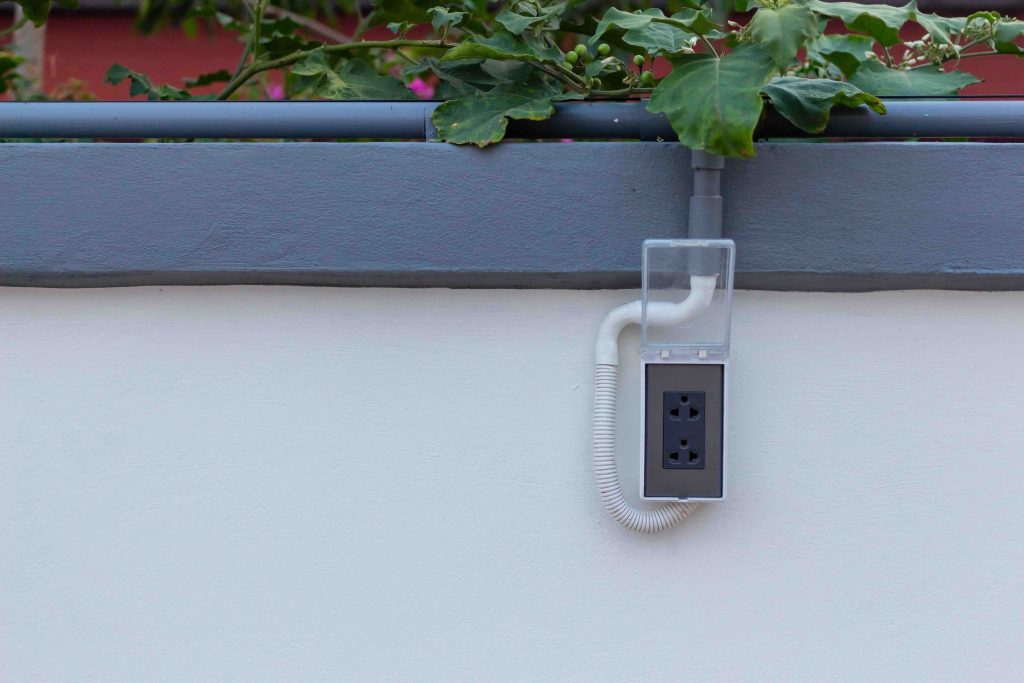
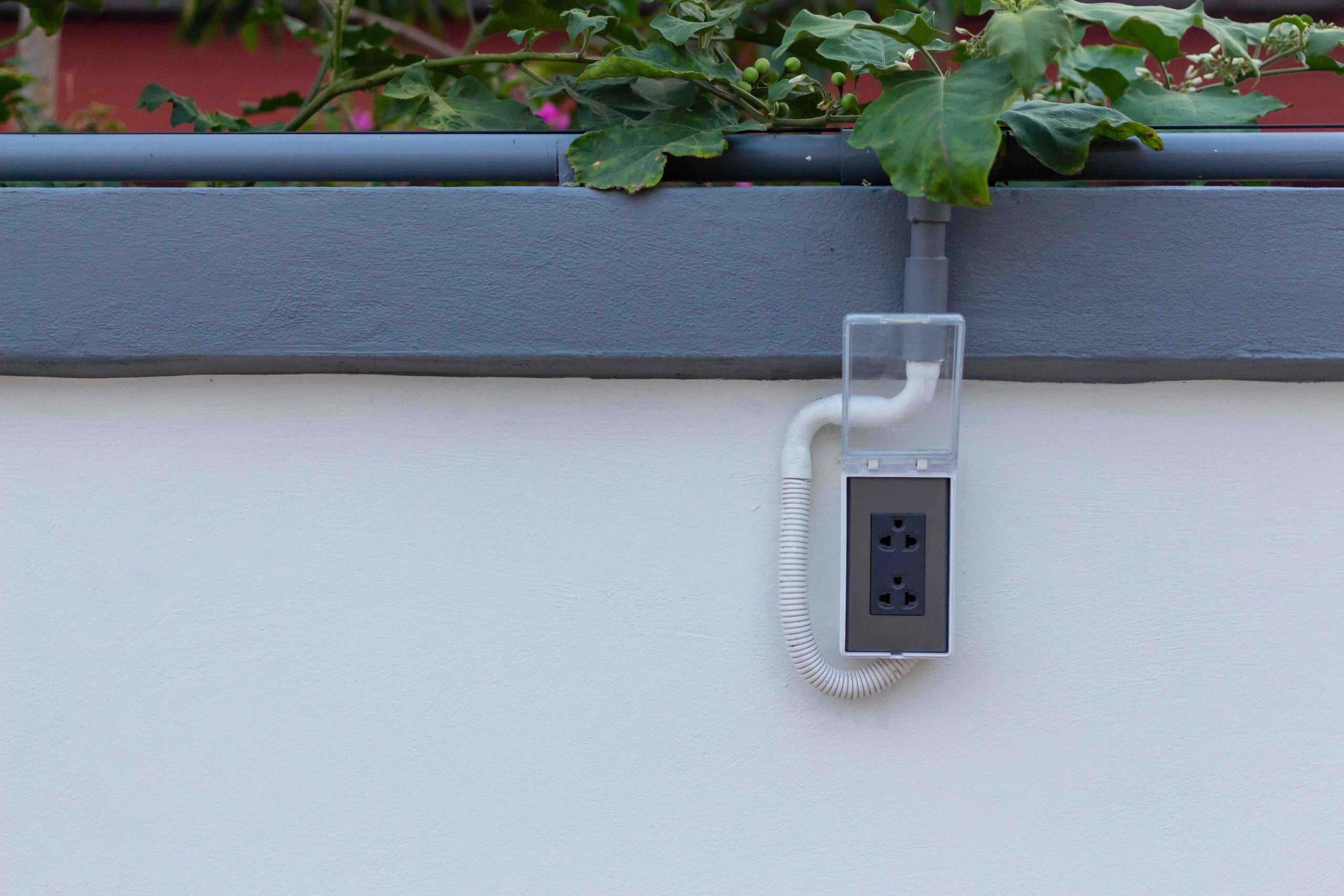
An exterior electric outlet connects directly to your home’s main electrical system, the same way your indoor outlets do. The key difference is in the materials, housing, and protective features that make outdoor use safe. These outlets are typically installed with weatherproof covers, which are the spring-loaded or bubble covers you see mounted on the outside of homes. Inside the outlet box, a GFCI, or ground fault circuit interrupter, is built in or installed upstream on the circuit. The GFCI monitors the flow of electricity and trips the outlet instantly if it detects a difference in current that could indicate a shock hazard. That trip happens in milliseconds, which is what makes it genuinely protective. The outlet itself sits inside a weatherproof housing that is sealed against rain, moisture, and insects. Wiring runs from your breaker panel through your exterior wall and connects to the outlet box, which is mounted flush against the exterior surface of the home.
Types of Exterior Electric Outlets You Should Know About
Not all exterior outlets are the same, and knowing the difference matters when you are shopping for an installation or troubleshooting an existing one. The most common type is the standard 15-amp or 20-amp GFCI outlet, which handles most everyday outdoor tasks without issue. For heavier loads, like a hot tub, outdoor kitchen appliances, or EV charging, you will need a dedicated 240-volt circuit with a specialized outlet rated for that load. There are also in-use covers, sometimes called bubble covers, that allow you to keep a cord plugged in while the cover remains closed and protective. These are actually required by electrical code in many jurisdictions. Some homeowners also opt for tamper-resistant outlets on the exterior, especially in homes with young children, adding another layer of safety to an already safety-focused installation.

The Real Advantages of Having Outdoor Electrical Access
The convenience factor is obvious, but the advantages go deeper than just having a place to plug things in. Exterior outlets add measurable value to your home, both functionally and on paper. Homes with properly installed outdoor electrical access are more attractive to buyers who want functional outdoor living spaces. Beyond resale, there is the day-to-day practicality of powering outdoor lighting, seasonal decorations, power tools, pressure washers, and patio appliances without running an extension cord through a cracked window or a propped door. There is also a safety benefit here that people tend to overlook. When homeowners lack exterior outlets, they improvise, and improvised electrical setups involving indoor extension cords used outdoors are a leading cause of electrical fires and injuries. A properly installed exterior outlet eliminates that workaround entirely.
Common Drawbacks and Limitations to Keep in Mind
Exterior outlets are not without their complications. The installation process requires running wire through walls or underground, both of which involve either opening up finished surfaces or burying conduit, neither of which is a quick Saturday afternoon project. Costs can vary significantly depending on the distance from your electrical panel, the complexity of the wall structure, and local permit requirements. Speaking of permits, most municipalities require a permit for new electrical work, and inspections are standard. Skipping this step is not just illegal, it can void your homeowner’s insurance and create problems when you eventually sell the home. Outdoor outlets also require more maintenance attention than indoor ones. Weatherproof covers crack over time, seals deteriorate, and GFCI outlets can wear out faster when exposed to temperature extremes. These are not deal-breakers, just things worth knowing before you commit.
Installation Tips and What to Expect From the Process
If you are considering adding an exterior outlet, here is what the process generally looks like. A licensed electrician will assess your panel to determine whether you have capacity for a new circuit or whether an existing circuit can be safely extended. From there, they will plan the routing of the wire, which may go through an attic, crawlspace, or directly through the exterior wall. The outlet box is mounted, wired, and sealed, and the weatherproof cover is installed. From start to finish, a straightforward single-outlet installation typically takes a few hours. More complex installations involving trenching for underground conduit or adding new breaker circuits will take longer. Key things to confirm with your electrician include GFCI protection on the circuit, proper weatherproof rating on the cover, compliance with local electrical codes, and permit acquisition.
Maintenance Best Practices for Long-Term Performance
Once your exterior outlet is installed, a little routine attention goes a long way. There are a few habits worth building into your annual home maintenance routine:
- Test your GFCI outlet monthly by pressing the test and reset buttons to confirm it is functioning correctly
- Inspect weatherproof covers every spring for cracks, missing seals, or loose hinges
- Clear debris, such as leaves, dirt, or insect nests, from around the outlet housing
- Check for any discoloration or scorch marks around the outlet face, which can indicate a wiring issue
- Replace covers that no longer create a tight seal, even if they appear visually intact
These checks take minutes but can prevent significant problems down the road. Electrical issues that start small have a tendency to escalate in ways that are costly and sometimes dangerous. Staying on top of your exterior outlets is one of those low-effort, high-return habits that good homeowners develop.
When to Call a Professional Versus Handle It Yourself
There is a meaningful line between DIY-appropriate tasks and work that belongs in the hands of a licensed electrician. Replacing a weatherproof cover or testing a GFCI outlet is well within most homeowners’ abilities. Anything involving wiring, breaker panels, new circuit installation, or running conduit through walls is not. Electrical work done incorrectly is one of the more dangerous DIY mistakes a homeowner can make, both physically and financially. Faulty wiring can cause fires that travel inside walls before you ever see smoke. From an insurance and warranty perspective, unpermitted electrical work can also create complications when you file a claim. If you are ever unsure, the right answer is always to call a licensed electrician. The cost of a professional installation is a fraction of what electrical damage or injury can end up costing.
How a Home Warranty Can Protect Your Electrical Systems
Exterior electric outlets are connected to the broader electrical system in your home, and that system has a lot of moving parts. When components fail, whether it is a GFCI outlet that stops resetting, a circuit that keeps tripping, or wiring that degrades over time, repair costs can add up quickly. That is exactly the kind of unpredictable expense that a home warranty is designed to address. Armadillo home warranty plans that cover electrical systems and outdoor components give homeowners a financial safety net when things go wrong without warning. Rather than absorbing a surprise repair bill, you have a plan in place that keeps costs manageable and the process straightforward. Whether it is your outdoor receptacles, your indoor wiring, or the components in between, getting a free quote for electrical system home warranty coverage from Armadillo takes only a few minutes and puts real protection behind one of your home’s most essential systems. Peace of mind is not a luxury. For homeowners who prefer to plan ahead, it is just good sense.

Frequently Asked Questions About Exterior Electric Outlets
Answers to the most common questions homeowners ask about outdoor electrical outlets, installation, safety, and maintenance.
Do exterior electric outlets need to be GFCI protected?
Yes. According to the National Electrical Code, all outdoor outlets must be GFCI protected. This requirement exists because outdoor environments expose both the outlet and the user to moisture, which dramatically increases the risk of ground faults and electrical shock.
How much does it cost to install an exterior electric outlet?
The cost typically ranges from $150 to $400 for a basic installation, depending on the complexity of the wiring route, local labor rates, and permit fees. More involved projects that require new dedicated circuits or underground conduit can cost significantly more.
Can I install an exterior outlet myself?
Replacing a weatherproof cover or testing a GFCI is reasonable for most homeowners. However, any work involving new wiring, circuit installation, or connecting to the breaker panel should be performed by a licensed electrician to ensure safety and code compliance.
How many exterior outlets should a home have?
Building codes typically require at least one accessible outlet on the front and rear of the home, but most homeowners benefit from having outlets on each exterior wall and near garages, patios, and driveways. The right number depends on how you use your outdoor space.
Why does my outdoor outlet keep tripping?
Frequent tripping usually indicates one of three things: the circuit is overloaded, moisture has gotten into the outlet or a connected device, or the GFCI itself is failing. Start by reducing the load on the circuit and inspect the outlet for moisture damage. If tripping continues, have an electrician evaluate the circuit.
What is the difference between a weatherproof cover and an in-use cover?
A standard weatherproof cover protects the outlet only when nothing is plugged in. An in-use cover, sometimes called a bubble cover, remains sealed around a cord even while in use. Most electrical codes now require in-use covers for all exterior outlets in wet or damp locations.
Can an exterior outlet be used in the rain?
An outlet rated for wet locations with a properly functioning in-use cover can be used during rain, but using electrical devices with cords in wet conditions still carries risk. Always use outdoor-rated extension cords and devices, and avoid using outlets if water is pooling around the area.
Does a home warranty cover exterior electric outlets?
Coverage varies by provider and plan. Some home warranty plans include electrical system coverage that extends to outdoor receptacles and wiring. It is important to review the specific terms of your plan or speak with your warranty provider to confirm what is and is not covered.
How do I know if my exterior outlet is up to code?
Signs that an outlet may not be up to current code include the absence of GFCI protection, a missing or damaged weatherproof cover, no in-use cover, or unpermitted installation. If you are unsure, a licensed electrician can perform an inspection and identify any deficiencies.
How long do exterior electric outlets last?
With proper maintenance, a quality exterior outlet can last 15 to 25 years. However, GFCI components may wear out sooner due to exposure to temperature extremes and moisture. Regular testing and inspection will help you identify when replacement is needed before a failure occurs.