What Is a Roof Vent Pipe and Why Does It Matter?
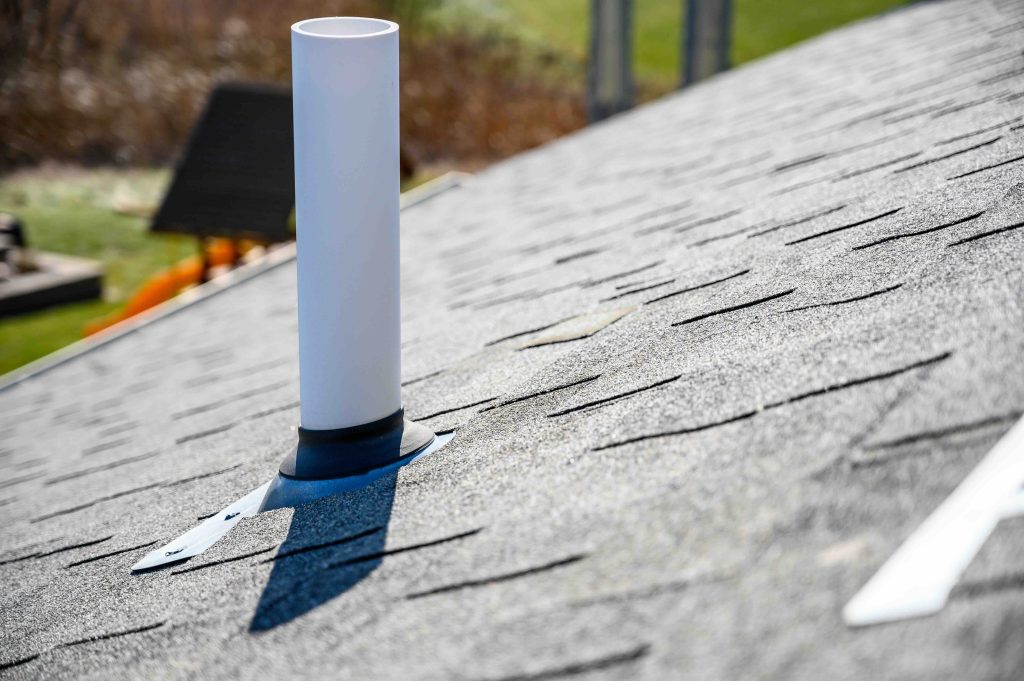
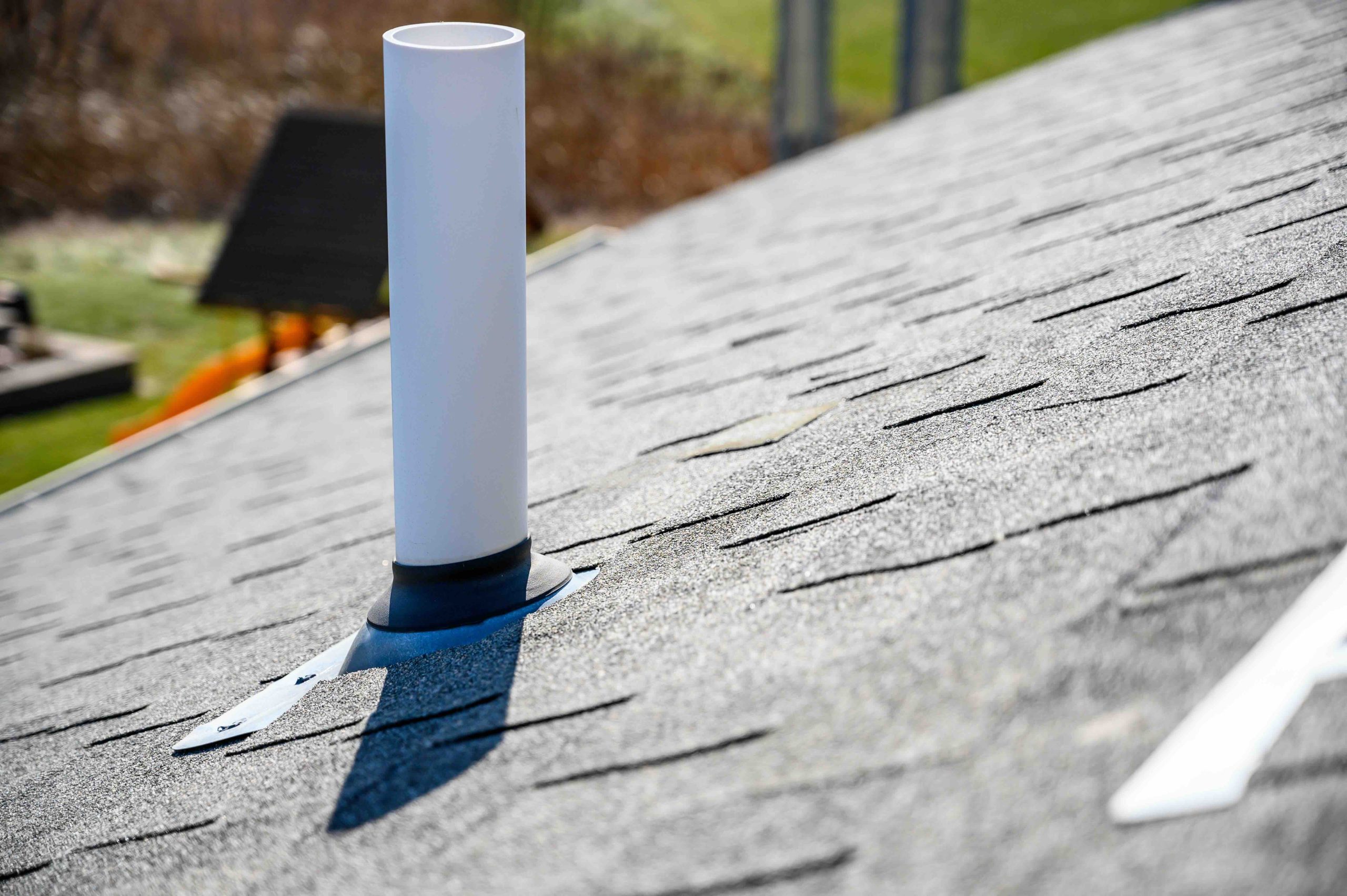
If you have ever looked up at your roofline and noticed a pipe sticking straight up through the shingles, that is your plumbing vent pipe, sometimes called a plumbing stack or roof vent stack. It plays a critical role in your home’s drain-waste-vent system. Without it, sewer gases would have nowhere to escape, and your drains would gurgle, slow down, or stop working altogether. The pipe allows air into the plumbing system so wastewater can flow freely, and it vents harmful gases like methane and hydrogen sulfide safely out of the home. It is one of those systems that nobody thinks about until something goes wrong, which is exactly why regular maintenance matters.
How a Plumbing Vent Pipe Actually Works
The vent pipe connects to your home’s main drain line and extends vertically through the roof. As water drains through your pipes, air needs to enter the system to replace it, otherwise you get a vacuum effect that creates those unpleasant gurgling sounds. The vent pipe solves this by pulling fresh air into the system while simultaneously pushing sewer gases upward and out through the roof opening. Think of it like the small hole in the top of a gas can. Without that opening, nothing pours smoothly. Your plumbing works the same way. The pipe is almost always made of PVC, ABS plastic, or cast iron, depending on the age of your home.
Signs Your Roof Vent Pipe Needs Cleaning
Because the pipe opening sits exposed on your roof, it is vulnerable to all kinds of blockages. Birds love to nest in them. Leaves, twigs, and debris collect inside, especially after storms. In colder climates, ice can form at the opening and seal it completely. Knowing the warning signs of a clogged vent pipe can save you from a much larger plumbing headache down the line. Watch for these indicators:
- Slow drains throughout multiple fixtures at once
- Gurgling sounds coming from toilets or sinks after water drains
- Sewer smell inside the home, particularly near drains
- Toilets that bubble when you run the bathroom sink
- Water backing up into fixtures that are not being used
If more than one of these symptoms shows up at the same time, a blocked vent pipe is a very likely culprit. A single slow drain usually points to a localized clog, but widespread plumbing issues across the house tend to trace back to the vent.
How to Clean a Vent Pipe on the Roof Safely
Cleaning the vent pipe is a manageable DIY task for homeowners who are comfortable on a ladder and on a roof surface. Safety is the first priority. Use a sturdy extension ladder, wear rubber-soled shoes, and always work with someone nearby in case something goes wrong. Never attempt this during wet weather or on a steep roof without proper safety equipment. Once you are safely on the roof, locate the vent pipe opening, typically a four-inch diameter pipe rising several inches above the shingles. Use a flashlight to look down inside the pipe. If you can see a blockage near the top, gloved hands or needle-nose pliers can often clear it directly. For deeper clogs, a plumber’s snake or drain auger fed down from the roof opening is the most effective tool. Run water from a garden hose down into the pipe afterward to flush out any remaining debris and confirm the blockage is gone. If water backs up immediately, the clog is deeper and may require a professional.
When to Call a Professional Instead
Not every vent pipe cleaning is a Saturday afternoon project. If the blockage is deep in the pipe, if you spot a bird nest with active inhabitants, if the pipe itself shows visible cracks or deterioration, or if your roof pitch makes safe access unrealistic, it is smarter to call a licensed plumber. Plumbers have commercial-grade augers, camera inspection tools, and the training to handle stubborn obstructions without damaging the vent stack or the surrounding roofing materials. Paying for professional service once is far less expensive than repairing a cracked pipe or damaged shingles caused by an overconfident DIY attempt.

How Often Should You Clean Your Roof Vent Pipe?
Most plumbing professionals recommend inspecting the roof vent pipe at least once a year, ideally in the fall before temperatures drop and debris accumulation peaks. Homes surrounded by tall trees may need inspection twice annually. If your home has a history of bird activity around the roofline, consider adding a pest guard or mesh cap over the vent opening. These caps allow air to move freely while blocking animals and large debris from entering. Just make sure any cap you install is specifically rated for plumbing vent pipes and does not restrict airflow.
Key Advantages of Keeping Your Vent Pipe Clear
Regular vent pipe maintenance delivers real, measurable benefits for your home. A clear vent means your entire plumbing system operates the way it was designed to, which reduces strain on drain lines, prevents backups, and eliminates sewer gas from entering your living spaces. Sewer gases are not just unpleasant, they can be hazardous to your family’s health over time. Keeping the vent pipe clean also protects the pipe itself. Organic debris that sits inside the pipe can accelerate corrosion in older metal pipes and create conditions where roots or pests establish themselves more easily. Prevention is almost always cheaper than repair.
Common Drawbacks and Limitations to Be Aware Of
Vent pipe maintenance does come with a few genuine limitations. Roof access is a real barrier for many homeowners, particularly those with two-story homes, steep pitches, or mobility concerns. The cleaning process also does not address every plumbing problem. If your drains are slow due to grease buildup inside the drain lines rather than a vent blockage, cleaning the vent pipe will not fix the issue. Additionally, older homes may have vent pipes made of cast iron or galvanized steel that are corroding from the inside, and no amount of cleaning will resolve structural pipe deterioration. In those cases, a full pipe inspection and possible replacement becomes the next conversation.
Does a Home Warranty Cover Vent Pipe Issues?
This is a question worth understanding clearly before an issue arises. Home warranties vary by provider, but most plans that cover plumbing systems will address internal pipe failures and drain line stoppages. Blockages caused by external debris, tree roots, or pest intrusion are less consistently covered and often depend on the specific language of your contract. Routine maintenance tasks like cleaning the vent pipe are generally considered homeowner responsibility and are not covered under standard warranty plans. However, if a vent pipe collapses, separates, or develops a leak as a result of a covered failure, many home warranty plans will address the resulting plumbing damage. Always read your plan details carefully.
Why Armadillo Is Worth Considering for Your Home’s Plumbing Protection
Plumbing problems have a way of showing up at the worst possible time, and when they do, the repair bills can be genuinely painful. Armadillo exists to take that financial stress off your plate. As a trusted home warranty provider for homeowners who want real plumbing system protection, Armadillo offers straightforward coverage without the fine print gymnastics that leave you wondering if anything is actually covered. When something goes wrong with your drains, your pipes, or your plumbing system, having a plan in place means you are calling for help rather than calculating how much it is going to cost. If you want to see what a plan looks like for your home, you can get a free home warranty quote that covers plumbing and more in just a few minutes. Keeping your vent pipe clean is your job. Covering what breaks behind the walls is where Armadillo steps in.

Frequently Asked Questions About Cleaning a Roof Vent Pipe
What is a roof vent pipe used for?
A roof vent pipe is part of your home’s plumbing system. It allows air into the drain-waste-vent system so wastewater flows freely, and it vents harmful sewer gases safely out of the home through the roof.
How do I know if my roof vent pipe is clogged?
Common signs include slow drains across multiple fixtures, gurgling sounds from toilets or sinks, sewer odors inside the home, and water backing up into unused fixtures. If several of these occur at once, a vent blockage is likely.
Can I clean the roof vent pipe myself?
Yes, if you are comfortable working on a roof safely. Use a flashlight to inspect the pipe, remove visible debris by hand or with pliers, and use a plumber’s snake for deeper clogs. Always work with another person nearby and avoid wet conditions.
What tools do I need to clean a plumbing vent pipe?
You will need a sturdy ladder, rubber-soled shoes, work gloves, a flashlight, needle-nose pliers for surface debris, and a drain auger or plumber’s snake for deeper blockages. A garden hose is useful for flushing the pipe after cleaning.
How often should a roof vent pipe be cleaned?
Inspect and clean the vent pipe at least once a year, ideally in the fall. Homes near large trees or with frequent bird activity near the roofline may benefit from twice-yearly inspections.
Can a blocked vent pipe cause sewer smell in the house?
Yes. When the vent pipe is blocked, sewer gases cannot escape through the roof and may instead be pushed back into the home through drain openings, causing unpleasant and potentially hazardous odors inside the house.
Will a home warranty cover a clogged or damaged vent pipe?
Coverage depends on your specific plan. Most home warranties cover internal plumbing failures, but routine cleaning and blockages from external debris are typically considered homeowner maintenance. If the pipe fails structurally, coverage is more likely to apply.
What can I put over the vent pipe to prevent future clogs?
A pest guard or mesh vent cap designed for plumbing vent pipes can block birds, leaves, and debris from entering while still allowing proper airflow. Make sure the cap is rated for plumbing use and does not restrict ventilation.
Is a gurgling toilet always a sign of a vent pipe problem?
Not always, but it is a strong indicator. Gurgling sounds from the toilet, especially when another fixture is draining nearby, suggest air is being pulled through the wrong path in the plumbing system, which often points to a vent restriction.
When should I call a plumber to deal with the vent pipe?
Call a licensed plumber if the blockage is too deep for a standard auger, if the pipe shows physical damage, if roof access is unsafe, or if clearing the vent does not resolve the plumbing symptoms throughout the home.