Can You Leave a Window Air Conditioner In All Winter? Here Is What Homeowners Need to Know
It is late October, the leaves are down, and you are standing in your living room staring at that window AC unit you installed back in June. The question hits you: do you actually have to take that thing out? It is heavy, awkward, and honestly a bit of a hassle. The short answer is that you can leave it in, but whether you should is a different conversation entirely. There are real trade-offs involved, and understanding them can save you money, prevent damage, and help you make a smarter call before the first freeze rolls in.
How a Window Air Conditioner Actually Works
Window air conditioners work by pulling warm indoor air over a set of refrigerant-cooled coils, releasing the heat outside, and circulating the now-cooled air back into your room. The unit sits partially inside and partially outside, which is exactly why winter creates a unique challenge. The components exposed to outdoor conditions, including the compressor, fan motor, condenser coils, and housing, are not exactly engineered to shrug off months of freezing temperatures, ice buildup, and snow accumulation. They are built to handle seasonal use, not year-round outdoor exposure. That distinction matters more than most homeowners realize.
What Happens When You Leave It In During Winter
Leaving a window AC unit installed through winter is not an automatic disaster, but it does come with a predictable set of consequences. Cold air seeps around the edges of the unit into your living space, drafts develop where the seal between the unit and the window frame weakens, and your heating system works harder to compensate. Beyond comfort, moisture becomes a serious issue. Condensation inside the unit can freeze, expand, and stress internal components. Pests are another concern because the gaps around an installed unit are an open invitation for insects and small rodents seeking warmth. None of this is catastrophic in a single season, but the cumulative effect shortens the lifespan of the unit and adds unnecessary strain to your home’s energy efficiency.

The Case for Removing It Each Fall
Removing a window AC unit before winter is the recommendation most HVAC professionals stand behind, and for good reason. Taking it out protects the unit from cold weather deterioration, eliminates the draft problem entirely, and allows you to properly weatherize the window for the heating season. Storage indoors keeps the components dry and intact. You also get a chance to inspect the unit, clean the filter, and address any small issues before you need it again in spring. If your unit is on the heavier side, this is a good time to recruit some help or invest in a window AC removal support bracket, which makes the job considerably safer.
When Leaving It In Might Make Sense
There are situations where leaving the unit installed is a reasonable decision. If you live in a mild climate where winter temperatures rarely drop below freezing, the risks are significantly reduced. If removing the unit requires dismantling a mounting bracket or navigating a difficult window situation, the hassle may genuinely outweigh the benefit in certain climates. Some homeowners in warmer southern regions run their window units well into fall and occasionally fire them up on a warm winter day. If leaving it in is the path you choose, protecting it properly becomes the priority.
How to Protect a Window AC Unit You Are Leaving Installed
If you decide the unit stays put, a few protective steps can make a real difference in how the unit holds up and how comfortable your home stays throughout winter. These steps are not complicated, but skipping them creates the problems most homeowners complain about come spring.
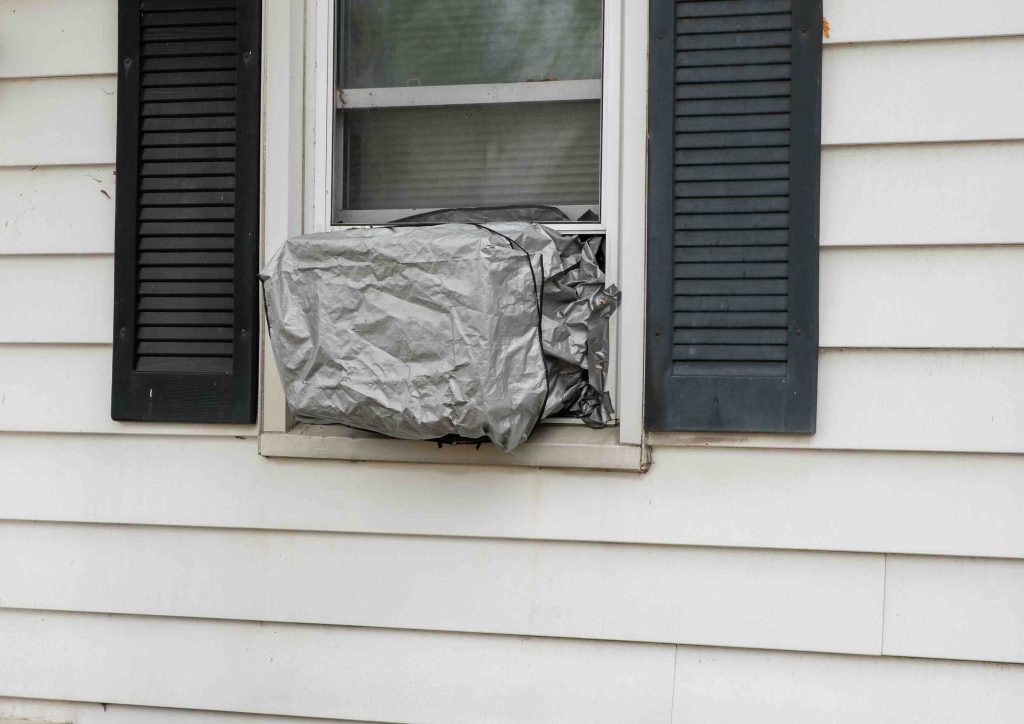
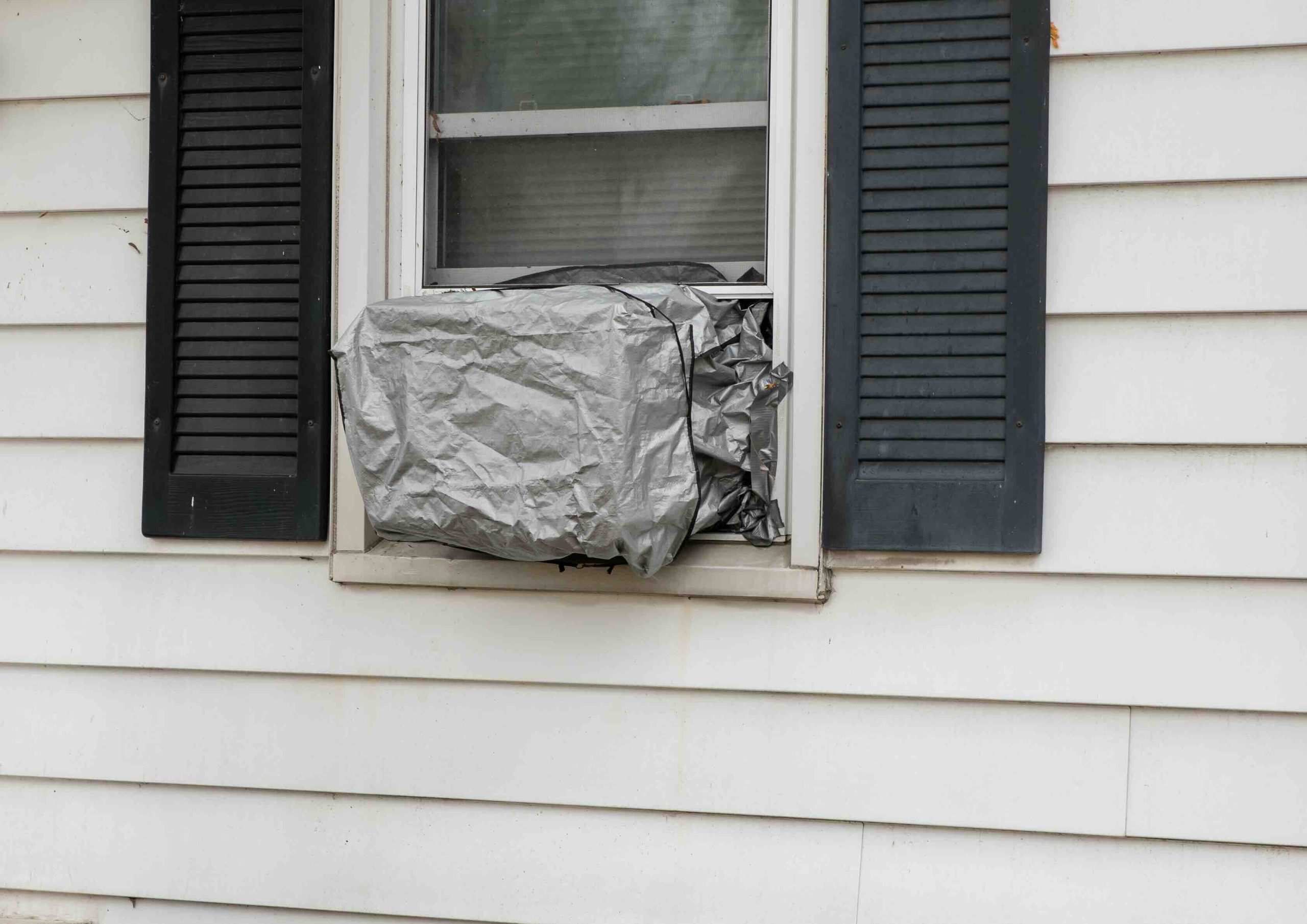
- Install a fitted exterior AC cover to block moisture, debris, and cold air from entering the unit from outside
- Seal the gaps around the unit on the interior side using foam weatherstripping or draft-blocking insulation panels
- Check the drainage opening and clear any debris that could trap moisture inside the unit
- Inspect the window seal itself and recaulk if necessary to prevent air infiltration around the frame
- Avoid running the unit in temperatures below 60 degrees Fahrenheit, as the refrigerant does not function efficiently in cold conditions and compressor damage can result
Energy Efficiency and Heating Costs to Consider
One of the most overlooked costs of leaving a window AC unit in during winter is the impact on your heating bill. Even a well-sealed unit creates a thermal weak point in your window. Heat escapes around and through the unit at a rate that a properly closed, insulated window simply would not allow. Over the course of a heating season, that energy loss adds up. Studies on home energy efficiency consistently identify unsealed window gaps as a top contributor to heat loss. A single poorly sealed window AC unit can account for a meaningful increase in monthly heating costs, particularly in colder climates. It is not always a dramatic number, but it is a real one, and it compounds over multiple winters.
Common Mistakes Homeowners Make With Window AC Units in Winter
- Using a plastic tarp instead of a fitted cover, which can trap moisture rather than repel it
- Covering the interior vents without addressing the exterior exposure, solving half the problem
- Assuming the unit is sealed because it was installed tightly in summer, without checking for seasonal shifting or seal degradation
- Forgetting to clean the filter before storage or before winter use, which reduces airflow and strains the motor
- Running the unit briefly on an unseasonably warm winter day without checking whether the compressor is safe to operate in current conditions
Does a Home Warranty Cover Window Air Conditioners
This is a question worth pausing on. Home warranties vary considerably in what they cover, and window air conditioners occupy a sometimes ambiguous space within most plans. Central air conditioning systems are commonly covered under standard home warranty agreements. Window units, however, are typically considered portable or freestanding appliances rather than built-in systems, which can place them outside standard coverage. Some home warranty providers offer appliance add-ons or expanded plans that include these types of units. If your home relies heavily on window AC units for cooling, it is worth reviewing your warranty terms carefully and asking your provider directly about what qualifies. The answer often depends on how the unit is classified within your specific plan.
Why Armadillo Is Worth Considering for Your Home Warranty Needs
When you are dealing with appliance decisions, seasonal maintenance questions, and the general responsibility of keeping a home in good shape, having the right coverage in your corner changes everything. Armadillo was built for homeowners who want protection that is straightforward, honest, and actually useful when something goes wrong. Whether it is your HVAC system, your appliances, or the systems working quietly behind the walls of your home, Armadillo provides coverage that does not hide behind fine print. Homeowners who want to understand exactly what they are covered for before a problem happens can explore home warranty protection plans designed for real homeowners and find options that fit their home and their budget. If you are ready to stop guessing and start protecting your home with a plan that makes sense, you can get a personalized home warranty quote for your cooling and home systems in just a few minutes. Your home does a lot of work year-round. Your warranty should too.

Frequently Asked Questions About Leaving a Window AC Unit In During Winter
Homeowners ask these questions every fall, and the answers are worth having before the cold sets in.
Is it safe to leave a window air conditioner in during winter?
It is generally safe in mild climates, but in regions with freezing temperatures, leaving the unit in without proper protection can damage internal components, increase heat loss, and create pest entry points.
Will leaving a window AC unit in all winter damage it?
Prolonged exposure to freezing temperatures, moisture, and ice can stress the compressor, corrode components, and degrade seals over time, shortening the overall lifespan of the unit.
What is the best way to protect a window AC unit in winter if I leave it installed?
Use a fitted exterior cover designed for window AC units, seal interior gaps with weatherstripping or foam insulation panels, and clear the drainage opening to prevent moisture buildup.
Can a window air conditioner cause drafts in winter?
Yes. Even a properly installed unit creates a weaker thermal barrier than a closed window, and gaps around the unit allow cold air to infiltrate, making your heating system work harder.
Should I run my window AC unit on a warm winter day?
Running a window air conditioner in temperatures below 60 degrees Fahrenheit is not recommended. The refrigerant does not circulate efficiently in cold conditions and compressor damage is possible.
Does removing a window AC unit in fall really save money on heating?
Yes. Removing the unit and properly sealing the window eliminates a significant source of heat loss, which reduces the load on your heating system and can lower monthly energy costs.
Are window air conditioners covered under a standard home warranty?
Coverage varies by provider. Central AC systems are commonly included, but window units are often classified as portable appliances and may require an appliance add-on or upgraded plan for coverage.
How do I store a window AC unit properly over winter?
Store the unit indoors in a dry location, clean the filter before storage, cover the unit to keep dust out, and keep it upright to protect the compressor and refrigerant lines.
How long does a window air conditioner typically last?
With proper care and seasonal storage, a window AC unit can last between eight and twelve years. Units left exposed to harsh winter conditions year after year may fail sooner.
What type of cover should I use for a window AC unit left in during winter?
Use a cover specifically designed for window air conditioners, ideally one with a waterproof exterior and breathable lining to prevent moisture from becoming trapped inside the unit housing.