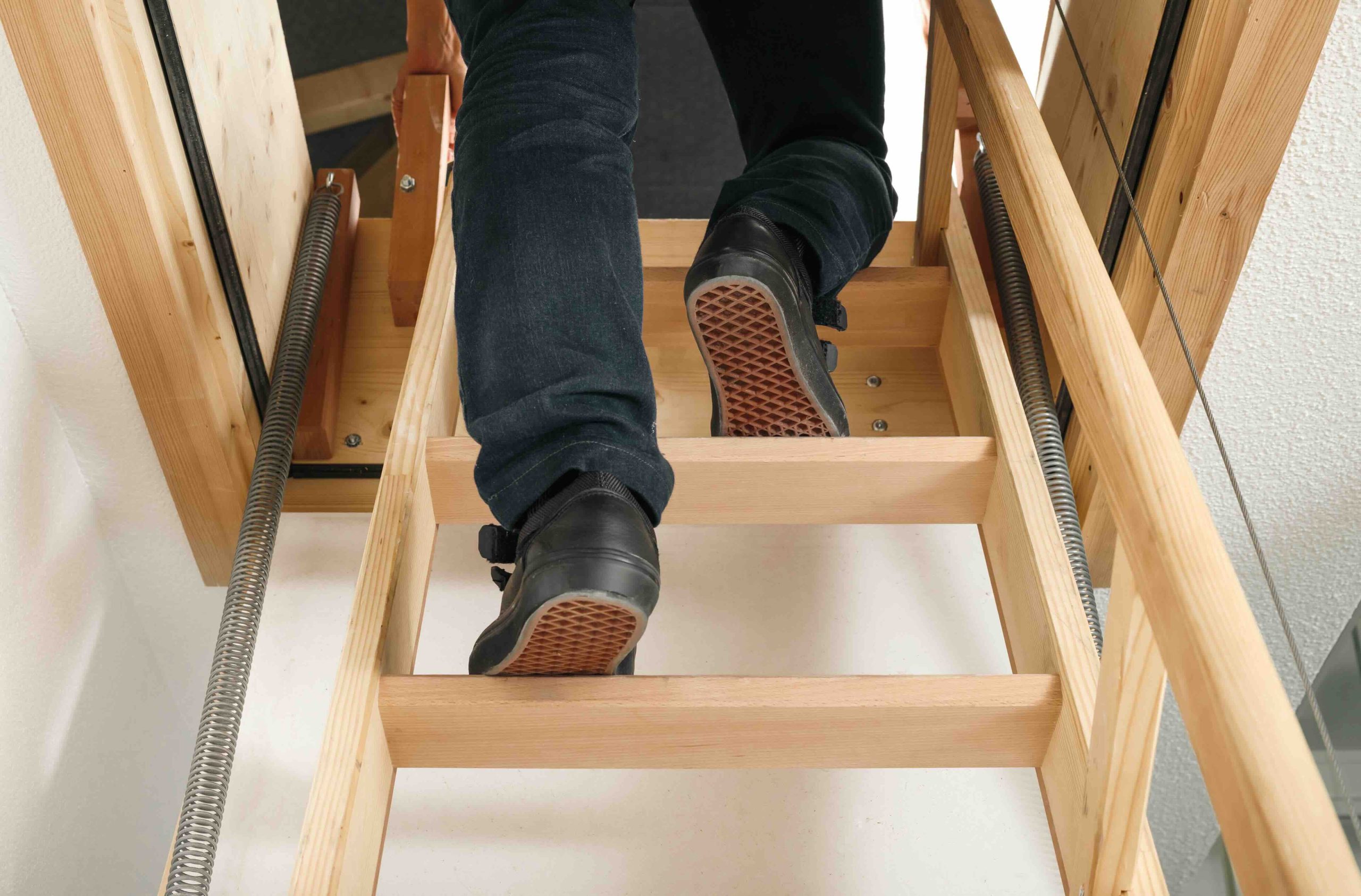
What Are Attic Stairs and Why Do They Matter More Than You Think
Attic stairs are one of those home features that most people use without giving them a second thought, right up until something goes wrong. Whether you have a fold-down ladder tucked into your ceiling or a full pull-down stair system, these retractable access points connect your living space to what is often one of the most storage-rich and mechanically important areas of your home. They take a beating over time, and the repairs that come with that wear are more common than homeowners expect. Understanding how attic stairs work, what tends to fail, and what it actually costs to fix them is the kind of knowledge that makes you a smarter, more prepared homeowner.
How Attic Stairs Actually Work
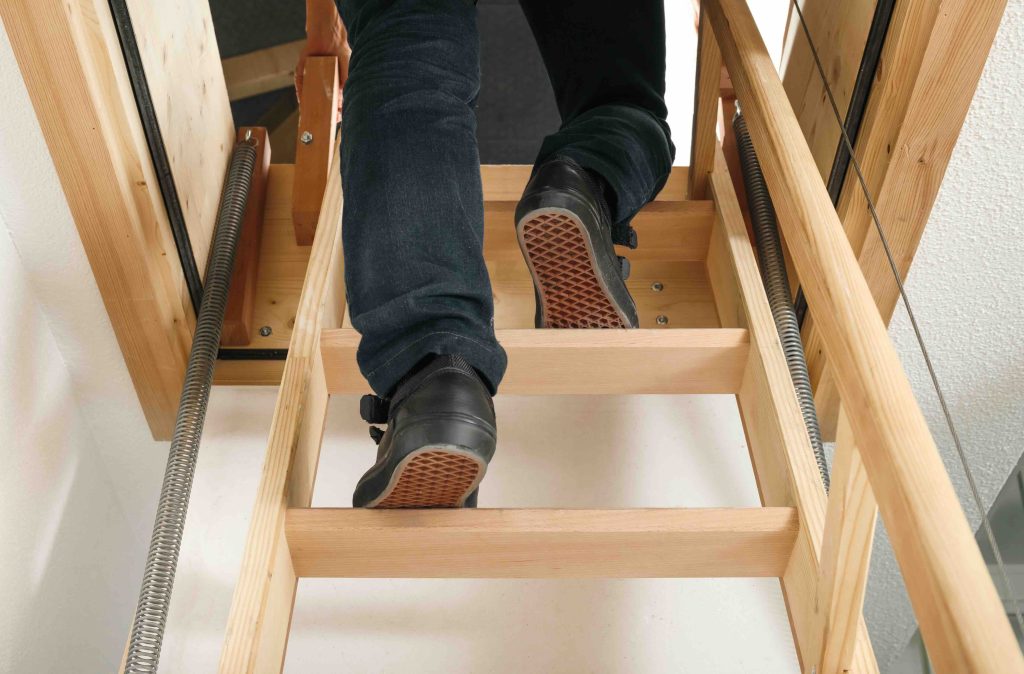
Most residential attic stair systems operate on a spring-loaded folding mechanism. When you pull the dangling cord or handle, a panel in the ceiling swings open and a collapsible ladder unfolds in sections toward the floor. The springs bear the weight of the door and ladder assembly, making it possible to lower the whole thing with minimal effort. Some systems use a scissor-style folding mechanism while others use a telescoping design. Higher-end installations may include insulated panels and metal hardware rated for heavier loads. The mechanism sounds simple, but there are actually quite a few components at play, including the springs, hinges, bolts, wooden treads, and the ceiling frame itself. Each of these can degrade over time, especially in homes where attic temperatures swing dramatically with the seasons.
Common Attic Stair Problems Homeowners Run Into
The most frequent complaint is difficulty opening or closing the stairs. That usually comes down to worn or broken springs, which lose their tension after years of use. Squeaking and creaking sounds during operation often point to loose hinges or dry pivot points that need lubrication. Cracked or broken wooden treads are another common issue, particularly in older homes where the lumber has dried out and become brittle. Sometimes the entire attic door frame becomes misaligned due to settling in the home’s structure, which makes the panel difficult to close properly. In other cases, the pull cord frays or breaks entirely, leaving homeowners improvising with a broomstick to pry the door open. None of these are catastrophic failures, but they do compound over time if left unaddressed.

Key Advantages of Maintaining Your Attic Stair System
Keeping your attic stairs in good working order is about more than just convenience. A properly functioning stair system provides safe, reliable access to your attic for seasonal storage, HVAC filter changes, insulation inspections, and more. When the stairs are broken or unreliable, homeowners tend to avoid the attic altogether, which means small problems up there go undetected for longer. An insulated attic door panel also plays a meaningful role in your home’s energy efficiency. If the panel does not seal correctly because a hinge is bent or the frame is warped, you are essentially leaving a gap in your thermal envelope, and that shows up on your energy bills. The advantages of a well-maintained system are straightforward but genuinely meaningful for home safety, efficiency, and peace of mind.
The Drawbacks and Limitations You Should Know About
Attic stairs have real limitations that are worth understanding before you invest in repairs or a full replacement. Even high-quality pull-down stair systems have weight limits, typically between 250 and 350 pounds, which means they are not designed for heavy or frequent commercial-style use. Older wooden systems in particular can become structurally unreliable, and repairs may only extend their life by a few more years before replacement becomes the more cost-effective path. Attic stairs are also not particularly energy efficient by design. Even with insulation added, they represent a thermal weak point in your ceiling. Additionally, standard pull-down systems do not meet the accessibility needs of everyone in the household, which is something to consider if mobility is a concern.
Repair vs. Replacement: How to Make the Right Call
Deciding whether to repair or replace your attic stairs comes down to a few key factors. Here is a general breakdown to help you evaluate your situation:
- If only the springs or hinges are worn, a repair is usually cost-effective and relatively straightforward for a skilled handyperson or contractor.
- If multiple wooden treads are cracked or splintered, replacement may be safer and more economical than patching each one individually.
- If the ceiling frame or rough opening has sustained damage from water intrusion or structural shifting, a full replacement with proper reframing is likely the right move.
- If the system is more than 15 to 20 years old and showing multiple signs of wear simultaneously, replacement offers better long-term value than layered repairs.
- If energy efficiency is a priority, upgrading to a newer insulated attic door system during replacement is a practical improvement worth considering.
What Attic Stair Repairs Typically Cost
Repair costs vary quite a bit depending on the nature of the problem and your local labor rates. Spring replacements tend to run in the range of $75 to $200 including labor. Replacing damaged treads can cost anywhere from $50 to $150 depending on the number involved. A full attic stair unit replacement, including the stair system itself and installation labor, typically falls between $300 and $700 for standard models, with premium insulated systems pushing closer to $1,000 or more. These are not enormous numbers individually, but they add up if your home requires multiple visits or if the rough opening needs carpentry work to accommodate a new unit. Having a clear sense of these cost ranges helps you evaluate quotes and avoid being caught off guard.
Practical Maintenance Tips to Extend the Life of Your Attic Stairs
A little preventive attention goes a long way with attic stair systems. Most homeowners skip this entirely, which is why repairs come as a surprise. A few habits worth building into your routine include:
- Lubricate the hinges and spring hardware annually using a silicone-based spray or light machine oil to reduce friction and wear.
- Check the wooden treads for cracks or soft spots every year, especially after extreme temperature seasons.
- Inspect the pull cord or handle for fraying and replace it before it breaks entirely.
- Verify that the attic door panel closes flush with the ceiling to maintain its insulating function.
- Tighten any visible bolts or fasteners that may have vibrated loose over time.
How a Home Warranty Can Help With Attic Stair Repairs
This is where it gets genuinely useful from a financial planning perspective. Home warranty plans vary widely in what they cover, and attic stairs are one of those components that may or may not be included depending on how the plan is structured. Some plans cover built-in structural components and access systems, while others focus narrowly on appliances and HVAC. If attic stair repair falls under a covered component in your plan, you could file a claim and have a qualified technician dispatched rather than sourcing and vetting a contractor yourself. The value is not just in the dollar savings but also in the reduced friction of the process. For homeowners who are managing a busy household, the convenience factor alone is often worth the cost of the plan. Understanding exactly what your warranty covers before you need it is the key to getting real value from it.
Why Armadillo Is Worth Considering for Home Warranty Coverage
When something like your attic stairs stops working correctly, the last thing you want is to navigate a complicated claims process or discover that your coverage has a loophole you did not see coming. That is where Armadillo home warranty protection for homeowners stands apart. Armadillo was built with transparency as a core principle, meaning the coverage terms are written to be understood by actual people, not just attorneys. When your attic access system or other covered home component needs attention, the process is designed to get you help quickly without the runaround. If you are ready to stop leaving your home’s repair costs to chance, you can get a free home warranty quote for attic stair and home system coverage in just a few minutes. Protecting your home does not have to be complicated, and with the right plan in place, an unexpected repair becomes a manageable inconvenience rather than an unwelcome financial hit.

Frequently Asked Questions About Attic Stair Repair
How do I know if my attic stairs need to be repaired or replaced?
If only one or two components are failing, such as a spring or a single tread, repair is usually the right call. If the system is old, structurally compromised, or showing multiple simultaneous failures, replacement is likely the smarter long-term investment.
Can I repair attic stairs myself?
Some repairs, like replacing a pull cord or lubricating hinges, are reasonable DIY tasks. However, spring replacement and frame repair involve tension components and structural elements that are best handled by an experienced contractor to avoid injury.
How long do attic stair systems typically last?
A quality attic stair system can last 15 to 25 years with regular maintenance. Wooden systems in climates with significant temperature variation tend to degrade more quickly than metal or composite systems.
Are attic stairs covered by a home warranty?
Coverage depends entirely on the specific plan. Some home warranty providers include built-in access systems and structural components, while others do not. Always review your plan documents carefully and ask your provider directly about attic stair coverage.
What causes attic stair springs to break?
Springs lose tension over time due to repeated use and temperature-related expansion and contraction. Rust and corrosion in humid environments can also accelerate spring failure significantly.
How much does it cost to replace attic stairs?
A standard attic stair replacement typically costs between $300 and $700 for the unit and installation. Premium insulated models or situations requiring carpentry work to resize the rough opening can push the total closer to $1,000 or more.
Do attic stairs affect home energy efficiency?
Yes. An improperly sealed attic door panel allows conditioned air to escape and unconditioned attic air to enter your living space. Upgrading to an insulated panel or ensuring a proper seal can have a measurable impact on energy bills.
How often should I lubricate my attic stairs?
Once a year is a reasonable maintenance interval for lubricating the hinges, springs, and pivot points on your attic stair system. More frequent lubrication may be beneficial in dry climates or older systems with metal-on-metal contact points.
What weight limit do attic stairs support?
Most residential pull-down attic stair systems are rated to support between 250 and 350 pounds. Always check the manufacturer specifications for your particular unit before loading the stairs with heavy materials.
Is a permit required to replace attic stairs?
In many jurisdictions, replacing attic stairs within an existing rough opening does not require a permit. However, if you are altering the ceiling framing or changing the size of the opening, a permit may be required. Check with your local building department before beginning the work.