Is Radiant Floor Heat Worth It? What Homeowners Need to Know Before They Commit
There is something genuinely appealing about the idea of warm floors on a cold morning. No blasting vents, no cold tile shock, just steady, quiet heat rising up from beneath your feet. Radiant floor heating has been around for decades, but it still raises a lot of questions for homeowners who are considering it for the first time. Is it expensive to run? Is it hard to maintain? And what happens when something goes wrong? This article breaks it all down in plain terms so you can make a well-informed decision about whether radiant floor heat belongs in your home.
What Is Radiant Floor Heating and How Does It Work
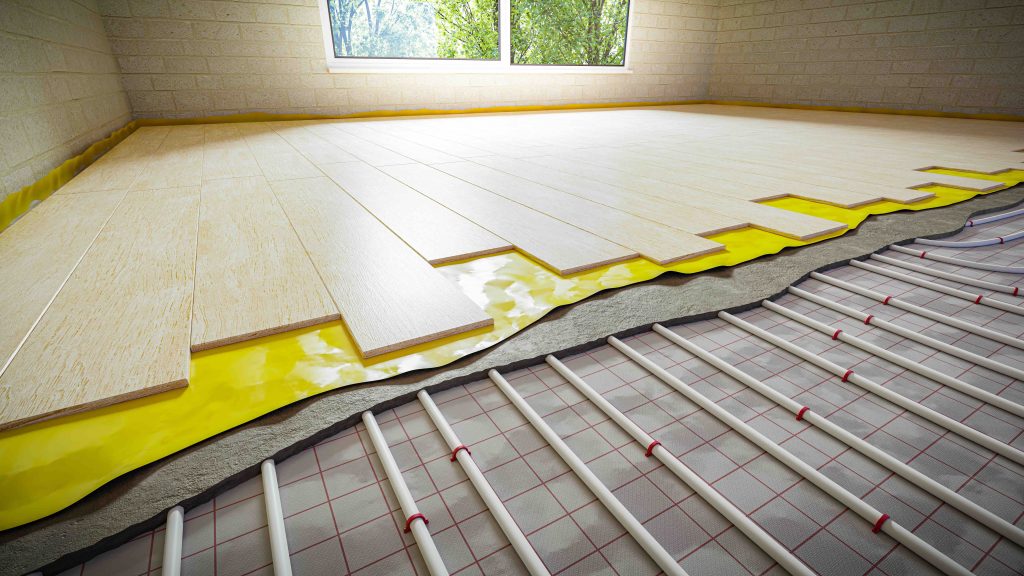
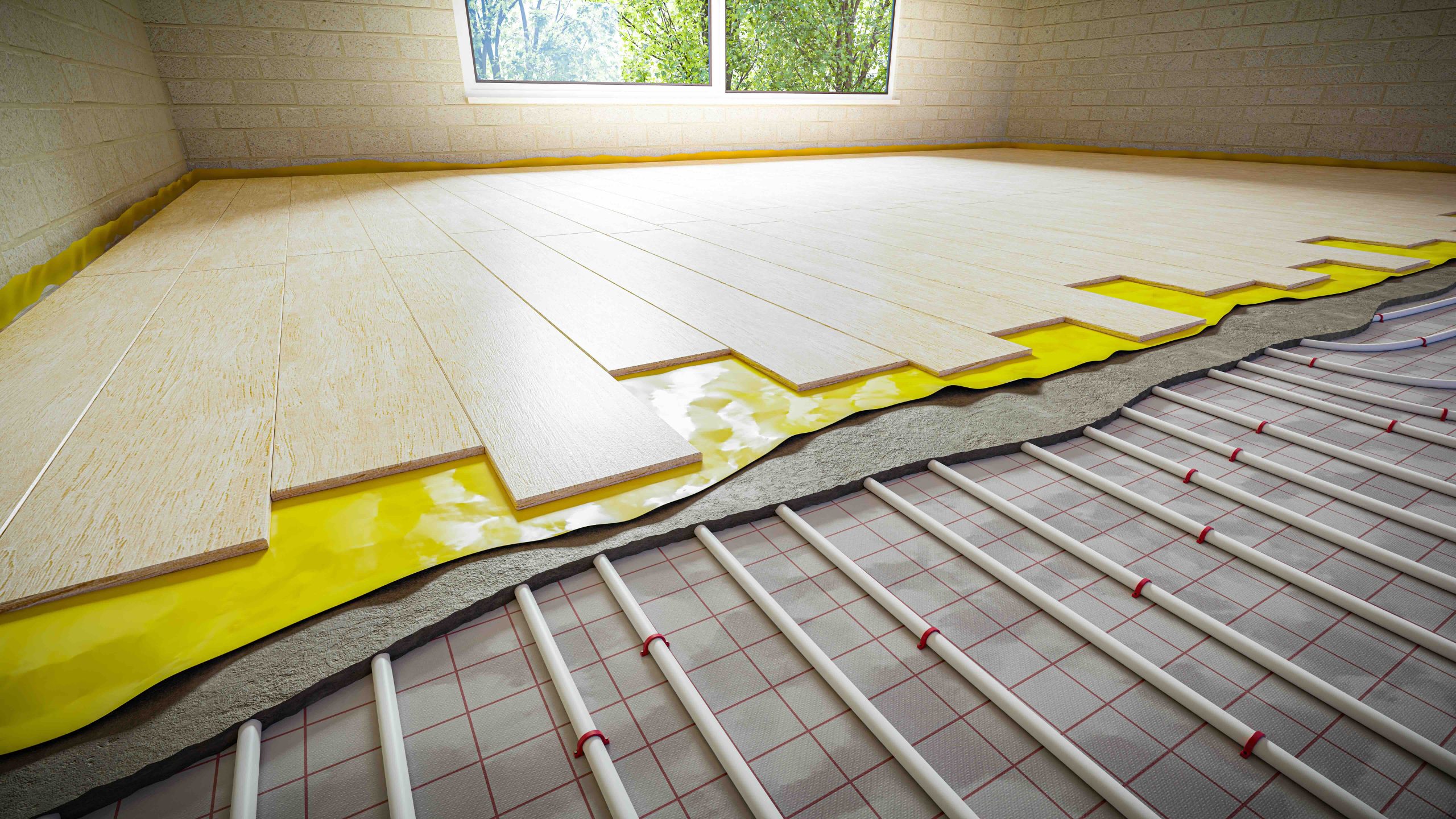
Radiant floor heating is a system installed beneath the floor surface that heats a room from the ground up rather than pushing warm air through ducts or vents. There are two main types. Hydronic systems use heated water that circulates through a network of flexible tubing embedded in or beneath the floor. Electric systems use a series of heating cables or mats wired into the subfloor. Both work by radiating heat upward through the floor surface and into the living space. This method of heat transfer is fundamentally different from forced air systems, which rely on air movement to distribute warmth. Because radiant heat warms surfaces and objects directly rather than just the air, rooms feel consistently comfortable at lower thermostat settings.
The Two Types of Radiant Floor Heat Compared
Understanding the difference between hydronic and electric radiant systems matters a lot when budgeting and planning. Hydronic systems are more expensive to install, but they are generally cheaper to operate over time, especially in larger spaces or whole-home applications. They require a boiler or water heater as the heat source, which adds to the complexity of the system. Electric systems, on the other hand, are more affordable to install and are often used in smaller areas like bathrooms or kitchens. They cost more to run because electricity tends to be more expensive than gas or other fuel sources. For targeted warmth in a single room, electric makes sense. For a whole-home setup, hydronic is usually the smarter long-term investment.

How Much Does Radiant Floor Heat Cost to Install
Installation costs vary significantly depending on the system type, the size of the space, and whether the work is new construction or a retrofit into an existing home. For electric systems, homeowners typically spend between eight and fifteen dollars per square foot for materials and labor. Hydronic systems can range from ten to twenty-five dollars per square foot or more, depending on the complexity of the boiler setup and the layout of the tubing. Retrofitting radiant heat into an existing home is more disruptive and costly than installing it during new construction, since the floor often needs to be lifted or replaced entirely. This is one area where getting multiple contractor quotes pays off.
The Real Operating Costs of Radiant Floor Heat
Running costs depend heavily on the system type, the home’s insulation quality, local energy prices, and how the system is used. Hydronic radiant systems connected to a high-efficiency boiler can be among the most cost-effective heating options available, particularly in well-insulated homes. Electric radiant systems in a bathroom might add only a small amount to a monthly electric bill if used with a programmable thermostat. The key factor that many homeowners overlook is thermal mass. Radiant floors warm up slowly and stay warm for a long time, which means they work best when left running on a consistent schedule rather than being switched on and off repeatedly. Managing this with smart thermostats can reduce operating costs meaningfully over a heating season.
Key Advantages of Radiant Floor Heating
There are several genuine benefits that make radiant floor heat appealing beyond just the comfort factor. Here is what homeowners consistently cite as the biggest wins:
- Even, consistent heat distribution with no cold spots or drafts
- Silent operation with no blower noise or air movement
- Improved indoor air quality since there are no ducts to collect dust or allergens
- Lower thermostat settings can feel just as comfortable compared to forced air
- Works beautifully under tile, stone, hardwood, and some laminate flooring types
- Long system lifespan, particularly for hydronic systems, which can last decades when properly maintained
Common Drawbacks and Limitations to Consider
Radiant floor heat is not perfect for every situation, and knowing the limitations upfront saves a lot of frustration later. The most commonly cited drawback is the slow response time. These systems take hours to warm up, which makes them poorly suited for homes where heating needs are unpredictable or intermittent. They also require compatible flooring materials. Thick carpet can act as insulation and significantly reduce efficiency. Additionally, the upfront installation cost is substantial, and repairs can be complicated if a leak develops in a hydronic system or a cable fails in an electric one, since the heating elements are hidden beneath the floor surface. Homeowners should also know that radiant heat alone may not be sufficient in very cold climates without supplemental heating.
Radiant Floor Heat and Flooring Compatibility
Not all flooring types work equally well with radiant systems. Ceramic and porcelain tile are the most compatible because they conduct heat efficiently and hold warmth well. Natural stone behaves similarly. Engineered hardwood can work with radiant heat, but solid hardwood is more prone to expansion and contraction and requires careful installation protocols. Luxury vinyl plank has become increasingly popular with radiant systems because it is dimensionally stable and conducts heat reasonably well. Thick carpet or padding over a radiant system is not recommended, as it insulates the floor and defeats the purpose of the heating system. Always check manufacturer specifications before pairing any flooring product with a radiant system.
Maintenance and Repair Realities for Radiant Floors
One of the selling points of radiant floor heating is that these systems require minimal routine maintenance compared to forced air systems, which have filters, fans, and ductwork to service regularly. Hydronic systems do require periodic checks of the boiler, pressure levels, and fluid condition. Electric systems have very few moving parts and tend to just work quietly in the background. That said, when something does go wrong, access to the heating elements can be challenging and expensive. A damaged hydronic tube beneath a tile floor, for example, may require floor removal to locate and repair the source of the problem. This is exactly the kind of unexpected repair cost that can blindside homeowners who are not financially prepared for it.
Why Armadillo Is Worth Considering When You Have Radiant Heat
Radiant floor heating is an investment, and like any home system, it carries the potential for unexpected repair costs. That is where having dependable home warranty coverage makes a real difference. Armadillo home warranty plans for homeowners with radiant heating systems are designed to provide straightforward, honest protection without the fine print runaround. Whether you are dealing with a malfunctioning boiler connected to your hydronic system or electrical components on the fritz, having coverage in place means you are not scrambling for cash when things go sideways. If you have been putting off protecting your home systems, now is a smart time to act. You can get a free home warranty quote for radiant floor heating coverage in just a few minutes and see exactly what kind of protection fits your home and budget. Armadillo keeps things simple, transparent, and genuinely helpful, which is what homeowners with systems this complex actually need.

Frequently Asked Questions About Radiant Floor Heating
Here are answers to the most common questions homeowners ask when researching radiant floor heat.
Is radiant floor heating expensive to run every month?
Operating costs vary based on system type, home insulation, and local energy rates. Hydronic systems tend to be the most cost-efficient for larger spaces, while electric systems cost more per square foot to operate but are practical for smaller areas like bathrooms when used with programmable thermostats.
Can radiant floor heat be installed under existing floors?
Yes, but it is more complex and costly than new construction installation. Retrofitting typically requires lifting or replacing existing flooring, which adds labor and material costs. Some thin electric mat systems can be installed with minimal floor height impact in certain situations.
How long does a radiant floor heating system last?
Hydronic radiant systems can last 20 to 35 years or more with proper maintenance of the boiler and fluid levels. Electric radiant systems also have long lifespans and can function reliably for 20 or more years when installed correctly.
Does radiant floor heat work with all types of flooring?
No. Tile, stone, and engineered hardwood work best. Thick carpet and padding significantly reduce efficiency. Always verify compatibility with flooring manufacturers before installation to avoid voiding warranties or reducing system performance.
Is radiant heat better than forced air heating?
For comfort and indoor air quality, many homeowners prefer radiant heat. It distributes warmth evenly, operates silently, and does not circulate dust or allergens. However, it heats slowly and may not be ideal as the sole heating source in extreme climates.
Can radiant floor heating be used as the primary heat source for a whole home?
In many climates and well-insulated homes, yes. However, in very cold regions, supplemental heating may be needed. The system must be properly sized by a qualified professional to ensure adequate heat output for the entire square footage.
What happens if a radiant floor heating system breaks?
For electric systems, a failed cable or mat may require locating the fault with diagnostic tools and potentially removing floor sections for repair. For hydronic systems, a leak in the tubing beneath the floor can be difficult and expensive to access and fix, making home warranty coverage particularly valuable.
Is radiant floor heat a good investment for resale value?
Radiant heat is generally viewed as a premium feature and can be appealing to buyers, particularly in bathrooms and kitchens. While it may not dramatically increase appraisal value on its own, it can make a home more attractive in a competitive market.
How long does it take for radiant floors to heat up a room?
Radiant systems are slow to respond, often taking several hours to bring a space to the desired temperature. This is why they work best when operated continuously on a thermostat schedule rather than being turned on only when heat is immediately needed.
Does a home warranty typically cover radiant floor heating systems?
Coverage varies by provider and plan. Some home warranty companies exclude or limit radiant floor heating coverage due to the complexity of repairs. It is important to review plan details carefully and choose a provider who clearly outlines what is and is not covered for these types of systems.