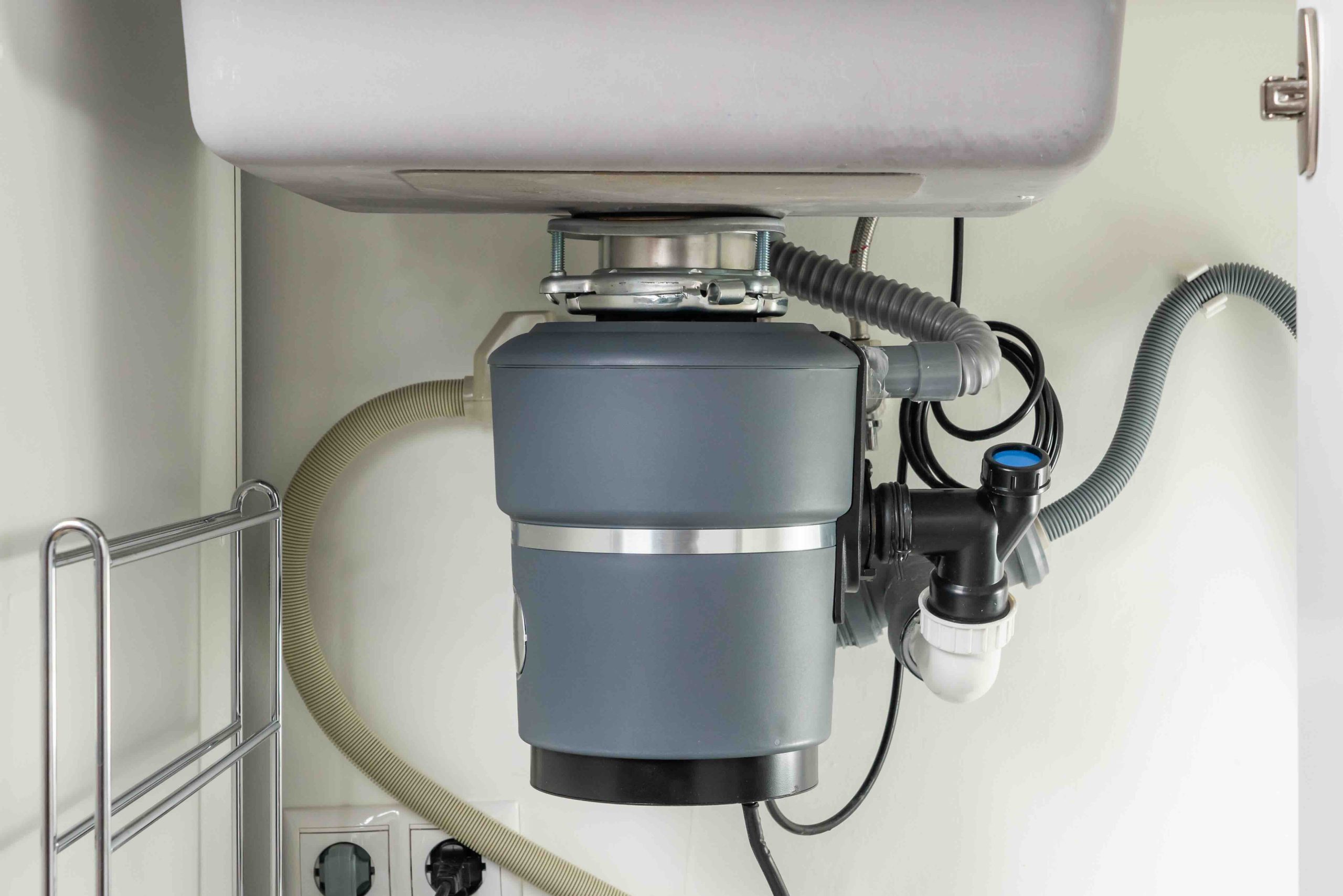
Why Your Kitchen Sink Smells and What You Can Actually Do About It
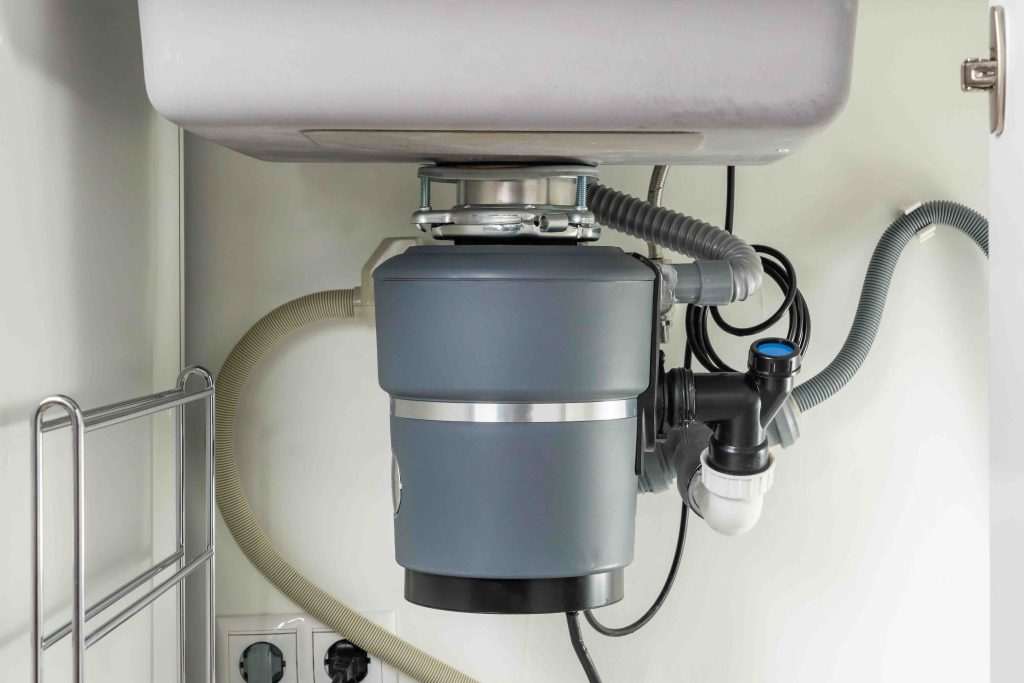
You walk into your kitchen, and something just smells off. Not the trash, not the counter, not yesterday’s dinner. It is coming from the sink. More specifically, it is coming from the garbage disposal. That damp, musty, sometimes borderline rotten smell is one of the most common complaints homeowners have about their kitchen, and it makes sense when you think about what a disposal actually does all day. Food scraps, grease, and moisture collect inside that unit, and without regular deodorizing, the buildup starts to announce itself. The good news is that fixing this problem is genuinely straightforward once you understand what you are working with.
What Is a Garbage Disposal Deodorizer and How Does It Work
A garbage disposal deodorizer is any product or method designed to neutralize and eliminate the odors that build up inside your disposal unit. Some come in tablet or pod form, others are foaming solutions, and some are as simple as natural household ingredients. The principle behind all of them is roughly the same: break down the organic residue clinging to the grinding components, the drain walls, and the rubber splash guard, and neutralize the bacteria responsible for producing the smell. The disposal itself sits in a dark, wet, food-exposed environment, which is essentially ideal conditions for bacterial growth. A deodorizer does not just mask that with a fragrance. The best ones actually address the source.
The Best Garbage Disposal Deodorizer Options Available to Homeowners
There is no single universally agreed-upon best product, but a few categories consistently rise to the top. Citrus-based foam cleaners are widely regarded as among the most effective because the acidity helps break down grease and residue while leaving a genuinely clean scent behind. Disposer cleaning tablets, like those made by brands such as Glisten or Plink, are also popular because they are easy to use and require almost no effort. On the natural side, baking soda combined with white vinegar remains one of the most cost-effective methods for regular maintenance. Ice cubes with coarse salt can help scrub the grinding components mechanically. Each approach has its place depending on how severe the odor is and how often you want to maintain the unit.

Key Advantages of Using a Garbage Disposal Deodorizer Regularly
Routine deodorizing does more than just keep the kitchen smelling clean. It extends the functional life of the disposal itself by reducing the layer of organic buildup that can interfere with the grinding mechanism over time. It also helps prevent drain slowdowns caused by grease accumulation. There is a broader home hygiene element here too. Bacteria that thrive in a smelly disposal can migrate to surrounding surfaces through the air and water contact during use. Consistent deodorizing keeps that ecosystem under control. For homeowners who cook frequently or have households with heavy food waste output, doing this weekly makes a real difference. For lighter use households, a biweekly or monthly routine is usually sufficient.
Common Drawbacks and Limitations Worth Knowing
Not every deodorizer on the market is equally effective, and some are essentially just fragrance products that cover the smell rather than eliminate it. That distinction matters. A product that leaves your disposal smelling like lemons for two days but does not address the bacterial buildup is not solving your problem in any meaningful way. Some foam-based products can also be overused, leading to excess residue in the drain if applied too frequently. Natural methods, while effective, require a bit more hands-on effort and may not be sufficient for disposals that have gone a long time without cleaning. The spray guard, that rubber flap at the top of the disposal, is frequently overlooked and is often the actual source of the worst odor. No deodorizer addresses that unless you physically clean it yourself.
How to Properly Clean the Rubber Splash Guard
The rubber splash guard, sometimes called the baffle, is the number one source of ignored odor in most kitchen disposals. Food particles get trapped in the underside of those rubber flaps and just sit there. Cleaning it requires you to either flip the flaps up manually and scrub them with a dish brush and dish soap, or remove the guard entirely if your model allows it. This should be done at minimum once a month. Even the best deodorizing tablet will not fully address your odor problem if this component is dirty. It takes about two minutes and makes an immediate, noticeable difference. Think of it as the step most deodorizer instructions quietly assume you are already doing.
Practical Tips for Maintaining a Fresh-Smelling Disposal Long Term
Deodorizing works best when it is part of a broader maintenance routine rather than a reactive fix. Here are a few habits that go a long way:
- Always run cold water for at least 15 to 20 seconds after the disposal finishes grinding to flush residue through the drain line
- Avoid putting starchy foods like potato peels, pasta, or rice down the disposal, as these create a paste-like buildup that traps odors
- Drop half a lemon or lime into the disposal and run it every week or two for a quick refresh between deeper cleanings
- Never pour grease or oil down the drain, even with the disposal running, since it solidifies and collects debris
- Keep the disposal dry between uses when possible by running it briefly to clear any standing water
When an Odor Problem Signals Something More Serious
Most disposal odors are maintenance issues and nothing more. But occasionally, a persistent smell points to something structural. A cracked disposal housing, a failing seal between the disposal and the drain pipe, or a clog deeper in the drain line can all produce odors that no amount of deodorizing will resolve. If you have cleaned the unit thoroughly, replaced your cleaning routine, and the smell persists after a week or two, it is worth inspecting the unit more carefully or calling a plumber to check the drain line. Mold growth inside the drain pipe is another possibility in older homes with slower drain flow. In these cases, the deodorizer is not the solution. The underlying issue needs to be addressed first.
Why Garbage Disposal Coverage Through a Home Warranty Makes Practical Sense
Garbage disposals are workhorses that most homeowners do not think about until something goes wrong. And when they do fail, the timing is always inconvenient. A home warranty that covers kitchen appliances and built-in systems, including the disposal, means you are not reaching for your wallet every time a mechanical issue comes up. Armadillo home warranty plans for kitchen appliances and built-in systems are built around exactly this kind of everyday home reality. Coverage that actually reflects how people use their homes, not just the dramatic failures. Whether your disposal grinds less efficiently, stops mid-cycle, or simply gives out after years of daily use, having a plan in place removes the stress of an unexpected repair or replacement cost. If you are thinking about adding a layer of protection to your home systems, taking two minutes to get a free home warranty quote that covers your garbage disposal and more is genuinely worth it.

Frequently Asked Questions About Garbage Disposal Deodorizers
Answers to the questions homeowners ask most often about keeping their garbage disposal clean and odor-free.
What is the best garbage disposal deodorizer for persistent odors?
Citrus-based foaming cleaners and enzymatic disposal pods are generally the most effective options for persistent odors because they break down organic residue rather than just masking the smell. Brands like Glisten Disposer Care and Plink are commonly recommended by homeowners and plumbers alike.
How often should I deodorize my garbage disposal?
For households that use the disposal daily, weekly deodorizing is a reasonable baseline. Lighter use households can typically get away with a biweekly or monthly routine. If odors return quickly after cleaning, that usually indicates a buildup issue that needs a deeper clean first.
Can I use baking soda and vinegar to deodorize my garbage disposal?
Yes, and it works reasonably well for routine maintenance. Pour half a cup of baking soda into the disposal, follow it with a cup of white vinegar, let it fizz for several minutes, then flush with hot water. It is not as powerful as commercial enzymatic cleaners but is a solid weekly option.
Why does my garbage disposal still smell after cleaning it?
The most common reason is a dirty rubber splash guard. The underside of those rubber flaps traps food particles and is rarely cleaned. Flip them back and scrub them with a brush and dish soap. That single step resolves the odor for most homeowners who feel like they have already tried everything.
Is it safe to put citrus peels down a garbage disposal to reduce odor?
Yes, citrus peels are safe for most modern garbage disposals and do provide a mild deodorizing effect. They should not replace a proper cleaning routine, but running lemon or lime halves through the disposal weekly is a helpful maintenance habit between deeper cleanings.
What foods should I avoid putting in my garbage disposal to prevent odors?
Avoid starchy foods like potato peels, pasta, and rice, as these create a paste that accumulates and smells over time. Grease, oil, and fibrous vegetables like celery or artichoke should also stay out of the disposal to prevent buildup and drain issues that contribute to odor.
Can a smelly garbage disposal indicate a plumbing problem?
It can. If thorough cleaning does not resolve the odor within a week or two, the problem may be a drain clog, a failing seal, or mold growth deeper in the drain line. These issues require a plumber, not a deodorizer. Persistent smell after a full cleaning routine is a reliable signal to investigate further.
Does a home warranty cover garbage disposal repairs or replacement?
Many home warranty plans do cover garbage disposal repairs and replacements, though coverage specifics vary by provider and plan. It is worth reviewing what is included under kitchen appliances or built-in systems when comparing home warranty options.
How long does a garbage disposal typically last before it needs replacing?
Most garbage disposals last between 8 and 15 years with regular use. Proper maintenance, including routine deodorizing and avoiding problematic foods, can extend that lifespan. When grinding becomes inefficient or unusual sounds develop, it is usually a sign the unit is approaching the end of its service life.
Are foaming disposal cleaners better than tablet cleaners?
Both are effective, but they work slightly differently. Foaming cleaners expand to reach more surface area inside the disposal and drain, which makes them well-suited for a deeper clean. Tablets are more convenient for regular maintenance. Using a foaming cleaner monthly and a tablet between sessions is a practical approach for most households.