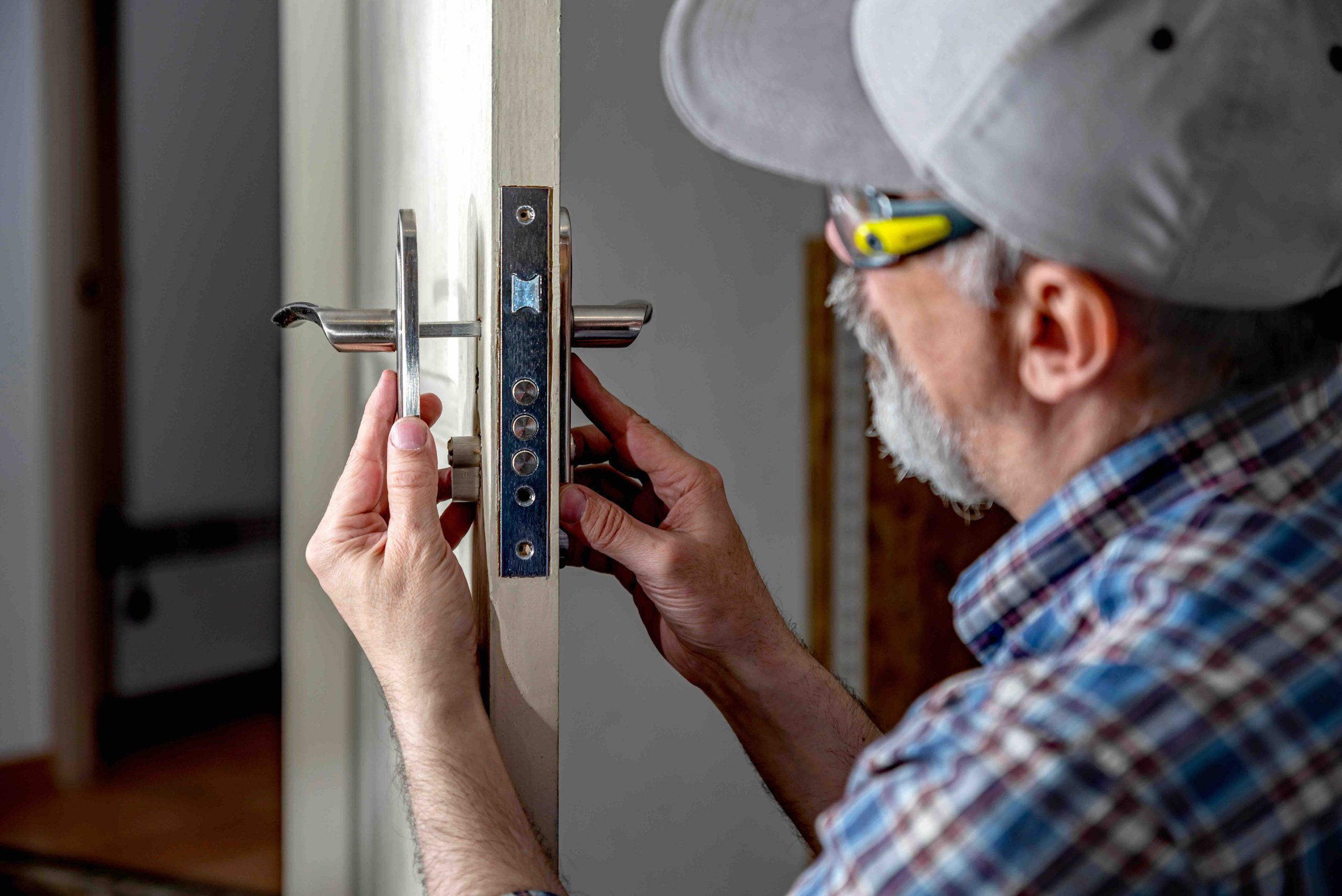
What Is a Lock Replacement and Why Does It Matter for Your Home?
Most homeowners do not think about their door locks until something goes wrong. A key breaks off inside the cylinder, the deadbolt starts sticking, or worse, there is a security concern that makes the existing lock feel inadequate. Lock replacement is exactly what it sounds like: removing an existing lock mechanism from a door and installing a new one in its place. It sounds straightforward, but the details matter quite a bit more than people expect. Understanding what goes into a lock replacement, how locks actually function, and when replacement is the right call versus a simple repair can save you time, money, and a lot of unnecessary stress.
How Door Locks Actually Work
Before diving into replacement specifics, it helps to understand what a residential lock is doing behind the scenes. Most home locks fall into a few main categories: deadbolts, knob locks, lever handle locks, and smart locks. A deadbolt, for instance, operates through a bolt that extends into the door frame when the thumb turn or key is rotated. That bolt slides into a strike plate anchored to the door jamb, which is the part that actually resists forced entry. The cylinder inside the lock housing contains a series of spring-loaded pins that align only when the correct key is inserted, allowing the plug to rotate and retract the bolt. Smart locks add an electronic layer to this, using motors, keypads, or Bluetooth authentication to trigger that same mechanical movement. The fundamentals are consistent across types, even as the technology evolves.
When Should You Replace a Lock Instead of Repairing It?
This is a question worth spending real time on. Not every lock issue demands a full replacement. Sometimes a lock just needs lubrication or minor cylinder adjustment. Other times, replacement is clearly the right move. Knowing the difference protects your budget and your home security at the same time.
- The lock is visibly damaged, corroded, or physically compromised from weather or a break-in attempt
- You have moved into a new home and do not know how many key copies exist or who holds them
- The lock mechanism is worn to the point where it no longer latches securely or operates smoothly
- You have lost a key and rekeying is not a viable option given the lock’s age or condition
- You are upgrading to a smart lock or higher-grade security hardware
- The existing lock does not meet current building code or insurance requirements
Rekeying is worth mentioning here because it is often confused with replacement. Rekeying changes the internal pin configuration so old keys no longer work, but it leaves the existing lock hardware in place. It is less expensive and works well when the lock itself is in good condition. Replacement is the better option when the hardware is worn, outdated, or insufficient for your security needs.
The Lock Replacement Process Step by Step
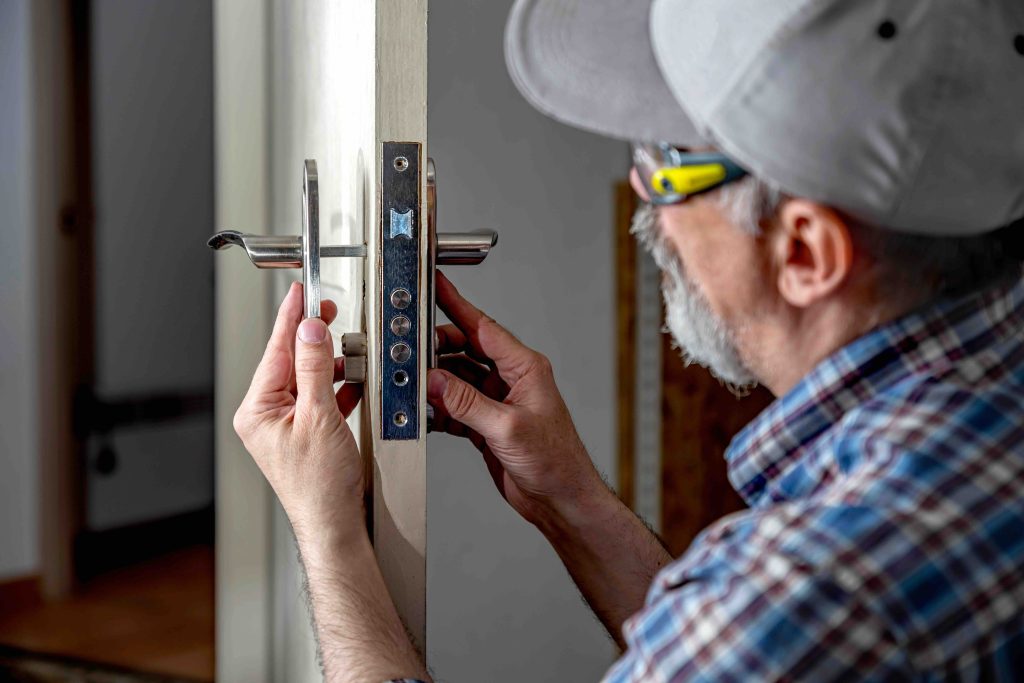
A standard lock replacement is not an overly complicated job for someone with basic tool experience, but there are steps where things can go sideways if you are not paying attention. The process typically starts with removing the existing lock by unscrewing the interior mounting plate and pulling both sides of the lock apart. The cylinder and latch assembly come out next. Before purchasing a replacement, you need to measure the backset, which is the distance from the edge of the door to the center of the lock hole, as well as the cross bore diameter. These measurements determine whether a new lock fits without modifying the door. Installation runs in reverse: inserting the latch, feeding the new cylinder through, aligning the interior and exterior components, and securing with the provided hardware. Final testing of the key and thumb turn ensures everything operates as intended before you call it done.
Key Advantages of Replacing Your Home Locks
There are real, tangible benefits to replacing locks at the right time. The most obvious is improved security. Older locks, particularly those installed before modern grading standards were common, often provide minimal resistance to picking, bumping, or forced entry. Newer locks with Grade 1 or Grade 2 ANSI ratings offer significantly stronger protection. There is also the comfort of knowing exactly who has access to your home, which matters enormously after a move, a relationship change, or a lost key situation. For homeowners making the leap to smart locks, replacement opens the door to remote access management, entry logs, temporary access codes for guests or contractors, and integration with broader home automation systems. These are not gimmicks. They are practical tools that fit the way people actually live today.
Common Drawbacks and Limitations to Know About
Lock replacement is not without its complications. Cost is a real factor, particularly when upgrading to higher-security deadbolts or smart lock systems, where hardware alone can run several hundred dollars before any installation labor is factored in. Smart locks introduce their own category of concerns: battery dependency, connectivity issues, firmware vulnerabilities, and the frustration of being locked out because of a software glitch rather than a mechanical failure. There is also the fit issue mentioned earlier. Doors with non-standard bore sizes or unusual configurations may require additional carpentry work, which adds cost and complexity. And for renters or those in HOA communities, lock replacement may require permission from a landlord or compliance with association rules before any work can proceed.
Choosing the Right Replacement Lock for Your Home
Selection matters more than most people realize. The right lock depends on the door type, location, traffic level, and the level of security you are targeting. Exterior front doors warrant a Grade 1 deadbolt at minimum. Interior doors can work with lower-grade hardware. For high-traffic entry points, look for locks with anti-pick pins, anti-drill plates, and reinforced strike plates. Smart locks should be evaluated not just on features but on the reputation of the manufacturer’s security practices and update history. A lock that connects to your home network is only as secure as the software running it.
Professional Installation Versus DIY: What to Consider
The DIY route works well for straightforward replacements where the door is standard, the new lock is a direct swap, and the homeowner is comfortable with basic tools. The job typically takes under an hour in those conditions. Professional installation makes more sense when the door requires modification, when a smart lock involves complex wiring, or when security is a top priority and precision matters. A licensed locksmith brings experience, proper tools, and accountability to the job. It is also worth noting that improper installation can void manufacturer warranties on the lock itself, so if there is any doubt, professional installation is a sound investment.
How Home Warranties Relate to Lock Replacement
This is where things get nuanced. Traditional home warranty plans are built around covering mechanical breakdowns of major systems and appliances, and lock coverage can vary quite a bit across providers. Some plans include re-keying or lock replacement following a qualifying event, while others treat it as an optional add-on or exclude it entirely. It is worth reading the terms carefully before assuming coverage exists. What a strong home warranty does provide, even when direct lock coverage is limited, is the broader financial protection that helps keep unexpected home repair costs from spiraling. When something like a plumbing leak or HVAC failure hits the same month you are dealing with a security upgrade, that broader coverage matters.

Why Armadillo Is the Right Partner for Home Protection That Actually Works
Protecting your home goes well beyond any single lock on any single door. It is about having systems in place so that when things break down, whether expected or not, you are not left scrambling for a solution. That is the space Armadillo was built for. As a trusted home warranty provider for homeowners who want straightforward, reliable coverage, Armadillo brings transparency and simplicity to a category that has historically been defined by confusing fine print and frustrating claims experiences. If you have been thinking about how to better protect your home from the costs that come with aging systems and appliances, the best move is to get a personalized home warranty quote built around your specific home and coverage needs. It takes very little time and gives you a much clearer picture of what protection actually looks like for your situation.
Frequently Asked Questions About Lock Replacement
Here are answers to the most common questions homeowners ask about replacing residential door locks.
How much does it typically cost to replace a door lock?
The cost of a lock replacement depends on the type of lock and whether you hire a professional. Basic deadbolt hardware ranges from $20 to $100, while smart locks can cost $100 to $300 or more. Professional installation typically adds $50 to $150 in labor costs depending on the complexity of the job and your location.
Is rekeying the same as replacing a lock?
No. Rekeying changes the internal pin configuration of an existing lock so that old keys no longer work, but it leaves the hardware in place. Lock replacement removes the entire lock mechanism and installs new hardware. Rekeying is less expensive and appropriate when the lock is in good condition. Replacement is better when the hardware is worn, outdated, or being upgraded.
Can I replace a door lock myself without a locksmith?
Yes, in most cases. A standard lock replacement on a door with a common bore size is a manageable DIY project with basic tools. The process becomes more complex if the door requires modification or if the installation involves a smart lock with wiring components. When in doubt, a professional locksmith ensures the job is done correctly and preserves the lock’s warranty.
How long does a lock replacement take?
A straightforward swap on a standard door typically takes 30 to 60 minutes for someone with basic tool familiarity. More complex installations, including smart locks or doors requiring bore adjustments, can take two hours or longer.
Do I need to replace all my locks at the same time?
Not necessarily. Prioritize exterior entry points, particularly front and back doors, as these represent the highest security risk. Interior locks can often wait unless they are visibly damaged or malfunctioning. If you are moving into a new home, replacing or rekeying all exterior locks at once is generally recommended.
Does a home warranty cover lock replacement?
Coverage varies by provider and plan. Some home warranty plans include re-keying or lock replacement under specific circumstances, while others exclude it or offer it as an optional add-on. Always review your policy terms carefully and ask your provider directly about lock coverage before assuming it is included.
What is the best type of lock for a front door?
A Grade 1 ANSI-rated deadbolt is considered the standard for exterior front door security. Look for features such as anti-pick pins, anti-drill reinforcement, and a hardened steel bolt with at least a one-inch throw. Pairing a quality deadbolt with a reinforced strike plate significantly improves overall door security.
Are smart locks more secure than traditional locks?
Smart locks offer different security features rather than inherently superior ones. They eliminate risks associated with lost physical keys and allow for remote access management and temporary codes. However, they introduce new vulnerabilities including battery failure, software bugs, and network security risks. The best smart locks combine strong mechanical components with reliable encryption and regular firmware updates.
How do I know if my lock needs to be replaced or just repaired?
If the lock is stiff or sluggish, lubrication or minor adjustment may resolve it. If the lock is visibly corroded, physically damaged, no longer latches securely, or is simply old and worn, replacement is usually the more reliable and cost-effective solution in the long run. A locksmith can assess the condition and advise accordingly.
What should I look for when buying a replacement lock?
Start with the ANSI grade rating, with Grade 1 being the strongest for residential use. Confirm the backset measurement and bore diameter match your existing door to avoid modifications. Consider the finish for durability and appearance. If choosing a smart lock, research the manufacturer’s security record, software update history, and compatibility with your existing home systems.