Mold in Your Ductwork: What Every Homeowner Needs to Know
There is a problem hiding inside a lot of homes that most people never think about until it becomes impossible to ignore. Mold growing inside your HVAC ductwork is more common than you might expect, and it is the kind of issue that quietly affects your air quality, your health, and eventually your wallet. The good news is that it is a manageable problem when you understand what you are dealing with and act on it early. This guide covers everything you need to know about mold in ductwork, from how it gets there to how to get rid of it responsibly.
How Mold Gets Into Your Ductwork in the First Place
Mold does not appear out of nowhere. It needs moisture, a surface to cling to, and organic material to feed on. Your ductwork, especially in older homes or in climates with high humidity, tends to check all three of those boxes at certain times of year. When warm, humid air meets the cool interior surfaces of your ducts, condensation forms. That moisture creates an environment where mold spores, which are already floating through your home’s air in small quantities, can settle and begin to grow. Poor insulation around ducts, a clogged condensate drain in your air handler, or even a small leak somewhere in the system can all contribute to the kind of persistent dampness that mold thrives in. It is not necessarily a sign of a neglected home. It can happen in well-maintained houses too, particularly during heavy cooling seasons.
Signs That Mold May Be Growing in Your Ducts
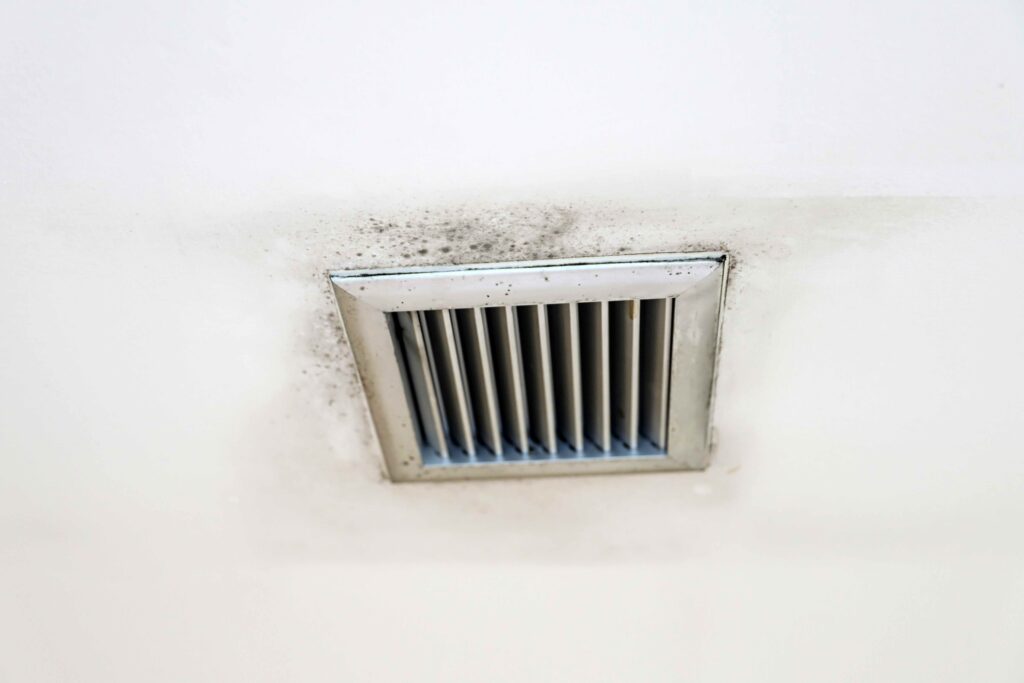
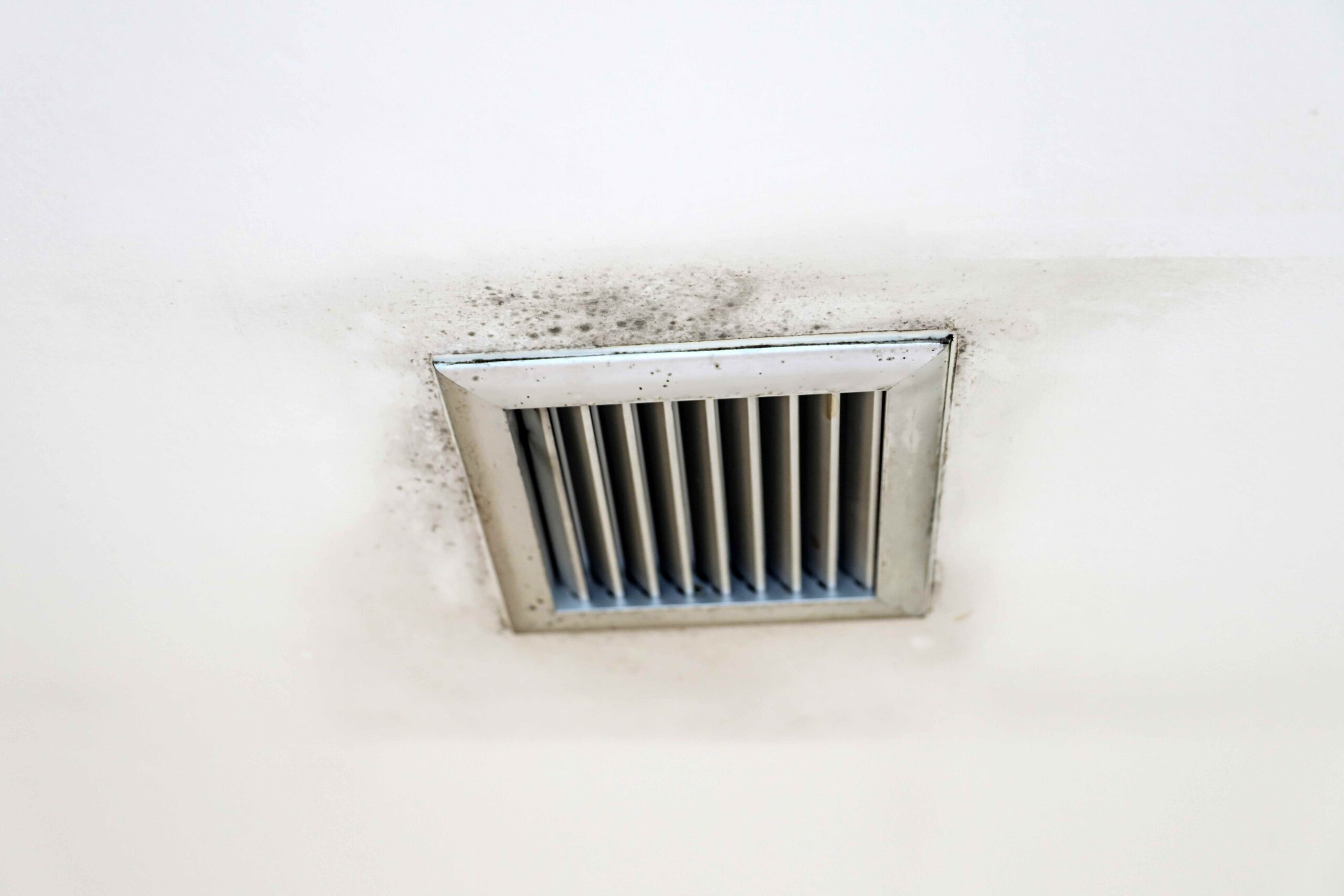
This is where things get a little tricky, because mold inside ductwork is not always visible from the outside. That said, there are several signals worth paying attention to. A musty or earthy smell coming from your vents when the system kicks on is one of the clearest early indicators. You might also notice visible dark or greenish discoloration around vent covers or registers. Household members experiencing unexplained allergy symptoms, persistent coughing, or respiratory irritation that seems to ease up when they leave the house is another pattern worth investigating. None of these signs confirm mold on their own, but together they build a reasonable case for getting a professional inspection done sooner rather than later.

What a Professional Duct Mold Removal Process Looks Like
Once mold is confirmed in your ductwork, professional remediation is almost always the recommended path. This is not a situation where a spray bottle of household cleaner gets the job done. A certified mold remediation specialist or HVAC professional will typically follow a process that involves containing the affected area to prevent spore spread, using HEPA vacuums to remove debris and loose mold growth, applying EPA-registered antimicrobial treatments to the duct surfaces, and sealing or replacing sections of ductwork that are too damaged to clean effectively. The process is thorough and methodical because cutting corners here means the mold comes back, sometimes worse than before. Depending on the scope of the contamination, the job can take anywhere from a few hours to several days.
Can You Remove Duct Mold Yourself
The honest answer is that some minor surface mold on accessible duct sections can be addressed with the right protective gear, an EPA-approved mold cleaner, and careful attention to containment. However, most homeowners are not equipped to handle this safely or effectively, and the risk of spreading spores through the ventilation system during a DIY attempt is real. Beyond the safety concern, there is also the diagnostic piece. Without professional testing, you may not know how extensive the growth is, what species of mold you are dealing with, or whether there is an underlying moisture issue driving it. Treating the visible mold without addressing the source is like mopping up a leak without turning off the water. Professional remediation is the safer, more complete approach in the vast majority of cases.
Key Advantages of Addressing Duct Mold Promptly
Acting quickly when mold is suspected in your ductwork carries meaningful benefits that go well beyond just clearing up a smell. Here is what timely remediation actually does for your home:
- Improves indoor air quality by removing a direct source of airborne mold spores circulating through your living spaces
- Reduces health risks, particularly for household members with asthma, allergies, or compromised immune systems
- Protects the structural integrity of your ductwork by catching deterioration before it requires full system replacement
- Prevents mold from spreading to surrounding insulation, drywall, or subflooring in areas where ducts run close to building materials
- Can lower HVAC operating costs by restoring proper airflow efficiency through clean, unobstructed ducts
Common Drawbacks and Challenges to Be Aware Of
Mold remediation in ductwork is not without its complications, and it helps to go in with realistic expectations. The cost can be significant, particularly in larger homes or systems with extensive contamination. Professional duct cleaning and mold remediation combined can run anywhere from several hundred to several thousand dollars depending on the size and severity of the problem. There is also the question of accessibility. Flex duct systems or ducts routed through tight crawlspaces and wall cavities are harder to inspect and treat thoroughly. In some cases, sections of ductwork may need to be replaced entirely rather than cleaned, which adds both cost and project time. And without addressing the root moisture cause, remediation alone will not prevent recurrence.
Preventing Mold From Returning After Remediation
Once the mold has been removed, a few consistent habits and system upgrades can go a long way toward keeping it from coming back. Controlling indoor humidity is the single most important preventive measure. Keeping your home’s relative humidity between 30 and 50 percent significantly reduces the conditions mold needs to grow. Beyond that, consider the following practical steps:
- Schedule annual HVAC maintenance to catch condensation issues, refrigerant leaks, or drain line clogs before they create moisture buildup
- Replace air filters on the manufacturer’s recommended schedule to maintain airflow and reduce particulate accumulation in ducts
- Inspect duct insulation periodically, especially in unconditioned spaces like attics and crawlspaces, where temperature differentials are greatest
- Consider installing a whole-home dehumidifier if you live in a consistently humid climate or have had recurrent moisture problems
- Have ductwork professionally inspected every three to five years as part of a broader HVAC system review
How Duct Mold Fits Into the Bigger Picture of Home System Health
It is easy to think of mold in ductwork as an isolated problem, but it is really a signal about the overall health of your HVAC system and your home’s moisture management. The ductwork is a critical component of your heating and cooling infrastructure, and when it develops issues like mold growth, it often points to something else that needs attention, whether that is an aging air handler, deteriorating duct seals, or inadequate ventilation in a particular area of the home. Treating it as part of a holistic home systems review rather than a one-off repair gives you a much clearer picture of what you are working with. Homeowners who stay proactive about HVAC care generally face smaller, more manageable repair bills than those who wait until a system is struggling visibly.
Why Armadillo Home Warranty Is Worth Considering for HVAC-Related Peace of Mind
Dealing with mold in your ductwork is stressful enough without also worrying about what happens when your HVAC system breaks down in the middle of all of it. That is where having a reliable home warranty in your corner makes a real difference. If you are evaluating your options, Armadillo home warranty coverage for HVAC systems and ductwork issues is worth a close look. Armadillo is built around transparency and straightforward coverage that homeowners can actually understand and rely on, without the runaround. When your heating or cooling system needs attention, a plan that covers mechanical failures means you are not facing the full financial weight of an unexpected repair on your own. If you want to know exactly what protection is available for your home right now, you can get a personalized home warranty quote for HVAC and whole-home system coverage in just a few minutes. When mold remediation has already hit your budget, having a plan that shields you from the next unexpected repair is not just smart, it is genuinely practical.

Frequently Asked Questions About Removing Mold From Ductwork
These are the questions homeowners ask most often when navigating mold in their HVAC ductwork, with direct answers to help you move forward with confidence.
Is mold in ductwork dangerous to your health?
Yes, mold in ductwork can pose real health risks, particularly for individuals with respiratory conditions, allergies, or weakened immune systems. Mold spores circulating through your HVAC system can trigger symptoms like coughing, sneezing, eye irritation, and in more serious cases, respiratory infections or asthma flare-ups.
How do I know if there is mold in my air ducts?
Common indicators include a persistent musty odor when your HVAC system runs, visible dark discoloration around vent covers, and unexplained allergy or respiratory symptoms among household members. A professional HVAC inspection or mold test can confirm the presence and extent of growth.
How much does it cost to remove mold from ductwork?
Costs vary depending on the size of the system, accessibility of the ducts, and the severity of the mold. Professional duct mold remediation typically ranges from a few hundred dollars for minor localized growth to several thousand dollars for more extensive contamination requiring partial duct replacement.
Can mold come back after duct cleaning?
Yes, mold can return if the underlying moisture issue that caused it is not resolved. Effective prevention requires addressing the source of humidity or condensation in addition to cleaning the affected duct surfaces.
Does homeowners insurance cover mold removal in ductwork?
Standard homeowners insurance policies typically exclude mold remediation unless the mold resulted directly from a covered peril, such as sudden water damage from a burst pipe. Gradual moisture buildup or maintenance-related mold is generally not covered.
Does a home warranty cover mold in ductwork?
Most home warranties cover mechanical failures of HVAC systems, including components like the air handler and ductwork in some plans, but mold remediation itself is typically not a covered repair. Review your specific policy terms carefully to understand what is and is not included.
How long does duct mold remediation take?
The timeline depends on the size of the system and the scope of the contamination. Minor remediation jobs on smaller systems can be completed in a few hours. Larger or more severely affected systems may require multiple visits spanning one to three days.
Can I run my HVAC while mold is in the ducts?
Running your HVAC system with known mold contamination in the ducts spreads spores throughout your home and is not recommended. It is best to limit system use and consult a professional promptly once mold is suspected or confirmed.
What type of mold is most common in air ducts?
Cladosporium, Aspergillus, and Stachybotrys chartarum, commonly referred to as black mold, are among the most frequently found mold types in ductwork. Accurate identification requires professional testing, as different species carry different health implications and remediation requirements.
How often should air ducts be inspected for mold?
A professional duct inspection every three to five years is a reasonable baseline for most homes. Homes in high-humidity climates, older properties, or those that have experienced water damage or HVAC issues should be inspected more frequently.