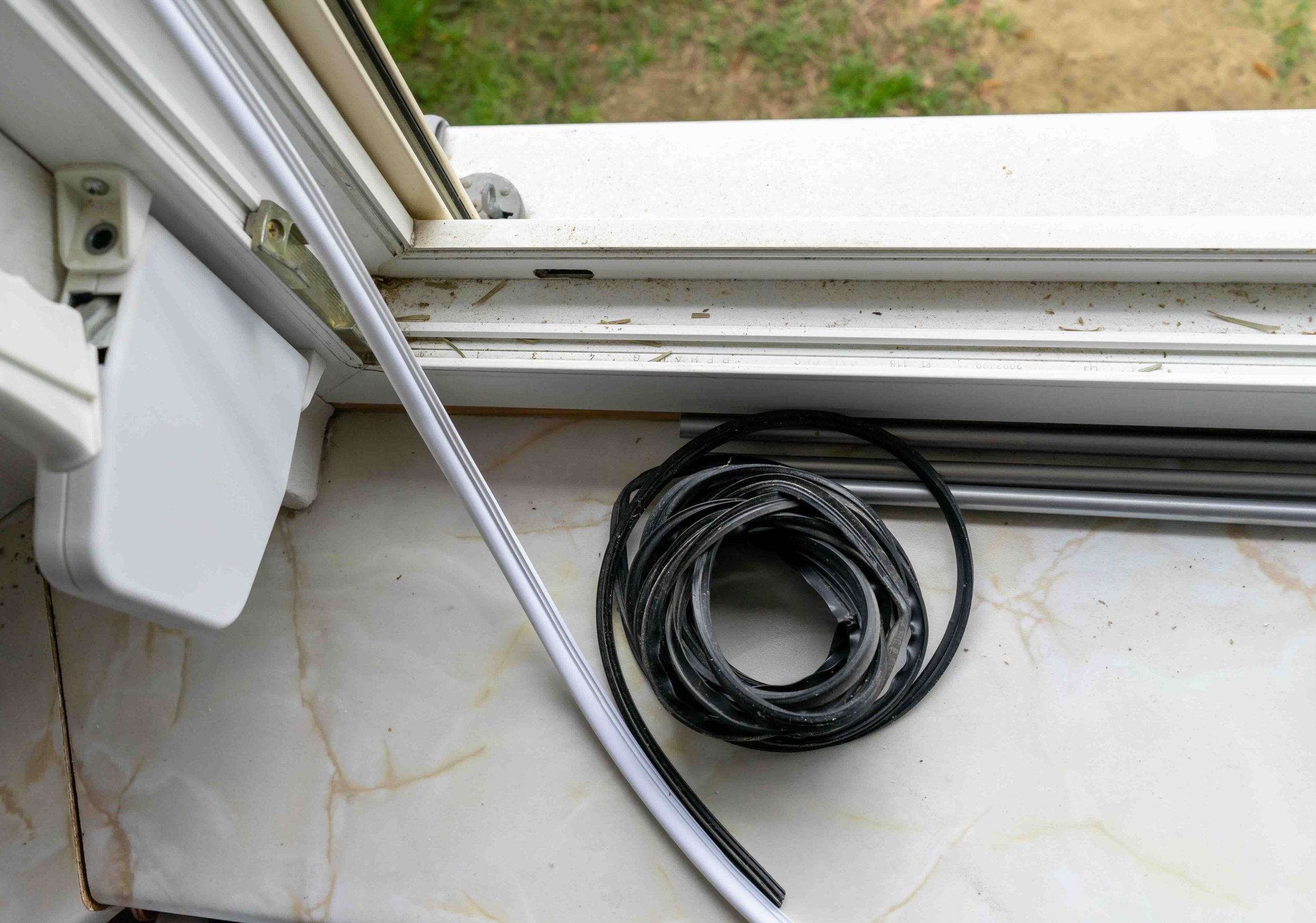
Why Replacing Front Door Weather Stripping Is One of the Smartest Home Improvements You Can Make
There is a thin strip of material standing between your comfortable indoor air and whatever the weather outside is doing today. It does not get much attention. It does not have a dramatic failure moment. It just slowly wears down, year after year, until your energy bills start creeping up and you notice a draft near the front door you cannot quite explain. That strip is your weather stripping, and replacing it is one of those home maintenance tasks that punches well above its weight in terms of impact. Whether you are dealing with winter cold pushing through the gap or summer heat sneaking in from the edges, understanding this simple component can save you real money and a surprising amount of frustration.
What Is Front Door Weather Stripping and How Does It Work
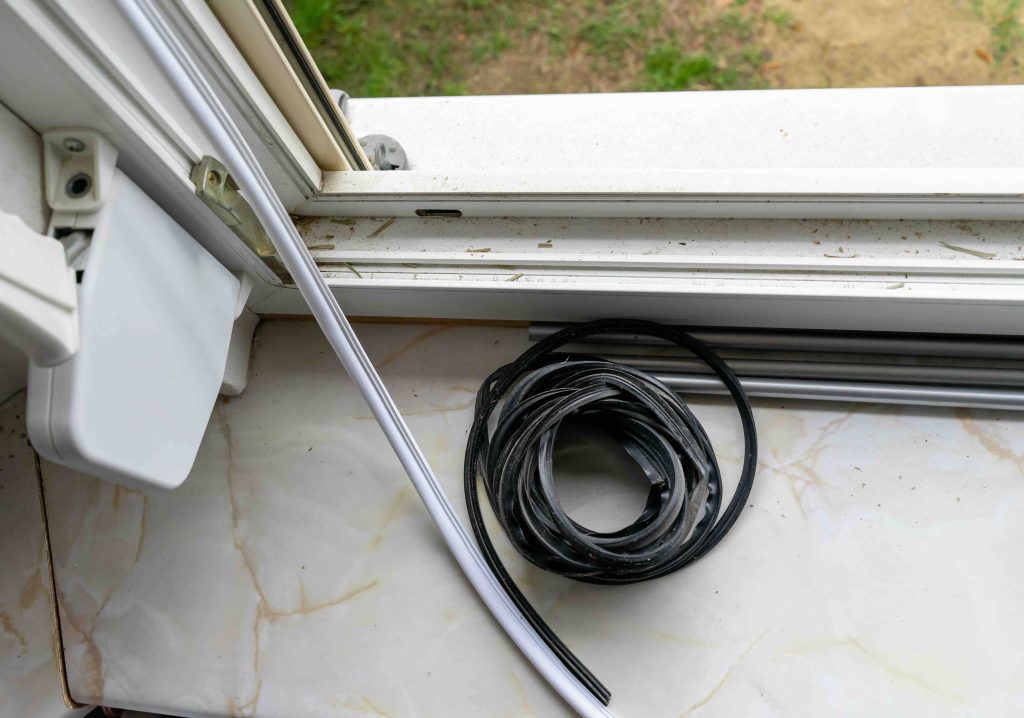
Weather stripping is the sealing material installed around the perimeter of your front door frame. Its job is straightforward: prevent outside air, moisture, dust, and noise from entering your home through the gaps between the door and the frame. When your door closes, the weather stripping compresses against the door slab and creates a seal. Different types of weather stripping use different materials and mechanisms to achieve this. Some compress into a soft foam. Others use a more rigid vinyl or rubber bulb that deforms slightly under contact. There are also felt strips, door sweeps along the bottom edge, and metal tension seals that hold their shape and spring back after each closure. Each type has its strengths depending on where it is placed and how much foot traffic that door sees.
Signs Your Front Door Weather Stripping Needs to Be Replaced
Most homeowners do not think about weather stripping until something obvious happens. But there are reliable signals worth knowing about before the situation gets out of hand. Catching these early keeps small problems from becoming expensive ones.
- Visible light around the door frame when standing inside a darkened room
- Drafts that are noticeable near the door even when it is fully closed and latched
- Cracked, compressed, or brittle material along the door edges
- Moisture or water staining along the interior door frame after rain
- Increased heating or cooling costs without any other clear explanation
- Insects or dust accumulating near the door more than usual
Types of Weather Stripping Used on Front Doors
Choosing the right type of weather stripping matters more than most people realize. The front door takes more use than almost any other entry point in the home, so the material needs to hold up to repeated contact, seasonal temperature swings, and UV exposure if the door faces direct sunlight. Foam tape is inexpensive and easy to install, making it a popular DIY option, though it tends to compress permanently over time. Rubber or vinyl door sweeps along the bottom edge handle the gap between the door and the threshold effectively. Tension seals, sometimes called v-strip or pile weather stripping, are more durable and work particularly well along the sides of a door where the gap may be uneven. For a long-term solution, reinforced door frames with integrated weather stripping systems offer the best performance but require more involved installation.
The Benefits of Replacing Front Door Weather Stripping
The return on investment here is genuinely impressive for how simple the fix is. Sealing air leaks around doors and windows is consistently one of the top recommendations from energy auditors, and the front door is often the biggest culprit in older homes. When the seal is solid, your HVAC system does not have to work as hard to maintain temperature, which directly reduces utility costs. Beyond energy savings, a proper seal keeps outdoor allergens and pollutants from drifting in, which matters a lot for households dealing with asthma or seasonal allergies. Sound transmission also drops noticeably when gaps are eliminated, a benefit that is easy to underestimate until you actually experience it. And from a moisture perspective, a tight door seal protects the door frame itself from rot and mold, extending the life of the door and the surrounding structure.
Common Drawbacks and Limitations to Keep in Mind
Weather stripping is not a permanent fix. Even the best materials degrade over time, and high-traffic doors may need attention every few years rather than every decade. Foam tape in particular has a relatively short lifespan under frequent use. If the door itself is warped or the frame has shifted due to foundation settling, weather stripping alone may not fully resolve the gap. In those cases, door adjustment or frame repair would need to happen first. It is also worth noting that low-quality weather stripping installed incorrectly can create new problems, including doors that are difficult to close or seals that trap moisture rather than deflect it. Taking time to choose the right product and install it properly is what separates a lasting fix from a temporary patch.

How to Replace Front Door Weather Stripping Yourself
This is genuinely one of the more accessible DIY home maintenance tasks out there. Most of the work involves removing old material, cleaning the surface, and pressing or nailing new stripping into place. Start by removing the old weather stripping completely and cleaning the channel or door stop where it was seated. Measure the door perimeter carefully before buying materials, and bring those measurements to the hardware store rather than guessing. For the door sweep, make sure to account for any carpet or threshold height that could interfere with a smooth close. Adhesive-backed foam tape requires a clean, dry surface to bond correctly. For v-strip or tension seal types, a small hammer and finishing nails typically hold them in place more reliably than adhesive alone, particularly along the hinge side of the door.
When to Call a Professional Instead
Not every weather stripping job is a straightforward afternoon project. If the door frame is damaged, rotted, or visibly out of square, a professional assessment is the smarter call. Similarly, if the door does not sit flush within the frame regardless of how many times you adjust the hinges, there may be a structural or foundation issue worth investigating before investing in new weather stripping. Entry door replacement is sometimes the more cost-effective long-term solution when a door is old, poorly insulated, or beyond reasonable repair. A contractor or window and door specialist can give you a clear picture of what the situation actually calls for, and that information is worth having before spending time on a fix that might not hold.
How Weather Stripping Fits Into Overall Home Maintenance Planning
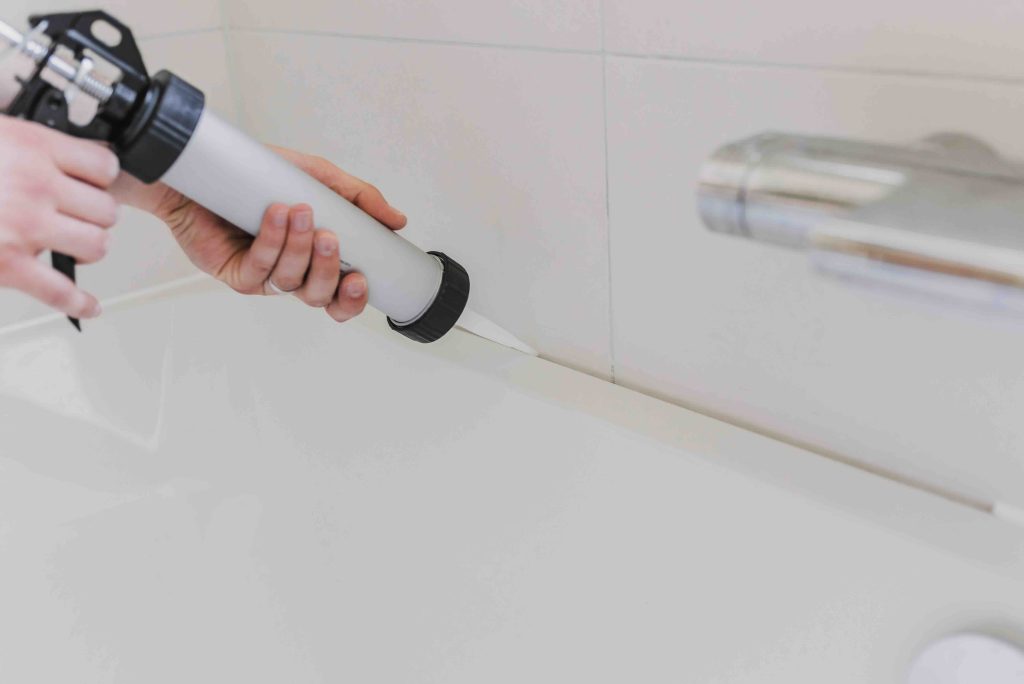
Thinking about weather stripping in isolation undersells what it actually represents. It is one piece of a broader approach to home envelope integrity, which covers everything that separates your conditioned interior space from the outdoor environment. Insulation, roofing, windows, doors, and caulking all work together to keep your home efficient and comfortable. Staying on top of small maintenance items like weather stripping is how you avoid larger, more expensive problems down the road. Annual walkabouts around the exterior of the home, checking seals, caulking, and visible wear, tend to catch issues early when they are cheap and easy to address. Building that habit takes very little time and pays off consistently over the years of homeownership.
How Armadillo Supports Homeowners Through Every Layer of Home Protection
Weather stripping is the kind of task most homeowners can handle on their own, but it is a good reminder that home maintenance goes much deeper than what you can see and fix in an afternoon. For the systems and appliances you rely on daily, having a backup plan matters. That is exactly where Armadillo home warranty coverage for essential home systems and appliances comes in. Armadillo offers straightforward, transparent protection for the components that keep your home running, without the confusing fine print or unexpected service call fees that frustrate homeowners with other providers. When an HVAC system fails mid-summer or a water heater gives out, a home warranty means you are not scrambling to figure out who to call or how to cover an unexpected repair bill. If you are investing time in improving your home, it makes sense to protect what is inside it too. You can take the first step and get a free home warranty quote to protect your home inside and out in just a few minutes. Armadillo keeps things simple, honest, and genuinely useful for homeowners who have enough to think about already.

Frequently Asked Questions About Replacing Front Door Weather Stripping
How often should front door weather stripping be replaced?
Most weather stripping on a frequently used front door should be inspected annually and replaced every two to five years depending on the material type, climate, and how much traffic the door receives. Foam tape tends to wear fastest, while rubber and vinyl options can last longer under the right conditions.
Can I replace front door weather stripping myself or do I need a professional?
Most weather stripping replacements are suitable for a confident DIYer with basic tools. The process involves removing old material, cleaning the surface, and installing the new stripping. Professional help is recommended when the door frame is damaged, the door is warped, or the gaps are caused by a structural issue rather than worn sealing material.
What is the most durable type of weather stripping for a front door?
Reinforced rubber or vinyl bulb weather stripping and metal tension seal strips generally offer the best durability for front doors. These materials resist compression over time and perform well across seasonal temperature changes, making them a solid investment for high-traffic entry doors.
How do I know which weather stripping to buy for my front door?
Bring measurements of your door perimeter to the hardware store and note where the gap is largest. Side gaps typically call for tension seal or foam tape, while the bottom of the door usually needs a door sweep. The door stop molding and frame channel shape also determine which profile fits correctly.
Will replacing weather stripping actually lower my energy bills?
Yes, in most cases. Air leaks around doors and windows are a leading cause of energy loss in residential homes. A properly sealed front door reduces the load on your heating and cooling system, which translates directly to lower monthly energy costs. The savings vary depending on climate and how significant the existing gap was.
How long does it take to replace front door weather stripping?
For most homeowners, replacing weather stripping on a standard front door takes between one and two hours. This includes removing the old material, cleaning the surface, measuring, and installing the new stripping. Adding a door sweep along the bottom edge may add another fifteen to thirty minutes.
What happens if weather stripping is installed incorrectly?
Poor installation can result in a door that is difficult to open or close, uneven sealing that still allows drafts, or weather stripping that separates from the frame quickly. In some cases, improperly sealed areas can trap moisture and contribute to mold growth or frame rot over time.
Does weather stripping help with noise reduction?
Yes. Sealing the gaps around your front door reduces the pathways through which sound travels into the home. While weather stripping alone will not create a fully soundproofed entry, homeowners in noisy neighborhoods or near busy streets typically notice a meaningful reduction in ambient noise after replacing worn stripping.
Is weather stripping covered under a home warranty?
Weather stripping is generally considered a routine maintenance item and is not typically covered under standard home warranty plans. Home warranties are designed to cover mechanical failures of major systems and appliances rather than wear-and-tear maintenance components like seals or caulking.
Can bad weather stripping cause water damage inside the home?
Yes. When weather stripping fails along the door frame or threshold, rainwater can seep into the gap and reach the surrounding wood and flooring. Over time, this moisture exposure can cause rot in the door frame, warping of flooring materials, and in persistent cases, mold growth in the wall cavity near the entry.