What Is a Sewage Ventilation Pipe and Why Does Your Home Have One?
Most homeowners spend a good amount of time thinking about their plumbing when something goes wrong, and almost no time thinking about it when everything works fine. That is just how it goes. But tucked inside your walls and poking out through your roof is a component that quietly keeps your entire drainage system functional and your indoor air breathable. It is called a sewage ventilation pipe, sometimes referred to as a plumbing vent pipe or drain-waste-vent pipe, and it does more for your home than most people realize. Understanding what it does, how it can fail, and what that means for your home warranty coverage is genuinely useful information, so let us walk through it.
How a Sewage Ventilation Pipe Actually Works
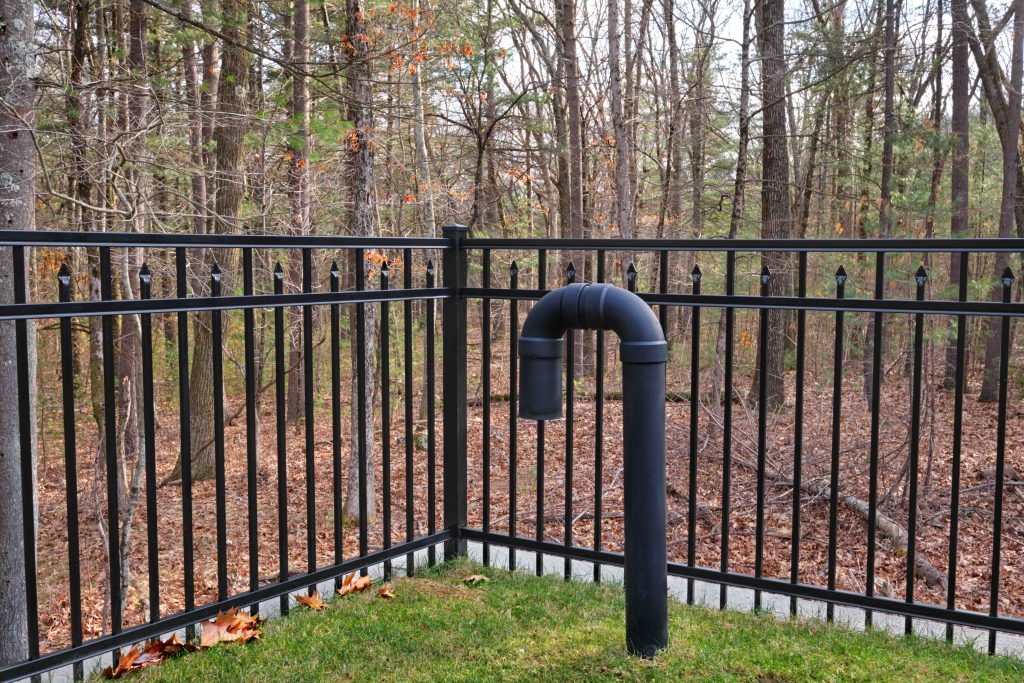
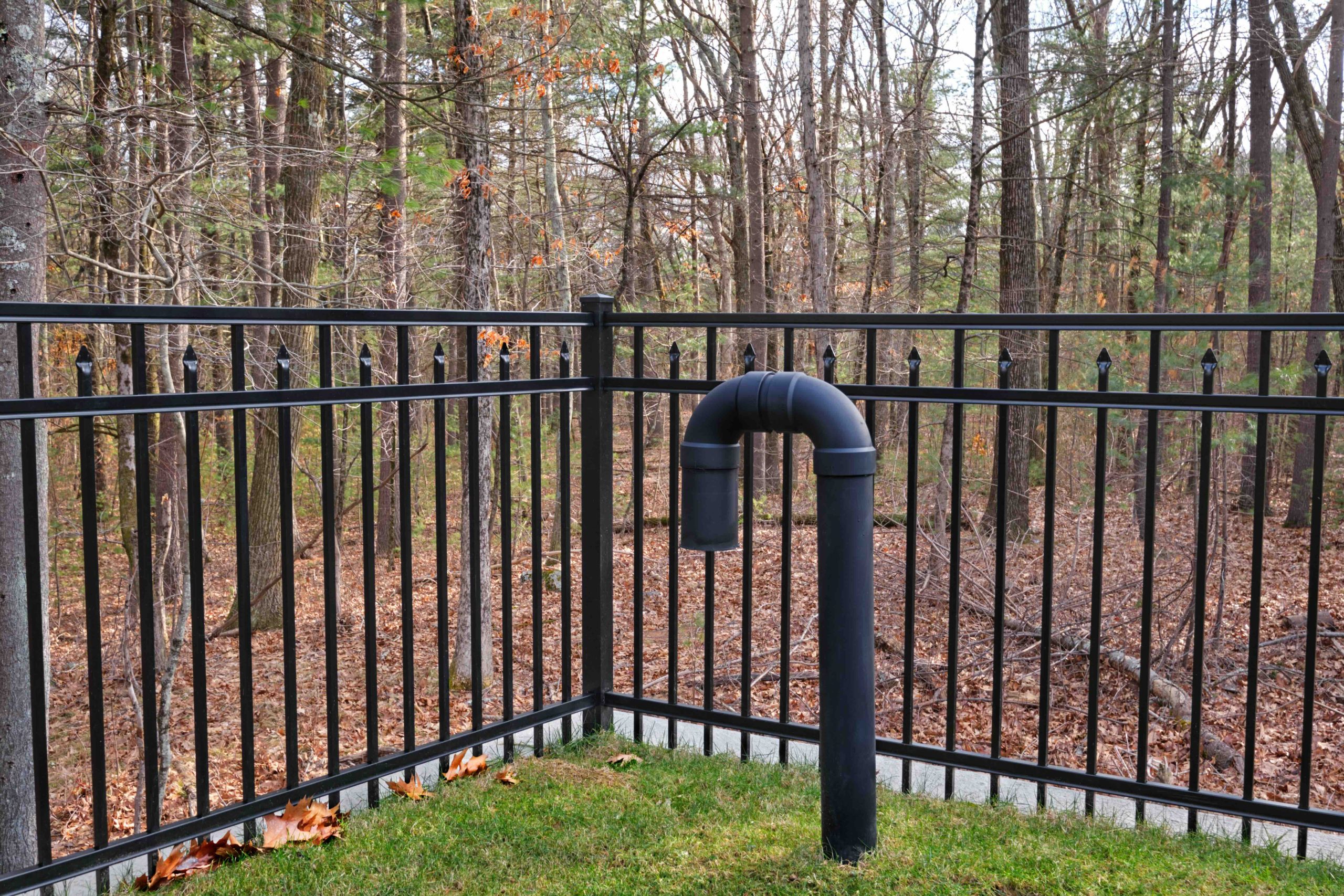
Here is the core idea. Every time water drains from a sink, toilet, or tub, it needs two things to move properly: a path out and a source of air coming in behind it. Without incoming air, you get a vacuum effect that pulls water out of the P-traps, those curved pipe sections beneath your drains that hold a small water seal. That seal is what blocks sewer gases from drifting up into your living space. The sewage ventilation pipe solves this by running from your drain lines upward through the structure of your home and venting out through the roof. It equalizes pressure throughout the system, allows wastewater to flow freely, and keeps those water seals intact so harmful gases stay where they belong, which is far away from your family.
The Components That Make Up the System
The venting system is not a single pipe running in isolation. It connects to your entire drain-waste-vent network, which includes several key parts working in coordination.
- Vent stack: The main vertical pipe that runs from the base of your drainage system up through the roof
- Branch vents: Smaller pipes that connect individual fixtures like sinks and toilets to the main vent stack
- Roof vent cap: The opening at the roofline where air enters and gases escape
- P-traps: The curved sections beneath drains that rely on proper venting to maintain their water seals
- Air admittance valves: Mechanical alternatives to traditional roof vents, used in specific situations where roof venting is not practical
Each of these components plays a role, and a problem with any one of them can ripple through the whole system in ways that are easy to misdiagnose.
The Advantages of a Properly Functioning Vent System
When everything is working as it should, a sewage ventilation pipe delivers real, tangible benefits that go beyond just preventing bad smells. Properly vented drains move water faster and more efficiently, which means less standing water and reduced risk of clogs. The pressure balance maintained by the vent system also extends the life of your pipes by reducing the stress caused by vacuum and pressure fluctuations. Perhaps most importantly, it protects your household from exposure to sewer gases, including hydrogen sulfide and methane, both of which can be hazardous at elevated concentrations. A functioning vent system is genuinely one of the unsung heroes of home health and safety.

Common Problems Homeowners Encounter With Vent Pipes
Right, so here is where things get a little more complicated. Sewage ventilation pipes are durable, but they are not invincible. Blockages are probably the most frequent issue, often caused by debris, bird nests, leaves, or even ice forming at the roof opening during winter months. A blocked vent pipe produces some fairly recognizable symptoms: slow-draining fixtures throughout the home, gurgling sounds from drains after flushing, and that distinctive sewer smell creeping into rooms without any obvious explanation. Cracked or deteriorated pipes are another concern, particularly in older homes where cast iron or galvanized steel may have degraded over time. These types of issues can be easy to overlook precisely because the vent system is mostly hidden inside walls and above ceilings.
Warning Signs You Should Not Ignore
Catching a vent pipe problem early is a lot less expensive and disruptive than dealing with the consequences of ignoring it. There are several signals worth paying attention to as a homeowner.
- Gurgling or bubbling sounds from toilets or drains, especially after flushing
- Persistent sewer odors inside the home that do not have an obvious source
- Multiple drains running slowly at the same time, rather than just one isolated fixture
- Toilets that seem to lose water from the bowl slowly over time
- Visible debris accumulation near the roof vent opening
If you are noticing two or more of these signs occurring together, that is a strong indicator that the vent system deserves a professional evaluation sooner rather than later.
Maintenance Tips to Keep Your Vent System in Good Shape
There is not a lot of active maintenance required for a sewage ventilation pipe under normal circumstances, but a few routine habits can make a meaningful difference. Having a plumber inspect the roof vent opening annually is a reasonable practice, especially if you have mature trees nearby that drop leaves or debris. If you live in a climate with significant snowfall, checking that the vent cap is clear after heavy storms is worth adding to your seasonal checklist. Inside the home, avoiding the use of chemical drain cleaners excessively can also protect the pipe interiors from accelerated corrosion. And if your home uses air admittance valves instead of traditional roof vents, those mechanical components have a finite lifespan and may need replacement every ten to fifteen years.
DIY Versus Professional Repair: Knowing the Difference
Some vent pipe issues are approachable for a handy homeowner, and some are absolutely not. Clearing light debris from a visible roof vent opening is generally manageable if you are comfortable working on a roof safely. Beyond that, diagnosing blockages deep within the system, repairing cracked pipes inside walls, or reconfiguring venting to meet current code requirements are all jobs that require a licensed plumber. Attempting complex vent pipe repairs without the right tools or training can create bigger problems and, in some cases, result in code violations that complicate future home sales. When in doubt, the cost of a professional diagnostic visit is well worth the peace of mind.
How Home Warranty Coverage Applies to Sewage Vent Pipes
This is a topic that comes up a lot and deserves a direct answer. Home warranty plans vary significantly in how they handle plumbing system components, and sewage ventilation pipes fall into a category that is sometimes covered under plumbing or drain line coverage and sometimes excluded depending on the specific plan language. Generally speaking, a home warranty that covers your plumbing system may include repair or replacement of vent pipes when they fail due to normal wear, but may exclude damage caused by external factors like tree root intrusion or structural shifts. Reading your plan documents carefully and asking specific questions about drain-waste-vent system coverage before a problem occurs is genuinely the smarter approach.
Why Armadillo Is the Right Partner for Plumbing System Protection
When something goes wrong with a system as essential as your sewage ventilation infrastructure, the last thing you want is to navigate the claim process alone or discover your coverage has gaps at the worst possible moment. That is exactly the kind of frustration that Armadillo home warranty plans for plumbing system coverage are designed to eliminate. Armadillo offers straightforward, honest coverage with clear plan language, so you actually know what is included before you ever need to use it. Whether you are dealing with a blocked vent stack, a deteriorating drain line, or any number of other home system surprises, having the right protection in place changes everything. If you are ready to stop guessing about your coverage and start feeling genuinely protected, take a minute to get a free home warranty quote for your plumbing and drain systems and see exactly what Armadillo can do for your home.

Frequently Asked Questions About Sewage Ventilation Pipes
What is the purpose of a sewage ventilation pipe?
A sewage ventilation pipe equalizes air pressure within your home’s drain-waste-vent system, allowing wastewater to flow freely while preventing sewer gases from entering your living space through drain openings.
How do I know if my vent pipe is blocked?
Common signs of a blocked vent pipe include gurgling sounds from drains, slow drainage throughout multiple fixtures simultaneously, sewer odors inside the home, and toilets that lose bowl water slowly over time.
Where does the sewage vent pipe exit the home?
In most homes, the main vent stack exits through the roof. Some installations use air admittance valves inside the home instead, particularly in areas where roof venting is structurally difficult.
Can a blocked vent pipe cause health problems?
Yes. A compromised vent system can allow sewer gases, including hydrogen sulfide and methane, to accumulate indoors. Both gases can be hazardous at elevated levels and should be addressed promptly.
How often should sewage vent pipes be inspected?
An annual inspection of the roof vent opening is a reasonable baseline for most homes. Homes surrounded by trees or in cold climates may benefit from more frequent checks to clear debris or ice.
Are sewage vent pipes covered by a home warranty?
Coverage varies by plan. Some home warranty plans include vent pipe repair under general plumbing or drain line coverage, while others may exclude certain types of damage. Reviewing your specific plan documents is essential.
Can I clean or clear a vent pipe myself?
Light debris removal from a visible roof vent opening can be a DIY task for homeowners comfortable working at height safely. Blockages deeper within the system or any pipe repairs should be handled by a licensed plumber.
What causes a sewage vent pipe to fail?
Common causes include debris and animal nest blockages at the roof opening, ice formation in cold climates, pipe corrosion in older homes, physical damage from settling or construction activity, and deteriorated air admittance valves.
What is an air admittance valve and is it a substitute for a roof vent?
An air admittance valve is a mechanical device that allows air into the drain system without requiring a pipe to exit through the roof. It is a code-approved alternative in many jurisdictions but has a limited lifespan and requires periodic replacement.
How much does it cost to repair or replace a sewage vent pipe?
Repair costs vary widely based on the location and severity of the issue. Simple blockage clearing may cost a few hundred dollars, while pipe replacement inside walls can run significantly higher, making home warranty coverage particularly valuable for this system.