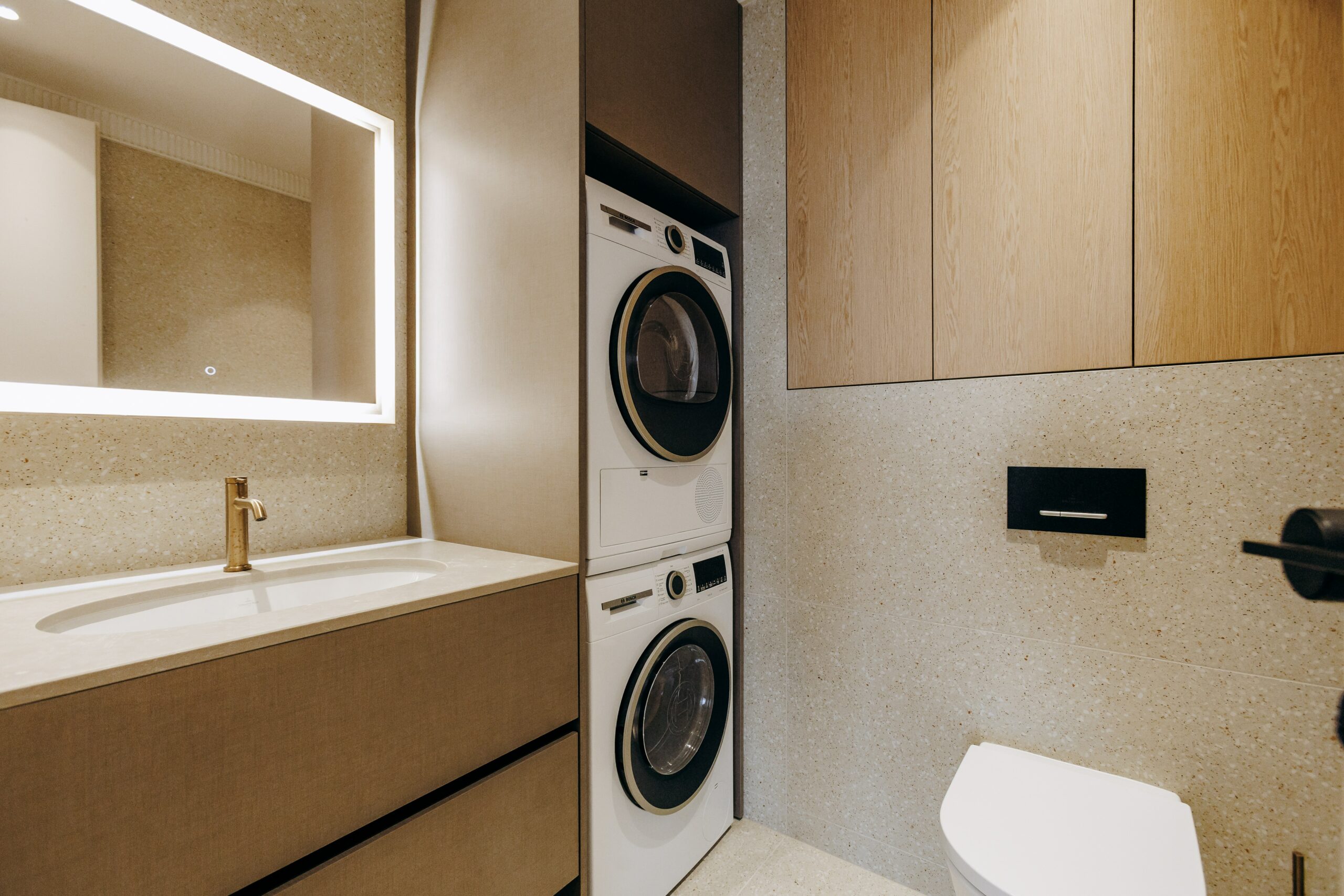
What Is a Short Depth Washer and Dryer? A Homeowner’s Complete Guide
If you have ever stared down a narrow hallway closet, a cramped utility nook, or a bathroom that barely fits two people, you already understand the problem. Standard washers and dryers were not designed with tight spaces in mind. Short depth washer and dryer units exist precisely for this reason. They deliver the core functionality of a full-size laundry pair while fitting into spaces that standard models simply cannot reach. Understanding what these appliances are, how they work, and what owning them actually means day to day is worth your time before you make a purchase decision.
Defining Short Depth: What the Measurements Actually Mean
A standard washer or dryer typically runs between 27 and 32 inches deep. Short depth models, sometimes called compact depth or shallow depth units, generally measure between 24 and 27 inches deep. That difference of even three or four inches can be the deciding factor between an appliance that fits and one that blocks a door or juts into a walkway. Width and height on most short depth units remain relatively consistent with standard sizing, typically around 27 inches wide and 36 to 39 inches tall. The depth reduction is targeted and intentional, which means you are not necessarily sacrificing capacity across every dimension.
How Short Depth Washers and Dryers Work
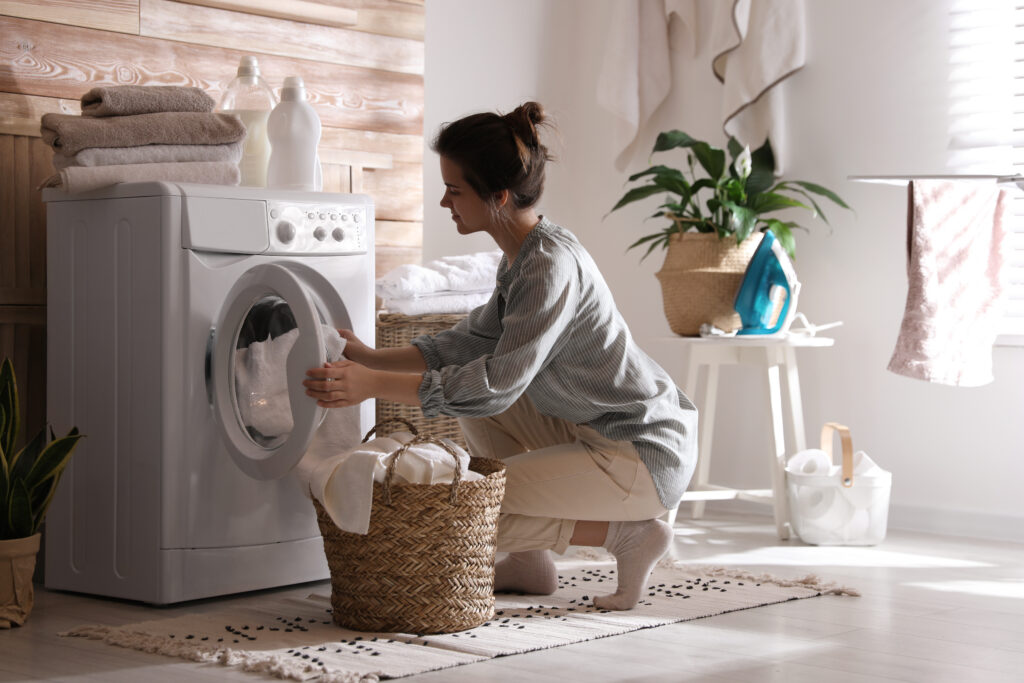
Short depth washers operate using the same mechanical principles as their full-size counterparts. Front-load models use a horizontal drum that tumbles clothes through a smaller volume of water, which is both water-efficient and gentler on fabrics. Top-load short depth models use an agitator or impeller system in a slightly shallower drum. Dryers in this category work through electric or gas heating elements paired with tumbling drums and ventilation systems. Some short depth dryers offer ventless condensation technology, which removes the need for an external exhaust duct entirely. That ventless option is particularly relevant for interior closets or rooms where running a vent to an exterior wall would be impractical or cost-prohibitive.
Key Advantages of Short Depth Laundry Appliances
- They fit in laundry closets, hallways, bathrooms, and utility spaces where standard units cannot be installed.
- Front-load short depth washers tend to use less water per cycle compared to top-load full-size models.
- Stackable configurations allow vertical use of space, freeing up floor area entirely.
- Ventless dryer options eliminate the need for exterior duct access, expanding installation possibilities significantly.
- Many models include modern features like steam cycles, smart home connectivity, and multiple wash settings despite the reduced footprint.
- They are well-suited for condominiums, apartments, older homes, and additions where laundry space was never originally planned.
Common Drawbacks Worth Knowing Before You Buy
Short depth appliances are not without their trade-offs, and going in with clear expectations matters. The most consistent limitation is load capacity. Because the drum is shallower, you will typically be washing smaller loads per cycle compared to a full-size machine. For households doing heavy laundry volume, this means more cycles, more time, and potentially more wear on the appliance over time. Ventless dryers, while flexible in placement, tend to take longer to dry a load than vented models. Some homeowners also find that repair parts for short depth models can be harder to source, and not every appliance technician has deep familiarity with the specific mechanics of compact depth units. Price points for short depth washers and dryers can also run higher than comparable full-size models, partly due to engineering complexity and partly due to lower overall production volume.

Stackable vs. Side-by-Side: Choosing Your Configuration
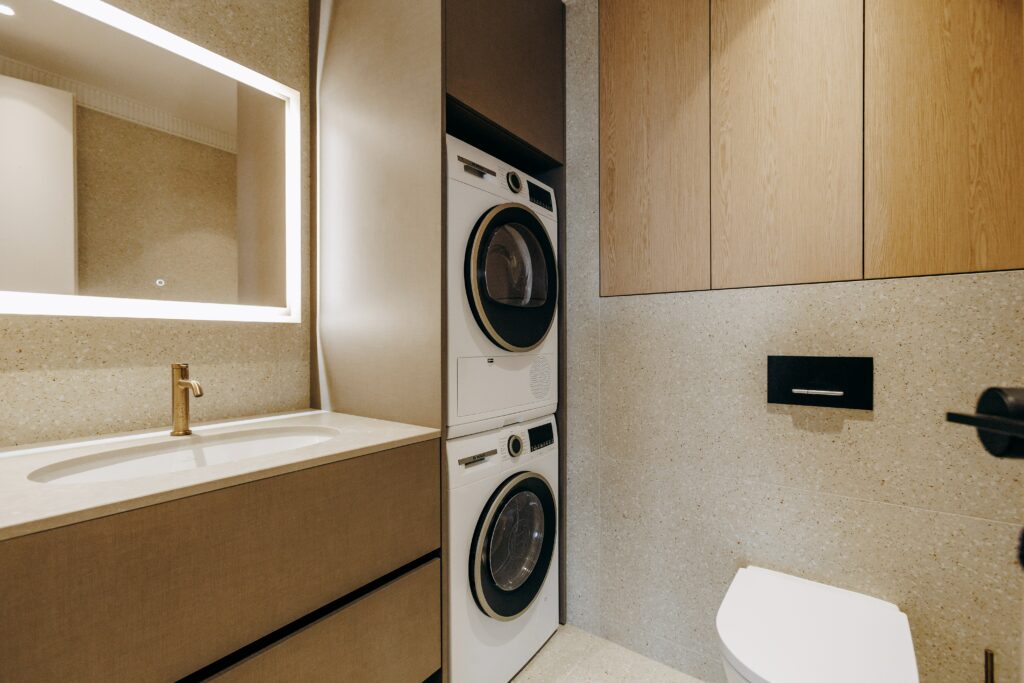
One of the more practical decisions you will make alongside choosing a short depth unit is whether to stack or set them side by side. Stacking is the more popular choice in tight spaces because it uses vertical room rather than horizontal floor space. Most short depth front-load washers are stackable with a compatible dryer placed on top. A stacking kit is typically required and is sold separately, so factor that into your budget. Side-by-side placement works well in laundry closets with wider openings or in under-counter configurations where stacking is not structurally possible. Measure your space carefully before deciding, including ceiling height if stacking is the plan, since the combined height of two stacked units can easily reach 70 inches or more.
Installation Considerations for Tight Laundry Spaces
Installing a short depth washer and dryer in a non-traditional space involves more planning than a standard laundry room setup. Electrical requirements vary by model, with most electric dryers requiring a dedicated 240-volt outlet and washers needing a standard 120-volt grounded outlet. If you are using a gas dryer, a gas line access point needs to be within reach. Water supply lines and a drain connection are required for the washer regardless of where it is placed. Ventless dryers simplify things on the exhaust side, but they still require adequate ambient airflow in the room to function efficiently. If you are working with a contractor on the installation, make sure they have experience with compact laundry setups, because an installer who typically works with full-size systems may not anticipate the clearance and drainage nuances these units can present.
Maintenance Tips to Keep Short Depth Units Running Well
- Clean the door gasket and drum interior monthly to prevent mold and odor buildup, which is especially common in front-load models.
- Run a drum cleaning cycle with an appliance cleaner or a cup of white vinegar on a hot wash cycle once a month.
- Check and clean the lint filter in your dryer after every single cycle, not just occasionally.
- If your dryer is vented, inspect and clean the exhaust duct at least once a year to prevent lint accumulation and fire risk.
- Inspect water inlet hoses annually for cracks, bulges, or wear and replace them proactively every three to five years.
- Keep the area around both units clear to maintain proper airflow and prevent heat buildup.
How Long Do Short Depth Washers and Dryers Typically Last?
Short depth washers and dryers generally follow a similar lifespan to their full-size counterparts when properly maintained. Washers typically last between 10 and 14 years, while dryers often reach 13 to 15 years with consistent care. That said, compact units that are being pushed through more frequent, smaller cycles due to limited capacity may accumulate more operational hours in less calendar time. The brand, build quality, and how heavily the unit is used all factor into actual longevity. Higher-end short depth models from reputable manufacturers tend to use more durable internal components, which pays off over the long run. Sticking to the manufacturer-recommended load sizes is one of the simplest ways to extend the life of the motor, drum bearings, and drive system.
Why Armadillo Should Be Part of Your Short Depth Laundry Plan
Here is the part that catches a lot of homeowners off guard. You research the right appliance, you find one that fits, you get it installed, and then somewhere around year three, the control board fails or the drum bearing gives out. Repair costs on compact and short depth units can run higher than standard machines simply because the parts are less commonly stocked and the labor requires specific familiarity with the unit. That is where having the right home warranty coverage changes the entire equation. Armadillo home warranty coverage for washers and dryers is built to handle exactly these kinds of situations without leaving you to navigate repair costs alone. When something goes wrong with a covered appliance, the process is straightforward and the support is real. If you are investing in a short depth laundry setup and want protection that actually holds up, take a few minutes to get a home warranty quote that covers your compact washer and dryer and see what makes sense for your home and budget.

Frequently Asked Questions About Short Depth Washers and Dryers
Here are answers to the questions homeowners ask most often when considering short depth laundry appliances.
What is considered a short depth washer or dryer?
A short depth washer or dryer is typically any unit with a depth measurement of 27 inches or less. Standard models run from 28 to 32 inches deep, so any unit in or below that 27-inch range qualifies as short or compact depth.
Can short depth washers handle full family laundry loads?
They can handle regular laundry needs for most households, but capacity per cycle is smaller than full-size models. Larger families may find themselves running more frequent loads to keep up with volume.
Are short depth washers front-load or top-load?
Both configurations exist, but front-load models dominate the short depth category because the horizontal drum orientation allows for a shallower overall footprint without drastically reducing capacity.
Do short depth dryers need to be vented?
Not necessarily. Many short depth dryers offer ventless condenser technology, which circulates air internally and collects moisture in a reservoir or drains it out. This makes them ideal for spaces without exterior vent access.
Can I stack a short depth washer and dryer?
Yes, most short depth front-load washers and dryers are designed to be stackable. A compatible stacking kit is usually required and is typically sold separately by the manufacturer.
Are short depth laundry units more expensive than standard models?
Generally, yes. Short depth units often carry a price premium over comparable standard-size models due to more specialized engineering and lower production volumes. However, pricing varies significantly by brand and feature set.
How do I know if a short depth unit will fit in my space?
Measure the depth, width, and height of your available space before shopping. Account for door swing clearance, water and electrical connections at the rear, and ceiling height if stacking. Always add a few inches of buffer on all sides for airflow and serviceability.
Does a home warranty cover short depth washers and dryers?
Yes, most home warranty plans that include washer and dryer coverage will cover short depth and compact models as long as the unit was properly installed and fails due to a mechanical or electrical breakdown. Review the specific terms of any plan before purchasing.
How often should I clean a short depth front-load washer?
The door gasket and drum should be wiped down after each use and given a thorough cleaning monthly. Running a drum cleaning cycle once a month with an appropriate cleaner helps prevent mold, mildew, and odor buildup common in front-load designs.
What brands make short depth washers and dryers?
Several major appliance manufacturers offer short depth options, including Bosch, Samsung, LG, Whirlpool, and GE. Availability of specific depths and configurations varies by brand and model year, so it is worth confirming exact measurements before purchasing.