Why Homeowners Are Fencing In Their AC Units — And What It Means for Your Home Warranty
You have probably walked past a neighbor’s house and noticed a tidy little enclosure built around their air conditioning unit. Maybe it looked like a cedar lattice fence, or a clean metal screen panel setup. Chances are, you thought — that actually looks pretty good. And then maybe you wondered if you should do the same thing. Here is the honest answer: AC unit fencing is more nuanced than it appears, and before you pick up a lumber order or call a contractor, there are a few things worth understanding — especially when it comes to how these enclosures affect your home warranty coverage.
What Exactly Is AC Unit Fencing?
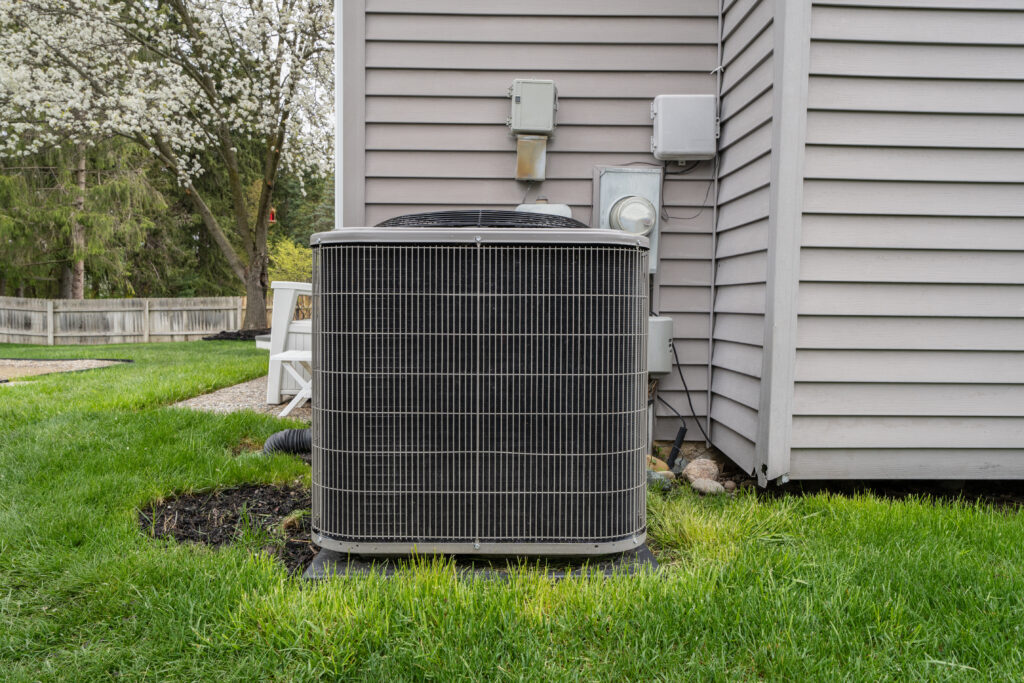
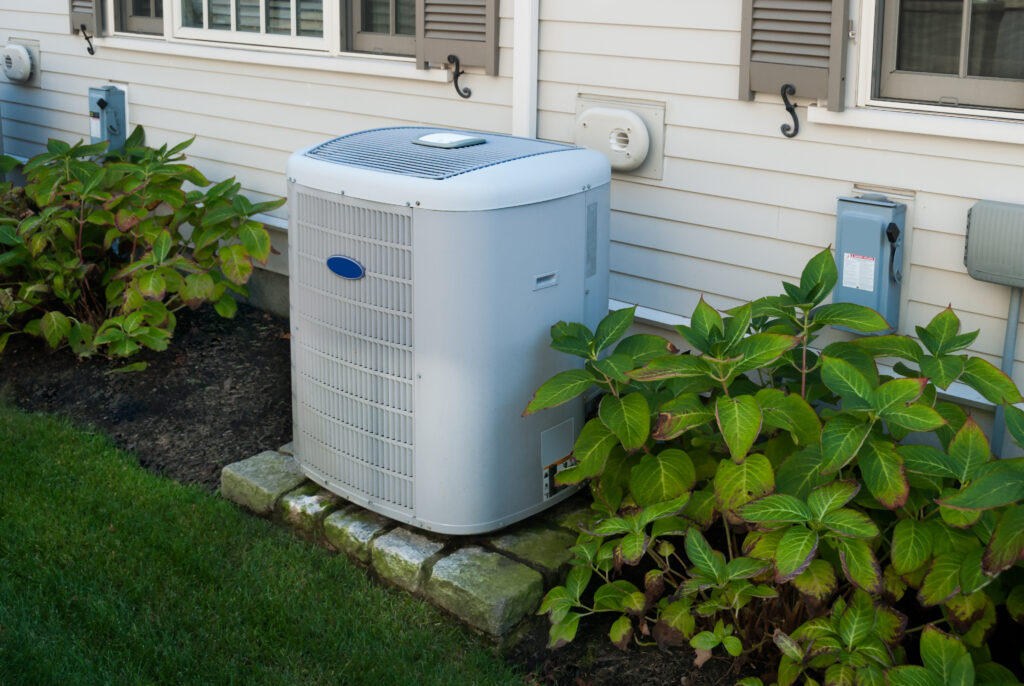
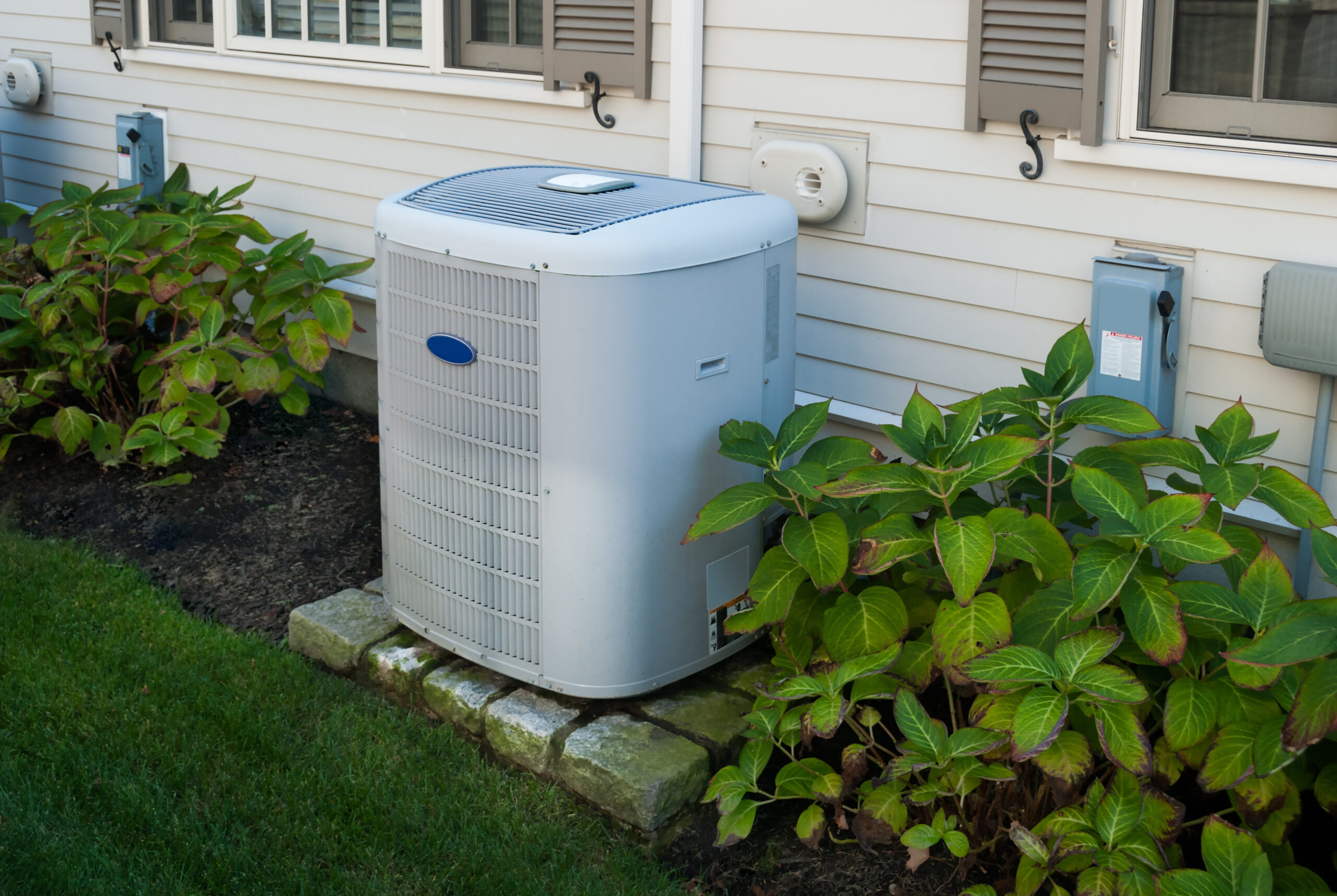
AC unit fencing refers to any kind of enclosure, screen, barrier, or decorative structure built around an outdoor air conditioning condenser unit. The condenser is the large box sitting outside your home — the one that hums during summer and sometimes collects leaves and debris. Homeowners install fencing around these units for a variety of reasons, ranging from aesthetics to security. Materials vary widely. Some people use wooden lattice panels, others go with aluminum or steel mesh, and some opt for vinyl privacy screens or even purpose-built AC unit enclosures sold as prefabricated kits. Regardless of material, the goal is generally the same: make the unit less visible, more protected, or both.
Why Homeowners Choose to Fence In Their AC Units
There are several reasons this decision makes sense for certain households, and they go beyond simply hiding an eyesore. Understanding the motivations helps you evaluate whether fencing makes sense for your specific situation.
- Curb appeal: Outdoor AC condensers are functional but not exactly beautiful. An enclosure can blend the unit into landscaping more naturally.
- Security: In some areas, copper coil theft from AC units is a real and expensive problem. A locked enclosure adds a layer of deterrence.
- Sun shading: Reducing direct sun exposure on the condenser can, in theory, slightly reduce the workload on the unit during peak heat hours.
- Child and pet safety: Fencing keeps curious kids and animals away from moving parts and electrical components.
- Noise reduction: Certain enclosure designs help muffle the sound of the unit, which matters when the condenser sits close to a patio or bedroom window.
How AC Unit Enclosures Work — And What They Should Not Do
Here is where many homeowners get into trouble. An AC condenser requires adequate airflow to function properly. The unit pulls in ambient air, runs it across the refrigerant coils, and expels heat outward. If an enclosure restricts that airflow — even slightly — the unit has to work harder to do its job. That added strain translates into higher energy bills, increased wear on components, and a shorter system lifespan. A well-designed enclosure maintains at least two to three feet of clearance on all sides and allows air to flow freely through open slats or mesh. A poorly designed one, especially one that is enclosed on top or has solid walls with no ventilation, can quietly cause significant damage over time. This is not an exaggeration — HVAC professionals routinely diagnose premature system failures traced back to improper enclosures.
The Right Way to Build or Install an AC Fence Enclosure
If you decide to move forward, doing it correctly matters. A few guidelines can mean the difference between a smart home improvement and an expensive mistake. First, always leave sufficient clearance — most HVAC manufacturers recommend at least 24 inches of open space on the sides where air intake and exhaust occur. Second, avoid enclosing the top of the unit. Heat rises, and blocking that pathway is one of the fastest ways to create an overheating issue. Third, use materials that do not trap heat themselves, such as slatted wood or open-weave metal rather than solid panels. Fourth, ensure the enclosure design allows for easy technician access. If a repair technician cannot get to your unit without disassembling the enclosure, that could delay service calls and, depending on your warranty terms, potentially complicate coverage situations.

Common Mistakes Homeowners Make With AC Unit Fencing
Even well-intentioned homeowners make choices that end up costing them more than the enclosure was worth. One of the most common mistakes is building the enclosure too close to the unit. It might look more proportional from a distance, but that proximity chokes airflow. Another frequent error is planting dense shrubs or vines directly around the enclosure, thinking it adds a natural touch — which it does, until those plants grow into the unit’s fins and cause real mechanical problems. Some homeowners also install enclosures without checking local building codes or HOA guidelines, only to find out later the structure violates setback requirements or aesthetics rules. And then there is the issue of material durability — cheap wood that warps or splinters after a single winter can become a debris hazard sitting right next to an expensive piece of HVAC equipment.
How AC Fencing Intersects With Your Home Warranty Coverage
This is the part most homeowners do not think about until it is too late. A home warranty plan typically covers mechanical failures of your HVAC system that result from normal wear and tear. What it does not cover — and what can complicate or void a claim — is damage caused by improper installation, modifications, or neglect. If a technician finds that your condenser failed prematurely because an enclosure was restricting airflow, that determination can affect whether a claim is approved. This is not a technicality buried in fine print for no reason. It reflects the core principle that home warranties cover systems maintained and used properly. An enclosure that causes documented harm to a covered system creates a legitimate coverage question. That is why understanding the boundary between home improvement and home modification matters so much.
What to Check Before Installing Any AC Enclosure
Before any project like this moves forward, a quick checklist can save considerable time and money. Review your HVAC manufacturer’s installation manual for clearance specifications — these are often more specific than general guidelines. Contact your home warranty provider and ask whether enclosures affect your coverage terms. Check with your local municipality about permit requirements. Review any HOA rules if applicable. And if you hire a contractor, make sure they have experience specifically with HVAC-adjacent structures, not just general fencing. Someone who builds deck railings for a living may not be thinking about condenser coil airflow dynamics when they plan the enclosure layout. Getting this right from the start is far less expensive than dealing with a rejected warranty claim or a premature system replacement.
Maintaining Your AC Unit Inside an Enclosure
Once an enclosure is in place, maintenance habits need to adjust accordingly. Debris accumulates differently around enclosed units — leaves, dirt, and seed pods can collect inside the enclosure faster than they would in open air. Seasonal inspections should include clearing the interior of the enclosure, not just the area around it. Annual professional HVAC tune-ups become even more important because a technician can spot early signs of airflow restriction that a homeowner might not notice. Filters, coils, and drainage lines all benefit from routine attention. From a home warranty standpoint, documented maintenance records are always valuable — they demonstrate that the homeowner has been a responsible steward of the covered system, which supports rather than complicates any future claims.
Why Armadillo Belongs in This Conversation
Protecting your HVAC system is exactly the kind of long-term thinking that a quality home warranty plan is designed to support, and Armadillo’s home warranty plans for HVAC systems and major home appliances are built around that same philosophy. Armadillo approaches home protection differently — no confusing exclusions designed to trip you up, no coverage that looks solid on paper and falls apart at claim time. When your AC system breaks down, whether from a failed compressor, a worn contactor, or a refrigerant issue, you want coverage that actually does something. That is where Armadillo delivers. If you have already made improvements to your home, including adding an enclosure around your condenser, now is a good time to make sure your coverage is airtight too. You can get a free home warranty quote that covers your air conditioning system in minutes and see exactly what protection looks like without the guesswork. Your HVAC investment deserves backup that shows up when it counts.

Frequently Asked Questions About AC Unit Fencing and Home Warranty Coverage
These are the questions homeowners ask most often when navigating the intersection of AC enclosures and home protection plans.
Does building a fence around my AC unit void my home warranty?
Not automatically, but it can complicate a claim if the enclosure is found to have contributed to the system’s failure. Improper airflow restriction caused by an enclosure is a common reason claims are disputed, so proper installation is critical.
How much clearance does an AC enclosure need on each side?
Most HVAC manufacturers recommend at least 24 inches of clearance on the sides where air is drawn in and expelled. The top of the unit should remain fully unobstructed to allow heat to escape freely.
Can I enclose the top of my outdoor AC unit?
It is strongly discouraged. The condenser expels heat upward, and blocking that pathway can cause the unit to overheat, reducing efficiency and shortening the system’s lifespan significantly.
Will an AC enclosure reduce my energy bills?
Possibly, if the enclosure provides shade from direct sun without restricting airflow. However, the savings are typically modest and can easily be offset if the enclosure causes the unit to work harder due to poor ventilation design.
What materials are best for an AC unit enclosure?
Slatted cedar wood, aluminum mesh panels, and vinyl lattice are common choices that balance aesthetics with ventilation. Solid-panel materials without gaps should be avoided entirely around a working condenser unit.
Do I need a permit to build a fence around my AC unit?
It depends on your local municipality and HOA rules. In many areas, small accessory structures like AC enclosures fall below the permit threshold, but it is always worth confirming before construction begins.
Will an AC enclosure protect my unit from theft?
A locked, sturdy enclosure can deter opportunistic theft, particularly copper coil theft, which is a real concern in certain regions. However, no enclosure is completely theft-proof, and alarm systems offer an additional layer of protection.
How do I maintain my AC unit if it is inside an enclosure?
Ensure the enclosure is designed for easy access, and clear debris from inside the enclosure regularly. Schedule annual professional HVAC maintenance and keep records of service visits to support any future home warranty claims.
Does a home warranty cover AC condenser damage caused by an enclosure?
Generally, home warranties cover mechanical failures from normal wear and tear. Damage attributed to an improper enclosure — such as overheating from poor ventilation — may not qualify as a covered failure under most plan terms.
What should I tell my home warranty provider before installing an AC enclosure?
It is a good idea to contact your provider and ask directly whether an enclosure affects your coverage. Some providers may have specific guidelines, and getting clarity before installation protects you from surprises during a future claim.