What Is a Single Room Ductless AC and Why Are Homeowners Paying Attention?
If you have ever dealt with a room that stays stubbornly hot no matter what your central air system does, you already understand the frustration. Sunrooms, converted garages, home offices, and older homes without ductwork all share the same problem: inconsistent cooling. A single room ductless air conditioner, often called a mini-split, offers a targeted solution for exactly that problem. These systems have been popular in Europe and Asia for decades, and they are finally getting the recognition they deserve in North American homes. The concept is straightforward, the installation is relatively minimal compared to central air, and the results tend to speak for themselves. Understanding how this technology works and whether it fits your situation is the first step to making a confident decision.
How a Single Room Ductless AC Actually Works
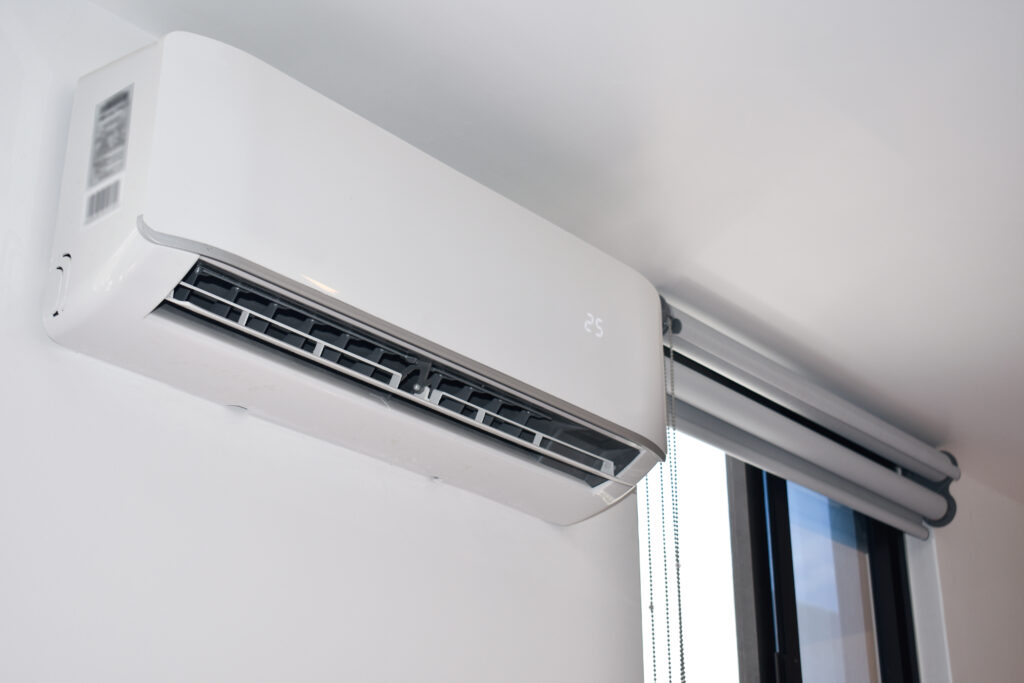
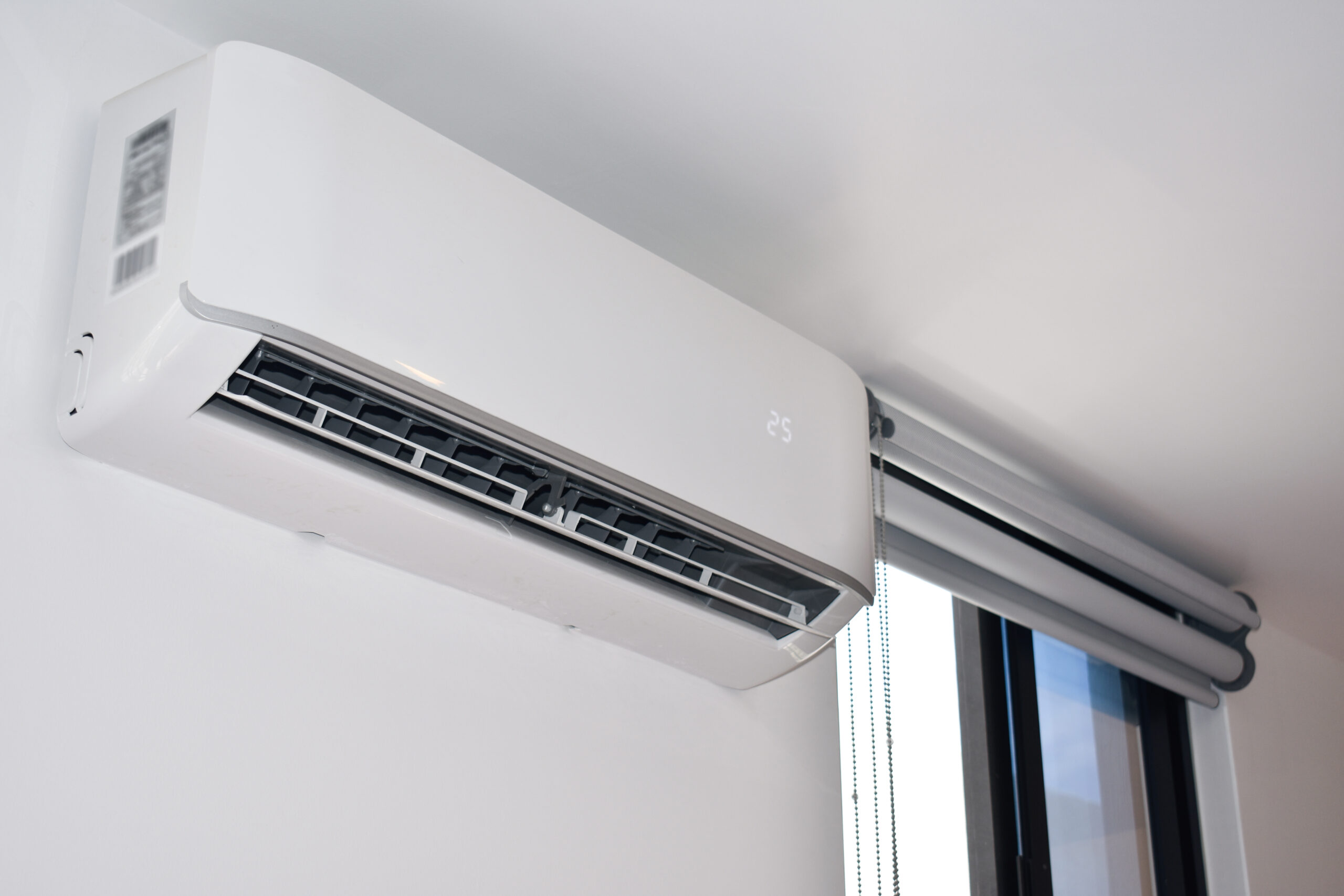
A ductless mini-split system has two main components: an indoor air-handling unit mounted on the wall and an outdoor compressor unit. The two are connected by a conduit that runs through a small hole in the wall, typically around three inches in diameter. That conduit carries refrigerant lines, a power cable, and a condensate drain line. The indoor unit pulls warm air from the room, passes it over a refrigerant-cooled coil, and sends the cooled air back into the space. The outdoor unit handles heat transfer, releasing the heat pulled from your room to the outside air. There are no ducts involved, which is a significant distinction from central air systems. Most modern single-room ductless systems also include a heat pump function, meaning they can reverse the cycle and provide heating during cooler months as well.
The Key Advantages That Make Ductless Systems Worth Considering
There are several reasons why single room ductless AC units have gained traction with homeowners who want precise, efficient cooling without major construction. These advantages cover efficiency, comfort, and practical installation realities.
- Energy efficiency is one of the most cited benefits. Because there are no ducts, there is no energy loss from leaky ductwork, which the U.S. Department of Energy estimates can account for more than 30 percent of energy consumption in central systems.
- Installation is far less invasive than adding ductwork to an older home. The only structural requirement is a small wall penetration.
- Zoned comfort is inherent to the design. You control the temperature of the specific room, not the entire house.
- Noise levels are noticeably lower compared to window units and even some central air systems, since the noisiest component, the compressor, sits outside.
- Many models offer multi-stage filtration, which can improve indoor air quality for allergy-sensitive households.
Common Drawbacks Homeowners Should Know Before Buying
No cooling solution is without its trade-offs, and single room ductless AC systems are no exception. The upfront cost is the most frequently mentioned barrier. A quality mini-split system with professional installation can range from roughly $1,500 to $5,000 or more depending on capacity and brand. That is considerably more than a window unit, which might run a few hundred dollars. Beyond cost, the indoor wall-mounted unit is visible and takes up wall space, which some homeowners find aesthetically disruptive. Regular maintenance is also non-negotiable. The filters need to be cleaned monthly, and the outdoor unit requires periodic professional servicing to maintain efficiency and longevity. Neglecting maintenance is one of the most common reasons these systems fail prematurely.

Sizing Your Ductless Unit Correctly Makes All the Difference
Choosing the right size for a single room ductless AC is not a guessing game. Undersized units will run constantly and never quite reach the desired temperature. Oversized units will cool the room too quickly without properly dehumidifying the air, leaving it feeling clammy and uncomfortable. Sizing is measured in BTUs, or British Thermal Units. A general rule of thumb is approximately 20 BTUs per square foot of living space, but that calculation shifts based on ceiling height, insulation quality, window size, sun exposure, and how many people regularly occupy the space. For a dedicated room like a home office or bedroom, a 9,000 to 12,000 BTU unit is commonly appropriate. For a larger open-plan room or a converted garage, you may need significantly more capacity. Consulting with an HVAC professional before purchasing is always the smarter path.
Installation: What to Expect and When to Call a Professional
Some manufacturers market ductless mini-split systems as DIY-friendly, and while certain models do offer simplified installation kits, this is not typically the route homeowners should take without technical experience. Working with refrigerant requires EPA certification, and improper installation can void manufacturer warranties and create safety hazards. The outdoor unit needs to be mounted on a stable pad or wall bracket with adequate clearance. The indoor unit needs to be positioned to ensure even airflow across the room without blowing directly onto occupants. Electrical work is required on both ends of the system. Most reputable HVAC technicians can complete a single-room installation in a few hours, and that professional installation is worth every dollar when it protects your investment and keeps your warranty intact.
Energy Efficiency Ratings and What SEER Means for Your Electric Bill
When you shop for a ductless mini-split, you will encounter the term SEER, which stands for Seasonal Energy Efficiency Ratio. It measures how efficiently the unit converts electricity into cooling over an entire season. Higher SEER ratings mean greater efficiency and lower operating costs. Most current single room ductless systems range from SEER 15 to SEER 30 or higher. The minimum federal standard for split systems in most regions is SEER 15 as of recent regulatory updates. Investing in a higher-SEER unit has a real impact on monthly utility bills, and in warmer climates where the system runs for many months out of the year, that difference compounds significantly over time. Some utility companies also offer rebates for installing high-efficiency systems, so it is worth checking local incentive programs before purchasing.
Maintenance Tips to Extend the Life of Your Ductless System
A ductless mini-split can last 15 to 20 years with proper care. Routine maintenance is simpler than most homeowners expect, but it requires consistency. Cleaning the indoor air filters every two to four weeks during heavy use seasons is essential. Most filters slide out easily and can be rinsed with warm water and allowed to dry before reinstalling. The outdoor unit should be kept clear of debris, vegetation, and any obstructions that could restrict airflow. Annually, a professional technician should inspect refrigerant levels, clean the coils, check electrical connections, and verify that the condensate drain line is clear. Skipping annual professional service is one of the more common and costly mistakes homeowners make with these systems.
Is a Single Room Ductless AC Covered Under a Home Warranty?
This is a question that comes up more often than you might expect, and the answer depends entirely on the home warranty provider and the specific plan you hold. Many standard home warranty plans cover central air conditioning systems but may categorize ductless mini-splits differently or exclude them unless a specific rider or add-on is selected. Before assuming your unit is covered, review your contract language carefully and look for terms like mini-split, ductless system, or auxiliary cooling. Some plans will cover mechanical and electrical components of a ductless system while excluding cosmetic parts or damage resulting from improper installation or lack of maintenance. Understanding what your plan does and does not include helps you avoid an unpleasant surprise when a repair becomes necessary.
If your home relies on a single room ductless system for comfort, working with a home warranty provider that covers ductless mini-split systems is not just smart planning, it is practical protection for a system that costs real money to repair or replace. Armadillo offers straightforward, homeowner-friendly coverage that does not bury the important details in confusing fine print. When your mini-split compressor fails or your indoor unit stops cooling effectively, the last thing you want is to discover your plan left you exposed. Take a few minutes to get a personalized home warranty quote for your ductless AC system and see exactly what Armadillo covers before something breaks down. The peace of mind is worth it, and the process is faster than most homeowners expect.

Frequently Asked Questions About Single Room Ductless AC Systems
What is the difference between a ductless mini-split and a window air conditioner?
A window air conditioner is a self-contained unit installed in a window opening, while a ductless mini-split consists of a separate indoor wall unit and outdoor compressor connected by refrigerant lines. Mini-splits are quieter, more energy-efficient, and do not obstruct windows.
Can a single room ductless AC also provide heat?
Yes. Most ductless mini-split systems include a heat pump function that reverses the refrigerant cycle to deliver warm air during cooler months, making them a year-round comfort solution for the spaces they serve.
How long does a ductless mini-split system typically last?
With regular maintenance and professional servicing, a quality single room ductless AC system can last between 15 and 20 years, which is comparable to or better than many central air conditioning systems.
Do I need a permit to install a ductless mini-split in my home?
Permit requirements vary by municipality. Many jurisdictions require an electrical permit for the installation, and some require an HVAC permit as well. Always check with your local building department before installation begins.
How often should the filters in a ductless mini-split be cleaned?
During periods of regular use, the filters in the indoor air handler should be cleaned every two to four weeks. Most filters are washable and can be rinsed with water and allowed to dry completely before being replaced.
Is a single room ductless AC a good solution for a home without ductwork?
Yes. Homes built without central ductwork, including older homes, historic properties, and homes with radiant heating, are excellent candidates for ductless mini-split systems since no ductwork installation is required.
What SEER rating should I look for in a ductless mini-split?
A SEER rating of 18 or higher is generally considered a good benchmark for energy efficiency. Higher SEER ratings translate to lower operating costs over time, particularly in climates where cooling demand is high for extended periods.
Will my home warranty cover a ductless mini-split system?
Coverage depends on your specific home warranty plan and provider. Some plans include ductless systems under broader HVAC coverage, while others require an additional rider. Reviewing your contract terms carefully is essential before assuming coverage exists.
Can I install a ductless mini-split myself without a professional?
While some systems are marketed as DIY-friendly, handling refrigerant legally requires EPA certification, and improper installation can void warranties and create safety issues. Professional installation is strongly recommended for most homeowners.
How much does it cost to repair a ductless mini-split system?
Repair costs vary widely depending on the component involved. Common repairs such as refrigerant recharges, capacitor replacements, or sensor issues can range from $150 to $600. Compressor replacement, one of the most expensive repairs, can run $1,000 or more including labor.