What Is a Skylight and Why Are Homeowners Paying Attention to It
There is something about natural light pouring through a ceiling that changes the entire mood of a room. Skylights have been around for centuries in various forms, but modern versions have become a genuinely sophisticated home feature worth understanding before you commit to anything. Whether you are renovating a dark hallway, upgrading a bathroom that feels like a cave, or simply curious about what that glass panel in a neighbor’s roof actually does, this article breaks it all down in a way that actually makes sense. No contractor jargon, no fluff. Just what you need to know to make a smart decision for your home.
Understanding What a Skylight Actually Is
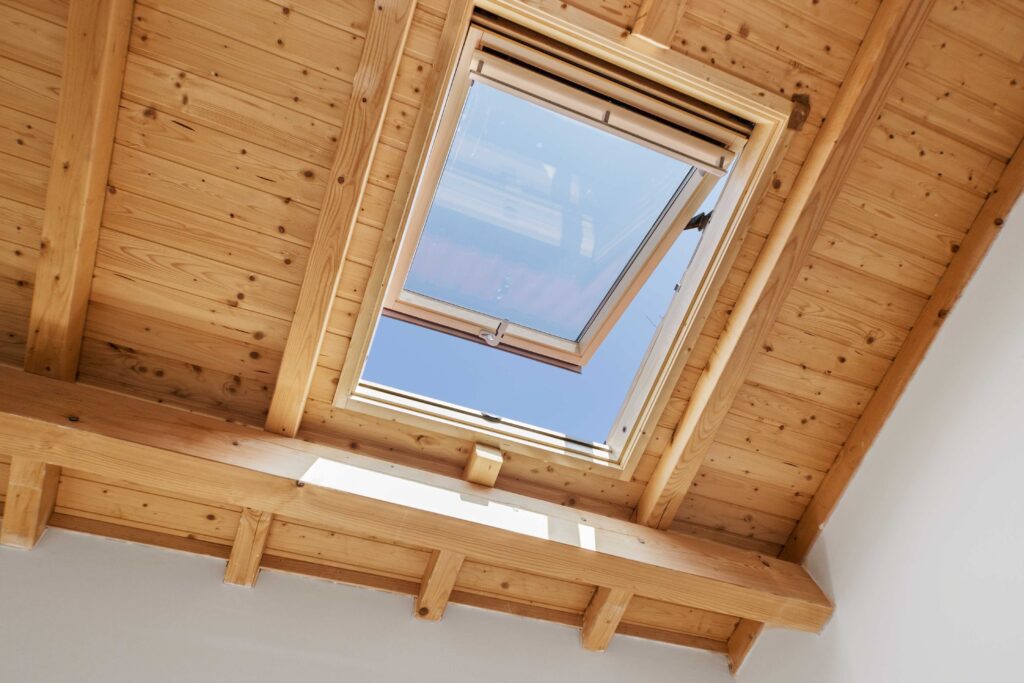
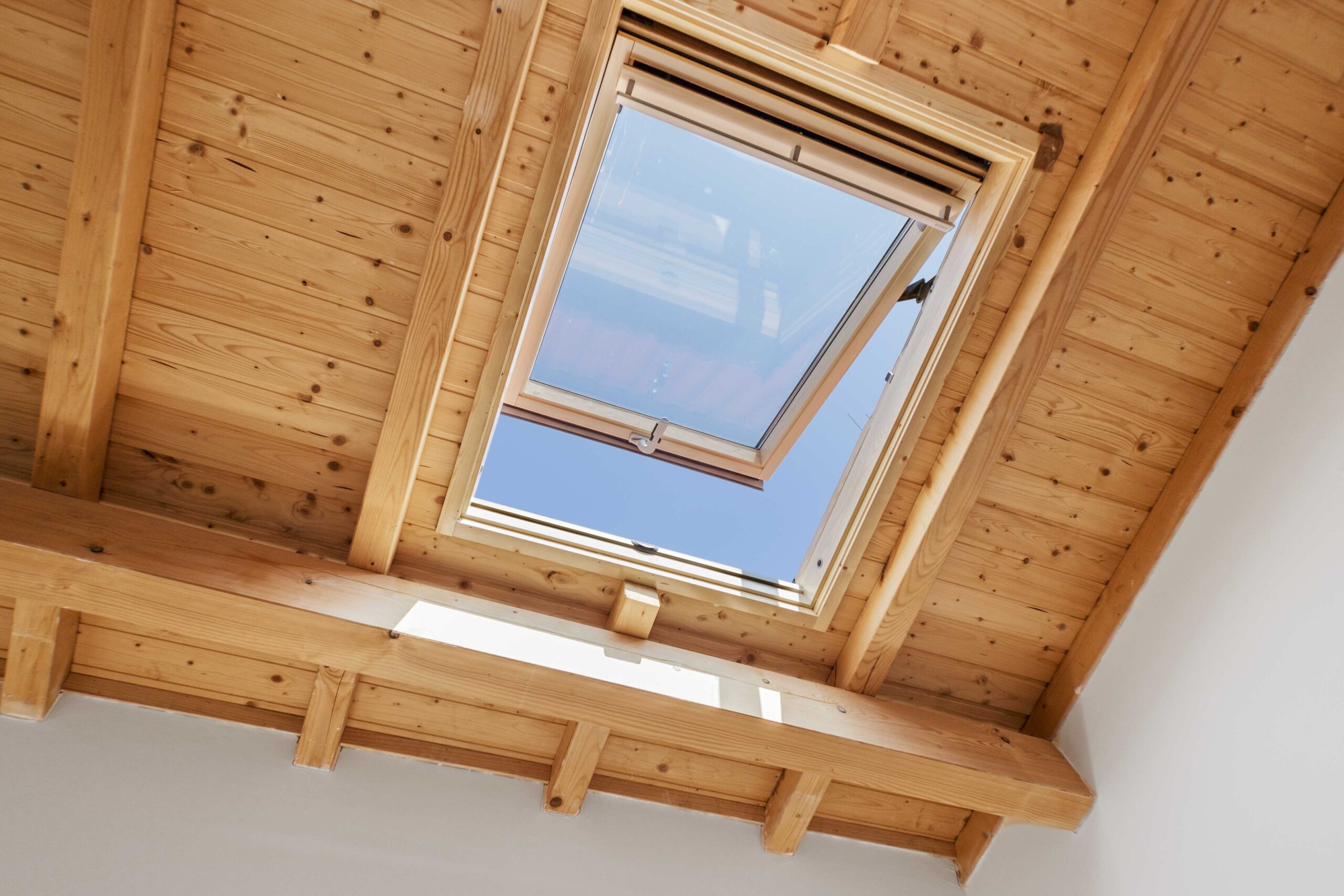
A skylight is a window installed in a roof or ceiling structure, designed to allow natural light and, in some cases, fresh air into a space below. The concept is straightforward, but the execution varies widely. Fixed skylights are sealed and do not open. Ventilating skylights, sometimes called roof windows, can be opened manually or with a motorized mechanism. Tubular skylights, or solar tubes, are a smaller alternative that channels sunlight through a reflective tube from the roofline down into interior rooms. Each type serves a different purpose, and the right choice depends heavily on your home’s layout, your roof’s pitch, and what you are actually trying to accomplish. Most skylights are made with tempered or laminated safety glass, and many include built-in UV coatings to reduce fading of furniture and flooring over time.
How Skylights Work to Bring Light Into Your Home
The mechanics are less complicated than people expect. A skylight is essentially a weather-sealed opening in the roof structure, framed and flashed to prevent water intrusion, with glazing material installed to transmit light downward. During daylight hours, the angle of the sun shifts the direction and intensity of the light entering through the skylight. South-facing skylights tend to receive the most consistent light throughout the day in the Northern Hemisphere. North-facing options produce softer, more diffused light, which is often preferred in artist studios or reading rooms. For ventilating models, the opening mechanism allows warm air to rise and escape, which introduces passive cooling and air circulation as an added benefit. Solar tubes work differently by capturing light at the roofline with a dome, bouncing it down a highly reflective tube, and distributing it through a diffuser lens installed in the ceiling below.
The Real Benefits of Installing a Skylight
- Natural light reduces reliance on artificial lighting, which can meaningfully lower electricity costs over time
- Ventilating skylights improve indoor air quality by releasing trapped heat and humidity, particularly valuable in kitchens and bathrooms
- Exposure to natural daylight has documented effects on mood, sleep quality, and general wellbeing
- Skylights can make smaller or enclosed rooms feel significantly larger and more open without structural changes
- Homes with well-placed skylights often see a measurable increase in perceived value, particularly in real estate markets that favor light-filled interiors
- Solar tubes are a lower-cost entry point for homeowners who want natural light in interior rooms without a full skylight installation
Common Drawbacks Worth Knowing Before You Commit
Skylights are not without their complications, and honest homeowners should walk into this decision with both eyes open. Heat gain is a legitimate concern in warmer climates. Even with Low-E coatings, a large skylight on a south-facing roof can noticeably raise indoor temperatures during summer months. Glare is another issue that can make televisions or computer screens nearly unusable in certain rooms depending on placement and time of day. Installation quality matters enormously because a poorly flashed or sealed skylight is a direct path for water intrusion, and roof leaks are among the most damaging and disruptive home repair issues a homeowner can face. Cleaning and maintenance are also factors, particularly for skylights on steep or high rooflines where accessibility becomes a real challenge. And finally, some older homes with complex roof structures may require significant modification to accommodate a skylight safely.
Skylight Installation: What to Expect from the Process
Installation timelines and complexity vary depending on the type of skylight and the existing roof structure. A standard fixed skylight installation on a straightforward pitched roof typically takes one to two days for a professional crew. The process involves cutting through the roofing material and roof deck, framing the opening, installing the skylight unit, and applying proper flashing to ensure a watertight seal. Interior finishing work, including framing a light shaft if the ceiling is not at roof level, adds time and cost. Solar tube installations are considerably less invasive and can often be completed in a few hours. It is always recommended to work with a licensed roofing or skylight contractor rather than treating this as a DIY project, particularly because improper installation almost always leads to leaks that develop months or years after the work is done.

Energy Efficiency and Skylights: The Full Picture
Energy performance is one of the most frequently misunderstood aspects of skylight ownership. Modern skylights designed with energy efficiency in mind typically feature double or triple-pane glazing, Low-E coatings, gas fills between panes, and thermally broken frames. These features reduce heat transfer significantly compared to older or budget-tier models. The ENERGY STAR program certifies skylights that meet performance thresholds for different climate zones, which is a useful benchmark when shopping. That said, even a well-designed skylight will affect your home’s thermal envelope differently than an insulated wall section would. The net energy impact depends on orientation, climate, shading, and how the daylight actually reduces your lighting load. In many cases, daylighting savings outweigh the thermal trade-off, but that equation shifts in extremely hot or cold climates where heating and cooling loads are more significant.
Maintenance Tips Every Skylight Owner Should Know
Keeping a skylight in good working order is not particularly demanding, but it does require some attention. Inspect the flashing and sealant around the skylight frame at least once a year, ideally in the fall before wet weather arrives. Look for cracked caulk, lifted flashing edges, or any visible gaps where water could enter. Clean the exterior glazing periodically to remove dirt, pollen, and debris that can accumulate and reduce light transmission. For ventilating models, test the opening mechanism seasonally and lubricate any moving parts according to the manufacturer’s guidance. Interior condensation on the glazing can indicate a seal failure between panes, which usually means the unit needs replacement rather than repair. Keeping gutters and nearby roof areas clear of debris also reduces the risk of pooling water near the skylight frame during heavy rainfall.
Is a Skylight Right for Your Home
The honest answer is that it depends on a handful of factors specific to your situation. Homes in climates that receive consistent natural daylight throughout the year tend to benefit most from skylights. Rooms with limited or no exterior wall windows are strong candidates. Flat or low-pitched roofs may require special skylight designs, but they are not automatic disqualifiers. Budget is also a real factor. A quality fixed skylight with professional installation can range from several hundred to several thousand dollars depending on size, glazing specifications, and the complexity of the installation. Solar tubes offer a more accessible price point for homeowners who want some of the benefits without the full investment. The key is to evaluate placement carefully, work with a qualified installer, and select a product rated for your specific climate region.
How Armadillo Helps Protect the Systems That Keep Your Home Running
Installing a skylight is one way to invest in your home’s comfort and livability. But protecting the systems and appliances already working hard inside your home is just as important. That is where a home warranty becomes genuinely valuable. Armadillo home warranty coverage for essential home systems and appliances is designed to give homeowners real financial protection when things break down unexpectedly. Whether it is your HVAC system struggling through a summer heat wave or a plumbing issue that surfaces without warning, having coverage in place means you are not scrambling to cover a large repair bill out of pocket. Armadillo keeps the process straightforward, the coverage transparent, and the service responsive. If you are making meaningful improvements to your home like adding a skylight or upgrading major systems, it makes sense to pair that investment with a plan that protects what you already have. Get a personalized home warranty quote for your house today and see exactly what kind of protection is available in your area. Your home works hard for you every day. Protecting it should not be complicated.

Frequently Asked Questions About Skylights
Answers to the questions homeowners ask most often about skylights, how they work, and what to expect before and after installation.
How much does it cost to install a skylight?
Costs vary based on skylight type, size, glazing options, and installation complexity. A standard fixed skylight with professional installation typically ranges from $900 to $2,500. Ventilating skylights and larger units can cost more. Solar tube installations are generally less expensive, often ranging from $500 to $1,000 installed.
Do skylights always cause roof leaks?
Not when installed correctly. Leaks are most often the result of poor flashing, improper sealing, or aging materials. A properly installed skylight with quality flashing can remain watertight for 20 years or more with routine maintenance.
Can a skylight be installed on any type of roof?
Most roof types can accommodate a skylight, including asphalt shingle, metal, and tile roofs. Flat or very low-pitched roofs require specially designed curb-mounted skylights. A licensed contractor can assess your roof’s structure and recommend the appropriate product.
What is the difference between a skylight and a solar tube?
A skylight is a full glazed opening in the roof structure and can be fixed or operable. A solar tube, or tubular skylight, captures sunlight at the roofline and directs it through a reflective tube into the room below via a diffuser. Solar tubes are smaller, less expensive, and easier to install in interior rooms.
Will a skylight make my home hotter in summer?
It can, depending on placement and glazing quality. South-facing skylights receive the most direct sunlight and can contribute to heat gain. Skylights with Low-E coatings and proper shading options significantly reduce this effect. Ventilating skylights can also help by releasing accumulated warm air.
How long does a skylight typically last?
A high-quality skylight installed correctly can last between 15 and 25 years before the seals or glazing may need replacement. The surrounding flashing and roofing materials may require maintenance sooner. Regular inspection helps extend the useful life of the unit.
Are there skylights that are energy efficient?
Yes. Look for skylights that carry ENERGY STAR certification for your climate zone. Features such as double or triple-pane glazing, Low-E coatings, inert gas fills, and thermally broken frames all contribute to better energy performance.
Can I install a skylight myself?
It is strongly discouraged. Skylight installation involves cutting through the roof structure, proper flashing, and weatherproofing work that requires professional expertise. Improper installation is a leading cause of roof leaks and can void product warranties. Hiring a licensed contractor is the recommended approach.
Do skylights require a lot of maintenance?
Routine maintenance is minimal but important. Annual inspection of flashing and sealant, periodic exterior cleaning, and seasonal checks of any mechanical components for ventilating models are typically all that is required to keep a skylight performing well.
Will adding a skylight increase my home’s resale value?
In many cases, yes. Natural light is a strong selling feature in real estate, and well-placed skylights can make rooms feel larger and more appealing. The return on investment varies by market and installation quality, but skylights are generally viewed as a desirable home feature by buyers.