Small but Mighty: What You Need to Know About Stackable Washer and Dryer Units
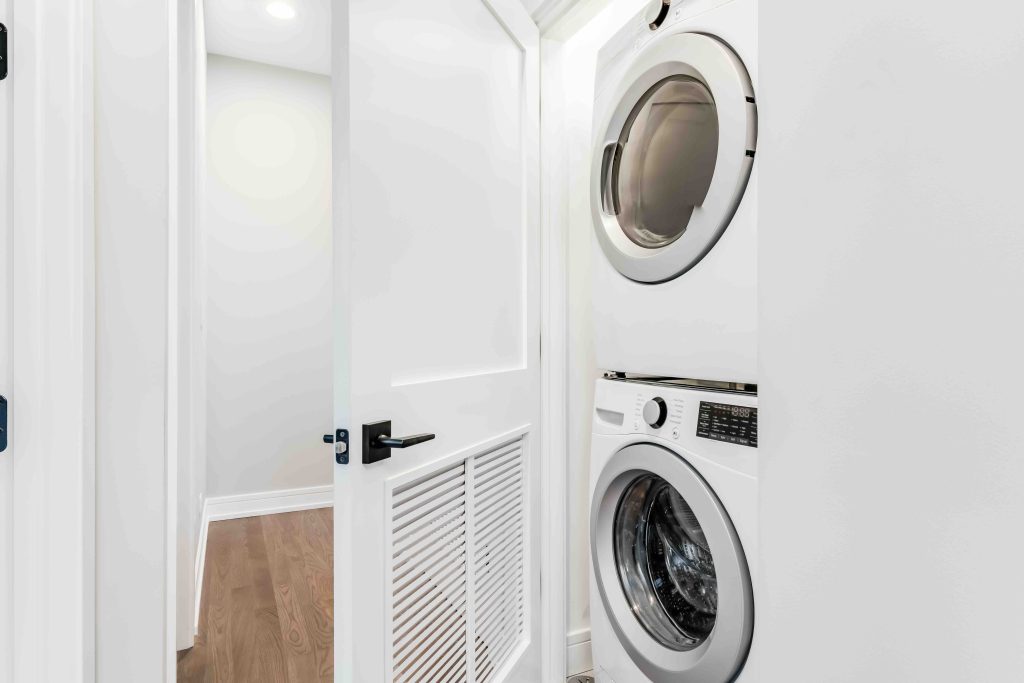
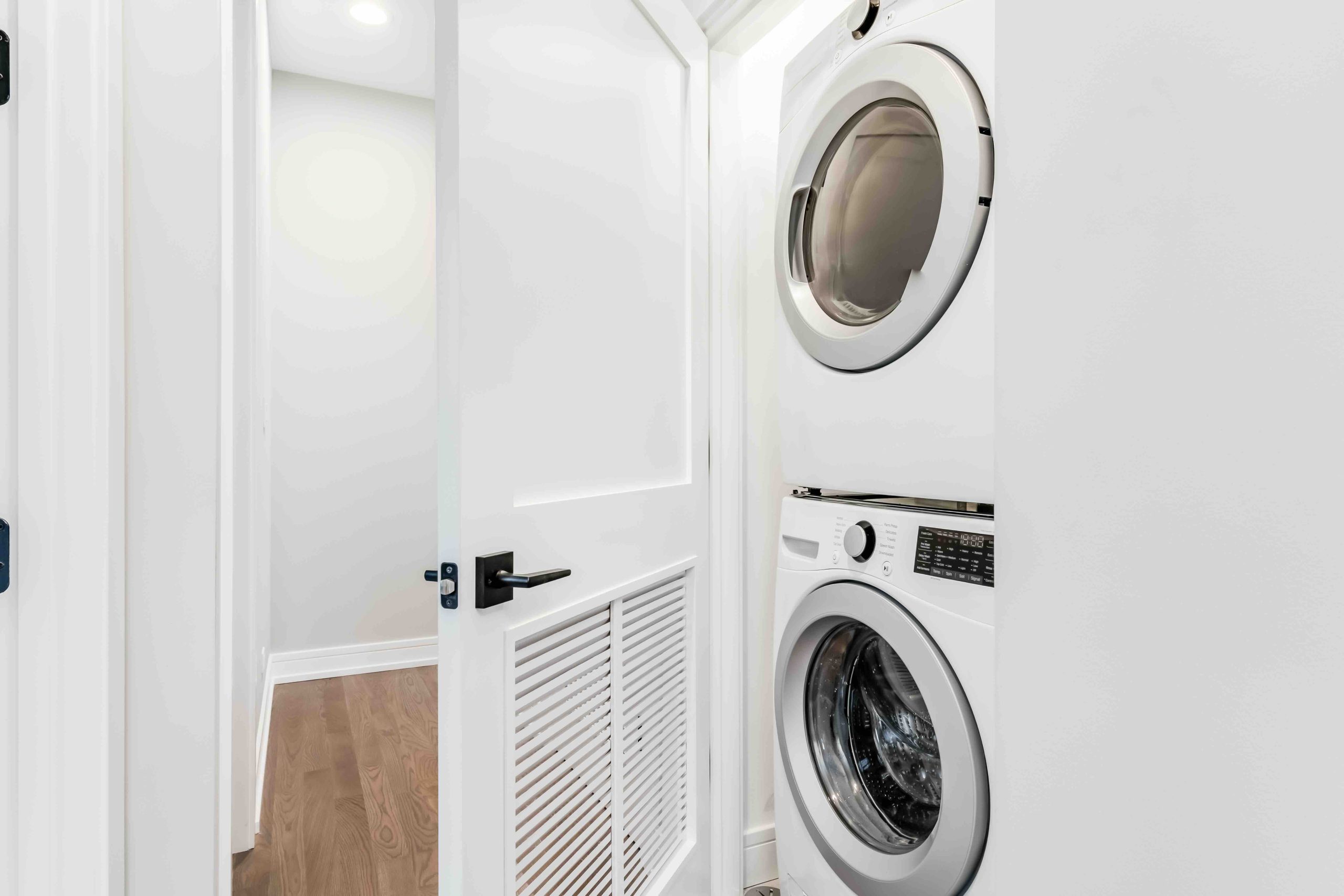
Not every home comes with a dedicated laundry room, and honestly, that is perfectly fine. Compact living spaces, condos, apartments, and older homes without utility rooms have pushed a lot of homeowners toward a smart, space-saving solution: the stackable washer and dryer. These units do exactly what the name suggests. They stack vertically, one on top of the other, which cuts the floor footprint nearly in half compared to side-by-side setups. If you have ever stood in a narrow hallway closet wondering how to make laundry work, this appliance combination was basically designed for that moment.
How Stackable Washer and Dryer Units Actually Work
The mechanics are not dramatically different from full-size laundry appliances. You still have a washing machine that fills with water, agitates or tumbles clothing, and drains. The dryer above it uses either electric heating elements or a gas burner to circulate hot air and remove moisture from fabric. What changes is the form factor. Stackable units are typically front-loading washers paired with a compatible dryer, connected using a stacking kit that secures the dryer safely on top. Some models are sold as a single all-in-one combo unit, while others are two separate appliances designed to work together. The controls are usually front-facing on both units, which keeps everything accessible even when the dryer is elevated. Ventless condenser or heat pump dryer models are also growing in popularity for stackable configurations because they do not require an external vent, which opens up even more installation possibilities.
Standard Dimensions: What to Measure Before You Buy
This is where a lot of homeowners trip up, and it is worth slowing down here. Small stackable washer and dryer units typically fall within these general size ranges:
- Width: approximately 24 inches per unit
- Depth: roughly 25 to 34 inches depending on the model
- Height when stacked: typically between 70 and 76 inches total
- Drum capacity: washer drums usually range from 2.2 to 2.8 cubic feet for compact models
Before purchasing, measure your space three times. Measure the width of the doorway or closet opening, the depth from wall to door or obstruction, and the ceiling height. That last one catches people off guard more than you would expect. A stacked unit sitting near 75 inches tall needs ceiling clearance, plus a few extra inches for the stacking kit and ventilation if applicable. Also account for the door swing on front-loading models. Those doors open outward and need enough clearance to allow you to actually load and unload laundry without contorting yourself.
Key Advantages of Choosing a Stackable Setup
There are some genuinely compelling reasons to go the stackable route, and they go beyond just saving floor space. For homeowners in urban areas or those working with compact square footage, the benefits add up quickly. Space efficiency is the obvious win. By going vertical instead of horizontal, you reclaim usable floor space that can serve another purpose entirely. Beyond that, many compact stackable models are Energy Star certified, which means lower utility bills over time. Installation flexibility is another major plus. With ventless dryer options available, you are not locked into a location that has an exterior vent already roughed in. And from a design perspective, a closet with bi-fold doors can now become a fully functional laundry nook that disappears entirely when not in use.
Common Drawbacks Worth Knowing About
No appliance is perfect, and stackable units do come with a few trade-offs that are worth understanding before you commit. Drum capacity is the most frequently mentioned limitation. Compact models simply hold less laundry per cycle, which means larger households may need to run more loads. Reaching the dryer controls and door when the unit is stacked can also become awkward, particularly for shorter individuals. Repair access is another consideration that does not always get enough attention. When something goes wrong with a stacked unit, a technician may need to unstack the appliances to service the washer, which adds time and potentially labor cost to a repair visit. Vibration can also be more noticeable in stacked configurations, especially during high-speed spin cycles, so proper installation and leveling matter more than they might with freestanding units.

Installation Requirements and What to Check First
Installing a stackable washer and dryer is more straightforward than many homeowners assume, but there are prerequisites. You will need a 240-volt electrical outlet for most electric dryer models, or a gas line connection if you are going with a gas dryer. The washer needs access to both hot and cold water supply lines and a drain. If you are installing in a closet, ensure there is adequate airflow around the units to prevent overheating. For vented dryers, the exhaust duct needs a clear path to an exterior wall or window. Always follow the manufacturer’s stacking kit instructions and make sure the floor surface is level. An unlevel installation is one of the more common causes of excessive vibration and premature wear on components.
Maintenance Tips to Keep Your Stackable Units Running Well
Compact appliances tend to work harder per square inch, so staying on top of routine maintenance pays off. Clean the lint trap after every single dryer cycle without exception. Periodically inspect and clean the dryer vent duct to prevent lint buildup, which is a legitimate fire hazard. Run a washing machine cleaning cycle monthly using a washer cleaner or a mix of white vinegar and baking soda to prevent mold and odor in the drum and door seal. Leave the washer door slightly ajar between uses to allow the interior to air out. Check the water inlet hoses annually for cracks or bulging, and replace them every five years as a precaution regardless of visible wear.
Stackable vs. All-in-One Combo Units: Understanding the Difference
There is sometimes confusion between stackable washer and dryer pairs and all-in-one combo units. They are not the same thing. A stackable setup involves two separate machines, a washer and a dryer, installed vertically using a stacking kit. An all-in-one combo unit is a single machine that both washes and dries in one drum without you needing to transfer laundry between cycles. Combo units are even more compact and ideal for extremely tight spaces, but they typically have smaller capacities and longer total cycle times. Stackable pairs generally offer better performance, faster cycle completion, and more capacity. For most homeowners, the stackable pair is the better long-term choice unless space truly demands a single-unit solution.
Home Warranty Coverage for Washer and Dryer Appliances
Here is something that does not always come up in appliance shopping conversations but absolutely should: home warranty coverage. Washers and dryers are mechanical systems with motors, pumps, heating elements, control boards, and sensors. Any of those components can and do fail. Repair costs for a washer or dryer can range from a few hundred dollars into the thousands depending on the issue and the appliance model. Compact stackable units from premium brands can be particularly expensive to service because of parts availability and the labor involved in servicing stacked configurations. A home warranty plan that covers laundry appliances provides a financial safety net so that when something breaks, you are not writing a large check out of pocket at an inconvenient time.
Why Armadillo Is Worth Considering for Stackable Laundry Appliance Protection
If you have invested in a stackable washer and dryer setup, protecting that investment with the right home warranty coverage is a smart, practical move. Armadillo was built for homeowners who want straightforward coverage without the fine print confusion that makes traditional home warranties frustrating. Whether your compact laundry setup is in a closet, a hallway nook, or a small utility space, Armadillo home warranty plans for washer and dryer coverage are designed to cover the real repair costs that catch homeowners off guard. The claims process is transparent, the coverage is clearly explained, and there are no surprise exclusions buried in the language. When your dryer heating element gives out or your washer pump fails mid-cycle, you want a plan that actually delivers. You can take the first step and get a free home warranty quote for your stackable washer and dryer in just a few minutes, without any obligation or pressure. Protecting your appliances does not need to be complicated.

Frequently Asked Questions About Small Stackable Washer and Dryer Units
Answers to the most common questions homeowners ask about compact stackable laundry appliances.
What are the standard dimensions of a small stackable washer and dryer?
Most compact stackable units measure approximately 24 inches wide, 25 to 34 inches deep, and when stacked together they typically reach between 70 and 76 inches in total height. Always measure your installation space carefully before purchasing, including ceiling clearance and door swing room.
Do stackable washer and dryer units require special installation?
They require a stacking kit to secure the dryer on top of the washer, access to water supply and drain lines, and either a 240-volt electrical outlet for electric models or a gas connection for gas dryers. Vented models also need a clear duct path to the exterior.
Can any washer and dryer be stacked together?
No. Only front-loading washers can be used in a stacked configuration. Additionally, the washer and dryer should ideally be from the same manufacturer and designed to be used together, as stacking kits are model-specific and not universally compatible.
How much laundry can a compact stackable washer hold?
Compact stackable washers typically have drum capacities between 2.2 and 2.8 cubic feet. For comparison, full-size front-loaders often range from 4.0 to 5.0 cubic feet. This difference means smaller load sizes per cycle, which is a factor for larger households.
Are stackable washer and dryer units energy efficient?
Many compact stackable models carry Energy Star certification, which means they meet or exceed federal energy efficiency standards. Front-loading washers in particular tend to use significantly less water than top-loading models, which contributes to lower utility costs over time.
What is the difference between a stackable pair and an all-in-one combo unit?
A stackable pair consists of two separate machines, one washer and one dryer, stacked vertically. An all-in-one combo unit is a single machine that both washes and dries in the same drum. Stackable pairs generally offer better performance and capacity, while combo units are more appropriate for extremely limited spaces.
How do I reduce vibration in a stacked washer and dryer setup?
Proper leveling of the washer is the most important step. Anti-vibration pads placed under the washer feet can also help. Avoid overloading the washer, as unbalanced loads are a primary cause of excessive vibration during spin cycles, which can affect the stacked dryer above.
Does a home warranty cover stackable washer and dryer repairs?
Many home warranty plans include coverage for washers and dryers, though the specific terms vary by provider. It is important to review what components are covered, such as motors, pumps, control boards, and heating elements, and to confirm that compact or stackable models are not excluded from the policy.
How often should I clean the dryer vent on a stackable unit?
The dryer vent duct should be inspected and cleaned at least once per year. If you do laundry frequently or have a longer duct run, cleaning every six months is a reasonable precaution. A clogged dryer vent reduces efficiency, increases drying time, and presents a fire risk.
What should I do if my stacked dryer stops heating?
A dryer that runs but produces no heat is often caused by a failed heating element, a blown thermal fuse, or a malfunctioning thermostat. These are all serviceable components, but because the dryer is elevated in a stacked configuration, a qualified appliance technician should perform the repair to ensure safe handling and proper reassembly.