What Is a Standard Base Incandescent Light Bulb and Why Does It Still Matter?
Walk into almost any hardware store and you will still find them — those familiar, pear-shaped glass bulbs with a warm glow that has lit up American homes for well over a century. The standard base incandescent light bulb, technically known as a medium base or E26 bulb, remains one of the most recognized pieces of residential technology in existence. Even as newer lighting options have emerged, the incandescent bulb continues to appear in homes across the country, often in fixtures that were designed specifically around its form and socket type. Understanding what this bulb is, how it functions, and what it means for your home is genuinely useful — especially if you are making decisions about your lighting system, your energy costs, or even your home warranty coverage.
How a Standard Base Incandescent Bulb Actually Works
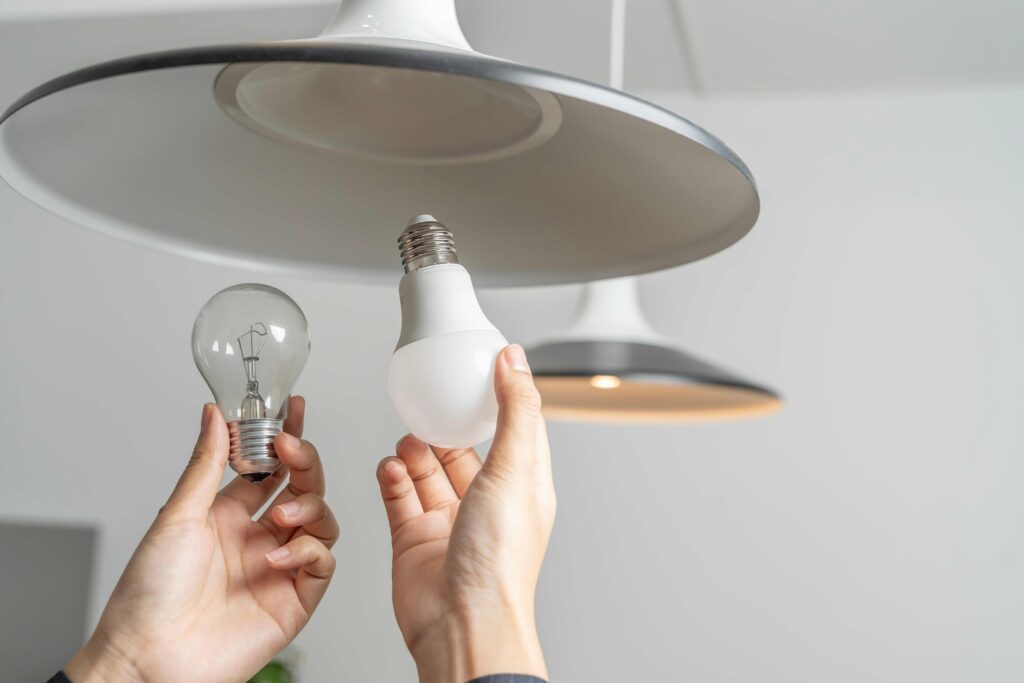
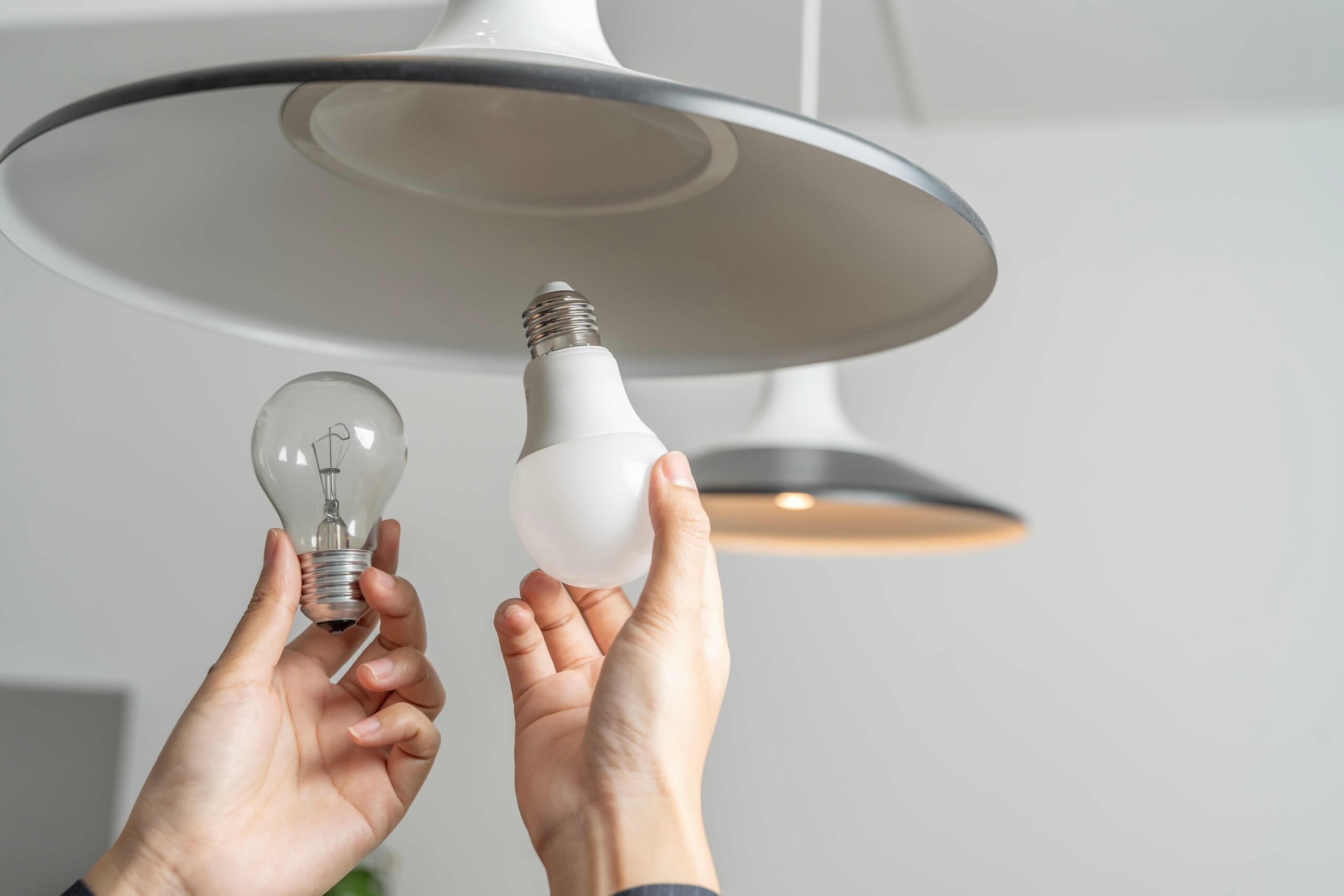
The mechanics behind an incandescent bulb are surprisingly elegant in their simplicity. Inside that glass shell sits a thin tungsten filament, suspended within a gas-filled or vacuum-sealed environment. When electrical current passes through the filament, the resistance of the tungsten causes it to heat up — dramatically. We are talking temperatures around 4,600 degrees Fahrenheit. At that temperature, the filament glows, and that glow is the light you see. The E26 designation simply refers to the Edison screw base, which measures 26 millimeters in diameter. This is the standard socket you will find in most ceiling fixtures, table lamps, floor lamps, and a wide range of other residential light fixtures throughout the home. The design has remained largely unchanged since Thomas Edison refined it in the late 1800s, which says something about how functional the original concept was.
Where Standard Base Incandescent Bulbs Are Commonly Used at Home
These bulbs show up practically everywhere inside a residential property. The E26 base has become the universal standard for most household fixtures, which means the same socket type is used across a surprisingly wide range of applications. Knowing where they tend to appear helps homeowners plan for replacements and understand what their home’s lighting system actually requires.
- Table and floor lamps throughout living areas and bedrooms
- Ceiling-mounted fixtures including flush-mount and semi-flush designs
- Pendant lighting in kitchens and dining rooms
- Bathroom vanity strips and wall sconces
- Outdoor porch and entryway fixtures
- Enclosed fixtures like globes and lantern-style housings
The Advantages of Incandescent Bulbs That Still Hold Up Today
Despite facing increasing competition from LED and CFL alternatives, incandescent bulbs retain several real advantages that keep them relevant in certain situations. For one, the quality of light they produce is hard to replicate. Incandescent bulbs emit a continuous spectrum of visible light with a Color Rendering Index of 100, meaning colors appear naturally and accurately under their glow. That warm tone — typically around 2700 Kelvin — is something many homeowners genuinely prefer for living spaces and bedrooms. Beyond light quality, incandescents are fully dimmable without any special equipment, they work instantly without warm-up time, and they function reliably in cold temperatures. They are also inexpensive to purchase upfront and compatible with virtually every dimmer switch and fixture without compatibility concerns. For enclosed fixtures that trap heat, incandescent bulbs can actually outperform some LED alternatives that are sensitive to high-heat environments.
The Key Drawbacks Every Homeowner Should Understand
Here is where things get more complicated. Incandescent bulbs are genuinely inefficient by modern standards. Roughly 90 percent of the energy they consume is released as heat rather than visible light. This inefficiency translates directly into higher electricity bills over time and a significantly shorter lifespan compared to alternatives. A standard incandescent bulb typically lasts between 750 and 1,000 hours, while an equivalent LED bulb can last 15,000 hours or more. Over the course of a year, the difference in operating costs across multiple fixtures in a home can be meaningful. There is also a regulatory dimension worth noting — the U.S. government has phased out the production of many standard incandescent bulb types in recent years due to efficiency standards, meaning supply has tightened. Homeowners relying heavily on incandescent bulbs may find themselves transitioning sooner than they anticipated.

Energy Costs and What Incandescent Bulbs Mean for Your Utility Bills
Numbers tend to make this clearer than generalizations. A standard 60-watt incandescent bulb running for three hours per day will consume roughly 65 kilowatt-hours of electricity annually. At the national average electricity rate, that amounts to somewhere around eight to ten dollars per bulb per year. Multiply that across twenty or thirty fixtures in a home and the total becomes significant. Switching even a portion of those fixtures to LED alternatives — which use about 8 to 10 watts to produce equivalent light — can reduce lighting-related electricity consumption by up to 75 percent. For homeowners focused on managing monthly utility expenses, the operational cost of incandescent lighting is one of the more straightforward areas where savings are achievable without major renovation work.
Incandescent Bulbs and Your Home’s Electrical System
One thing homeowners sometimes overlook is the relationship between their lighting choices and the broader electrical system. Incandescent bulbs draw more power than efficient alternatives, which means fixtures and circuits handling multiple incandescent bulbs are under comparatively higher load. In older homes with aging wiring, this is worth paying attention to. Fixtures rated for a maximum wattage — say, 60 watts per socket — exist for a reason, and exceeding that rating with higher-wattage incandescent bulbs can create heat buildup that poses a fire risk over time. Always match bulb wattage to fixture ratings. If you are upgrading fixtures or replacing wiring, a licensed electrician can assess whether your current setup is appropriate for the bulbs you are using and help you understand your options going forward.
Practical Tips for Homeowners Still Using Incandescent Bulbs
If incandescent bulbs are still in use throughout your home — whether by preference or because certain fixtures require them — there are some straightforward practices that help manage both cost and safety effectively.
- Always check the maximum wattage listed inside or on the fixture before installing a bulb
- Use dimmer switches to extend bulb life and reduce energy consumption when full brightness is not needed
- Avoid using incandescent bulbs in enclosed, airtight fixtures where heat cannot escape unless the fixture is rated for that use
- Keep spare bulbs on hand since lifespans are short and replacements are becoming less available at retail
- Consider a gradual transition to LED in high-use fixtures while retaining incandescent options in low-use or decorative applications
How Lighting Connects to Home Warranty Coverage
This is an area where homeowners sometimes have questions. In general, individual light bulbs are considered consumable items and are not covered under standard home warranty plans. However, the electrical systems that power your lighting — the wiring, the circuit breaker panel, the outlets and switches — are frequently included in comprehensive home warranty coverage. If a fixture stops working due to a wiring failure, or if an electrical component within a covered system malfunctions, that is precisely the kind of situation a home warranty is designed to address. Understanding the distinction between what is a consumable versus what is a system component helps homeowners set realistic expectations and make the most of their coverage when something goes wrong.
Why Armadillo Is the Right Home Warranty Partner for Protecting What Powers Your Home
Your home’s electrical system does a lot of quiet, invisible work — and when something in that system fails, the costs can catch you completely off guard. Whether it is a wiring issue affecting multiple fixtures or an electrical component giving out after years of reliable service, those repair bills have a way of arriving at the worst possible time. That is exactly where a home warranty from Armadillo home warranty coverage for electrical systems and appliances steps in to make a real difference. Armadillo offers plans designed to cover the systems that matter most in your home, written in plain language and backed by a straightforward claims process that does not feel like navigating a bureaucratic maze. If you have been thinking about adding a layer of financial protection to your home, now is a good time to get a free home warranty quote and explore electrical system coverage options built around what your home actually needs. Protecting your home should feel manageable — and with the right plan in place, it genuinely can be.

Frequently Asked Questions About Standard Base Incandescent Light Bulbs
What does E26 mean on a light bulb?
E26 refers to the Edison screw base with a diameter of 26 millimeters. It is the standard medium base used in most residential light fixtures in the United States and is compatible with the majority of household lamps and ceiling fixtures.
Are incandescent light bulbs still available for purchase?
Availability has decreased significantly due to federal energy efficiency regulations that have phased out many standard incandescent bulb types. Some specialty and rough service incandescent bulbs remain available, but general-purpose options are increasingly limited at most retailers.
How long does a standard incandescent bulb last?
A typical standard base incandescent bulb has a rated lifespan of approximately 750 to 1,000 hours. Under average usage of three hours per day, that translates to roughly eight to twelve months before replacement is needed.
Can I replace an incandescent bulb with an LED bulb in the same socket?
Yes, in most cases an LED bulb with an E26 base will fit directly into the same socket as a standard incandescent bulb. Always verify that the LED bulb is compatible with any dimmer switch in the circuit to avoid flickering or reduced functionality.
Why do incandescent bulbs get so hot?
Incandescent bulbs convert approximately 90 percent of the electricity they use into heat rather than light. This is an inherent characteristic of how the tungsten filament generates illumination through resistance heating, making them significantly less efficient than modern alternatives.
Is it safe to use a higher wattage incandescent bulb in a fixture rated for lower wattage?
No, this is not safe. Using a bulb that exceeds a fixture’s maximum wattage rating generates excess heat that can damage wiring, degrade the socket, and potentially create a fire hazard. Always match the bulb wattage to the fixture’s labeled maximum.
Do incandescent bulbs work with all dimmer switches?
Standard incandescent bulbs are compatible with most traditional dimmer switches without any special configuration. This is one of the areas where incandescent technology holds a practical advantage over some LED and CFL alternatives, which require dimmers specifically designed for their technology.
Are incandescent bulbs covered under a home warranty?
Light bulbs are generally considered consumable items and are not covered under standard home warranty plans. However, the underlying electrical systems, wiring, and components that power your lighting may be covered depending on your specific plan and provider.
What is the color temperature of a standard incandescent bulb?
Standard incandescent bulbs typically emit light at approximately 2700 Kelvin, which produces a warm, yellowish-white tone. This warm color temperature is widely preferred for living spaces, dining areas, and bedrooms where a comfortable, inviting ambiance is the goal.
Can incandescent bulbs be used in outdoor fixtures?
Yes, incandescent bulbs can be used in outdoor fixtures, provided the fixture is rated for outdoor use and adequately protects the bulb from direct exposure to moisture. In very cold climates, incandescent bulbs actually perform reliably since they are not affected by low temperatures the way some other bulb types can be.