What Is a Standby Generator and Why Do Homeowners Need One?
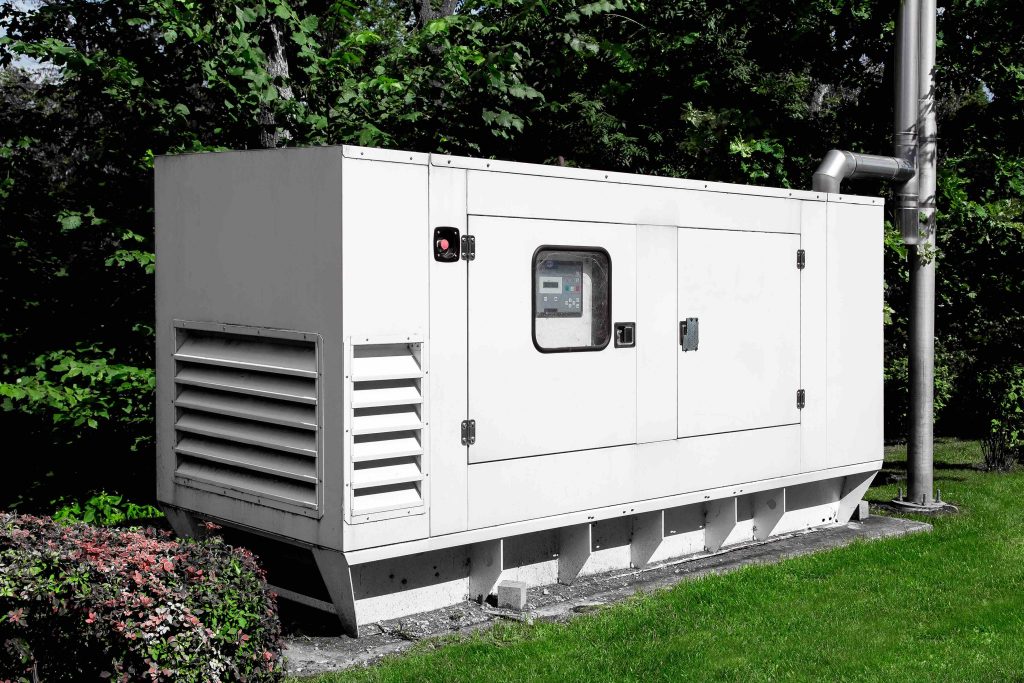
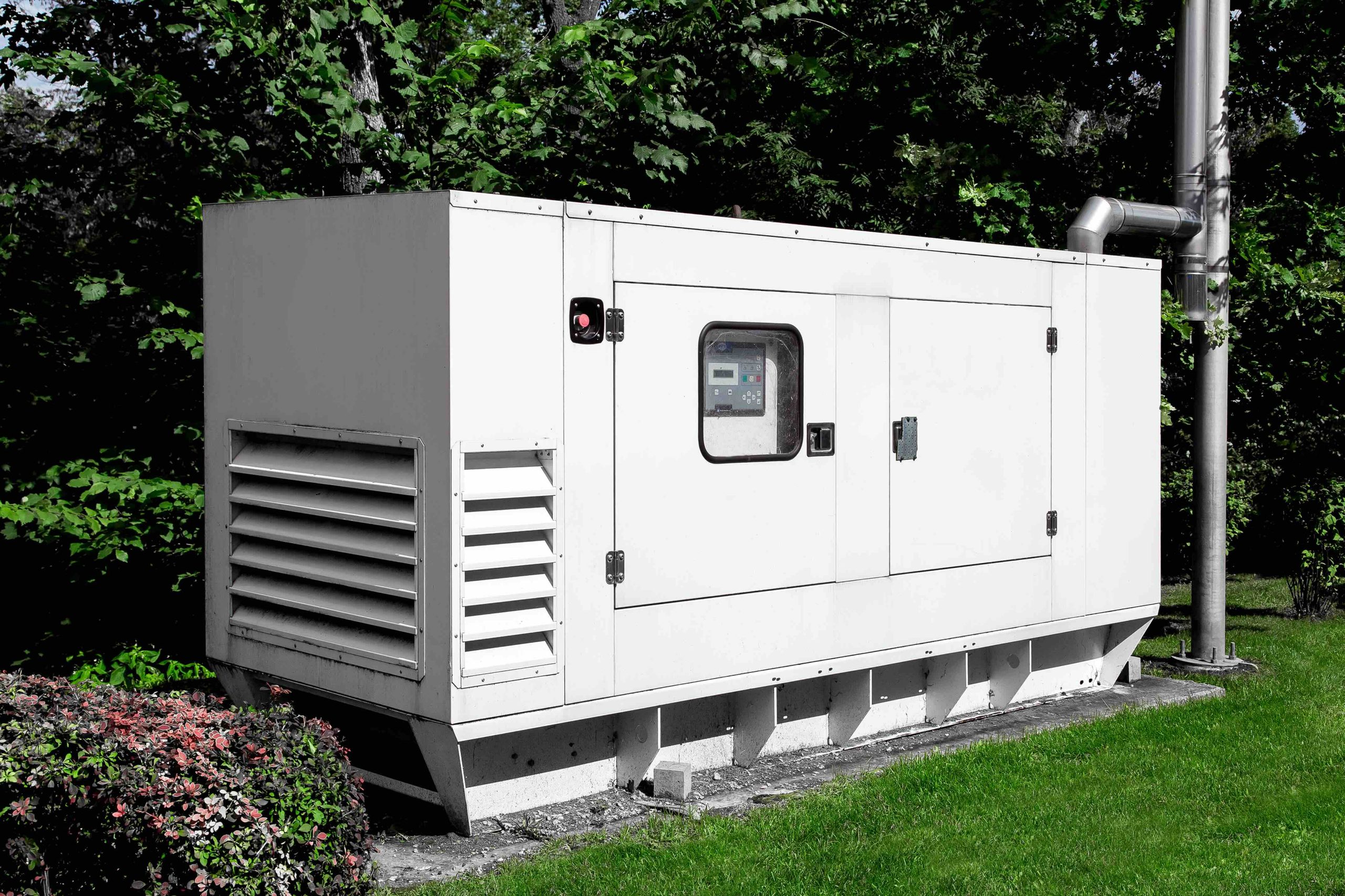
A standby generator is a permanently installed power system that automatically activates when your home loses electricity. Unlike portable generators that require manual setup, fuel hauling, and extension cords, a standby unit sits outside your home, connected directly to your electrical panel and powered by natural gas or propane. The moment your utility power cuts out, the generator detects the outage and kicks on, usually within seconds. For homeowners who have experienced extended outages, that automatic response is not a luxury. It is peace of mind with a transfer switch attached.
How a Standby Generator Actually Works
The system relies on three core components working together: the generator unit itself, an automatic transfer switch, and a fuel source. The transfer switch monitors incoming utility power constantly. When it detects a disruption, it disconnects your home from the grid, which is a critical safety step, and then signals the generator to start. Once the generator reaches stable output, the transfer switch reroutes power back into your home’s electrical panel. The whole process typically takes between 10 and 30 seconds. When utility power is restored, the process reverses, the generator cools down, and your home transitions back to grid power without you lifting a finger.
Standby vs. Portable Generators: Understanding the Difference
This is a comparison worth taking seriously before spending a dollar. Portable generators are less expensive upfront, often running between $500 and $2,000, but they come with real limitations. They require manual startup, must be kept outdoors to avoid carbon monoxide risks, and typically cannot power an entire home. Standby generators cost significantly more, ranging from $3,000 to $15,000 or higher depending on capacity and installation complexity, but they operate automatically, run on a permanent fuel line, and can power everything from the HVAC system to the refrigerator to medical equipment. For homeowners with consistent outage risk or health-sensitive household members, the investment calculus often shifts quickly toward standby.

Key Advantages of Installing a Standby Generator
The benefits extend further than just keeping the lights on during a storm. Homeowners who invest in standby power tend to discover advantages they did not anticipate when they first started researching the option.
- Automatic operation means no action required during an outage, even if you are away from home or asleep
- Whole-home coverage allows all essential systems, including heating, cooling, and refrigeration, to remain functional
- Natural gas or propane fuel supply eliminates the need to store and manage gasoline
- Home value increases because standby generators are viewed as a desirable upgrade by many buyers
- Protection for home systems like sump pumps, which prevent basement flooding during storms
- Consistent power helps protect sensitive electronics and appliances from voltage irregularities during transitions
Common Drawbacks and Considerations Before You Buy
No home improvement decision is entirely without trade-offs, and standby generators are no exception. The upfront cost is the most obvious hurdle. Installation requires a licensed electrician, often a gas line professional, and may need a permit from your local municipality. The unit itself takes up permanent outdoor space and must be placed according to local codes, typically a minimum distance from windows, doors, and gas meters. Noise is another factor. Standby generators are quieter than portable models, but they are not silent, and neighbors in close-proximity housing may have opinions. Maintenance is also required on a regular schedule, including oil changes, filter replacements, and periodic load testing, which adds to the long-term cost of ownership.
Sizing Your Generator: Getting the Numbers Right
Generator capacity is measured in kilowatts, and choosing the wrong size is one of the most common mistakes homeowners make. An undersized unit will fail to power everything you need, while an oversized one means paying for capacity you will never use. A general-purpose estimate for a modest home lands around 10 to 16 kilowatts for essential circuits, but homes with electric HVAC systems, electric ranges, or hot tubs may need 20 kilowatts or more. The best approach is to have a licensed electrician or generator specialist conduct a load calculation based on your actual home systems. That analysis accounts for starting loads, which can be significantly higher than running loads, particularly for air conditioning compressors and well pumps.
Installation: What to Expect From Start to Finish
The installation process is more involved than most homeowners initially expect, and understanding the steps ahead of time makes the experience much smoother. Here is a general overview of what the process typically involves:
- Site assessment to determine placement that satisfies local codes and manufacturer requirements
- Permit applications, which vary by municipality but are almost universally required
- Installation of a concrete or composite pad for the generator to rest on
- Gas line extension or propane tank installation coordinated with a licensed plumber or gas technician
- Automatic transfer switch installation and connection to the home’s main electrical panel
- Final inspection and load testing to confirm the system operates correctly
Maintenance Requirements Every Homeowner Should Know
A standby generator is a mechanical system, and like every mechanical system in your home, it requires attention to perform reliably when it matters most. Most manufacturers recommend an oil and filter change every 100 to 200 hours of operation, or at least once annually, whichever comes first. Air filters should be inspected and replaced on a similar schedule. Many modern standby generators include a self-test feature that runs the unit for a short period each week to keep components lubricated and the battery charged. Beyond routine maintenance, it is smart to schedule a professional inspection annually before storm season to catch any wear or developing issues early. Skipping maintenance is the fastest way to have a generator that fails exactly when you need it.
How Home Warranties Fit Into Your Standby Generator Picture
Here is something that does not always make it into the standby generator conversation, but probably should. Once your generator is installed and operational, it becomes a home system, one that is subject to wear, mechanical failure, and eventual breakdown just like your HVAC or water heater. That is where a home warranty enters the picture in a meaningful way. If your generator experiences a covered mechanical failure, a home warranty plan can offset the cost of diagnosis and repair rather than leaving you with an unexpected bill. Armadillo home warranty plans built for whole-home protection are designed with homeowners in mind who want real coverage without the confusing fine print. If you have invested in a standby generator and want to make sure your broader home systems are protected, now is the right time to get a free home warranty quote for generator and home system coverage and see what a plan actually covers for your home.

Standby Generator FAQs
Homeowners considering a standby generator tend to have a consistent set of questions. Here are the most common ones answered directly.
How long does it take for a standby generator to turn on during an outage?
Most standby generators activate within 10 to 30 seconds of detecting a power outage through the automatic transfer switch. The brief delay occurs while the engine starts and reaches stable output before power is rerouted to your home.
Can a standby generator power my entire home?
It depends on the generator’s kilowatt capacity and your home’s total power demand. A properly sized unit can power an entire home, but sizing must be determined through a professional load calculation to ensure the generator meets your specific needs.
What fuel does a standby generator use?
Most residential standby generators run on natural gas supplied through your existing utility line or on liquid propane stored in an on-site tank. Natural gas is the more common choice for homeowners already connected to a gas utility.
How much does it cost to install a standby generator?
Total installation costs typically range from $5,000 to $15,000 or more, depending on generator size, site conditions, permit requirements, and whether a new gas line or propane tank is needed. Getting multiple quotes from licensed contractors is strongly recommended.
Do standby generators require regular maintenance?
Yes. Routine maintenance includes oil and filter changes, air filter inspections, battery checks, and annual professional servicing. Most units also run automated weekly self-tests to keep the engine and components in operational condition.
Will a standby generator increase my home’s resale value?
Research and real estate professionals generally indicate that a professionally installed standby generator adds measurable value to a home, particularly in regions prone to severe weather or frequent power outages. The exact value added varies by market and buyer demand.
Is a permit required to install a standby generator?
In most municipalities, yes. A permit is required for the electrical work, and sometimes separately for gas line modifications. Your contractor should handle the permit process, but confirming this responsibility upfront is a wise step before work begins.
Can I install a standby generator myself?
Installation involves licensed electrical and gas work that should not be attempted without proper credentials. DIY installation can void manufacturer warranties, result in failed inspections, and create serious safety hazards including fire and carbon monoxide risk.
How often does a standby generator need to be replaced?
With proper maintenance, a standby generator can last 20 to 30 years. Factors that affect lifespan include usage frequency, quality of regular maintenance, and the operating environment. Units used heavily during extended outages may experience faster wear.
Does a home warranty cover standby generators?
Coverage varies by provider and plan. Some home warranty companies offer coverage for standby generators under specific plan tiers or as an optional add-on. Reviewing the terms of any warranty plan carefully before purchasing is essential to confirm what is and is not included.