What a Roof Inspection Really Tells You Before You Buy a Home
There is a moment during every home purchase when the excitement of finding the right place quietly collides with the reality of what that place actually needs. The roof inspection is often where that collision happens. It sits near the top of the home inspection checklist, literally and figuratively, and yet many buyers walk away from that report without fully understanding what they just read. That is worth fixing. A roof inspection is not just a formality. It is a window into the long-term health of the home, and understanding it can save you thousands of dollars and a significant amount of stress down the road.
What Is a Roof Inspection and Why Does It Matter
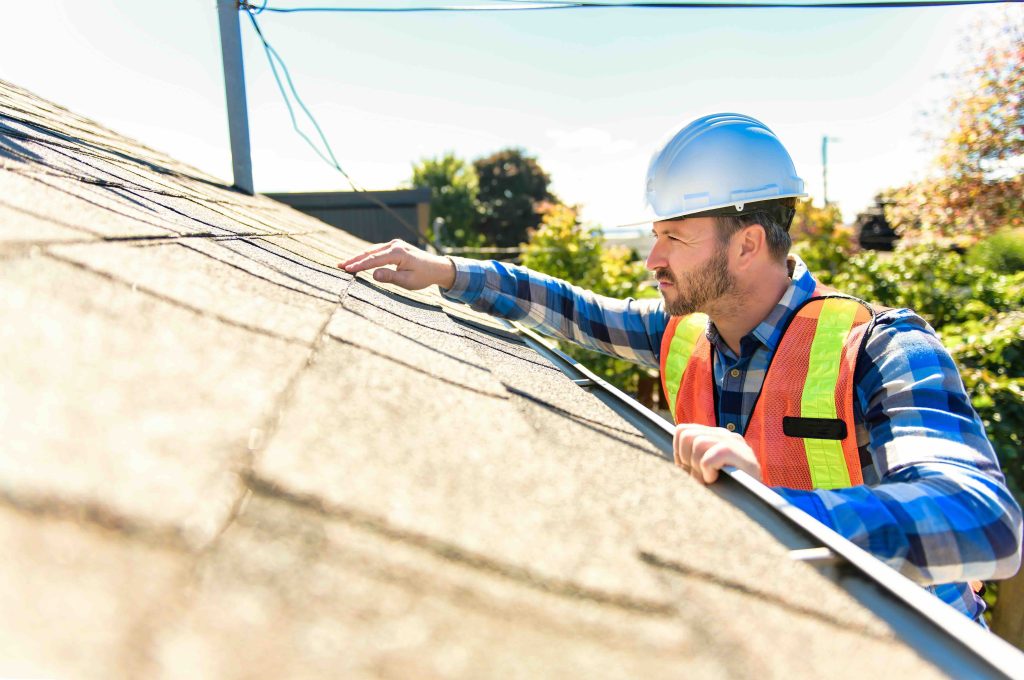
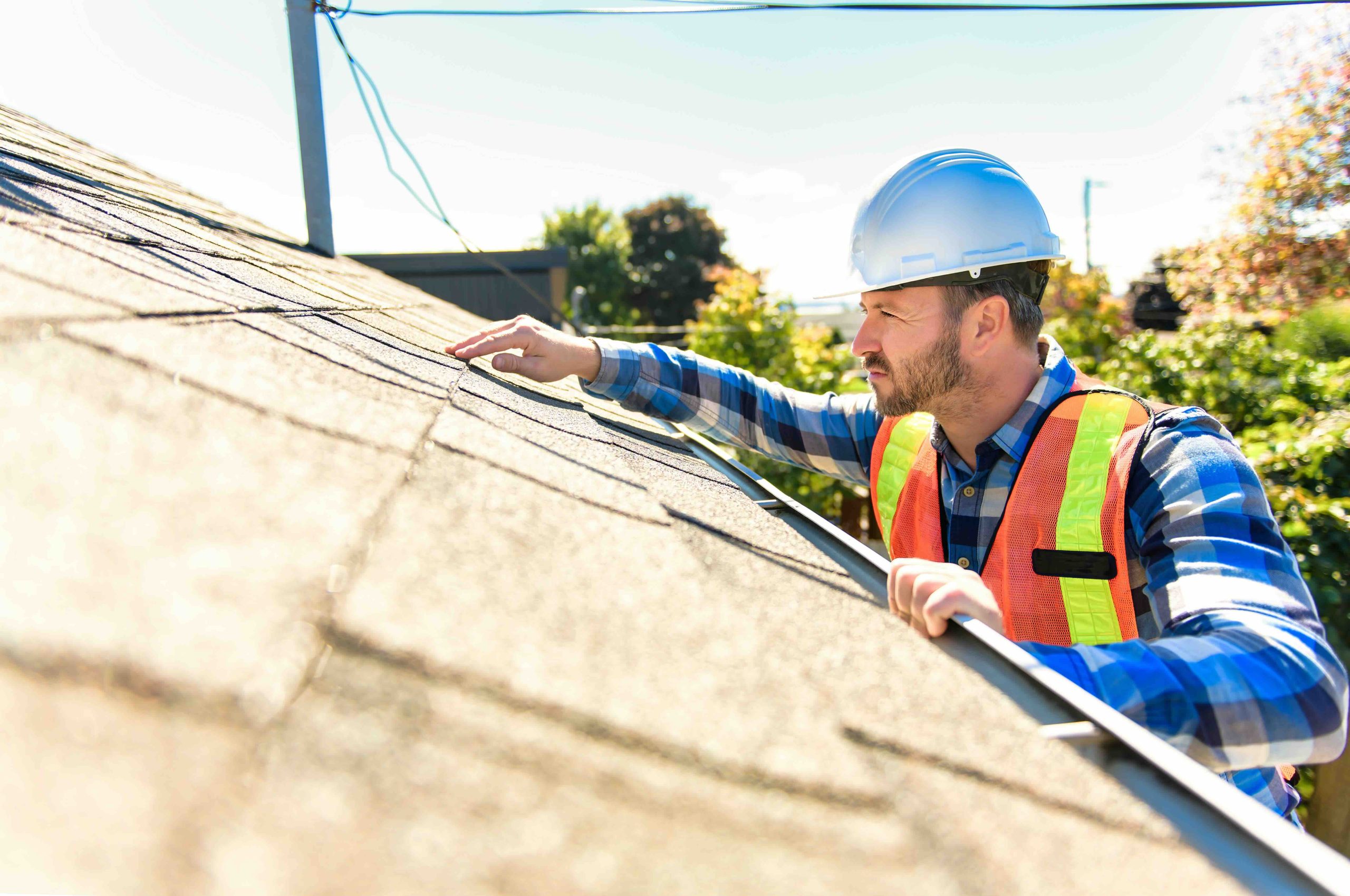
A roof inspection is a structured evaluation of a home’s roofing system conducted by a licensed inspector or roofing professional. During a standard home purchase, this evaluation typically happens as part of the general home inspection, though buyers can also request a dedicated roofing specialist for a more granular assessment. The inspector examines the visible components of the roof from the exterior and, when accessible, from the attic interior as well. What they are looking for is evidence of current damage, deferred maintenance, improper installation, and signs that the roof may be approaching the end of its useful life. It matters because the roof is not just one component. It is the first line of defense for everything inside the home, and when it fails, it tends to fail in ways that affect ceilings, walls, insulation, electrical systems, and structural framing.
The Key Components Inspectors Evaluate
Knowing what gets examined during a roof inspection helps you interpret the findings with more confidence. Inspectors typically assess several interconnected parts of the roofing system rather than just looking at shingles alone.
- Shingles or roofing material: Inspectors look for cracking, curling, missing sections, granule loss, and signs of age or storm damage
- Flashing: The metal strips around chimneys, vents, skylights, and roof edges are examined for rust, gaps, or improper sealing
- Gutters and drainage: Blockages, sagging, improper slope, and detachment are noted because drainage directly affects roof longevity
- Soffit and fascia: These structural trim elements are checked for rot, pest damage, and ventilation issues
- Attic ventilation and insulation: Inadequate airflow in the attic accelerates shingle deterioration and can lead to moisture buildup
- Decking and structural integrity: If visible from the attic, the underlying wood decking is assessed for soft spots, rot, and sagging
How to Read a Roof Inspection Report
Inspection reports are not always written in plain language, and that gap between technical terminology and buyer comprehension is where costly misunderstandings begin. When you receive the report, pay close attention to any language around remaining useful life. Inspectors often estimate this in years based on the roofing material type, installation quality, and current condition. A report that describes a roof as having three to five years of remaining life on a home you plan to own for the next decade is a negotiating point, not just a footnote. Also watch for the distinction between deferred maintenance items and immediate safety or weather-tightness concerns. Not everything flagged in a report requires emergency action, but some items absolutely do.

Common Roof Problems Found During Pre-Purchase Inspections
Certain issues come up repeatedly in roof inspection reports for homes being sold. Granule loss on asphalt shingles is one of the most common findings and signals that the shingles are aging and losing their protective coating. Improper flashing installations around chimneys and skylights are another frequent culprit, often leading to slow leaks that cause interior water damage before the homeowner realizes anything is wrong. Ventilation deficiencies are frequently overlooked by buyers but are flagged by experienced inspectors because they accelerate roof aging from the inside out. Ice dam damage in colder climates, hail impact patterns, and previous patch repairs that do not match the surrounding material are all indicators of a roof with a complicated history that deserves closer attention.
The Advantages of Getting a Dedicated Roof Inspection
A general home inspector covers a wide range of systems in a limited amount of time, which means the roof evaluation during a standard inspection is necessarily abbreviated. Hiring a dedicated roofing contractor or certified roof inspector separately gives you a much deeper level of detail. They will assess the roof from a contractor’s perspective, which means they are evaluating not just condition but also what a repair or replacement would actually involve. This kind of report gives you leverage during negotiations, a clearer picture of what you are taking on as a new owner, and documentation that may be relevant to insurance applications or home warranty enrollment. The cost of a dedicated roof inspection is modest compared to what it can reveal.
What Roof Inspections Do Not Cover
It is worth being clear about the limitations here. A roof inspection, whether standard or dedicated, is a visual assessment. Inspectors do not remove shingles, cut into decking, or perform invasive testing. This means that some underlying issues, particularly early-stage rot in concealed decking areas or small penetration leaks that have not yet caused visible interior damage, can go undetected. Additionally, a roof inspection is a snapshot in time. It reflects the condition of the roof on the day it was examined. Weather events, temperature fluctuations, and deferred maintenance after the inspection date can all shift the picture. This is precisely why understanding what a home warranty can and cannot cover for roofing components is a worthwhile next step after the inspection report is in hand.
How Roof Age and Material Type Affect Your Coverage Options
Both home insurance carriers and home warranty providers pay close attention to the age and material composition of a roof when evaluating a home. Asphalt shingles, the most common residential roofing material in the United States, typically carry a lifespan of twenty to thirty years depending on quality and climate. Metal roofing systems can last considerably longer. Tile and slate roofs have their own unique longevity profiles but come with higher replacement costs. When a roof is older, say fifteen or more years, some warranty providers will limit or exclude roofing-related coverage, and insurers may require inspection documentation before issuing a policy. Understanding where your roof falls on this spectrum before you close is not just helpful planning. It is genuinely important financial information.
Practical Tips for Buyers Navigating a Roof Inspection
There are several things buyers consistently wish they had done differently when it comes to the roof inspection process. Attending the inspection in person rather than just reading the report afterward is one of the most valuable things you can do. Asking the inspector to walk you through what they found, point by point, adds context that a written report alone cannot provide. If the report raises questions, get a contractor’s estimate for any recommended repairs before the inspection contingency period expires. Keep copies of all inspection reports and any seller-provided documentation about past repairs. And when you take ownership, establish a regular roof maintenance schedule. Simple things like keeping gutters clear, trimming overhanging branches, and having a professional inspection every two to three years extend roof life considerably.
Why Armadillo Belongs in Your Post-Inspection Plan
Once the roof inspection is complete and you have a clear picture of what you are working with, the next smart move is thinking about how to protect the broader home systems that depend on a functioning roof above them. A failing roof can cascade into HVAC issues, electrical damage, water heater problems, and appliance failures. That is exactly the kind of unexpected, interconnected home repair cost that a home warranty is designed to address. Armadillo’s home warranty coverage for major home systems and appliances gives homeowners a straightforward, honest layer of financial protection for what happens after the roof does its job and the systems inside the home take over. Whether you are a first-time buyer processing your very first inspection report or a seasoned homeowner adding a new property to your portfolio, getting coverage in place before something breaks is always the better timeline. You can get a personalized home warranty quote built around your home’s specific needs in just a few minutes. No pressure. Just a clearer picture of what protection looks like for your specific situation.

Frequently Asked Questions About Roof Inspections for Home Buyers
These are the questions buyers ask most often when they are working through a roof inspection report and deciding what to do next.
How long does a roof inspection take during a home purchase?
A standard roof evaluation as part of a general home inspection typically takes between fifteen and thirty minutes. A dedicated roof inspection performed by a roofing specialist can take one to two hours depending on the size, pitch, and complexity of the roof.
Should I request a separate roof inspection in addition to the general home inspection?
Yes, particularly if the general inspector notes any concerns or if the roof is ten or more years old. A roofing specialist provides a more detailed assessment and can offer repair or replacement cost estimates that a general inspector typically cannot.
What happens if the roof fails inspection during a home purchase?
A failed or problematic roof inspection does not automatically end the transaction. Buyers can negotiate with sellers to repair specific issues before closing, request a price reduction to account for the cost of future repairs, or in some cases ask for a credit at closing.
Can a seller hide roof damage from an inspector?
A skilled inspector is trained to identify evidence of past repairs, water intrusion, and concealed damage. While no visual inspection is entirely foolproof, experienced inspectors are often able to detect signs of deception or undisclosed prior damage through attic examination and exterior observation patterns.
Does a home warranty cover roof repairs?
Home warranty coverage for roofs varies significantly by provider and plan. Some plans include limited roof leak repair coverage while others exclude roofing entirely. Reviewing the specific terms of any warranty before purchasing is essential to understanding what protection you actually have.
How much does a dedicated roof inspection cost?
A standalone roof inspection from a licensed roofing contractor typically costs between one hundred fifty and four hundred dollars depending on the region, roof size, and inspector credentials. This cost is generally separate from the general home inspection fee.
What is the average remaining lifespan inspectors look for before flagging a roof?
Inspectors and insurance underwriters typically become more cautious when a roof has fewer than five years of estimated useful life remaining. Roofs within this range may trigger requirements for replacement before coverage is issued or renewed.
Does roof age affect my ability to get homeowners insurance?
Yes. Many insurance carriers will not issue a new policy on a home with a roof that is twenty years old or older without a current inspection report. Some carriers limit coverage on older roofs to actual cash value rather than full replacement cost, which can significantly affect a claim payout.
What roofing materials last the longest?
Metal roofing systems, clay tile, concrete tile, and slate are among the longest-lasting materials with lifespans ranging from forty to one hundred years under proper conditions. Asphalt shingles, though the most common and affordable, typically last between twenty and thirty years.
What should I do with the roof inspection report after closing?
Keep it in a permanent home file alongside your closing documents and any repair receipts. This documentation becomes valuable when filing insurance claims, applying for home warranty coverage, or preparing to sell the home in the future.