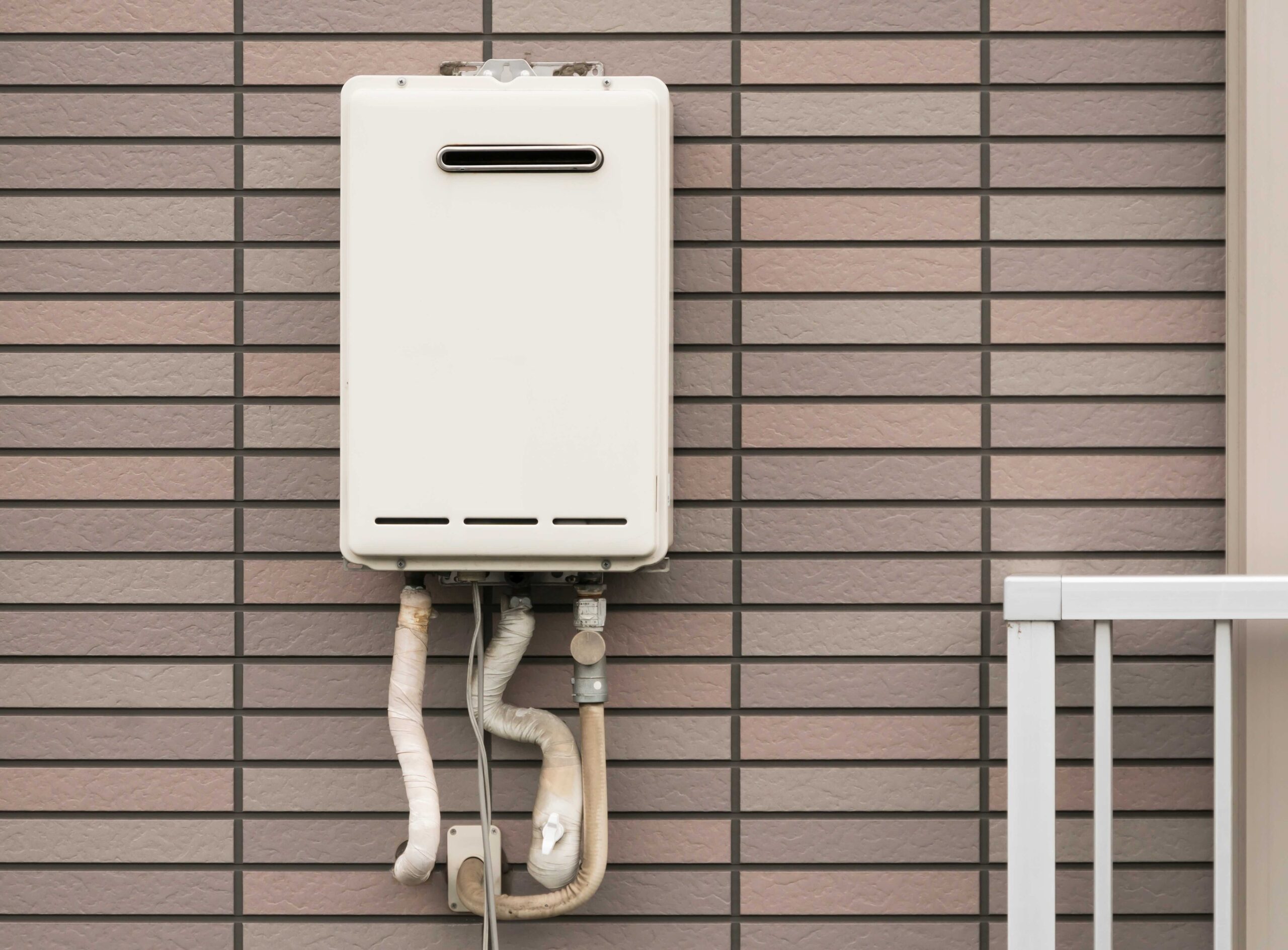
What Is a Tankless Water Heater and Is It Right for Your Home?
There is a good chance your water heater is one of those appliances you never think about until something goes wrong. It sits in a corner, a closet, or a utility room doing its job quietly until one morning there is no hot water and suddenly it becomes the most important thing in your house. Tankless water heaters have become a popular topic among homeowners looking to upgrade their systems, and for good reason. They promise efficiency, longevity, and a continuous supply of hot water. But like most things in homeownership, the full picture is a little more nuanced than the marketing makes it sound. Here is what you actually need to know.
How a Tankless Water Heater Actually Works
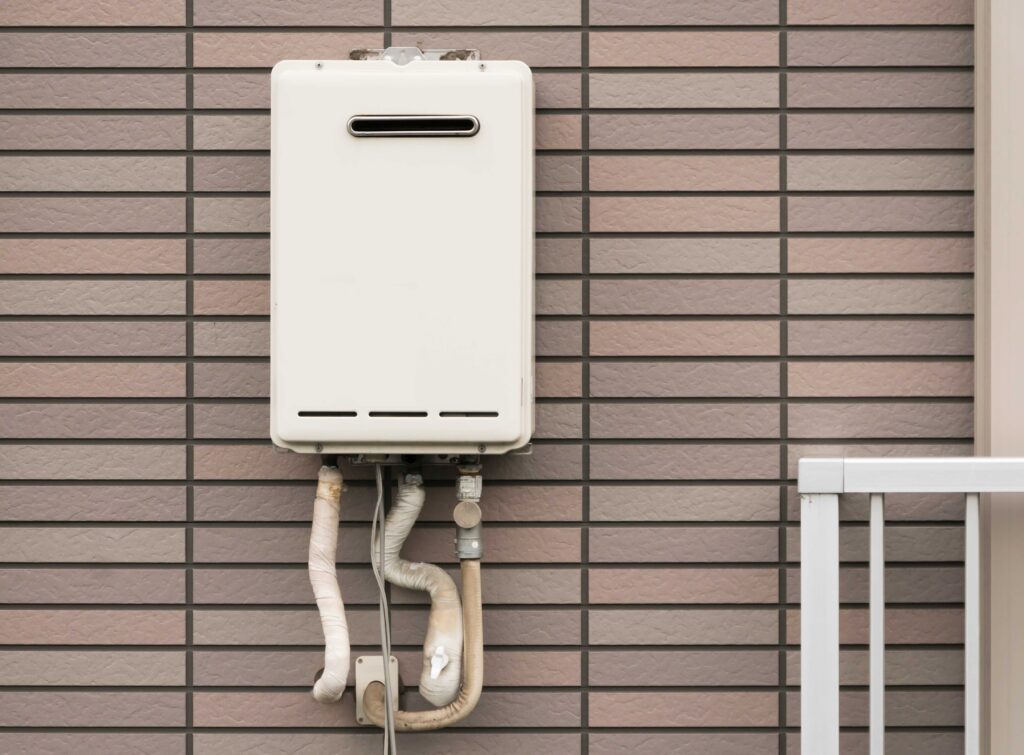
Traditional storage water heaters keep a large tank of water heated around the clock, typically between 40 and 80 gallons, so hot water is ready whenever you need it. A tankless system takes a completely different approach. When you turn on a hot water tap, cold water travels through the unit and is heated instantly using either a gas burner or an electric heating element. The water is never stored. It is heated on demand, which is why you will also hear these systems referred to as on-demand water heaters or instantaneous water heaters. The heating happens fast, and in most cases, hot water reaches your tap within a few seconds depending on how far the unit is from the fixture.
The Key Advantages of Going Tankless
The benefits of a tankless water heater are real and worth understanding. This is not a case of homeowner hype. There are legitimate reasons why these systems have gained significant traction over the past decade.
- Energy efficiency: Because the unit only heats water when needed, there is no standby heat loss. The U.S. Department of Energy estimates that tankless units can be 24 to 34 percent more energy efficient than traditional storage heaters in homes that use a moderate amount of hot water.
- Endless hot water supply: As long as demand does not exceed the unit’s flow rate capacity, you will not run out of hot water mid-shower.
- Longer lifespan: Tankless water heaters typically last 20 or more years, compared to the 10 to 15 year average for tank-based systems.
- Space savings: The units are compact and wall-mounted, freeing up significant floor space in utility rooms or closets.
- Reduced risk of tank failure: Without a large tank of water sitting in your home, the risk of catastrophic leaks or flooding from a failing tank is eliminated.
Common Drawbacks You Should Know Before Buying
No appliance is perfect, and tankless water heaters come with a few trade-offs that are worth weighing honestly. The upfront cost is the most immediate concern. A quality tankless unit, including professional installation, can run anywhere from $1,000 to over $3,000 depending on the type of unit, the fuel source, and whether your home requires any retrofitting. Gas models often require upgraded venting and gas lines, which adds to the cost. Electric models can demand significant electrical upgrades if your panel is not up to the task. There is also something called a cold water sandwich effect, where a brief burst of cold water can occur between uses when residual hot water has passed through the pipes but the unit has not yet fully activated. It is a minor inconvenience but worth knowing about. Lastly, if multiple high-demand fixtures run simultaneously, some undersized units can struggle to keep up with the combined flow rate.

Gas vs. Electric Tankless Water Heaters
Choosing between a gas and electric tankless water heater depends heavily on your home’s existing infrastructure and your household’s hot water demands. Gas-powered units generally have higher flow rates, making them a better fit for larger households with multiple bathrooms and high simultaneous hot water usage. They do require proper venting to the exterior of your home, and if your current setup does not accommodate that, installation costs can climb. Electric tankless units are typically less expensive to purchase and simpler to install, but they may not be well-suited for colder climates where incoming water temperatures are lower and the unit has to work harder to reach the desired output temperature. Checking the groundwater temperature in your region before purchasing is a step many homeowners skip and later regret.
Sizing a Tankless Water Heater for Your Household
Getting the sizing right is one of the most important parts of the entire process. A unit that is too small will leave you frustrated. The two main factors to evaluate are flow rate, measured in gallons per minute, and temperature rise, which is the difference between the incoming cold water temperature and your desired output temperature. To estimate your home’s peak demand, think about how many fixtures could realistically be running at the same time. A shower typically uses about 1.5 to 2 gallons per minute. A dishwasher adds another 1.5. Add those up and match them to a unit with a flow rate that can handle the combined total. A licensed plumber or HVAC professional can help you run these calculations accurately before you commit to a purchase.
Installation and Maintenance Considerations
Tankless water heaters are not typically a DIY installation, particularly gas-powered models. Improper installation can void warranties, violate local building codes, and create serious safety hazards. Most manufacturers also require professional installation for warranty coverage to remain valid. On the maintenance side, these units do require periodic descaling, especially in areas with hard water. Mineral deposits can accumulate inside the heat exchanger and reduce efficiency or cause the unit to fail prematurely. Annual flushing with a descaling solution is a reasonable maintenance practice. Some units also have filters that should be checked and cleaned periodically. Following the manufacturer’s maintenance schedule is the simplest way to protect the investment.
When Is the Right Time to Switch to Tankless?
If your current tank-style water heater is approaching the end of its useful life, that is a natural inflection point to evaluate a tankless upgrade. Waiting for a total failure limits your options and puts you in reactive mode rather than making a considered choice. Other good indicators include consistently high energy bills, running out of hot water frequently, or simply planning a broader home renovation that includes utility infrastructure. Homes that have had recent electrical or gas upgrades are often already in a good position for tankless installation. If your home is older and has not seen many updates, a thorough assessment by a qualified professional before committing to the project is time well spent.
What a Home Warranty Covers When It Comes to Water Heaters
This is where things get practical. Whether you have a tankless system or a traditional tank, your water heater is one of the most likely home systems to eventually need repair or replacement. A home warranty plan can provide meaningful financial protection when that day arrives. Most home warranty plans cover the internal components of water heaters, including thermostats, heating elements, and burners. Coverage specifics vary by provider and plan, so reading the fine print about what is and is not included matters. Tankless water heaters are increasingly covered by home warranty plans, though the coverage terms may differ from what applies to traditional storage systems. Knowing what your plan covers before something breaks is a much better position to be in than learning about exclusions during a service call.
Why Armadillo Is Worth Considering When You Upgrade Your Water Heater
Making the move to a tankless water heater is a smart decision for a lot of households, but it also means you have a more sophisticated system that can benefit from ongoing protection. Repair costs for tankless units are not trivial, and component failures do happen even in well-maintained systems. That is where having a dependable home warranty plan becomes genuinely valuable. Armadillo offers straightforward, transparent home warranty coverage designed for homeowners who want real protection without the runaround. If you are exploring what quality coverage looks like for modern home systems, Armadillo home warranty plans for water heaters and major home systems are worth reviewing carefully. And if you are ready to see what a plan would actually cost based on your home’s location and needs, you can get a personalized tankless water heater home warranty quote from Armadillo in just a few minutes. Investing in the right appliance and protecting it properly is a complete approach to smarter homeownership.

Frequently Asked Questions About Tankless Water Heaters
Answers to the questions homeowners ask most often about tankless water heater systems, costs, and coverage.
How long does a tankless water heater last compared to a traditional tank?
Tankless water heaters typically have a lifespan of 20 years or more with proper maintenance, while traditional tank-style water heaters average between 10 and 15 years before needing replacement.
Can a tankless water heater run out of hot water?
A tankless unit does not store water, so it cannot run out in the traditional sense. However, if simultaneous demand from multiple fixtures exceeds the unit’s maximum flow rate, the output temperature may drop. Proper sizing prevents this issue.
Is a tankless water heater worth the higher upfront cost?
For most homeowners, yes. The energy savings over time, combined with a longer lifespan, generally offset the higher installation cost compared to traditional tank models, particularly for households with moderate to high hot water usage.
Do tankless water heaters require special maintenance?
Yes. Annual descaling to remove mineral buildup is recommended, especially in areas with hard water. Some models also have inlet filters that need periodic cleaning. Following the manufacturer’s maintenance schedule is important for long-term performance.
Can I install a tankless water heater myself?
It is strongly discouraged. Gas models in particular require licensed professionals for safe installation. Improper installation can void warranties, fail inspections, and create safety risks including gas leaks or improper venting.
Are tankless water heaters covered by home warranty plans?
Many home warranty providers cover tankless water heaters, though coverage terms vary. Some plans cover internal components like heating elements and thermostats. Always review the specific coverage details before assuming your system is included.
What is the cold water sandwich effect in a tankless system?
This refers to a brief pulse of cold water that can occur between back-to-back uses of hot water. It happens when residual hot water clears the pipes but the unit has not yet fully activated. It is a minor and common characteristic of on-demand systems.
How do I know what size tankless water heater I need?
Sizing is based on your peak flow rate demand in gallons per minute and the temperature rise required in your region. A licensed plumber or HVAC professional can calculate this accurately based on your household’s usage patterns and local water conditions.
Does a tankless water heater reduce energy bills?
In most cases, yes. Because the unit only activates when hot water is needed, it eliminates standby heat loss that occurs continuously with traditional tank systems. Energy savings typically range from 24 to 34 percent for homes with moderate usage levels.
What fuel type is better for a tankless water heater, gas or electric?
Gas models generally offer higher flow rates and are better suited for larger households or cold climates. Electric models are simpler to install and less expensive upfront but may require electrical panel upgrades. The best choice depends on your home’s existing infrastructure and your regional water and climate conditions.