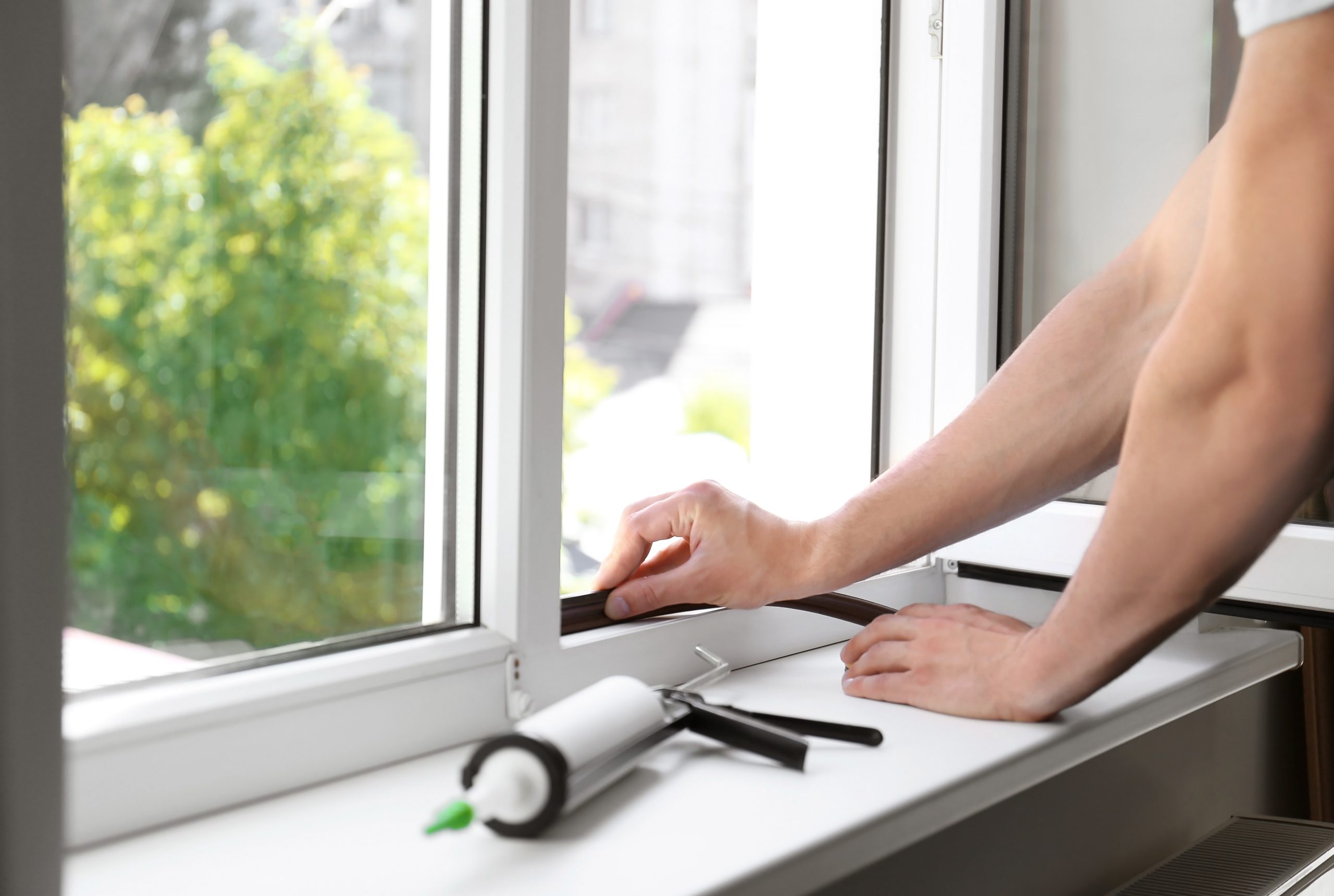
What Is Tape for Window Seal and Why Does It Matter in Your Home?
Most homeowners think about window seals only after something goes wrong, usually when they notice a draft sneaking through on a cold night or see condensation forming between panes. Tape for window seal is one of those practical, low-profile solutions that does not get nearly enough credit. It is a specialized adhesive tape designed to seal gaps, cracks, and joints around window frames, sashes, and glazing, helping to block air and moisture infiltration at the source. Whether you are dealing with aging windows, a drafty rental property, or just trying to reduce your monthly energy bill, understanding how this product works and when to use it can make a real difference in your home’s comfort and long-term condition.
How Window Seal Tape Works
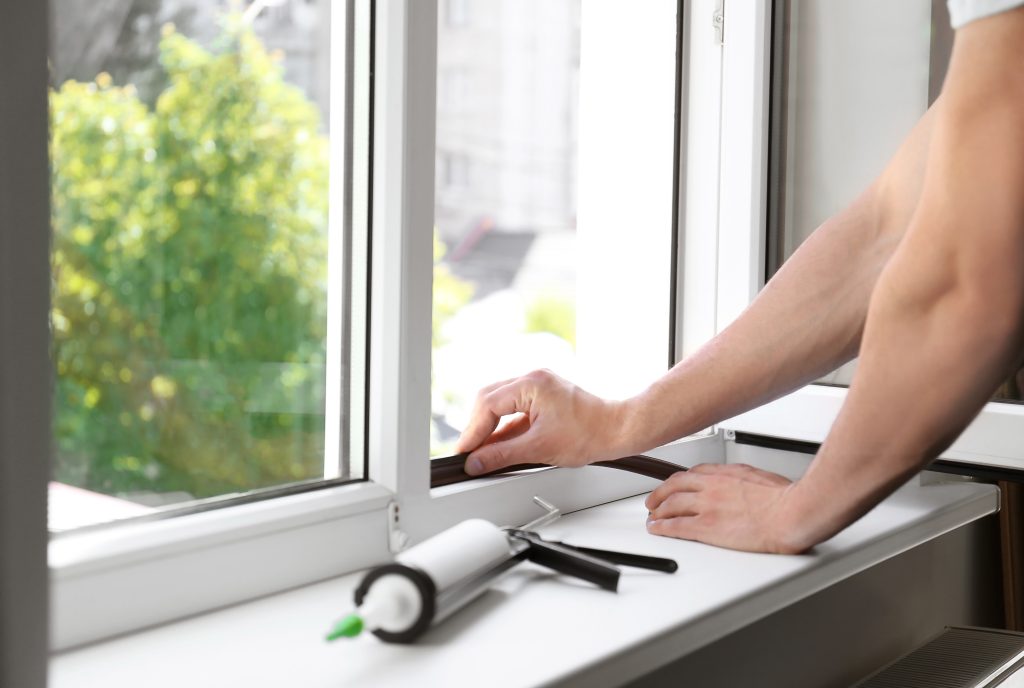
Window seal tape functions as a barrier between your window assembly and the surrounding environment. It adheres to surfaces like glass, vinyl, aluminum, wood, and fiberglass frames, creating a flexible, weather-resistant bond that prevents air and water from passing through. Most versions are made from materials like butyl rubber, foam, silicone, or EPDM (ethylene propylene diene monomer), each suited to slightly different applications. Foam tape, for instance, compresses into gaps to create an airtight fit, while butyl tape is more often used at glazing joints where a watertight bond is critical. The installation process itself is straightforward: clean the surface, apply the tape along the seal line, and press firmly to activate the adhesive. No special tools required in most cases.
The Different Types of Window Seal Tape Available
Not all window seal tape is the same, and choosing the right type matters more than people realize. The market offers several distinct categories, each suited to specific conditions and window types.
- Foam weatherstripping tape: Best for sealing gaps around operable windows and doors, compresses easily and provides good thermal insulation
- Butyl rubber tape: Commonly used in glazing applications, excellent for waterproofing and long-term adhesion
- Silicone tape: Handles extreme temperature ranges well, resists UV degradation, and works on both interior and exterior surfaces
- Double-sided tape: Useful when sealing plastic window film kits for seasonal insulation
- EPDM tape: Durable and flexible, often found in commercial applications but increasingly common in residential use
Selecting the right type depends on where you are applying it, whether the window is operable, and what climate conditions you are dealing with. A humid coastal environment calls for different material properties than a high-altitude region with intense UV exposure.
Key Advantages of Using Tape for Window Seal
There is a reason this product is consistently recommended by energy auditors and home performance specialists. The benefits are measurable, not just theoretical. Sealing windows properly with the right tape reduces air leakage, which is one of the leading contributors to energy loss in residential buildings. According to the U.S. Department of Energy, drafts from windows and doors can account for 25 to 30 percent of a home’s heating and cooling energy use. That is not a number to dismiss. Beyond energy savings, window seal tape also helps prevent moisture intrusion, which left unchecked can lead to mold growth, wood rot, and compromised insulation within your wall cavities. For homeowners, this is about more than comfort. It is about protecting the structure of the home itself.
Common Drawbacks and Limitations to Know
Window seal tape is a useful tool, but it is not without its limitations. Understanding these upfront will help you make a smarter decision about when it is the right solution and when you may need a more comprehensive repair.
- Temporary fix for structural issues: Tape cannot compensate for windows that have shifted out of alignment or frames that are warped or rotting
- Adhesive degradation over time: Exposure to UV rays, moisture, and temperature extremes can cause the adhesive to break down, requiring periodic reapplication
- Surface compatibility: Some tapes do not adhere well to painted or dusty surfaces without thorough preparation
- Aesthetic concerns: Visible tape on interior or exterior windows may not align with every homeowner’s preferences
- Not a substitute for professional glazing repair: If your window seal has failed between panes, tape on the exterior is not addressing the root problem
When Window Seal Tape Is the Right Call
There are clear situations where reaching for window seal tape makes practical sense. Seasonal insulation projects, minor weatherproofing before winter, resealing a single-pane window in a garage or utility space, or addressing a drafty older window while you save toward a full replacement are all legitimate use cases. It is also a smart stopgap measure when a window develops a minor seal failure and you need to prevent moisture intrusion while waiting for a repair appointment. For renters or homeowners managing tight budgets, it offers a cost-effective way to improve comfort without committing to major renovation expenses. The key is knowing what you are solving and setting realistic expectations about how long the solution will hold.

Practical Tips for Applying Window Seal Tape Correctly
Application technique matters. Even the best tape will underperform if it is applied to a dirty, wet, or uneven surface. Start by cleaning the window frame and surrounding area thoroughly with isopropyl alcohol to remove dust, grease, and old adhesive residue. Allow the surface to dry completely before applying tape. When cutting tape to length, use a sharp utility knife or scissors for clean edges that will seal without gaps. Press the tape firmly and evenly along the entire application length, using a roller or the flat of your thumb to activate the adhesive bond. For exterior applications, check the manufacturer’s temperature guidelines, since some adhesives require a minimum surface temperature to bond effectively. If you are applying tape in cold weather, warming the surface slightly with a heat gun on a low setting can improve adhesion considerably.
How Window Seal Tape Connects to Broader Home Maintenance
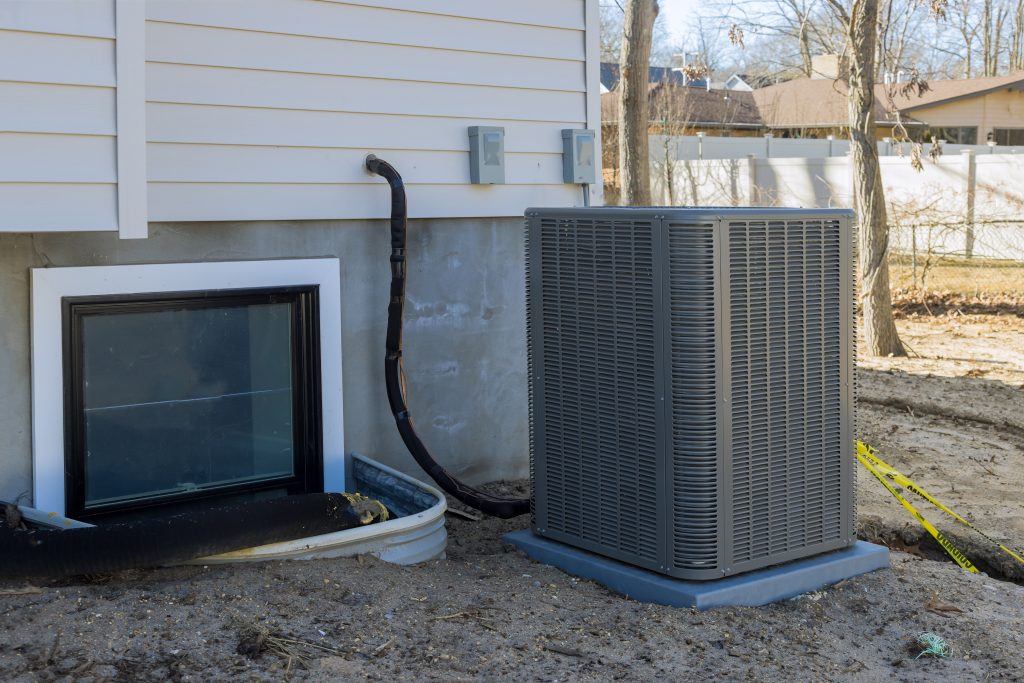
Window sealing is not an isolated task. It sits within a larger ecosystem of home maintenance that includes insulation, roofing, HVAC efficiency, and moisture management. A well-sealed window supports your HVAC system by reducing the load it has to carry to maintain interior temperature. That means less wear on your heating and cooling equipment, which translates to fewer breakdowns and a longer system lifespan. Thinking about your home as an interconnected system, rather than a collection of independent components, leads to smarter maintenance decisions. When one area is compromised, it rarely stays isolated. Addressing window sealing proactively is one of those small-effort, high-impact maintenance habits that experienced homeowners consistently prioritize.
Signs Your Window Seals Need Attention Right Now
You do not always need to wait for an obvious draft to know your window seals are failing. Some signs are subtle but worth acting on quickly. Condensation forming between double-pane glass is a clear indicator that the insulated seal has broken down. Visible daylight around a closed window frame, even a thin line, signals air leakage that is costing you money around the clock. Peeling or cracked caulk at the window perimeter is another warning sign. If you notice any of these conditions, starting with a thorough inspection of all window frames, interior and exterior, is a smart first step before deciding whether tape, caulk, or a professional repair is the appropriate response.
Why Armadillo Belongs in Your Home Protection Plan
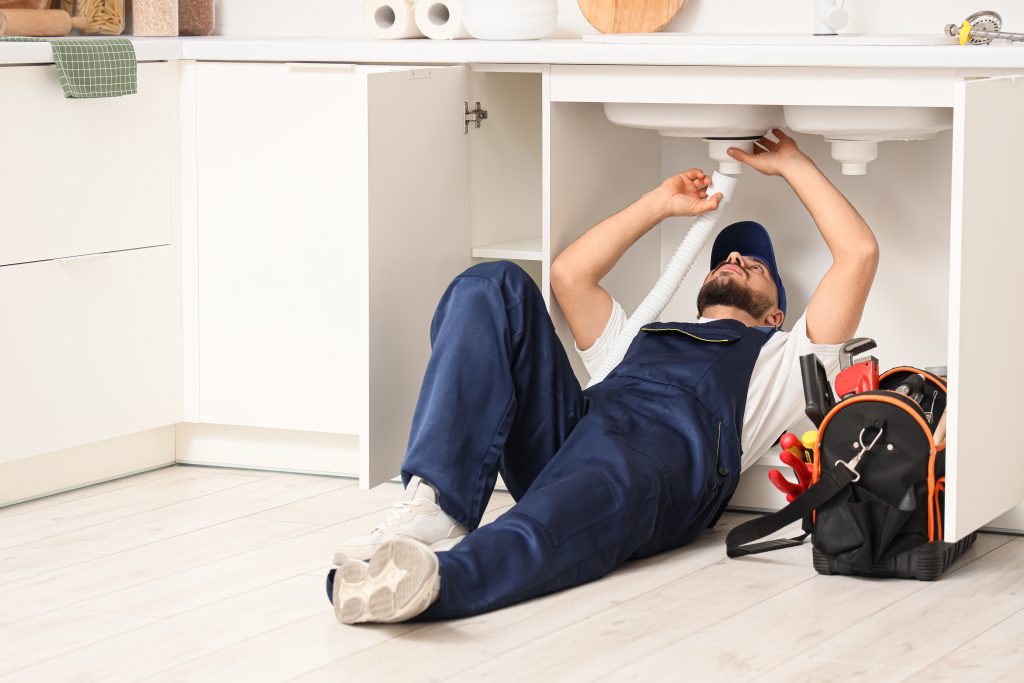
Window maintenance is one piece of a much larger picture. Homes are complex, and even when you stay on top of sealing, weatherproofing, and seasonal upkeep, major systems and appliances can still fail unexpectedly. That is exactly where a home warranty adds genuine value. Armadillo home warranty coverage for essential home systems and appliances is built for homeowners who want real protection without the frustration of confusing fine print. When your HVAC system stops working in peak summer, or your water heater fails without warning, having a plan in place means you are not absorbing the full cost alone. If you are ready to take a broader look at protecting your home from unexpected repair expenses, get a free home warranty quote tailored to your home’s specific systems and see what coverage looks like for your situation. Armadillo keeps things straightforward, responsive, and genuinely useful, because that is what homeowners actually need.

Frequently Asked Questions About Tape for Window Seal
What is the best type of tape to use for sealing windows?
Butyl rubber tape is widely considered the most reliable option for waterproofing and long-term adhesion at glazing joints. For draft control around operable windows, foam weatherstripping tape is generally the most practical and widely available choice.
Can window seal tape replace professional window repair?
No. Tape is effective for minor gaps, drafts, and temporary weatherproofing, but it cannot fix structural window problems, failed insulated glass units, or frames that have warped or rotted. Those situations require professional assessment and repair.
How long does window seal tape typically last?
Lifespan varies by material and exposure. Interior applications can last several years without issue. Exterior tape exposed to UV light, moisture, and temperature swings may need to be replaced annually or every two years, depending on the product quality and climate.
Does window seal tape work in cold weather?
Some adhesives are less effective when applied at low temperatures. Check the manufacturer’s specifications for minimum application temperature. Warming the surface slightly before application can help improve initial adhesion in cold conditions.
Is window seal tape effective at reducing energy bills?
Yes, when applied correctly to seal genuine air leaks, window seal tape can contribute to measurable reductions in heating and cooling costs by limiting uncontrolled air exchange between interior and exterior spaces.
Can I apply window seal tape on the outside of my home?
Yes, but the tape must be rated for exterior use. Look for products that specify UV resistance, moisture resistance, and exterior-grade adhesive. Standard interior foam tape will deteriorate quickly when exposed to outdoor conditions.
How do I know if my window seal tape is failing?
Visible peeling, lifting edges, discoloration, or the return of drafts and condensation after previous sealing work are all signs that the tape has lost its adhesion and needs to be replaced.
What surfaces does window seal tape adhere to?
Most window seal tapes are designed to bond to vinyl, aluminum, wood, fiberglass, and glass surfaces. Surface preparation is critical. Dirty, painted, or previously caulked surfaces may require additional cleaning or priming for the tape to adhere properly.
Is window seal tape the same as weatherstripping?
They serve similar purposes but are not identical. Weatherstripping typically refers to strips of material installed along door and window edges to create a seal when closed. Window seal tape is adhesive-backed and applied directly to surfaces as a bonded seal, rather than a compression-based one.
Should window seal tape be part of a regular home maintenance routine?
Yes. Inspecting and refreshing window seals annually, ideally in early fall before heating season, is a simple maintenance task that supports energy efficiency, moisture control, and the overall condition of your windows and surrounding wall assembly.