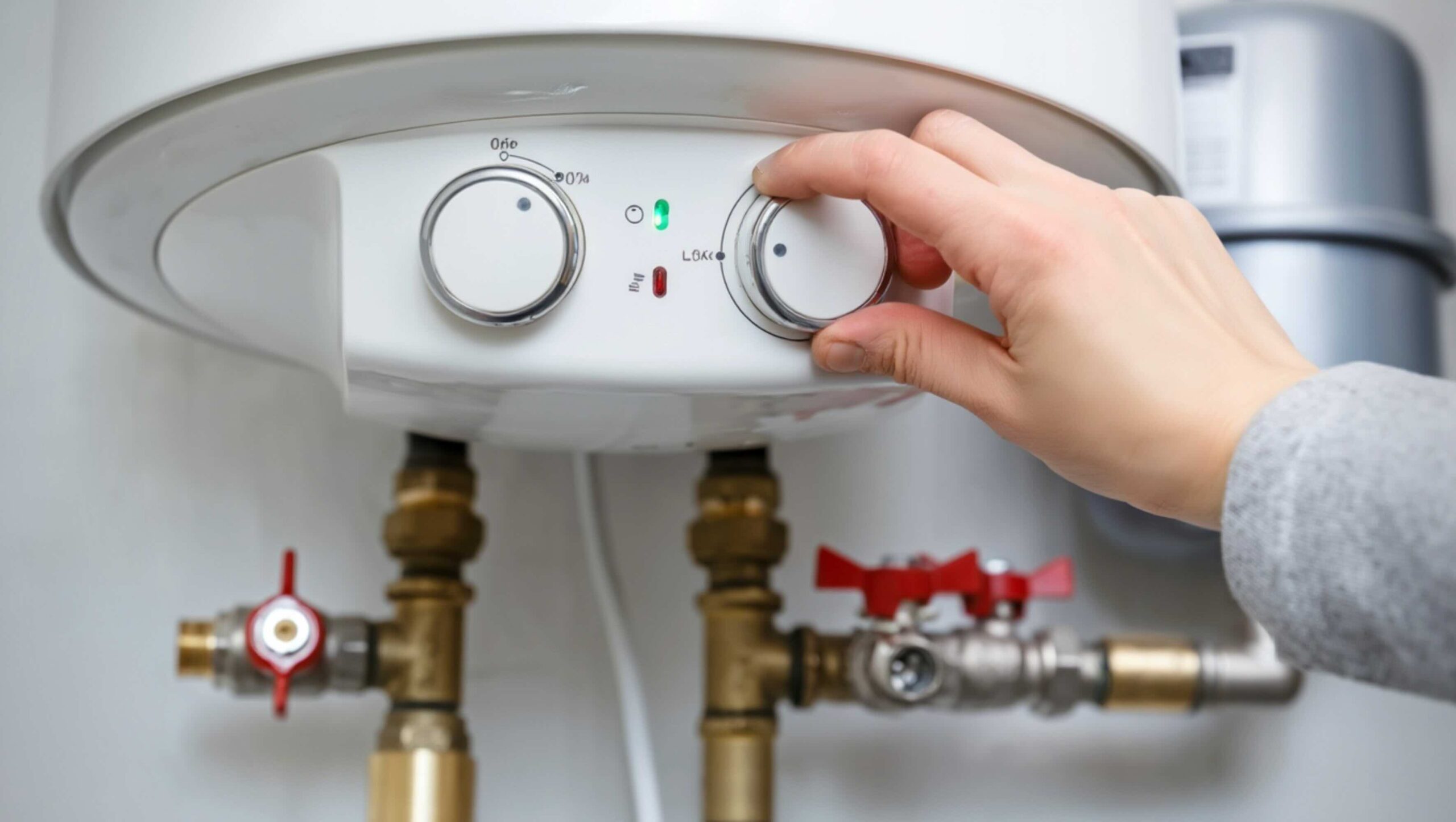
Why Is Your Hot Water Heater Acting Up? Start Here
There are few household inconveniences quite as jarring as stepping into the shower and getting hit with a cold surprise. If your hot water heater is not performing the way it should, you are not alone — and more importantly, you do not have to guess your way through fixing it. Troubleshooting a hot water heater is one of those tasks that sounds intimidating until you understand how the system actually works. Once you do, a lot of common problems start to make sense. This guide walks you through everything a homeowner needs to know: what your water heater does, how to identify issues, and when to call in a professional.
How a Hot Water Heater Actually Works
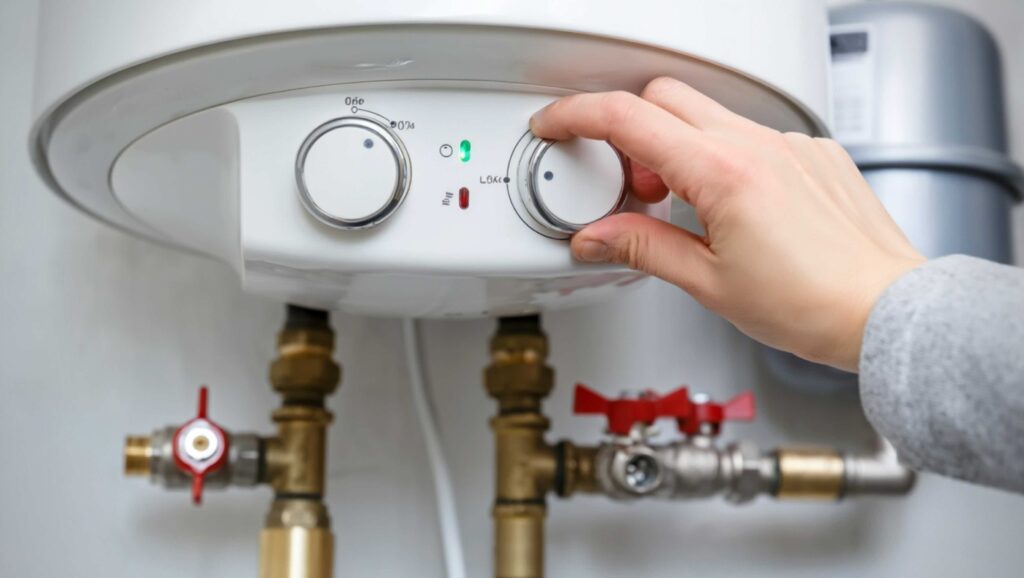
Understanding the basics makes troubleshooting a whole lot easier. A traditional tank-style water heater stores a set volume of water — typically between 30 and 80 gallons — and heats it continuously using either a gas burner or electric heating elements. When you turn on a hot water tap, heated water is drawn from the top of the tank and cold water enters from the bottom to replace it. A thermostat regulates the temperature, usually set somewhere between 120 and 140 degrees Fahrenheit. Tankless or on-demand water heaters work differently — they heat water directly as it flows through the unit rather than storing it — but many of the diagnostic principles still apply. Knowing which type you have is the first step before any troubleshooting begins.
The Most Common Hot Water Heater Problems Homeowners Face
Most water heater complaints fall into a recognizable set of categories. You might be dealing with no hot water at all, not enough hot water, water that is too hot, strange noises coming from the tank, discolored or foul-smelling water, or visible leaks around the unit. Each of these symptoms points in a specific diagnostic direction. No hot water often means a failed heating element on electric units or a pilot light issue on gas models. Insufficient hot water could mean your tank is undersized for your household, or that sediment buildup has reduced its efficiency. Rumbling or popping sounds are a classic sign of sediment accumulating at the bottom of the tank — a surprisingly common and surprisingly fixable issue if caught early enough.

Step-by-Step: How to Troubleshoot a Hot Water Heater
Before you call a technician, there are several checks you can perform yourself. Working through these systematically can save you time and money, and sometimes resolves the problem entirely without outside help.
- Check the power source: For electric heaters, inspect your circuit breaker panel for a tripped breaker. Reset it if needed. For gas heaters, confirm the pilot light is lit and the gas supply valve is open.
- Inspect the thermostat settings: Someone may have accidentally adjusted the temperature. Set it back to the manufacturer-recommended range, typically 120 degrees Fahrenheit.
- Flush the tank for sediment: Attach a garden hose to the drain valve, turn off the cold water supply, and let the tank drain until the water runs clear. This can dramatically improve efficiency.
- Test the pressure relief valve: Carefully lift the lever on the T&P valve briefly to confirm it is functioning. If it does not release water or if it leaks continuously afterward, replacement is necessary.
- Inspect the anode rod: This sacrificial rod prevents tank corrosion. If it is heavily depleted, it can cause odor issues and reduce the lifespan of the tank. Replacement is affordable and straightforward.
What Rusty or Discolored Water Is Telling You
If hot water from your taps looks reddish, brownish, or murky, pay attention — this is not something to ignore. Discolored hot water typically points to one of two culprits: a corroding anode rod or corrosion inside the tank itself. If the anode rod is the issue, replacing it is a manageable repair. If the tank lining has deteriorated, however, that is a signal that the unit may be nearing the end of its useful life. Metallic or sulfur-like odors — often described as a rotten egg smell — are usually tied to a failing anode rod reacting with sulfate-reducing bacteria in the water. Replacing the rod with a magnesium or zinc alloy version often eliminates this problem entirely.
When a Leaking Water Heater Is a Real Emergency
Not all leaks are created equal. A small amount of condensation around the base of the unit during cold weather can be perfectly normal. But water pooling beneath the tank, moisture around the pressure relief valve, or dripping from the inlet and outlet connections are situations that require prompt attention. A leak at the T&P valve may indicate dangerous pressure buildup inside the tank — that one warrants an immediate call to a licensed plumber. Leaks from the tank body itself usually signal internal corrosion and mean the unit needs full replacement. Do not delay on this. A failing tank can release significant amounts of water quickly and cause substantial property damage.
Gas vs. Electric Water Heaters: Troubleshooting Differences
The troubleshooting process differs depending on your fuel type, so it helps to know the distinctions. Gas water heaters have a pilot light, a thermocouple, and a gas control valve — any of which can fail and result in no heat. If your pilot light keeps going out, the thermocouple is the likely suspect; it is a small sensor that shuts off gas flow if the pilot is not detected. Replacing a thermocouple is a common and relatively inexpensive repair. Electric water heaters rely on one or two heating elements and a separate thermostat for each. When only the top portion of the tank heats or only the bottom stays warm, it often isolates which element has failed. Testing elements with a multimeter is an option for handy homeowners, though some prefer to leave this to a licensed electrician.
How Long Should a Hot Water Heater Last?
Tank-style water heaters typically last between 8 and 12 years with standard maintenance. Tankless models can last significantly longer — up to 20 years in some cases — but they come with a higher upfront cost and different maintenance requirements. Annual flushing, periodic anode rod inspection, and keeping the area around the unit clear of debris all contribute to a longer service life. If your unit is approaching or past the 10-year mark and requiring increasingly frequent repairs, replacement is likely the more economical path compared to continued patching. Age, maintenance history, and water quality all factor into how long any given unit performs reliably.
Why a Home Warranty Makes Water Heater Repairs Less Stressful
When a water heater fails unexpectedly, the last thing you want is to scramble for a contractor while also figuring out how to pay for it. That is exactly where a home warranty that covers major appliances and water heater repairs becomes genuinely valuable. Armadillo offers coverage designed for real homeowners dealing with real breakdowns — not just the easy, low-cost claims. Water heaters are among the most common covered repairs in the home warranty space, and having a plan in place before something goes wrong means you make one call instead of five. If you are ready to protect your home’s systems before the next cold shower catches you off guard, you can get a free home warranty quote for water heater coverage today and see exactly what a plan looks like for your home.

Frequently Asked Questions About Troubleshooting a Hot Water Heater
These are the questions homeowners ask most often when dealing with a water heater that is not performing correctly. The answers below are designed to be clear, practical, and actionable.
Why is my hot water heater not producing hot water?
On electric units, the most common cause is a failed heating element or a tripped circuit breaker. On gas units, a blown pilot light or faulty thermocouple is typically responsible. Check the power source and thermostat settings before calling a technician.
How do I know if my water heater needs to be replaced or just repaired?
If the unit is more than 10 years old and experiencing multiple issues, replacement is usually more cost-effective than repair. A single failed component on a newer unit, however, is generally worth repairing.
What causes a water heater to make rumbling or popping sounds?
Sediment buildup at the bottom of the tank is the primary cause. As water is heated, it percolates through the sediment layer, producing those sounds. Flushing the tank annually helps prevent this accumulation.
Is it safe to use a water heater that is leaking?
It depends on the source. Minor condensation is not dangerous. However, leaks from the tank body or the pressure relief valve can indicate serious problems and should be addressed immediately by a licensed plumber.
What temperature should I set my water heater to?
The U.S. Department of Energy recommends 120 degrees Fahrenheit for most households. This balances energy efficiency with safety, reducing the risk of scalding while still meeting daily hot water needs.
How often should I flush my water heater?
Once a year is the general recommendation. Flushing removes sediment that reduces efficiency and can shorten the life of the tank. Homes with hard water may benefit from flushing more frequently.
What is the anode rod, and why does it matter?
The anode rod is a metal rod inside the tank designed to attract corrosive elements in the water, protecting the tank lining from rust. It should be inspected every two to three years and replaced when significantly depleted.
Can a home warranty cover water heater repair or replacement?
Yes. Many home warranty plans cover water heater repairs and replacements when the failure is due to normal wear and tear. Coverage terms vary by provider, so reviewing your plan details before a problem occurs is important.
Why does my hot water run out faster than it used to?
This usually points to sediment buildup reducing the effective capacity of the tank, a failing heating element, or a thermostat that is no longer reading temperature accurately. Flushing the tank is a good first step.
How do I relight the pilot light on a gas water heater?
Turn the gas control knob to the pilot position, press and hold the reset button, and use a long lighter or igniter to light the pilot. Hold the button for 30 to 60 seconds after lighting to allow the thermocouple to heat up. If the pilot will not stay lit, the thermocouple likely needs replacement.