Why Is Your Upright Freezer Not Cooling? A Homeowner’s Guide to Diagnosis, Repair, and Protection
When an upright freezer stops cooling, the consequences are both inconvenient and expensive. Beyond the frustration of spoiled food, there’s the deeper uncertainty—what went wrong, is it repairable, and will it happen again? Upright freezers are workhorse appliances, but even the most reliable systems have their limits. Understanding how they operate, what causes them to fail, and the options you have as a homeowner can mean the difference between panic and responsiveness. Whether you’re troubleshooting an unexpected failure or exploring appliance protection options like a home warranty, this guide delivers a full breakdown of what homeowners need to know about upright freezer cooling issues.
Understanding the Upright Freezer: How It Works and Why It Matters
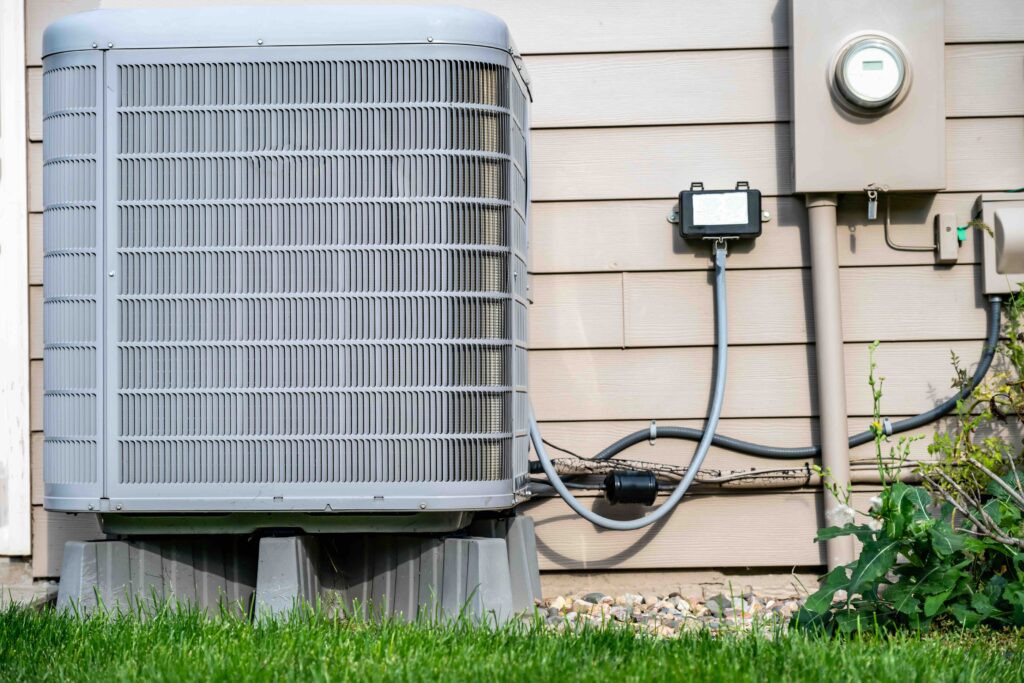
An upright freezer functions much like a standard refrigerator, but its design is solely dedicated to keeping frozen items at temperatures well below freezing. The appliance operates using a refrigeration cycle built on a few essential components: a compressor, condenser coils, evaporator coils, and a refrigerant fluid that moves through the system absorbing and releasing heat. Cold air is distributed through internal fans and managed by a thermostat, ensuring a consistent environment for frozen foods. These systems require precise balance. Any variation in airflow, temperature control, or fluid pressure can affect cooling performance—and eventually halt it altogether.
Common Causes of Cooling Failure in Upright Freezers
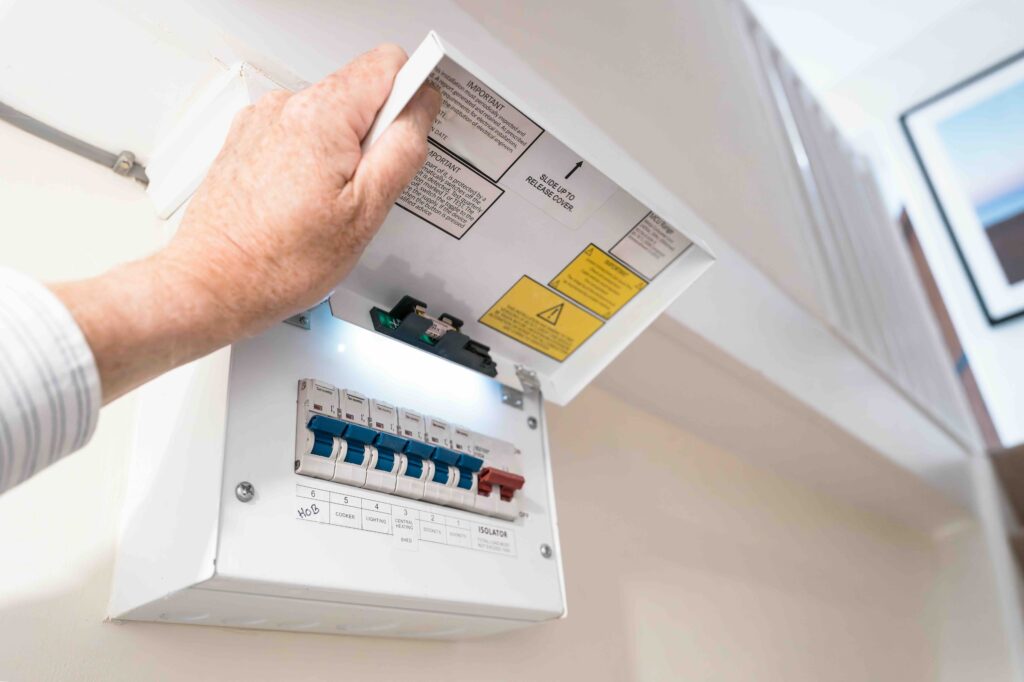
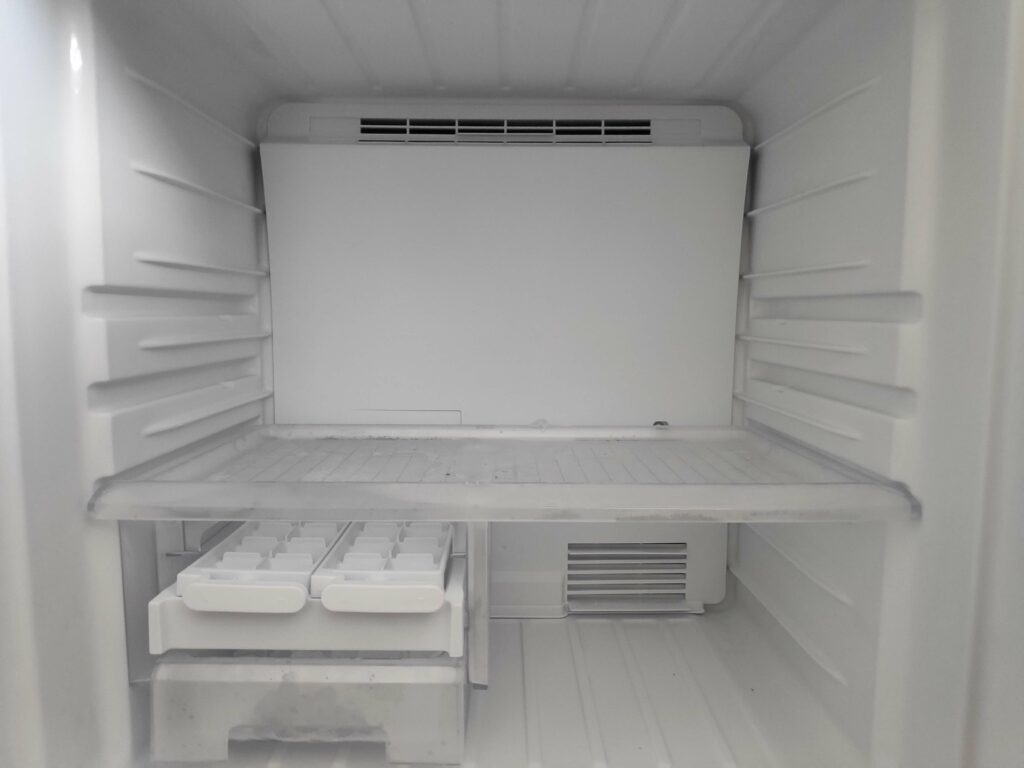
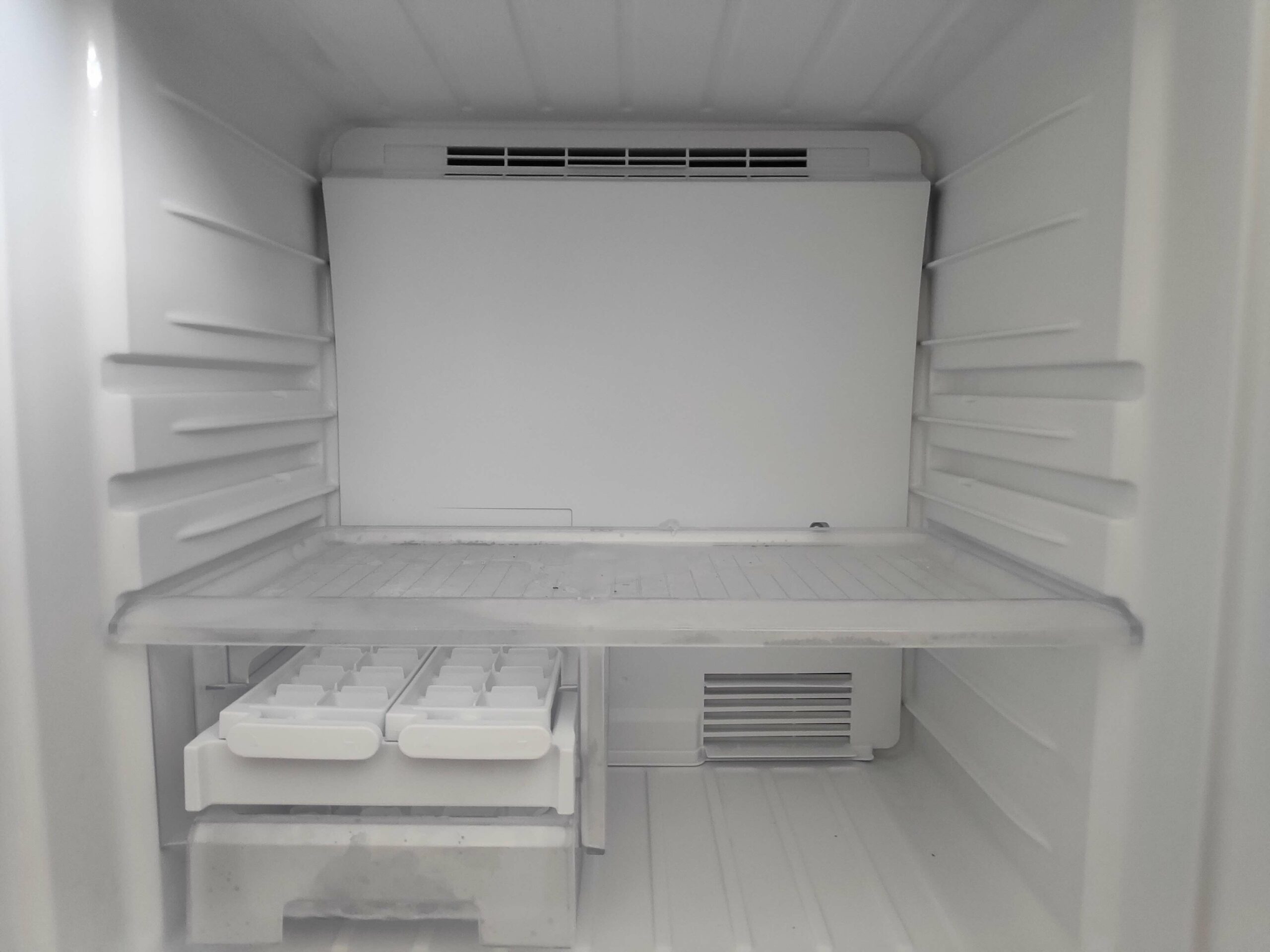
There are several reasons your upright freezer might stop cooling. Some are technical, while others are surprisingly mundane. For example, if the door seal is damaged or the freezer isn’t closing properly, the appliance will struggle to maintain temperature. Power supply issues, such as a tripped breaker or faulty outlet, can mimic more serious mechanical failures. Internally, a malfunctioning thermostat, broken compressor, or frozen evaporator coils can all stop the appliance from keeping cold. Restricted airflow—either due to blockages in the fan system or heavy ice buildup—may also prevent effective cooling. While some issues are DIY detectable, like checking for ice buildup behind the shelves, others require a technician’s diagnostic tools and experience.
Signs Your Upright Freezer Is Failing Before a Full Breakdown
If you’re paying close attention, upright freezers often leave a trail of clues before completely failing. Early warning signs may include inconsistent temperature levels, where food partially thaws and re-freezes. You might notice the freezer cycling more frequently or making unfamiliar noises—buzzing, humming, or clicking—as internal components struggle to maintain balance. Excessive frost buildup on the interior or around the door is another flag that something’s off. Even odor can be a signal; if the system isn’t cold enough to preserve food quality, you’ll start noticing strange smells quickly. Catching these issues early often results in less extensive repairs and lower costs.
When to Repair and When to Replace Your Upright Freezer
A pivotal question for every homeowner: is the freezer worth fixing, or should it be replaced? That depends on a few key factors—namely, the age of the appliance, the severity of the malfunction, and the estimate for repair. If the unit is under five years old and repair costs are below half its replacement value, fixing may be the best option. But for models approaching or exceeding ten years, especially those out of warranty or showing repeated failure, replacement becomes more sensible. Energy efficiency is part of this equation, too. Newer freezer models offer superior efficiency, which means long-term savings on energy bills. Always weigh repair quotes against the long-term convenience of having a reliable system in place—and factor in coverage options like home warranties, which can insulate you from sudden repair costs altogether.
Preventing Upright Freezer Failure With Consistent Maintenance
Staying ahead of failure starts with a bit of routine. Clean the condenser coils every six months to allow for optimal heat exchange. Ensure there’s at least three inches of clearance around the unit for proper ventilation. Inspect the door gasket routinely for cracks, warps, or wear. Defrost manually if your unit doesn’t provide an automatic defrost function. Don’t overfill the freezer either—blocked vents limit cold air circulation, which strains the system. Small these tasks may be, but consistently applying them dramatically extends the longevity of your freezer. Like most things in your home, regular attention yields long-term health.
How a Home Warranty Protects Your Freezer—and Your Finances
When your upright freezer breaks down, the cost of unexpected repair or replacement can be burdensome. That’s where a home warranty earns its value. These service contracts are designed to cover breakdowns due to normal wear and tear on major home systems and appliances—including upright freezers. With warranty coverage in place, if your freezer stops cooling, you can submit a claim, pay a service fee, and let trained professionals handle the diagnosis and repair or replacement. Especially when dealing with appliances that may be out of manufacturer warranty or multiple years old, a home warranty cushions you from the unpredictability of mechanical failures. It’s proactive protection that makes financial sense.
Smart Protection Starts With a Smart Choice: Partner With Armadillo
Freezer failures might be disruptive, but preparing for them doesn’t have to be. With Armadillo, you gain more than appliance protection—you gain a partner in home resilience. Armadillo’s home warranty plans are transparent, flexible, and built with modern homeowners in mind. Whether you’re trying to protect aging appliances or want a practical solution for future repairs, our approach saves you time, stress, and money. Don’t wait for your upright freezer to call it quits—get ahead of the next breakdown. Explore Armadillo’s home warranty protection at our homepage, or start personalizing your coverage today at our plan builder.