Wall Plug to USB Outlets: What Every Homeowner Should Know
There is a moment most homeowners have experienced at least once — every USB charger in the house is occupied, someone needs to charge a device, and the only available wall outlet requires a bulky adapter that never seems to be where you left it. That frustration is exactly what USB wall outlets were designed to solve. These fixtures replace or supplement standard electrical outlets with built-in USB charging ports, allowing direct device charging without adapters or power bricks. They are one of those small home upgrades that quietly make everyday life easier, and understanding how they work can help you decide if they belong in your home.
What Is a USB Wall Outlet and How Does It Work
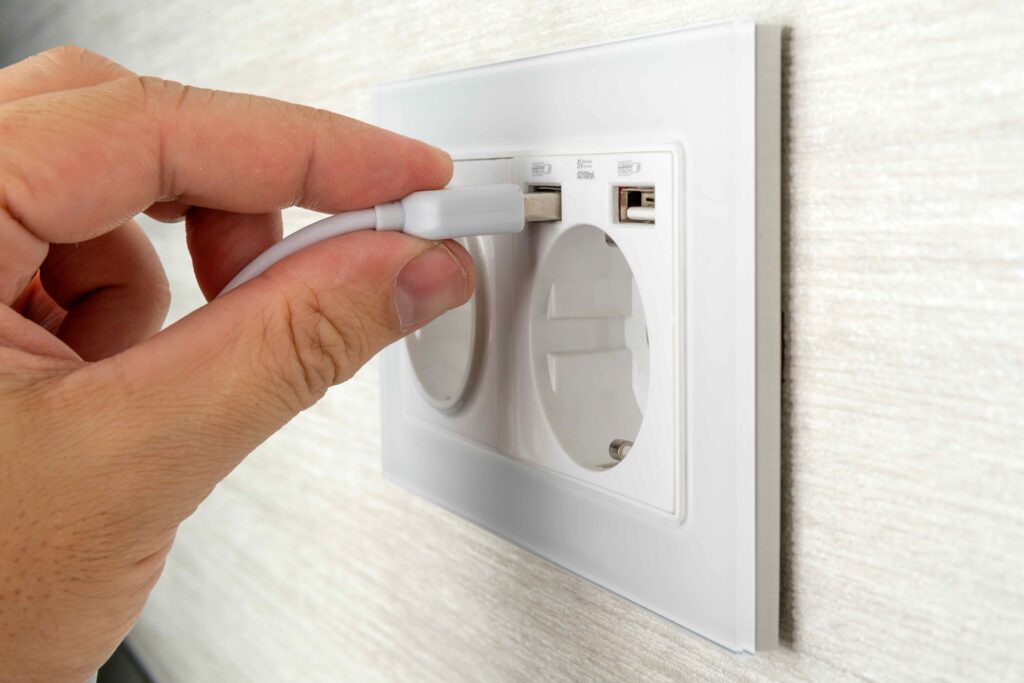
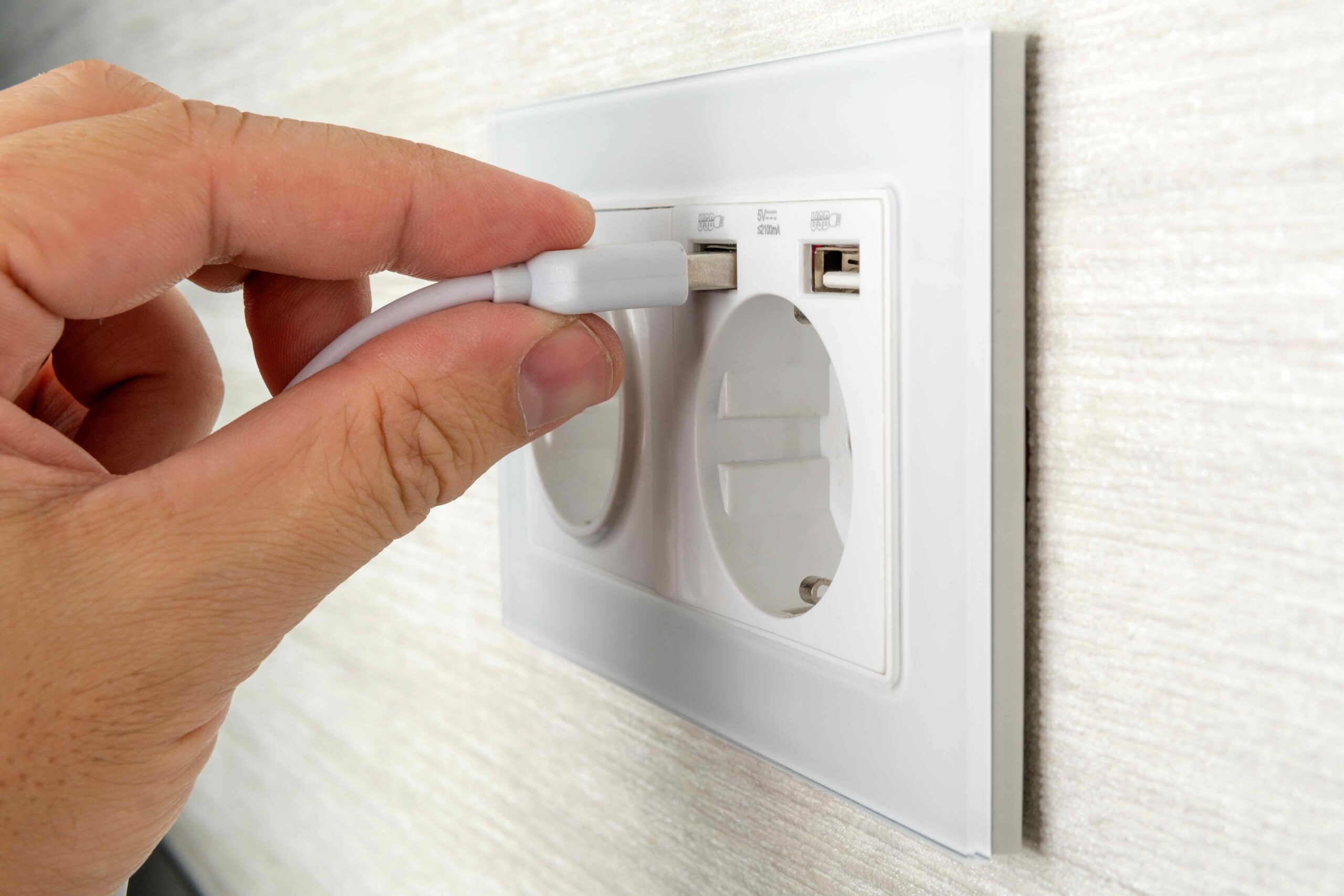
A USB wall outlet is a standard electrical receptacle that has been redesigned to include one or more USB charging ports alongside, or sometimes in place of, the traditional AC slots. The outlet is wired into your home’s existing electrical system just like a conventional outlet. Inside the fixture, a small built-in converter transforms the standard 120-volt AC power from your wall into the lower DC voltage that USB-powered devices require. This happens automatically whenever a device is plugged in. There are a few variations available on the market, including USB-A ports, the newer and faster USB-C ports, and combination outlets that offer both port types along with standard AC receptacles. Some models also support Power Delivery, which enables significantly faster charging for compatible phones, tablets, and laptops.
The Most Common Types of USB Wall Outlets
Not all USB wall outlets are the same, and choosing the right type matters more than most people realize going into a purchase. The three primary categories available to homeowners today include USB-A only outlets, USB-C only outlets, and combination USB-A plus USB-C models. USB-A ports are the legacy rectangular connectors most older devices still use. USB-C ports are the newer oval-shaped connectors found on most current smartphones, tablets, and laptops. Combination outlets offer versatility, which tends to make them the most practical option for households with a mix of older and newer devices. Beyond port type, wattage output is another important consideration. Higher wattage means faster charging, so looking for outlets with at least 18W to 30W output is worth the slightly higher upfront cost if fast charging is a priority.

Key Advantages of Installing USB Wall Outlets
The appeal of USB wall outlets goes well beyond convenience, though convenience alone is a solid reason to consider them. Here are the primary advantages homeowners consistently report after installation:
- Eliminates the need for USB charging adapters and reduces outlet clutter
- Frees up standard AC outlets for other devices and appliances
- Provides a cleaner, more streamlined look on walls and countertops
- USB-C Power Delivery models charge devices significantly faster than traditional adapters
- Built-in surge protection is included on many higher-quality models
- Compatible with smart home setups and modern renovation aesthetics
- Ideal for high-traffic charging locations like kitchens, bedrooms, and home offices
The convenience factor tends to get the most attention, but the aesthetic benefit is underrated. Removing chunky charging blocks from wall outlets visually cleans up a space in a way that takes very little effort to achieve.
Potential Drawbacks Worth Considering
No home upgrade is without its trade-offs, and USB wall outlets are no exception. One of the most commonly noted drawbacks is that USB charging standards evolve quickly. An outlet installed today with USB-A ports may feel dated in a few years as USB-C becomes the universal standard. Additionally, the built-in charging circuitry inside these outlets does generate a small amount of heat over time, which can contribute to wear if the outlet is heavily used for years on end. Installation requires basic electrical knowledge or a licensed electrician if you are not comfortable working with home wiring — this is not a project for someone completely unfamiliar with electrical systems. Finally, cheaper models from unknown manufacturers can underperform on charging speed or fail prematurely, so product quality and brand reputation matter here more than they might for a standard outlet.
Where to Install USB Outlets for Maximum Impact
Strategic placement is what separates a thoughtful upgrade from one that goes mostly unused. Kitchens are among the most popular locations because countertop charging happens daily in most households. Bedside outlets in bedrooms are another high-value placement, eliminating the need for nightstand clutter of charging cables and adapters. Home offices benefit greatly from USB-C Power Delivery outlets that can handle laptop charging. Entryways and mudrooms are practical for drop-zone phone charging, and living rooms with entertainment centers or media consoles benefit from USB outlets installed nearby for remote controls, streaming devices, and gaming controllers. The key is to identify wherever charging happens most organically in your daily routine and prioritize those locations first.
Installation Basics and When to Call a Professional
Replacing a standard outlet with a USB outlet is well within reach for a homeowner who is comfortable with basic electrical work. The process involves turning off power at the breaker, removing the existing outlet from the electrical box, disconnecting the old wires, and connecting them to the new USB outlet following the manufacturer’s wiring diagram. Most USB outlets are designed as direct replacements and fit into standard single-gang electrical boxes. That said, any uncertainty about the wiring in your home or discomfort around electrical work is a strong signal to hire a licensed electrician. The cost is modest for a straightforward outlet swap, and having a professional handle the installation also ensures the work is done to code — which matters when it comes to home insurance and resale value.
USB Outlets and Home Electrical Safety
Safety is a reasonable concern when adding any new component to your home’s electrical system. High-quality USB wall outlets from reputable manufacturers are tested and listed by safety organizations such as UL, which verifies that the product meets established electrical safety standards. When shopping, look for that certification on the packaging. Avoid purchasing uncertified products from unfamiliar sources, particularly when the price seems unusually low. Overloading an outlet by daisy-chaining multiple high-draw devices through a single circuit is also something to be mindful of regardless of outlet type. USB outlets themselves draw a negligible amount of power in standby mode, so energy consumption is rarely a meaningful concern.
How USB Outlets Fit Into a Broader Home Upgrade Strategy
USB wall outlets are a relatively low-cost upgrade that delivers outsized day-to-day value, which makes them a natural fit within a broader home modernization plan. They pair well with other electrical improvements like GFCI outlet replacements in kitchens and bathrooms, whole-home surge protection installation, or smart home device integration. Thinking about your home’s electrical system holistically rather than one outlet at a time tends to produce better outcomes — both in terms of functionality and long-term reliability. Homeowners who take a proactive approach to maintaining and upgrading home systems tend to encounter fewer surprises and costly repairs down the road.
Why Armadillo Home Warranty Has Your Back When Upgrades Get Complicated
Upgrading your home’s electrical outlets is a smart step, but it is also a reminder that home systems are interconnected. When one thing gets updated, it can reveal aging wiring, outdated panels, or other components that have been quietly declining in the background. That is where having the right home warranty coverage becomes genuinely valuable. Armadillo home warranty plans for electrical system protection are built with real homeowners in mind — straightforward coverage, no runaround, and actual support when something stops working. If you are investing in your home’s systems and want a safety net that keeps pace with those improvements, now is a good time to explore your options. You can take a few minutes to get a free home warranty quote for your electrical and home systems and see exactly what coverage looks like for your specific home. Armadillo keeps things transparent, and that is something worth having in your corner.

Frequently Asked Questions About USB Wall Outlets
Can I install a USB wall outlet myself without an electrician?
Yes, if you are comfortable working with basic home electrical wiring and take proper safety precautions such as turning off the breaker before starting. If you have any doubt about your home’s wiring configuration, hiring a licensed electrician is the safer and smarter choice.
Do USB wall outlets work with all devices?
USB wall outlets are compatible with any device that charges via USB, including smartphones, tablets, e-readers, wireless earbuds, and many laptops when using USB-C Power Delivery models. The charging speed will depend on both the outlet’s wattage output and the device’s charging specifications.
Are USB wall outlets safe to leave plugged in all the time?
Yes, USB wall outlets from certified manufacturers are designed for continuous use. They draw very little power in standby mode and are built with the same safety standards applied to conventional outlets. Look for UL-listed products to confirm safety compliance.
What is the difference between USB-A and USB-C wall outlets?
USB-A is the older, rectangular port type found on most traditional chargers and cables. USB-C is the newer, oval-shaped connector that supports faster charging speeds and is now standard on most modern smartphones and laptops. Combination outlets offer both port types for maximum compatibility.
Do USB wall outlets use electricity when nothing is plugged in?
They do draw a very small amount of standby power even when no device is connected, but the consumption is minimal — typically less than half a watt — and unlikely to have any noticeable impact on your electricity bill.
How long do USB wall outlets typically last?
A quality USB wall outlet can last anywhere from five to ten years or more under normal use conditions. Heavy daily use and lower product quality can shorten that lifespan. Signs of wear include slower charging speeds, physical discoloration, or warmth around the outlet.
Can USB wall outlets support fast charging for phones and laptops?
Yes, but only if the outlet supports the appropriate Power Delivery wattage required by your device. Models with 18W, 30W, or higher output are needed for fast charging most modern smartphones and laptops. Always check the outlet specifications against your device’s fast charging requirements before purchasing.
Do I need a permit to replace an outlet with a USB outlet?
In most jurisdictions, a straight outlet replacement does not require a permit since it is not considered new electrical work. However, electrical codes vary by location, so checking with your local building department or a licensed electrician before starting is always a reasonable precaution.
Will installing USB outlets affect my homeowner’s insurance?
A direct outlet swap using a certified product and proper installation methods should not negatively affect your homeowner’s insurance. Unpermitted or non-code-compliant electrical work of any kind, however, can create issues with insurance claims, so following proper procedures matters.
Are USB wall outlets covered under a home warranty plan?
Coverage varies by provider and plan. Most home warranty plans cover the broader electrical system, including wiring and outlets, but specific component coverage depends on the terms of your plan. Reviewing your coverage details or speaking with your provider directly will give you the clearest answer for your situation.