When Your Washing Machine Stops Working: What Every Homeowner Needs to Know
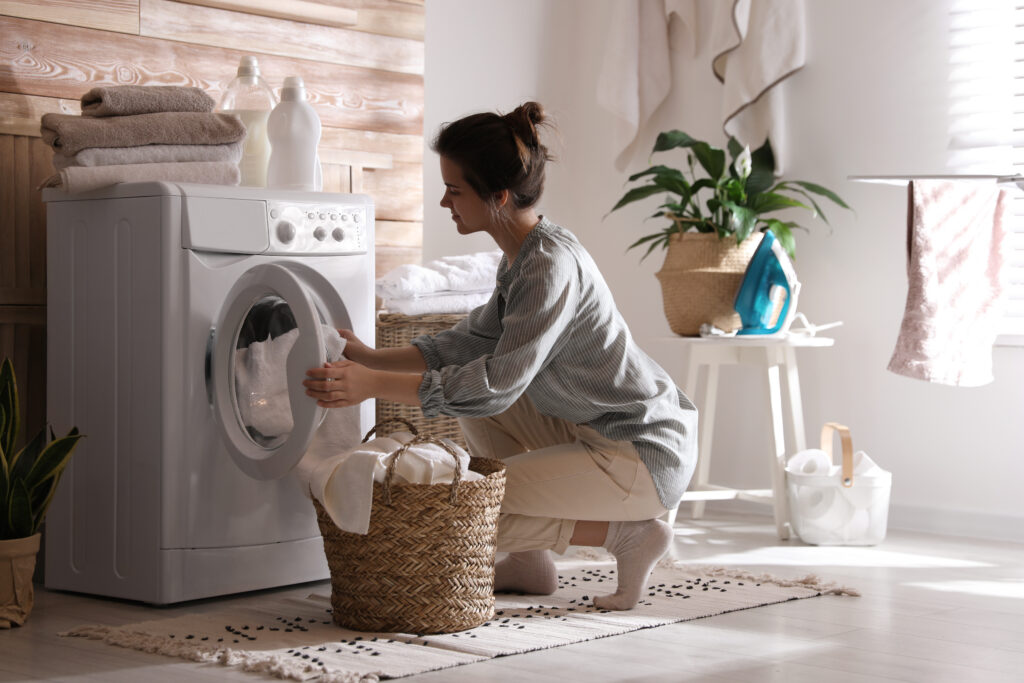
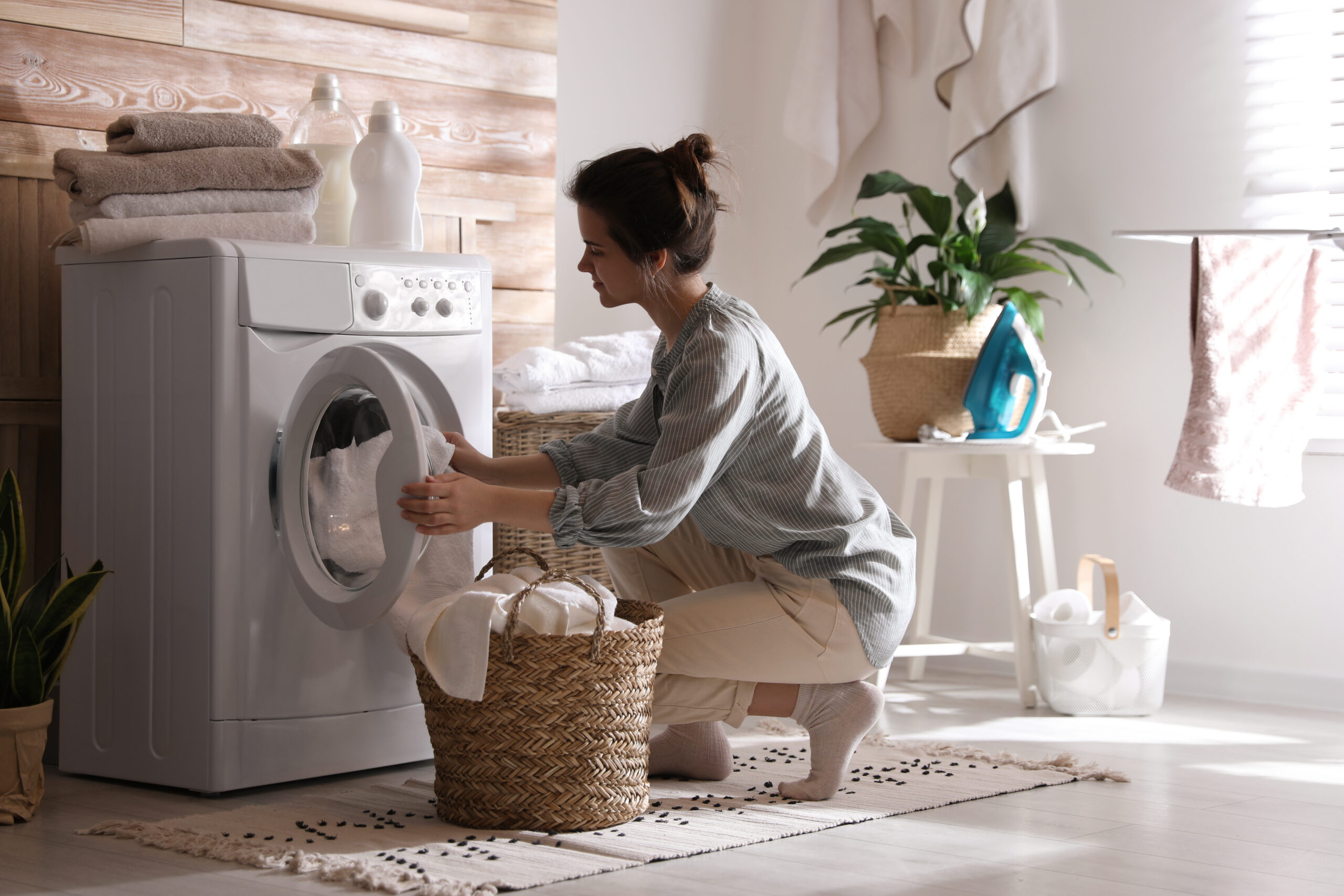
There are few household moments more frustrating than opening a washing machine and finding a drum full of soaking wet clothes that went nowhere. The machine just stopped. No spin, no drain, no explanation. It happens to nearly every homeowner at some point, and when it does, the questions start piling up fast. Is it a simple fix? Is it something major? And perhaps most importantly, who is going to pay for it? This guide walks through everything you need to understand about washing machine failures, how the appliance actually works, what tends to go wrong and why, and how a home warranty can make the entire experience significantly less painful.
How a Washing Machine Actually Works
Understanding what breaks down is a lot easier when you know what is supposed to happen in the first place. A washing machine is essentially a water management and mechanical system working in coordination. When you start a cycle, the machine fills with water through inlet valves, which are controlled by solenoids that open and close based on the cycle settings. A timer or electronic control board sequences every phase of the wash. The drum, driven by a motor through a belt or direct drive system, rotates to agitate and clean the clothes. Once the wash cycle ends, a pump drains the water out. Then the motor spins the drum at high speed to extract moisture before the cycle completes. Front-load and top-load machines follow the same general logic but differ in drum orientation, door mechanisms, and how they handle water levels. The control board, the motor, the pump, the lid or door switch, and the inlet valves are the most commonly replaced components when things start going wrong.
The Most Common Reasons a Washing Machine Stops Working
Washing machine failures are rarely random. Most breakdowns follow patterns that technicians see repeatedly. Knowing what is likely to fail can help homeowners describe the problem more clearly when calling for service and set realistic expectations about repair costs.
- Control board failure: The electronic brain of the machine can malfunction due to power surges, age, or manufacturing defects, causing the machine to stop responding entirely or behave erratically.
- Lid or door latch issues: Most machines will not run if the latch does not register as fully closed. This is a safety feature, but when the switch fails, it can look like a much bigger problem.
- Drain pump failure: If the machine fills but will not drain, the pump is often the culprit. Debris, worn impellers, or motor failure inside the pump are common causes.
- Drive belt or motor problems: Older top-load machines especially rely on belts to transfer motor power to the drum. A broken or worn belt stops the spin cycle completely.
- Water inlet valve failure: When the machine will not fill, or only fills partially, a faulty inlet valve is usually responsible.
- Bearing wear: Over time, drum bearings wear out, creating loud grinding or rumbling during the spin cycle. Left unaddressed, this leads to more significant mechanical failure.
Signs Your Washing Machine Is About to Fail
Washing machines rarely quit without warning. The signals are often there weeks or even months before the appliance stops working entirely. Unusual noises during any part of the cycle, especially grinding, squealing, or banging, usually indicate a mechanical issue in progress. A machine that vibrates excessively, walks across the floor, or shakes the surrounding cabinetry may have drum balance issues or worn shock absorbers. Cycles that take significantly longer than usual, or that seem to pause without completing, often point to control board or sensor problems. Water that leaks from the door seal or from beneath the machine is another sign that components are deteriorating. Paying attention to these patterns early gives homeowners more options, including scheduling non-emergency repairs before the machine fails at the worst possible time.

What a Washing Machine Repair Actually Costs
Repair costs vary depending on the type of failure, the age of the machine, and where you live. Minor issues like a broken lid latch or a clogged drain pump can cost between fifty and one hundred fifty dollars including labor. Mid-range repairs such as inlet valve replacement or belt and motor service typically run between one hundred fifty and three hundred fifty dollars. Major failures involving the control board or drum bearings can push into the four hundred to six hundred dollar range, and at that point, many homeowners start weighing repair against replacement. A new mid-range washing machine costs between six hundred and twelve hundred dollars installed, which means a single major repair can represent a significant portion of replacement cost. This financial reality is exactly what makes appliance protection worth evaluating before something breaks.
DIY Versus Professional Repair: What Makes Sense
Some washing machine issues genuinely are approachable for a handy homeowner. Cleaning a clogged drain filter, leveling the machine, replacing a drain hose, or even swapping out a simple lid switch are tasks that fall within reach with the right guidance and basic tools. However, most meaningful repairs require disassembly of the machine, access to wiring and circuit boards, or specialized diagnostic tools. Attempting motor replacement, control board repair, or bearing work without experience can make the problem worse and potentially void any remaining warranty on the appliance. For anything beyond basic maintenance, a licensed appliance technician is the safer and usually more cost-effective choice in the long run.
When Is It Time to Replace Instead of Repair?
The general rule in the appliance industry is the fifty percent rule: if the repair cost exceeds fifty percent of the current replacement value of the machine, replacement is usually the smarter investment. Age plays a significant role in this calculation. Most washing machines are designed to last between ten and fifteen years. A machine that is already twelve years old and requires a four hundred dollar control board repair is probably a candidate for replacement. A five-year-old machine with the same problem is almost certainly worth fixing. The brand, model, and parts availability also matter. Some machines are significantly easier and cheaper to repair than others, and a technician can usually advise on this during the diagnostic visit.
How a Home Warranty Covers Washing Machine Failures
A home warranty is a service contract that covers the repair or replacement of major home systems and appliances when they fail due to normal wear and tear. Unlike homeowners insurance, which covers sudden and accidental damage like fires or floods, a home warranty is specifically designed for the mechanical breakdowns that happen as appliances age. When a washing machine stops working and the failure is due to a covered mechanical issue, the homeowner calls the warranty provider, pays a predetermined service fee, and the provider arranges for a qualified technician to diagnose and repair the appliance. If the repair is not feasible, many plans offer a replacement benefit. This model converts an unpredictable and potentially large expense into a known, manageable cost, which is genuinely valuable for households on a budget or for those who simply do not want the headache of sourcing and vetting repair contractors independently.
Common Home Warranty Limitations to Understand
Home warranties are useful, but they are not unlimited coverage documents. Every plan has exclusions, caps, and conditions that homeowners should read carefully before purchasing. Pre-existing conditions are almost universally excluded, meaning a machine that was already failing when the policy began will typically not be covered. Cosmetic damage, misuse, and improper installation are also standard exclusions. Some plans cap appliance repair or replacement at a specific dollar amount, which may not fully cover the cost of a premium washing machine. Waiting periods are common at the start of a new policy, often ranging from fifteen to thirty days. Understanding these limitations does not make a home warranty less valuable, but it does ensure homeowners approach the coverage with accurate expectations and select a plan that actually fits their needs.
Why Armadillo Is the Right Home Warranty Partner for Appliance Protection
When a washing machine fails, the last thing a homeowner needs is a complicated claims process or an unhelpful customer service experience on top of an already frustrating situation. Armadillo is built around making home protection feel simple, transparent, and actually worth having. If you have been searching for reliable washing machine warranty coverage that does not come with pages of confusing fine print, Armadillo home warranty plans for appliance and system protection are designed with real homeowners in mind, not the other way around. The coverage is straightforward, the service network is vetted, and the entire experience is built to reduce stress, not add to it. Whether your machine is already acting up or you just want to get ahead of the next inevitable breakdown, you can get a free quote for washing machine and appliance coverage through Armadillo in a matter of minutes. Protecting your home does not have to be complicated, and with the right plan in place, a washing machine failure becomes a minor inconvenience instead of a financial setback.

Frequently Asked Questions About Washing Machine Failures and Home Warranty Coverage
These are the questions homeowners ask most often when their washing machine stops working or when they are evaluating whether a home warranty makes sense for appliance protection.
Why did my washing machine suddenly stop working mid-cycle?
A mid-cycle shutdown is most often caused by a lid or door latch failure, an overheated motor, a tripped thermal fuse, or a control board malfunction. The machine stops as a safety response. A technician can run a diagnostic to identify the exact component responsible.
Is it worth repairing a washing machine that is ten years old?
It depends on the repair cost relative to the machine’s current value. If the repair is minor, fixing a ten-year-old machine is usually reasonable. For major repairs on a machine near the end of its expected lifespan, replacement often makes more financial sense.
Does a home warranty cover all washing machine repairs?
Home warranties cover mechanical failures resulting from normal wear and tear. Exclusions typically include pre-existing conditions, cosmetic damage, misuse, and failures caused by improper installation. Reviewing your specific policy terms is always the best approach.
How long do washing machines typically last?
Most washing machines are engineered for a lifespan of ten to fifteen years under normal household use. Front-load machines tend to have slightly more repair needs over time, while direct-drive top-loaders are often considered more mechanically durable.
What should I do immediately when my washing machine stops working?
Check the power connection, confirm the lid or door is fully latched, and inspect the circuit breaker. If none of those are the issue, avoid attempting further DIY troubleshooting and contact a licensed technician or your home warranty provider to begin a service request.
Can a power surge damage a washing machine?
Yes. Power surges can damage or destroy the electronic control board, which is one of the more expensive components to replace. Using a surge protector on major appliances is a practical precaution, particularly in areas prone to electrical fluctuations.
How does a home warranty differ from homeowners insurance for appliance coverage?
Homeowners insurance covers sudden and accidental physical damage such as fire, flooding, or theft. A home warranty covers the mechanical breakdown of appliances and systems due to age and normal wear. The two products serve different purposes and are generally both recommended for comprehensive home protection.
What is a service call fee in a home warranty plan?
A service call fee, sometimes called a trade call fee, is the flat amount a homeowner pays each time they request a repair visit through their home warranty. It functions similarly to a copay in health insurance and is separate from the monthly or annual cost of the warranty plan itself.
Will a home warranty replace my washing machine if it cannot be repaired?
Many home warranty plans include a replacement benefit when a covered appliance is deemed beyond economical repair. The specific terms, including any dollar caps on replacement value, vary by provider and plan, so confirming this detail before purchasing a plan is important.
Are both front-load and top-load washing machines covered under home warranties?
In most cases, yes. Home warranty providers typically cover both front-load and top-load washing machines as standard appliances, regardless of configuration. Some high-end or specialty machines may have coverage caps that do not fully reflect their replacement cost, which is worth clarifying before enrolling in a plan.