What Is a Water Heater Drain and Why Does It Matter?
Your water heater quietly does one of the most important jobs in your home. It heats water for showers, dishes, laundry, and everything in between. But here is something most homeowners never think about until there is a problem sitting in a puddle on the utility room floor — the drain. The water heater drain valve is a small but critical component that controls how and when water exits the tank. Understanding what it does, how it works, and how to maintain it could save you from a flooded basement or a prematurely failed unit. This is one of those topics that feels minor until it absolutely is not.
How a Water Heater Tank Drain Valve Actually Works
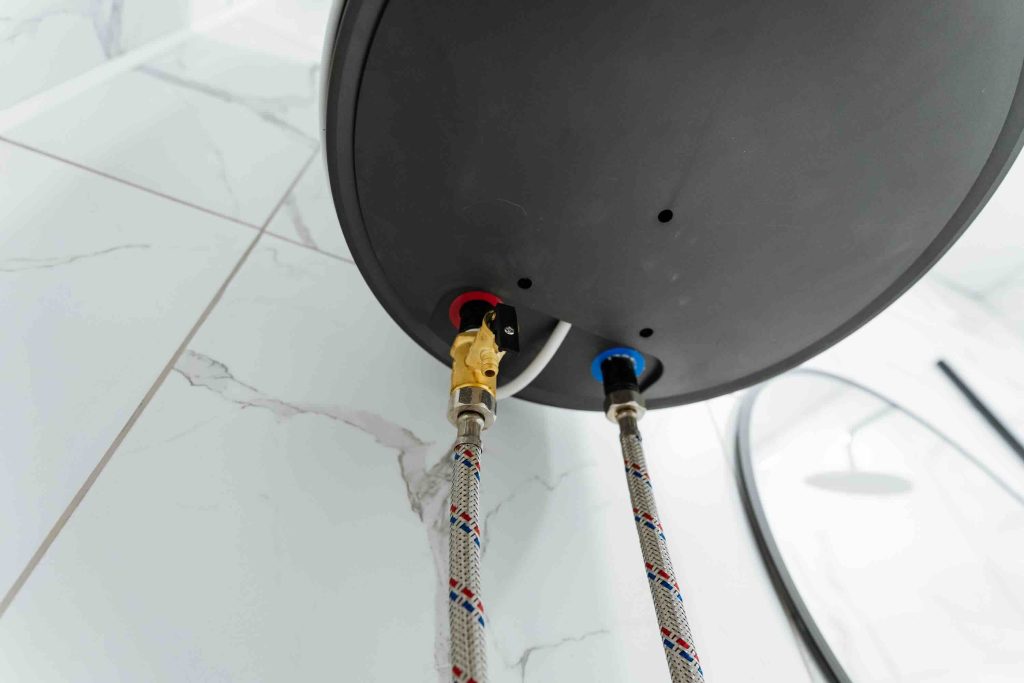
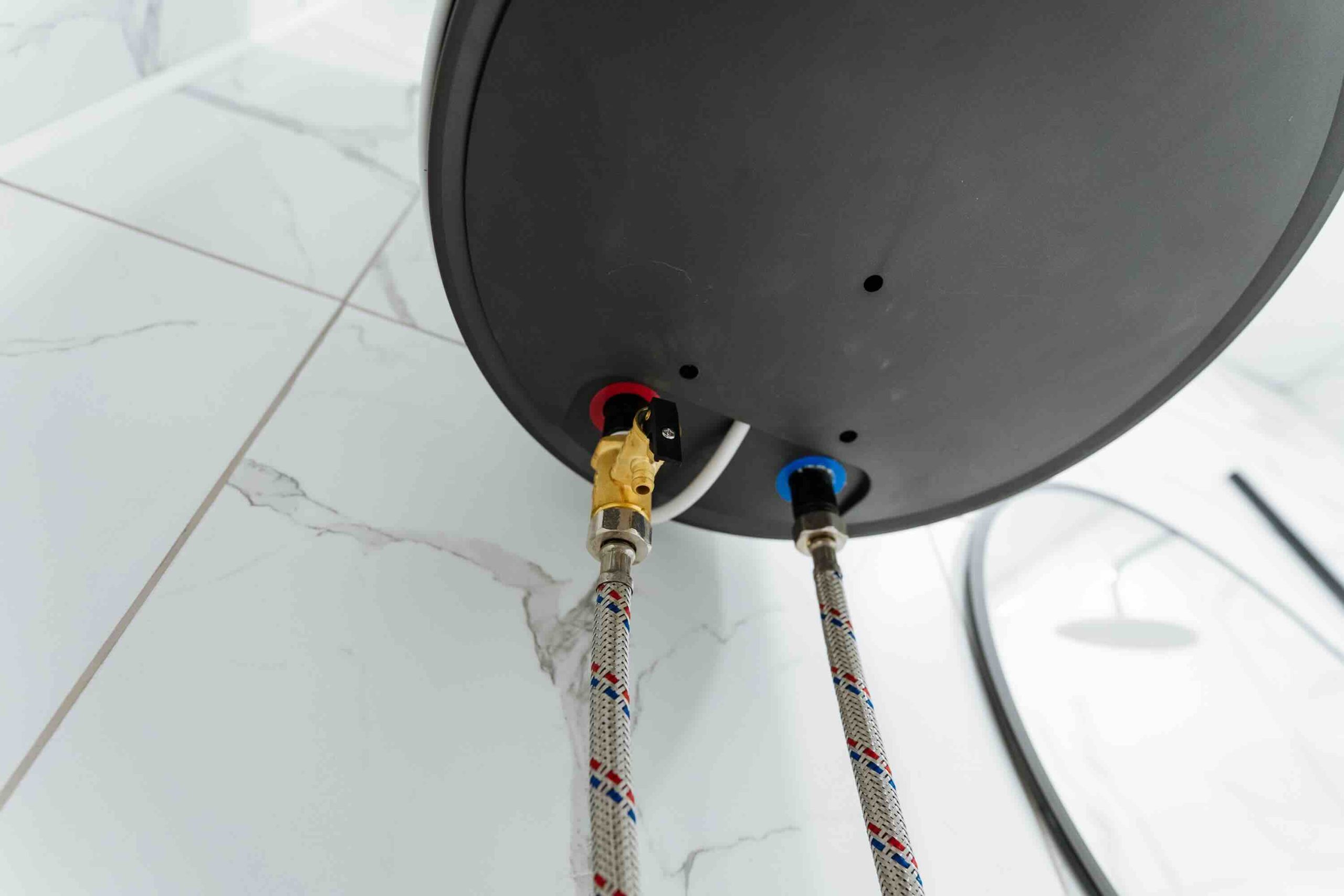
Located near the bottom of a traditional tank-style water heater, the drain valve is typically a spigot-style or ball valve fitting. Its primary job is to allow water to exit the tank during maintenance, flushing, or replacement. Most standard units come equipped with a plastic drain valve from the factory, though many plumbers and technicians will recommend upgrading to a brass ball valve for better durability and a more reliable seal. When you open the valve, water flows out through a connected hose or directly to a floor drain. Simple in concept, but the execution matters quite a bit when sediment buildup or corrosion enters the picture.
Why Draining Your Water Heater Tank Is So Important
Over time, minerals and sediment naturally accumulate at the bottom of your water heater tank. This is especially common in areas with hard water, where calcium and magnesium deposits settle and harden with every heating cycle. That layer of sediment acts as insulation between the burner and the water, forcing your unit to work harder and longer to reach the desired temperature. The result is reduced efficiency, higher energy bills, unusual popping or rumbling noises, and a shortened lifespan for the appliance. Regularly draining the tank — typically once a year — clears out that buildup and keeps the system running as it should.

Key Advantages of Regular Water Heater Flushing
There are several genuinely compelling reasons to make tank draining part of your annual home maintenance routine. The benefits go well beyond just avoiding sediment.
- Extended appliance lifespan: Removing sediment reduces the thermal stress placed on the tank lining and heating elements, helping the unit last closer to its full 10 to 15 year potential.
- Improved energy efficiency: A clean tank heats water faster and more efficiently, which translates directly into lower monthly utility costs.
- Better water quality: Flushing removes discolored or metallic-tasting water that can develop when sediment sits undisturbed for extended periods.
- Reduced risk of tank failure: Sediment buildup is one of the leading contributors to premature tank corrosion and leaks, both of which can result in costly water damage.
- Maintained warranty validity: Some manufacturer warranties require routine maintenance, including periodic flushing, to remain in effect.
Common Drawbacks and Challenges Homeowners Face
As straightforward as draining a water heater sounds, it comes with a few real-world complications worth knowing about in advance. The most frequent issue is a drain valve that has not been used in years — or ever. Sediment can clog the valve opening itself, making it difficult to get water flowing through it. Worse, some valves begin to drip or fail to fully close after being opened for the first time in a long time. Plastic factory-installed valves are particularly prone to this. There is also the matter of hot water safety; the water exiting the tank can be extremely hot, and improper handling can cause burns. For older units or heavily corroded systems, attempting a DIY flush without proper preparation can actually trigger a bigger problem than the one you were trying to prevent.
Step-by-Step Overview of How to Drain a Water Heater Tank
While a licensed plumber is always a reliable option for this task, many homeowners are comfortable handling a basic flush on their own. The process generally follows this sequence: turn off the power supply or set the gas valve to pilot mode, connect a garden hose to the drain valve, run the other end to a safe drainage location, open a hot water faucet somewhere in the house to prevent a vacuum lock, and then open the drain valve slowly. Allow the water to flow until it runs clear. Once flushing is complete, close the valve, remove the hose, refill the tank, and restore power. The whole process typically takes about an hour depending on tank size and sediment levels.
Signs That Your Drain Valve or Water Heater Needs Attention
Knowing when to act is just as important as knowing how. There are several indicators that your water heater drain system — or the unit itself — may need professional evaluation.
- Visible rust or corrosion around the drain valve fitting
- Water pooling near the base of the unit with no obvious external source
- A valve that drips or fails to fully close after use
- Rumbling, popping, or banging sounds during heating cycles
- Water that appears discolored or has a metallic odor when running hot
- Noticeably longer wait times for hot water at fixtures throughout the home
When to Call a Professional Versus Handling It Yourself
DIY flushing is reasonable for relatively new water heaters with functional drain valves and no significant corrosion present. But there are situations where professional help is the right call. If the drain valve is visibly corroded, stripped, or simply will not open, forcing it risks cracking the fitting or flooding the area. If the unit is more than eight years old and has never been flushed, the sediment layer may be thick enough that disturbing it creates new problems — including dislodging particles that then clog pipes or fixtures. A licensed plumber can assess the condition of the valve and the tank, replace a faulty valve, and perform the flush safely. For units nearing the end of their expected lifespan, a professional evaluation may also reveal whether replacement is more cost-effective than continued maintenance.
How Home Warranty Coverage Connects to Your Water Heater
Water heaters are one of the most commonly covered and most frequently claimed appliances in any home warranty plan — and for good reason. They fail predictably, they fail expensively, and when they go, the damage can extend well beyond the unit itself. If you are already thinking about water heater maintenance, this is a good moment to consider whether your current coverage actually protects you when something goes wrong. Armadillo home warranty plans built for modern homeowners are designed specifically to cover the systems and appliances that matter most, including your water heater, without the confusing exclusions or fine-print surprises that frustrate so many homeowners with other providers. If a drain valve fails, a heating element burns out, or the tank itself needs replacement, having the right plan in place can mean the difference between a quick service call and a major out-of-pocket expense. You can get a free water heater warranty quote for your home in seconds and see exactly what protection is available for your specific address. Coverage like this is not just a safety net — it is peace of mind built into your annual home budget.

Frequently Asked Questions About Water Heater Tank Drains
These are the questions homeowners ask most often when it comes to water heater drain maintenance, valve issues, and related coverage.
How often should I drain my water heater tank?
Most manufacturers and plumbers recommend flushing your water heater tank at least once per year. If you live in an area with hard water, flushing every six months may be more appropriate to manage accelerated sediment buildup.
What happens if I never drain my water heater?
Sediment accumulates at the bottom of the tank over time, reducing heating efficiency, increasing energy costs, generating noise during operation, and accelerating corrosion that can lead to premature tank failure and leaks.
Can a water heater drain valve be replaced without replacing the whole unit?
Yes, a licensed plumber can replace a faulty or corroded drain valve without replacing the entire water heater. The tank must be drained and the water supply shut off to complete the swap safely.
Why is my water heater drain valve leaking?
A leaking drain valve is usually the result of a worn or degraded valve seat, corrosion around the fitting, or sediment preventing a full seal. Plastic factory valves are especially prone to this issue over time and are often replaced with brass ball valves.
Is it safe to drain a water heater yourself?
For relatively new units with functioning valves and no visible corrosion, a DIY flush is manageable for most homeowners. However, older units, corroded valves, or heavily sediment-laden tanks are best handled by a licensed plumber to avoid causing additional damage.
Does a home warranty cover water heater drain valve replacement?
Coverage varies by provider and plan. Many home warranty plans cover mechanical failures of the water heater, including components like the drain valve, heating elements, and thermostats. It is important to review your specific plan terms to understand what is and is not included.
What type of drain valve should I use on a water heater?
Brass ball valves are widely considered the superior option compared to standard plastic spigot valves. They provide a more reliable seal, are more durable under repeated use, and are significantly less prone to dripping or cracking over time.
How long does it take to drain a water heater tank?
The process typically takes between 45 minutes and two hours depending on tank size, sediment levels, and water pressure. A 40 to 50 gallon tank under normal conditions will usually drain within an hour.
Will draining my water heater improve hot water pressure?
Draining the tank removes sediment that can partially block the drain and contribute to internal buildup, but low hot water pressure throughout the home is more commonly related to a partially closed supply valve, pipe corrosion, or issues with the pressure reducing valve.
How do I know if my water heater tank has too much sediment to safely flush?
Signs of severe sediment buildup include loud rumbling or popping during heating cycles, visibly discolored water, significantly reduced hot water output, and a unit that is more than eight to ten years old with no maintenance history. In these cases, a professional assessment before attempting a flush is strongly recommended.