




When Your Water Heater Says Enough: Understanding High Temperature Shutdown
Most homeowners never think about their water heater until something goes wrong. It just sits in a closet or utility room, quietly doing its job day after day. But when you suddenly have no hot water and see a tripped reset button or a blinking error code, you are likely dealing with what is called a high temperature shutdown. It sounds alarming, but understanding what it means, why it happens, and what to do next can save you a lot of stress and money.
What Is a Water Heater High Temperature Shutdown
A high temperature shutdown is a built-in safety response your water heater triggers when its internal temperature rises above a safe operating threshold. Most residential water heaters are set to heat water between 120 and 140 degrees Fahrenheit. When the internal temperature climbs beyond roughly 170 degrees, the unit’s thermal cutoff device, sometimes called a high limit switch or ECO (Energy Cutoff) device, activates and cuts power to the heating elements. This is not a malfunction. It is the system doing exactly what it was designed to do: prevent dangerous overheating, potential scalding, and in worst-case scenarios, a catastrophic tank failure.
How the High Temperature Safety System Actually Works
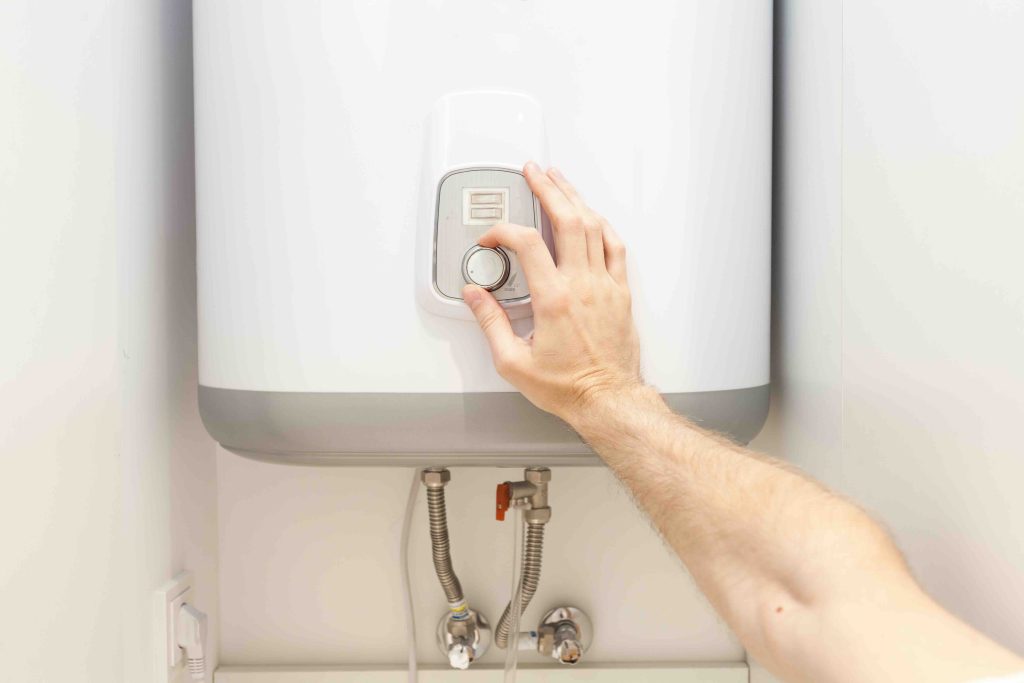
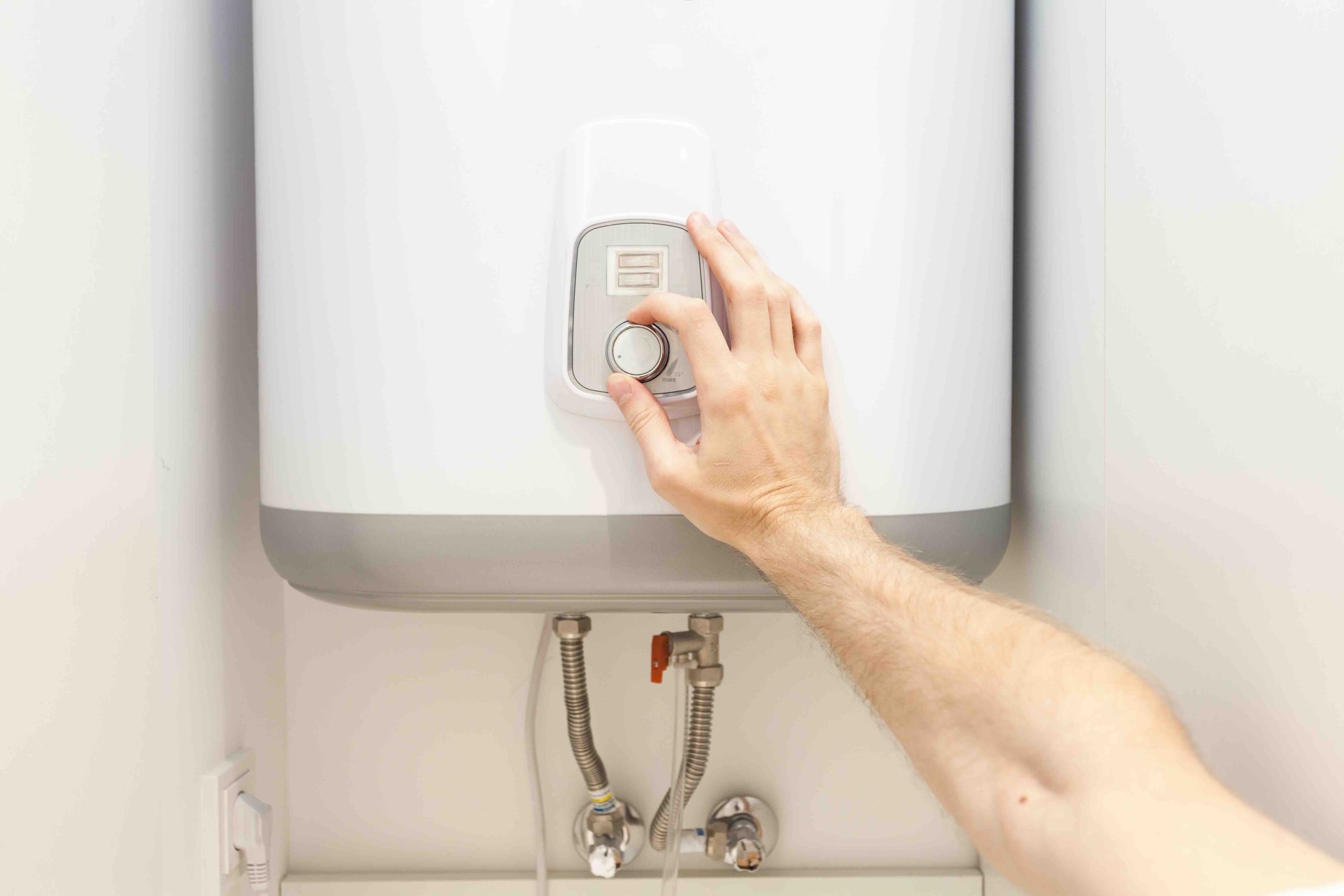
Inside your water heater, there is a thermostat that regulates the temperature of the water in the tank. Sitting alongside or integrated with that thermostat is the high limit switch. Think of it as a secondary layer of protection. Under normal conditions, the thermostat keeps temperatures in the safe range. But if the thermostat malfunctions and the water keeps heating past the cutoff point, the high limit switch triggers and interrupts the electrical circuit. On a gas water heater, a similar component called a thermal switch serves this function. Once this switch trips, the unit will stop heating entirely until the switch is manually reset, or until the underlying problem is identified and corrected.
Common Causes of High Temperature Shutdown
There is rarely just one reason a water heater goes into high temperature shutdown. Several issues can push a unit past its safe operating range, and knowing them helps you ask the right questions when a technician comes out.
- A faulty thermostat that fails to regulate temperature properly and allows the water to overheat
- A defective heating element that stays energized longer than it should
- Sediment buildup inside the tank, which traps heat near the bottom and forces elements to work harder
- A thermostat set too high, sometimes accidentally bumped during routine maintenance or inspection
- Electrical issues causing a short or irregular voltage delivery to the heating components
- A failing or worn-out high limit switch that trips prematurely even without actual overheating
Warning Signs Your Water Heater May Be Overheating
High temperature shutdown does not always happen without warning. Your water heater usually gives off signals before things escalate. Water that comes out scalding hot, even when the thermostat is set to a moderate level, is a red flag. Popping or rumbling sounds from the tank often indicate sediment buildup that is contributing to uneven heating. Discolored or rust-tinted water can point to internal corrosion caused by prolonged overheating. And if you notice the pressure relief valve releasing steam or water periodically, that is a sign the system is managing dangerous pressure levels, which is directly tied to excessive heat buildup inside the tank.
What to Do When Your Water Heater Shuts Down
If your water heater has triggered a high temperature shutdown, the first step is to resist the urge to simply reset the button and move on. That is a temporary fix, not a solution. Start by turning off power to the unit at the breaker box. Let the unit cool down before doing anything else. Check the thermostat setting to make sure it has not been accidentally adjusted. If everything looks normal and the unit trips again after a reset, that is a strong signal that a component has failed and the unit needs professional attention. Do not continue to reset a tripping high limit switch without investigating the cause. Repeatedly cycling through overheating events accelerates wear on the tank and increases safety risks.
Can You Reset the High Limit Switch Yourself
Yes, in many cases a homeowner can reset the high limit switch without calling a technician. On most electric water heaters, the reset button is located behind an access panel on the upper portion of the unit. You remove the panel, press the red button until you hear a click, replace the panel, and restore power. However, and this part matters, if the button trips again within a short period, the reset is not the solution. You have a component failure that needs diagnosis. Resetting a switch that keeps tripping is like pulling a fire alarm and going back to sleep without checking for smoke. The mechanism is working. The problem behind it has not been addressed.
Key Advantages of High Temperature Shutdown Protection
It is easy to view a shutdown event as purely an inconvenience, but the high temperature safety system in your water heater is genuinely one of the more important protective features in your home. When functioning correctly, it prevents water from reaching temperatures that cause severe burns. It also reduces the risk of pressure buildup that can lead to tank rupture, which is not just a mess, it can be structurally dangerous. The system protects the tank from internal damage caused by extreme heat cycling, which extends the overall life of the unit. From a warranty and home protection standpoint, it also helps document that the unit failed due to a mechanical issue rather than misuse or neglect.
Drawbacks and Limitations to Be Aware Of
The shutdown system is protective, but it is not a cure. One significant limitation is that the high limit switch itself can fail over time, tripping without a real overheating event, which creates unnecessary service calls. Another drawback is that by the time the switch activates, some thermal damage may have already occurred to internal components, especially if the event was not the first one. Older water heaters with aging thermostats are more prone to erratic behavior that triggers these shutdowns. Additionally, homeowners who repeatedly reset the switch without addressing root causes may inadvertently void their home warranty coverage if the issue is classified as a result of deferred maintenance or improper use.
How a Home Warranty Protects You When Your Water Heater Fails
Water heater failures, including those caused by high temperature shutdown events tied to component failure, fall under the coverage scope of most quality home warranty plans. That matters because the repair or replacement of a water heater can range from a few hundred to well over a thousand dollars depending on unit type and labor costs in your area. When you have a home warranty in place, a covered mechanical failure like a thermostat breaking down or a heating element giving out gets handled without the sticker shock. Armadillo home warranty coverage for water heaters and major home systems is built around straightforward protection that homeowners can actually rely on. When your water heater triggers a high temperature shutdown because a component has failed, that is exactly the kind of covered event a plan from Armadillo is designed to address. Whether you are a first-time homeowner or someone who has been managing repairs for years, having a plan ready before something breaks is always smarter than scrambling after. Take a few minutes to get a free water heater home warranty quote and explore coverage options that fit your home and your budget, because a working water heater is not a luxury.
Frequently Asked Questions About Water Heater High Temperature Shutdown
These questions come up often when homeowners are dealing with a water heater shutdown event. The answers below are designed to be direct and useful.
What causes a water heater to go into high temperature shutdown?
The most common causes are a faulty thermostat, a defective heating element, sediment buildup in the tank, or a thermostat set too high. Any of these conditions can push the water temperature past the safe threshold and trigger the high limit switch.
Is high temperature shutdown dangerous?
The shutdown itself is a safety feature, not a danger. However, the conditions that caused it, such as extreme overheating or a component failure, can be hazardous if left unaddressed. Always investigate the root cause before continuing to use the unit.
How do I reset my water heater after a high temperature shutdown?
Turn off power to the unit at the breaker, locate the access panel on the upper portion of the heater, press the red reset button until it clicks, replace the panel, and restore power. If it trips again, call a licensed technician.
How often can I reset the high limit switch?
Resetting it once to restore function is reasonable. If it trips again, you should stop resetting it and have a professional diagnose the underlying problem. Repeatedly resetting a tripping switch without identifying the cause is unsafe.
Will a home warranty cover a high temperature shutdown repair?
In most cases, yes. If the shutdown was caused by a covered component failure such as a broken thermostat or heating element, a quality home warranty plan should cover the repair or replacement costs subject to the terms of your specific plan.
What temperature is too high for a water heater?
Most water heaters operate safely between 120 and 140 degrees Fahrenheit. When temperatures inside the tank approach or exceed 170 degrees, the high limit switch is designed to activate and cut power to the heating system.
Can sediment buildup cause high temperature shutdown?
Yes. Sediment accumulates at the bottom of the tank over time and acts as an insulating barrier between the heating element and the water. This forces the element to work harder and longer, generating excess heat that can trigger a shutdown.
How long does a water heater high limit switch last?
High limit switches are generally durable, but they can wear out over time, particularly in units that experience frequent temperature fluctuations or repeated overheating events. On older units, a failing switch may trip even without a genuine overheating condition.
Can I prevent water heater high temperature shutdown from happening?
Regular maintenance helps significantly. Flushing the tank annually to remove sediment, checking thermostat settings, and scheduling periodic inspections by a licensed plumber can reduce the likelihood of overheating events and extend the life of the unit.
Does high temperature shutdown mean I need to replace my water heater?
Not necessarily. In many cases, replacing the thermostat or heating element resolves the issue entirely. However, if the unit is more than ten years old and experiencing repeated shutdowns, replacement may be the more cost-effective long-term solution.