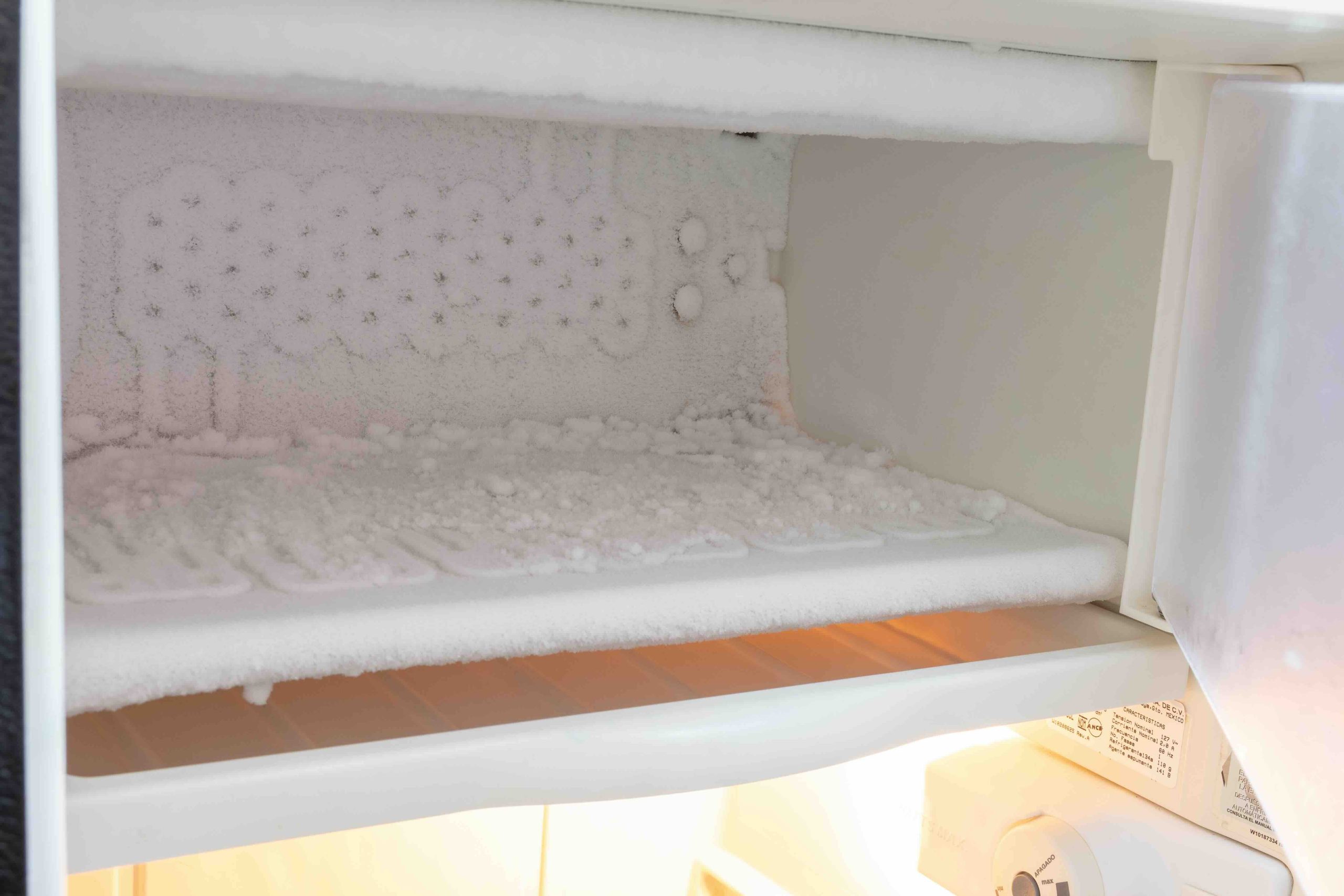
Why Is There Ice Building Up in My Freezer? Understanding Frost Buildup
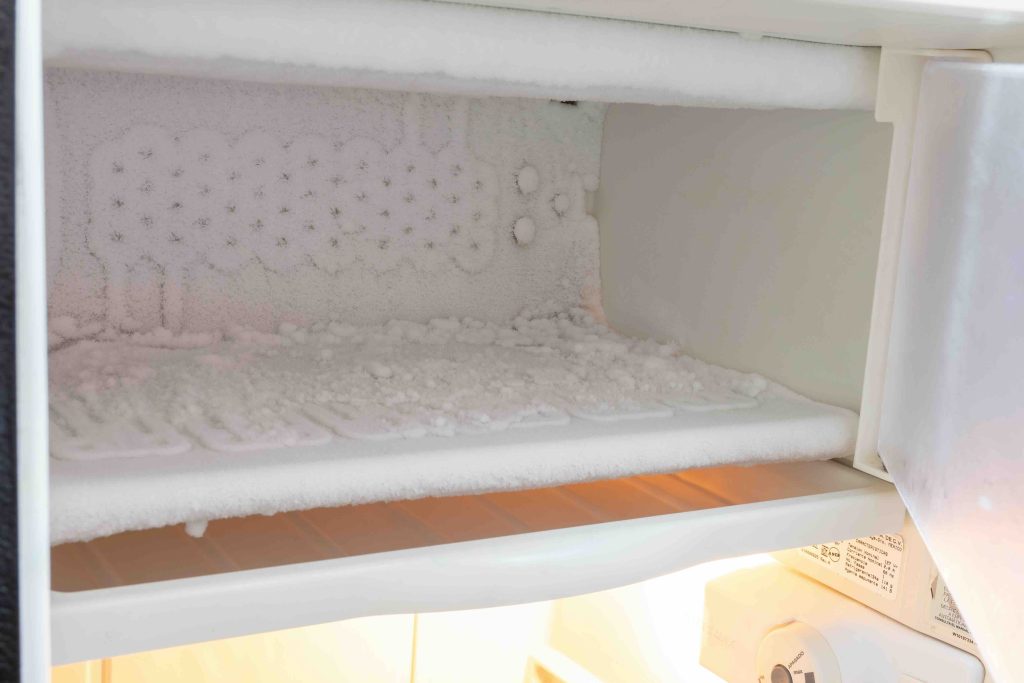
You open the freezer to grab something and notice it. A thin layer of ice coating the walls, maybe creeping across the shelves, possibly even making it hard to close the door all the way. Frost buildup in a freezer is one of those household issues that sneaks up on you gradually, and by the time you really notice it, it has already been developing for a while. The good news is that understanding what causes frost buildup, what it means for your appliance, and how to address it can save you a lot of headaches down the road. This article breaks it all down in plain terms so you know exactly what you are dealing with.
What Is Freezer Frost Buildup and Why Does It Happen
Frost forms inside a freezer when warm, moisture-laden air enters the freezer compartment and contacts the cold interior surfaces. The moisture in that air freezes almost immediately upon contact, creating a thin layer of ice. Over time, with repeated exposure, that thin layer compounds into something much thicker. The process is straightforward from a physics standpoint, but the causes behind it in a home setting vary more than people might expect. A door left open too long, a worn door gasket that no longer seals properly, or a faulty defrost system inside the unit can all contribute. Modern frost-free freezers are designed to combat this automatically, but even those systems can fail or degrade over time, and when they do, frost accumulation becomes inevitable.
How a Freezer Is Supposed to Manage Frost
Most modern refrigerators and freezers include an automatic defrost system built directly into the appliance. This system cycles on periodically, typically a few times per day, to gently warm the evaporator coils just enough to melt any accumulated frost before it becomes a problem. The melted water drains through a channel into a pan beneath the unit where it evaporates. When this cycle works correctly, you should never see frost accumulating on the interior walls of your freezer. The defrost system involves several key components working together, and if any one of them fails, the whole process breaks down. That is usually when homeowners start noticing the telltale ice patches forming inside their unit.
Common Causes of Excessive Frost in Your Freezer
There are several reasons why frost might be building up in your freezer beyond normal levels, and identifying the right one is important before you start troubleshooting. The most frequent culprits include:
- A damaged or degraded door gasket that allows warm air to seep in continuously
- A malfunctioning defrost timer, heater, or thermostat within the automatic defrost system
- A blocked or frozen defrost drain that prevents meltwater from exiting the unit properly
- Leaving the freezer door open for extended periods or opening it excessively throughout the day
- Storing warm food directly in the freezer without allowing it to cool first
- A damaged or missing door seal that no longer creates a proper vacuum when closed
Each of these causes has a different fix, and in some cases the solution is a simple behavioral adjustment, while in others it requires a repair or part replacement. Knowing which situation you are facing matters a great deal before spending any money.
Signs That Frost Buildup Is Becoming a Serious Problem
A little frost here and there is not necessarily cause for alarm. But there are specific warning signs that indicate the issue has moved from minor inconvenience to something that could affect your appliance’s performance and longevity. If your freezer is running louder than usual, if food is not staying as frozen as it should be, if the frost layer is more than a quarter inch thick, or if your energy bills have crept up without explanation, these are signals that something within the system is not functioning correctly. Excessive frost forces the freezer to work harder to maintain temperature, which strains the compressor and other components over time. Left unaddressed, what starts as a frost problem can eventually become a compressor problem, and that is a much costlier repair.

How to Defrost Your Freezer the Right Way
Manual defrosting is sometimes necessary, especially if your unit does not have an automatic defrost function or if that system has failed. The process takes some time but is not complicated. Start by unplugging the unit and removing all food, storing it in a cooler with ice to keep it safe during the process. Leave the door open and place towels around the base to absorb water as the frost melts. You can speed up the process by placing bowls of hot water inside the compartment or using a fan to circulate warm air, but never use sharp tools or heat guns directly on the interior walls, as this can damage the liner or puncture refrigerant lines. Once all the frost has melted and the interior is completely dry, plug the unit back in and allow it to reach proper temperature before restocking it.
Inspecting and Replacing a Worn Door Gasket
The door gasket is a rubber seal that runs along the perimeter of the freezer door. It creates an airtight barrier when the door is closed, which is what keeps warm air out and cold air in. Over time, gaskets can crack, warp, or lose their flexibility, and when that happens, air exchange occurs every time you close the door, and sometimes even when the door is just sitting shut. You can test your gasket with a simple paper test: close the door on a piece of paper and try to pull it out. If it slides out with little resistance, the seal is not performing properly. Replacement gaskets are available for most appliance models and can often be installed without professional help, though your comfort level with appliance repair should guide that decision.
When to Call a Professional for Freezer Frost Issues
Some frost-related issues are simple enough to address on your own, but others require a trained appliance technician. If the defrost heater, defrost thermostat, or defrost timer is faulty, these components need to be tested with a multimeter and replaced precisely. An improperly repaired defrost system can cause the same problem to recur almost immediately, or worse, create new issues within the appliance. If you have manually defrosted the freezer, cleaned the drain, and checked the gasket but frost continues building up rapidly, that is a strong indicator that an internal component has failed and professional diagnosis is the most efficient path forward.
Preventing Frost Buildup Before It Starts
Prevention is always easier than repair. A few practical habits can go a long way toward keeping frost at bay and extending the useful life of your freezer:
- Allow hot or warm foods to cool to room temperature before placing them in the freezer
- Minimize the number of times the freezer door is opened throughout the day
- Inspect the door gasket every few months for visible wear, cracking, or gaps
- Make sure the freezer is not overpacked, as poor air circulation can contribute to frost formation
- Schedule a manual defrost at least once or twice a year if your unit does not have an automatic defrost system
How a Home Warranty Can Protect You When Your Freezer Fails
Frost buildup is often the first visible symptom of a deeper mechanical issue, and mechanical issues in major kitchen appliances have a way of arriving at the most inconvenient times. If your freezer’s defrost system fails, or if persistent frost leads to compressor damage, the repair bill can climb quickly. That is exactly the kind of situation where having reliable home warranty coverage makes a real difference. Armadillo home warranty plans that cover refrigerators and freezer appliances are designed to take the financial sting out of those unexpected repairs, so you are not caught off guard when an appliance breaks down at the worst possible moment. Armadillo keeps things simple, transparent, and responsive, which is everything you want when something in your home stops working. If frost-related damage has made you think twice about your appliance coverage, now is a good time to take action and get a home warranty quote that includes kitchen appliance protection for your freezer. A few minutes spent exploring your options today could save you hundreds later.

Frequently Asked Questions About Freezer Frost Buildup
Here are answers to the most common questions homeowners ask about frost buildup in their freezers, what causes it, how to fix it, and when to worry.
Is a small amount of frost in my freezer normal?
A very thin layer of frost on the interior walls of a manual defrost freezer is normal. In a frost-free model, visible frost accumulation of any significant thickness is a sign that something may not be working correctly.
How often should I manually defrost my freezer?
For manual defrost models, it is generally recommended to defrost when frost buildup reaches about a quarter inch in thickness, which typically happens once or twice per year depending on usage habits and climate.
Can frost buildup damage my freezer?
Yes. Excessive frost forces the compressor to work harder to maintain temperature, which accelerates wear and can lead to premature component failure, particularly in the compressor and evaporator coils.
Why does my frost-free freezer still have frost in it?
A frost-free freezer that is accumulating frost likely has a malfunctioning component within its automatic defrost system, such as a failed defrost heater, defrost thermostat, or defrost timer. Each of these parts can be tested and replaced.
How can I tell if my door gasket needs to be replaced?
Close the freezer door on a dollar bill or piece of paper and try to pull it out. If it slides out without resistance, the gasket is not sealing properly and likely needs to be replaced.
Does frost in the freezer affect food quality?
Over time, yes. Excessive frost contributes to freezer burn and can cause fluctuating temperatures inside the unit, which affects the quality, texture, and safety of stored food.
What is a defrost drain and why does it get blocked?
The defrost drain is the channel through which meltwater from the automatic defrost cycle exits the freezer compartment. It can become blocked by food debris or ice, causing water to back up and refreeze inside the unit rather than draining properly.
Will defrosting my freezer fix the problem permanently?
Manual defrosting provides temporary relief, but if an underlying issue such as a faulty gasket or broken defrost component is not addressed, frost will return relatively quickly.
Is frost buildup covered by a home warranty?
Home warranty coverage for freezers typically applies to mechanical and electrical failures of covered components. Whether frost-related damage qualifies depends on the specific plan and the root cause of the failure, so reviewing your coverage terms is important.
How much does it cost to repair a freezer defrost system?
Repair costs vary based on which component has failed and local labor rates, but homeowners can generally expect to spend anywhere from $100 to $350 or more for a defrost system repair, not counting any secondary damage that may have occurred as a result of the failure.