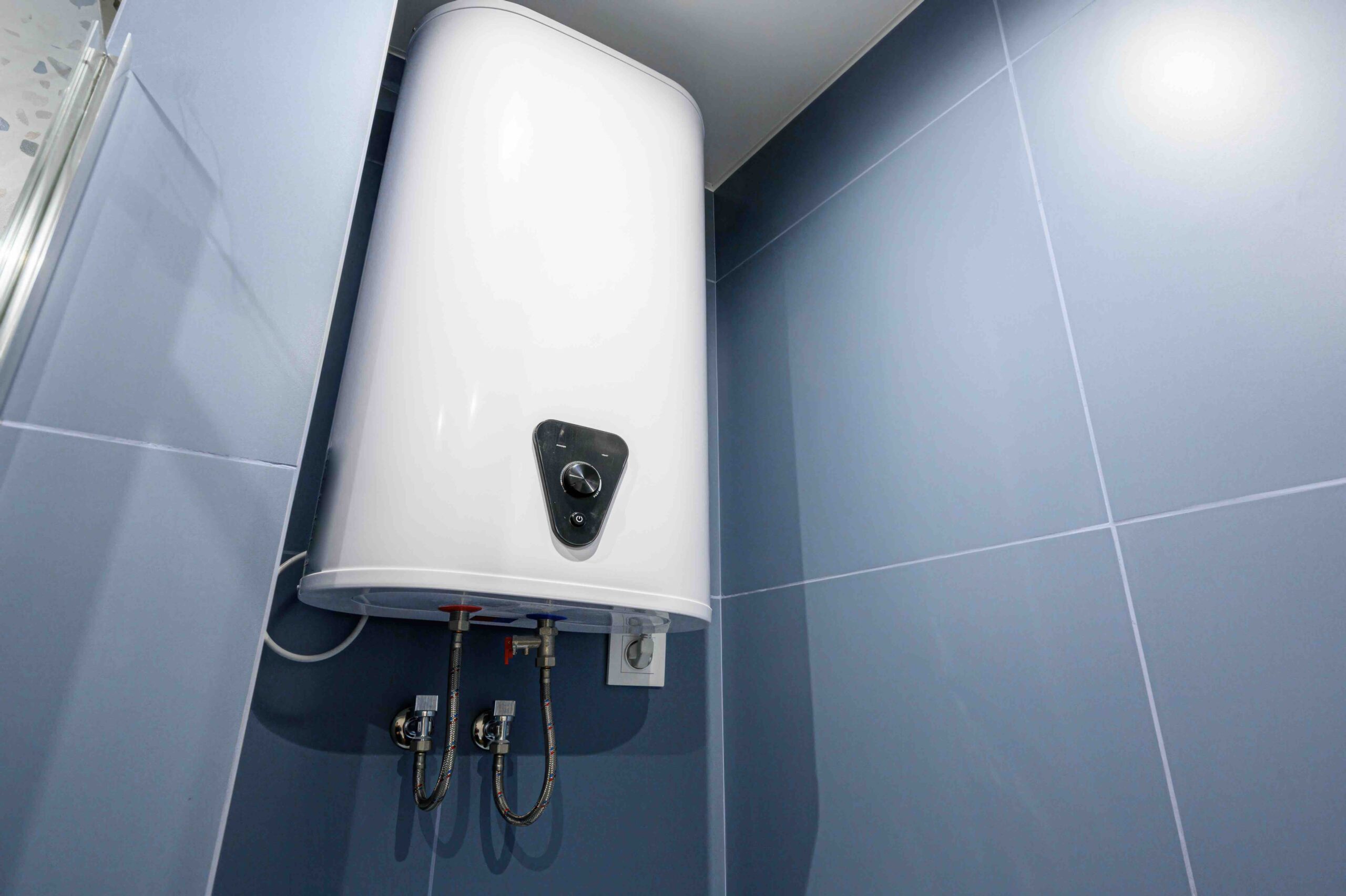
When Your Water Heater Stops Heating: What Every Homeowner Should Know
You turn on the shower, wait a few seconds longer than usual, and the water never gets warm. That slow realization that something is wrong with your water heater is one of the more frustrating moments homeownership hands you. It tends to happen at the worst possible time — early morning, right before guests arrive, or in the middle of winter. Understanding what is happening inside that tank, and knowing what your options are, can make a big difference between a panicked call to a plumber and a calm, informed decision about next steps.
How a Water Heater Actually Works
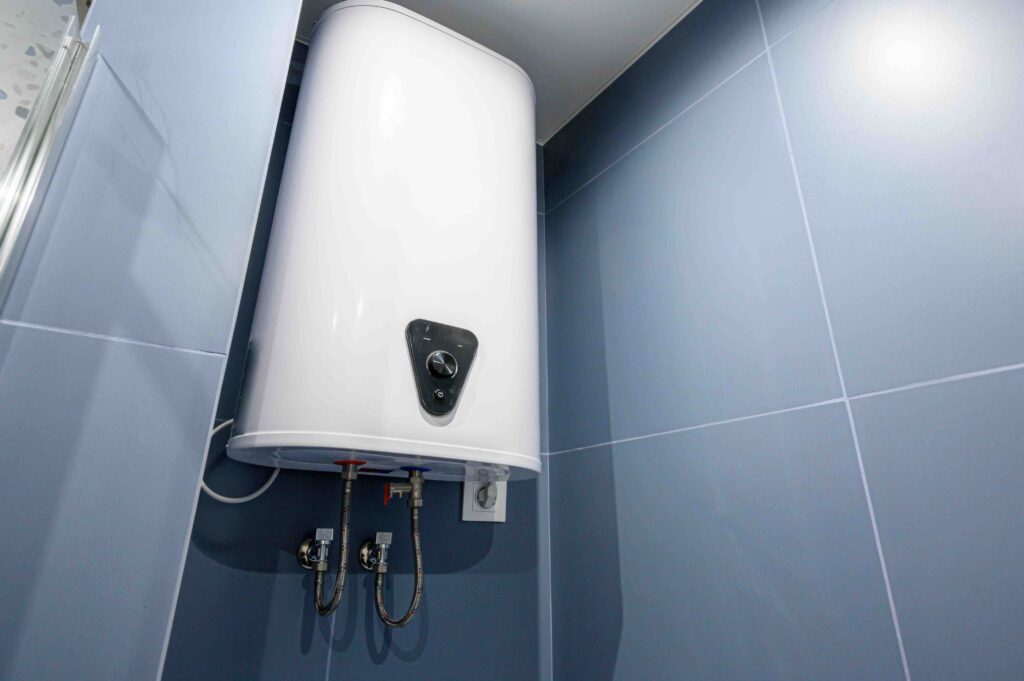
Most homes use a traditional tank-style water heater, which stores a set volume of water — typically between 40 and 80 gallons — and keeps it heated to a set temperature around the clock. Inside the unit, one or two heating elements (in electric models) or a gas burner assembly handle the actual heating. A thermostat regulates the temperature, and a component called the anode rod quietly works in the background to slow corrosion inside the tank. Tankless water heaters, which have grown in popularity, skip the storage approach entirely and heat water on demand as it passes through the unit. Both types are subject to wear, part failure, and eventual breakdown — and both can stop producing hot water when something goes wrong.
Common Reasons a Water Heater Stops Heating Water
There is rarely one single culprit when a water heater fails to heat water, but several issues come up more often than others. Understanding these can help you have a more productive conversation with a technician and better assess whether you are looking at a minor repair or a full replacement.
- Failed heating elements are one of the most frequent causes in electric water heaters — they simply burn out over time and stop transferring heat to the water.
- A tripped circuit breaker or blown fuse can cut power to an electric unit entirely, making it appear broken when the fix may be simple.
- In gas water heaters, a faulty pilot light or a failing thermocouple can prevent the burner from igniting, leaving you with cold water and no obvious indication why.
- Sediment buildup inside the tank, caused by mineral deposits from hard water, can insulate the water from the heating elements and dramatically reduce efficiency.
- A malfunctioning thermostat may be reading the wrong temperature and signaling the heater to stop warming water prematurely.
- A broken dip tube — the component that directs cold incoming water to the bottom of the tank — can cause cold and hot water to mix near the top, resulting in lukewarm output at the tap.
How Long Do Water Heaters Typically Last
Tank-style water heaters generally have a lifespan of eight to twelve years, sometimes longer with regular maintenance. Tankless models often last fifteen to twenty years. If your unit is approaching or past that range and showing signs of trouble, the economics of repair versus replacement become an important consideration. A water heater that has already failed once near the end of its expected lifespan is statistically more likely to fail again in the near future. Age alone is not always a reason to replace a unit, but it is a relevant data point when evaluating your options.

Steps to Take Before Calling a Technician
Not every cold-water situation requires an immediate service call. There are a few basic checks worth running before picking up the phone. Check the circuit breaker panel and confirm the breaker connected to your water heater has not tripped. If you have a gas unit, check whether the pilot light is still lit — most water heaters include instructions on the unit itself for relighting it. Inspect the thermostat settings on the unit to make sure the temperature has not been accidentally adjusted. If the water heater is producing some hot water but not enough, the issue may simply be that the demand in your household has outgrown the tank capacity. These are quick diagnostics that can save you both time and a service fee.
When Repair Makes Sense and When It Does Not
Repairs tend to make more sense when the unit is relatively new and the failed component is straightforward to replace. Heating elements, thermostats, thermocouples, and dip tubes are all relatively affordable parts, and replacing them can extend the life of a functioning unit by several years. Repairs become harder to justify when the tank itself has developed a leak, when corrosion is widespread, or when the unit is older than ten years. Tank leaks are particularly significant because water damage to surrounding areas can escalate quickly and bring a much larger repair bill than the water heater itself.
The Cost Reality of Water Heater Repairs and Replacements
Repair costs for a water heater can range from a relatively modest service visit for a thermostat or element replacement to several hundred dollars for more involved diagnostics and part swaps. A full replacement for a traditional tank-style unit typically falls between $900 and $1,800 installed, depending on the unit’s capacity, energy type, and regional labor rates. Tankless systems can run considerably higher, often starting around $1,500 and climbing past $3,000 depending on the complexity of the installation. These are not small numbers, and they have a way of arriving at inconvenient moments — which is precisely why having a plan in place before the failure happens is worth considering.
Maintenance Tips to Extend Your Water Heater’s Life
Routine maintenance does not eliminate failure, but it can delay it meaningfully. Flushing the tank once a year removes sediment buildup that degrades efficiency and accelerates corrosion. Checking the anode rod every two to three years — and replacing it when it has deteriorated — extends the life of the tank lining. Setting the thermostat to around 120 degrees Fahrenheit reduces both energy consumption and the rate of mineral buildup. Testing the pressure relief valve periodically ensures a critical safety component is functioning correctly. These tasks are not complicated, and most homeowners can handle them with basic tools and a little time.
How Home Warranty Coverage Applies to Water Heater Failures
A home warranty is a service contract that covers the repair or replacement of home systems and appliances when they break down due to normal wear and tear. Most comprehensive home warranty plans include water heater coverage, which means that when a heating element fails or the thermostat gives out, the cost of diagnosis, parts, and labor falls to the warranty provider rather than out of your pocket. This is meaningfully different from homeowners insurance, which covers sudden damage like a burst pipe but not the mechanical failure of the appliance itself. Understanding this distinction helps homeowners see why the two products serve different purposes and why having both is a reasonable approach to protecting a home.
Why Armadillo Is Worth Considering for Water Heater Protection
When a water heater fails, the last thing a homeowner needs is a complicated claims process or an unclear answer about what is covered. Armadillo was built to take the friction out of home warranty coverage — straightforward plans, real support, and coverage that actually makes sense for the systems that matter most in a home. Water heaters are exactly the kind of unexpected, expensive repair that a home warranty exists to address. If you want a clearer picture of what coverage looks like and what it costs, Armadillo home warranty plans for water heater coverage and essential home systems are worth exploring before your next repair bill arrives. You can also take a few minutes right now and get a free home warranty quote for water heater and appliance protection to see what a plan would look like for your specific home. Peace of mind, in this case, really does have a price — and it is usually a lot lower than the alternative.

Frequently Asked Questions About Water Heaters Not Heating Water
Why is my water heater running but not producing hot water?
If the unit is running but the water stays cold, the most likely causes are a failed heating element in an electric model, a faulty thermocouple or pilot light in a gas model, or a broken thermostat that is misreading the water temperature and cutting heat too early.
How do I know if my water heater needs to be repaired or replaced?
If the unit is under eight years old and the issue is an isolated component failure, repair is usually the right call. If the unit is older than ten years, is leaking from the tank, or has required multiple repairs recently, replacement is typically the more cost-effective long-term decision.
Does a home warranty cover a water heater that stops heating?
Most standard home warranty plans cover water heater failures caused by normal wear and tear, including heating element failures, thermostat issues, and similar mechanical breakdowns. Coverage details vary by plan, so reviewing the terms before a claim is always a good practice.
Can sediment in a water heater cause it to stop heating water?
Yes. Sediment buildup from hard water minerals can insulate the heating elements from the water inside the tank, reducing efficiency significantly and in some cases preventing effective heating altogether. Annual flushing helps prevent this issue.
What is the average lifespan of a residential water heater?
Traditional tank-style water heaters typically last between eight and twelve years. Tankless water heaters generally have a longer lifespan, often reaching fifteen to twenty years with proper maintenance.
Is it safe to use my home’s hot water if the water heater is malfunctioning?
If the unit simply is not producing hot water but is not leaking or making unusual noises, it is generally safe to continue using cold water while you arrange a service visit. However, if you notice leaking, burning smells, or unusual sounds, shut the unit off and contact a technician promptly.
How much does it cost to replace a water heater?
A traditional tank water heater replacement typically costs between $900 and $1,800 installed. Tankless models are generally more expensive, with installation costs ranging from $1,500 to over $3,000 depending on the unit and installation complexity.
What is a thermocouple and why does it matter for a gas water heater?
A thermocouple is a safety device in gas water heaters that detects whether the pilot light is lit. If the thermocouple fails, it signals the gas valve to shut off as a safety measure, which prevents the burner from igniting and leaves you without hot water.
How can I prevent my water heater from failing prematurely?
Regular maintenance is the most effective prevention strategy. This includes flushing the tank annually to remove sediment, inspecting and replacing the anode rod every two to three years, testing the pressure relief valve, and keeping the thermostat set to around 120 degrees Fahrenheit.
Does homeowners insurance cover a water heater that stops working?
Homeowners insurance typically does not cover mechanical failure of a water heater. It may cover water damage resulting from a sudden tank failure or burst pipe, but the breakdown of the appliance itself is generally outside the scope of a standard homeowners insurance policy, which is why a home warranty serves a distinct and complementary role.