Water Heater Repair: What Every Homeowner Should Know Before Calling a Pro
There are a handful of home systems that you genuinely do not think about until they stop working. The water heater is probably at the top of that list. One morning everything is fine, and the next you are standing in a cold shower wondering what went wrong. Water heater issues are among the most common service calls in the home warranty industry, and for good reason. These units work hard every single day, quietly heating water for showers, dishes, laundry, and more. When something breaks down, it tends to feel urgent. Understanding how your water heater works, what signs to watch for, and when to call in a professional can save you time, money, and a lot of frustration.
How a Water Heater Actually Works
Most homes have either a traditional tank water heater or a tankless unit, and the two operate quite differently. A traditional storage water heater holds a large reservoir of water, typically between 30 and 80 gallons, and keeps it at a set temperature around the clock. It uses either a gas burner or electric heating elements to maintain that temperature. A tankless water heater, on the other hand, heats water on demand. When you turn on a hot tap, cold water passes through the unit and gets heated in real time using either gas or electricity. Neither system is perfect, and both are subject to wear over time. Knowing which type you have is the starting point for understanding what might go wrong and why.
Common Signs Your Water Heater Needs Repair
Most water heater problems do not appear out of nowhere. They tend to announce themselves gradually, which gives homeowners a reasonable window to act before things get worse. There are several warning signs that indicate your unit may need professional attention.
- Inconsistent or insufficient hot water, especially if the tank is not meeting your household’s usual demand
- Rusty or discolored water coming from hot taps, which may indicate internal corrosion
- Unusual noises such as popping, rumbling, or banging sounds during heating cycles
- Visible leaks or pooling water around the base of the unit
- A persistent smell of sulfur or rotten eggs, which can signal a failing anode rod
- A pilot light that keeps going out on gas-powered units
- Noticeably higher energy bills without a change in usage habits
Any one of these issues warrants a closer look. More than one occurring at the same time is a strong signal that something needs to be repaired or possibly replaced entirely.
The Most Frequent Water Heater Repairs
Not every issue requires a full unit replacement. Many water heater problems are isolated to specific components that can be repaired or swapped out at a reasonable cost. The thermostat is a frequent culprit when water is not reaching the right temperature. Heating elements in electric units can burn out over time and typically need to be replaced. The anode rod, which is a sacrificial metal rod designed to prevent tank corrosion, depletes over the years and requires periodic replacement. The pressure relief valve is another component that can fail, and since it is a safety device, any malfunction there should be addressed immediately. On gas units, a faulty thermocouple can prevent the pilot light from staying lit. In many of these cases, a qualified technician can handle the repair in a single visit without needing to replace the entire water heater.
Tank vs. Tankless: Does the Type Affect Repair Needs?
The short answer is yes. Traditional tank water heaters are simpler in design and tend to have lower repair costs per incident, though they are more prone to sediment buildup and corrosion over time. Tankless units are more complex, with sophisticated electronics and flow sensors that can malfunction. They generally last longer than tank models, sometimes 20 years or more with proper maintenance, but when they do need repairs, the parts and labor tend to be more expensive. Both types benefit significantly from regular maintenance, including annual flushing to clear sediment and periodic inspection of components. Skipping maintenance is one of the most common reasons water heaters fail prematurely.

DIY vs. Professional Repair: Knowing the Line
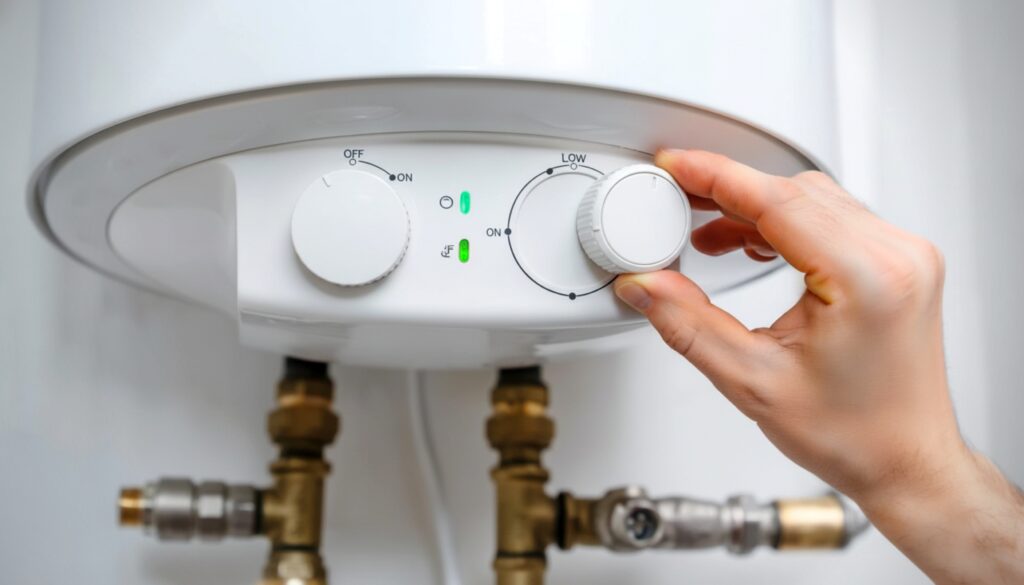
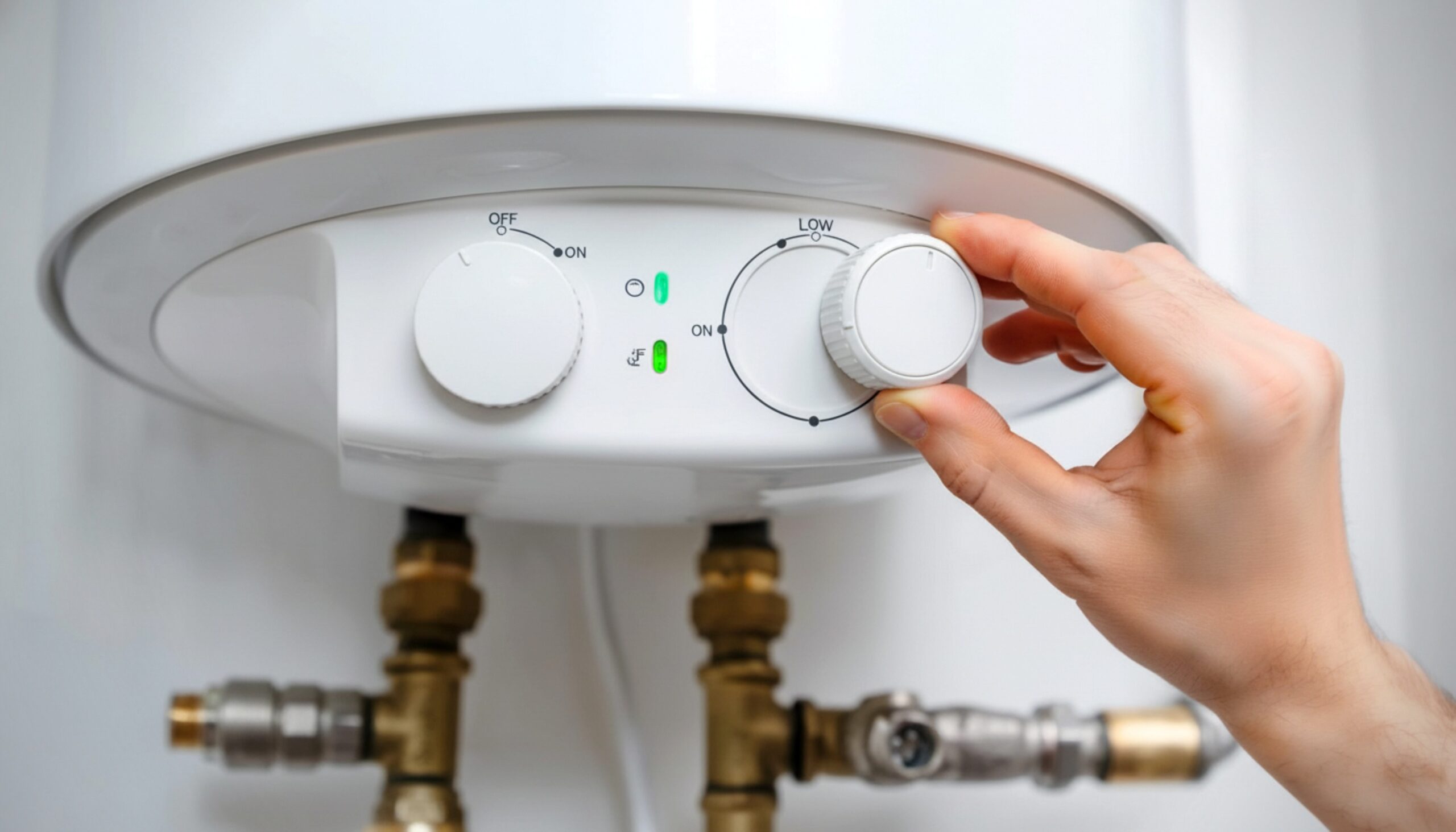
There is a real temptation to handle water heater issues yourself, and in a few specific situations that is a reasonable choice. Relighting a pilot light, for instance, is something most homeowners can do safely with the manufacturer’s instructions in hand. Adjusting the thermostat setting is another low-risk task. However, anything involving gas lines, electrical components, pressure relief valves, or internal tank work should be left to a licensed plumber or HVAC technician. Water heaters operate under pressure and involve either combustible gas or high-voltage electricity. The risk of injury or property damage from an improper DIY repair is not worth the potential savings. When in doubt, call a professional.
How Much Does Water Heater Repair Cost?
Repair costs vary widely depending on the type of unit, the specific issue, and local labor rates. Minor repairs such as replacing a thermostat or heating element typically fall in the range of $150 to $300. More involved work, such as replacing a gas valve or a full set of components on a tankless unit, can run between $400 and $700 or more. Emergency service calls outside of normal business hours will almost always carry an additional fee. For homeowners without a plan in place, an unexpected water heater repair can feel like a financial curveball. This is one of the reasons many homeowners choose to protect their major systems with a home warranty, which is designed specifically to reduce the financial impact of these kinds of unplanned repairs.
How Long Should a Water Heater Last?
The average lifespan of a traditional tank water heater is somewhere between 8 and 12 years. Tankless models, with consistent maintenance, can last 15 to 20 years. The actual lifespan of any given unit depends heavily on water quality, usage patterns, maintenance history, and the quality of the original installation. Hard water, which contains elevated levels of minerals like calcium and magnesium, accelerates sediment buildup and can shorten a unit’s life significantly. Installing a water softener or using a descaling treatment periodically can help. If your water heater is approaching the upper end of its expected lifespan and requiring more frequent repairs, it may be more cost-effective to replace it rather than continue investing in repairs.
Practical Maintenance Tips to Extend Water Heater Life
Regular maintenance is the single most effective way to get the most out of your water heater. A few simple habits can add years to the life of your unit and reduce the likelihood of an unexpected breakdown. Flushing the tank annually removes sediment that accumulates at the bottom and reduces heating efficiency. Testing the pressure relief valve once a year ensures it is functioning correctly as a safety device. Inspecting the anode rod every two to three years and replacing it when depleted protects the tank lining from corrosion. Keeping the area around the unit clear improves ventilation and reduces safety risks. Setting the thermostat to around 120 degrees Fahrenheit is both energy-efficient and sufficient for most household needs.
Why a Home Warranty Makes Sense for Water Heater Owners
Water heaters are one of the most commonly covered items under a home warranty plan, and for good reason. They fail without warning, they are expensive to repair or replace, and nearly every home has one. If you are looking for reliable coverage that actually holds up when something breaks, Armadillo home warranty plans for water heater repair and replacement are built with homeowners in mind. There are no confusing tiered coverage structures or surprise exclusions buried in the fine print. When your water heater fails, the last thing you want is to spend an hour on hold or argue with an adjuster. Armadillo keeps the process straightforward, the communication clear, and the service fast. If you have been putting off getting coverage or are simply tired of wondering what a major repair might cost you out of pocket, now is a good time to take a closer look and get a free home warranty quote that covers your water heater today. Peace of mind should not be complicated to find.

Frequently Asked Questions About Water Heater Repair
Below are answers to the most common questions homeowners ask about water heater repair, maintenance, and coverage.
How do I know if my water heater needs to be repaired or replaced?
If your unit is under 10 years old and experiencing an isolated issue, repair is usually the better option. If the unit is older, requiring repeated repairs, or showing widespread signs of corrosion or failure, replacement is likely more cost-effective in the long run.
Why is my water heater making a popping or rumbling noise?
Those sounds typically indicate sediment buildup at the bottom of the tank. As the heating element warms water trapped beneath the sediment, it creates that noise. Flushing the tank can resolve the issue in many cases.
What causes a water heater to leak?
Leaks can originate from loose fittings, a failing pressure relief valve, a corroded tank, or deteriorating connections at the inlet or outlet pipes. A leak at the base of the tank often indicates internal corrosion, which typically means the unit needs to be replaced.
Is it safe to use my water heater if it is leaking?
A leaking water heater should be addressed immediately. Turn off the power supply or gas to the unit and shut off the cold water inlet valve. Contact a licensed technician before using the unit again. Ignoring a leak can lead to water damage, mold growth, or a safety hazard.
How often should a water heater be serviced?
Most manufacturers and plumbers recommend annual maintenance, which includes flushing the tank, inspecting the anode rod, testing the pressure relief valve, and checking all connections. Tankless units may also require descaling depending on your local water hardness.
Does a home warranty cover water heater repairs?
Many home warranty plans include water heater coverage for both repairs and replacements. Coverage specifics vary by provider, so it is important to review what components are included and whether both tank and tankless units are eligible under the plan you choose.
How long does a typical water heater repair take?
Most standard repairs, such as replacing a heating element, thermostat, or thermocouple, can be completed in one to two hours. More complex repairs involving gas components, tankless unit electronics, or significant corrosion may take longer or require a follow-up visit.
Can hard water damage my water heater?
Yes. Hard water accelerates mineral and sediment buildup inside the tank, which reduces efficiency, strains heating components, and shortens the overall lifespan of the unit. Installing a water softener or performing more frequent maintenance can help offset this effect.
What temperature should I set my water heater to?
The U.S. Department of Energy recommends 120 degrees Fahrenheit for most households. This temperature is energy-efficient, reduces the risk of scalding, and is sufficient for typical domestic hot water needs. Higher settings increase both energy costs and the risk of burns.
How can I extend the life of my water heater?
Consistent annual maintenance is the most effective approach. Flushing the tank, replacing the anode rod on schedule, testing the pressure relief valve, and addressing minor issues before they escalate will all contribute to a longer-lasting, more efficient unit.