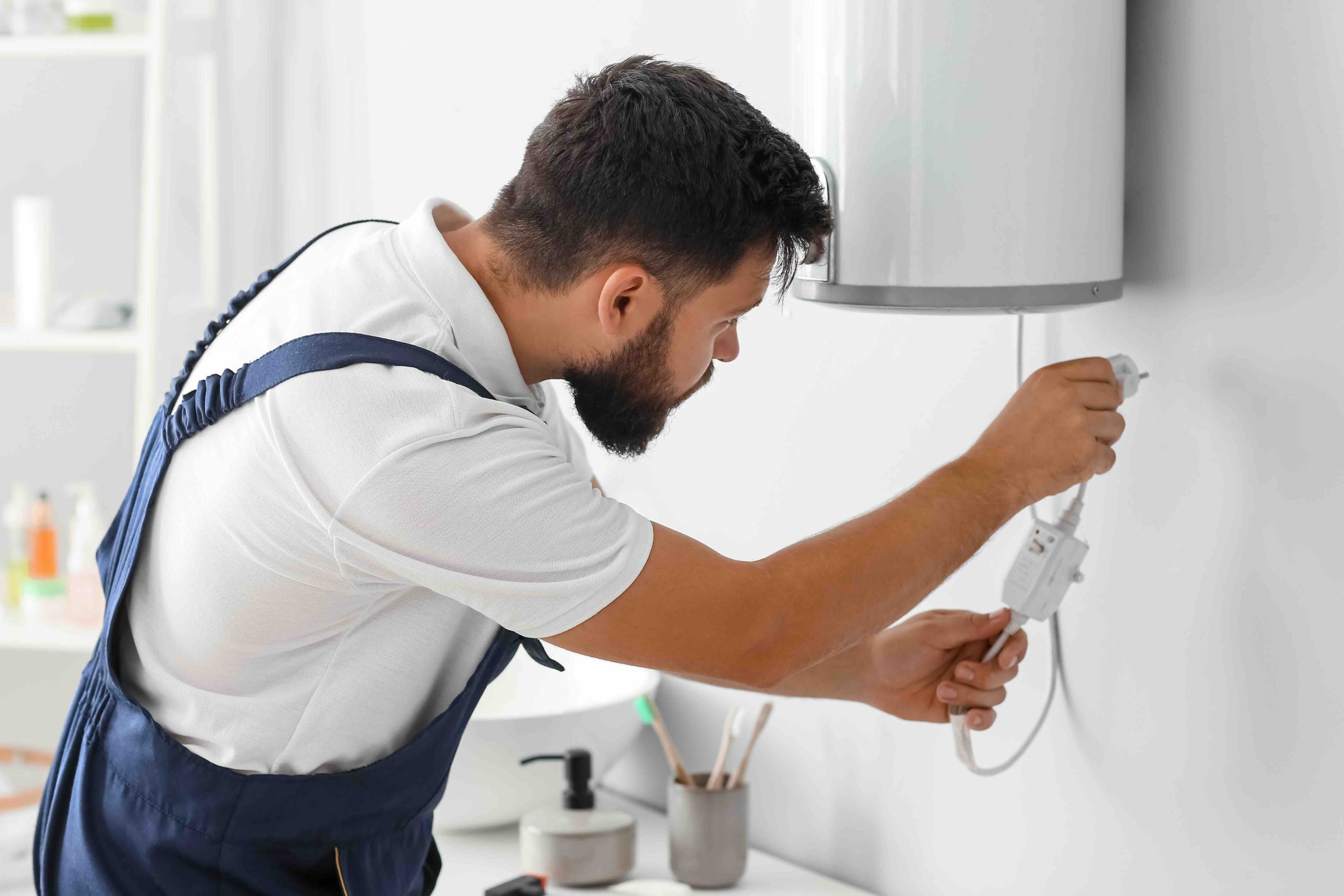
When Your Water Heater Stops Heating: What Every Homeowner Should Know
Cold water pouring out of a supposedly hot faucet is one of those home moments that genuinely stops your morning in its tracks. You stand there, hand under the stream, waiting for warmth that never comes. It is frustrating, inconvenient, and a little alarming. The good news is that a water heater that stops heating is one of the more common home appliance issues, and understanding why it happens puts you in a much stronger position to handle it. Whether you are troubleshooting right now or just want to be prepared, this guide walks you through the whole picture.
How a Water Heater Actually Works
Before diagnosing anything, it helps to understand what is going on inside the tank. Traditional storage water heaters, whether gas or electric, work by pulling cold water into an insulated tank and heating it to a set temperature, usually somewhere between 120 and 140 degrees Fahrenheit. Gas models use a burner at the base of the tank, while electric models use one or two heating elements submerged inside. A thermostat regulates the temperature, signaling the burner or elements to kick on when water cools below the target. Tankless, or on-demand, water heaters work differently and heat water instantly as it flows through, but they face some of the same failure points. Once you understand what each component does, you can start narrowing down what might have gone wrong.
Common Reasons a Water Heater Stops Producing Hot Water
There is rarely just one explanation. The cause often depends on whether your unit is electric or gas, how old it is, and whether the issue appeared suddenly or gradually. Here are the most frequently seen culprits:
- Tripped circuit breaker or blown fuse affecting an electric water heater
- Failed heating element, which is the most common electric water heater problem
- Faulty thermostat that is no longer reading or regulating temperature correctly
- Pilot light that has gone out on a gas water heater
- Malfunctioning thermocouple that is preventing the pilot from staying lit
- Sediment buildup inside the tank that is insulating water from heat
- A tripped high-limit safety switch, also called a reset button
- A failing or failed dip tube that allows cold and hot water to mix inside the tank
Some of these issues are inexpensive and quick to fix. Others signal that the unit is nearing the end of its useful life, which for most traditional water heaters falls somewhere between 8 and 12 years. Age is always part of the conversation.
Signs That Something Specific Has Failed
Not all no-hot-water situations look the same. Sometimes you get lukewarm water rather than nothing at all, which often points to a single failed heating element rather than a total system failure. If you are running out of hot water faster than you used to, sediment buildup or a degraded dip tube is a likely explanation. A complete absence of hot water on an electric unit usually sends you toward the breaker panel or the upper heating element. On a gas unit, no hot water almost always starts with checking the pilot light. Rumbling or popping sounds from the tank before the failure point to sediment as a major factor. Strange smells, particularly something like rotten eggs on a gas heater, may indicate a different problem entirely and should be addressed promptly by a professional.

What You Can Safely Check Yourself
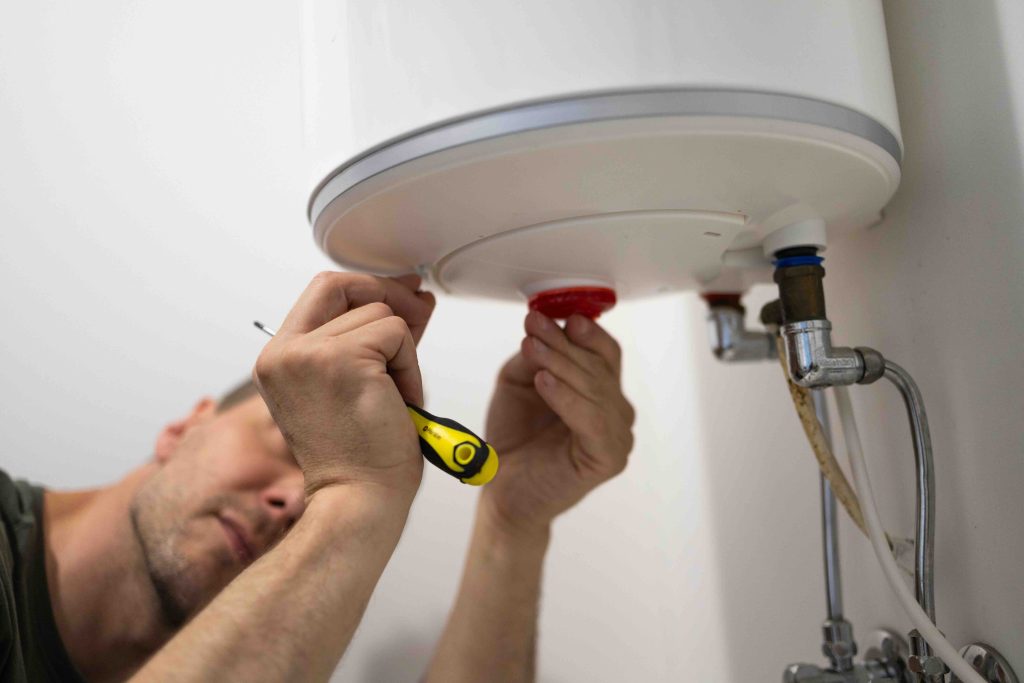
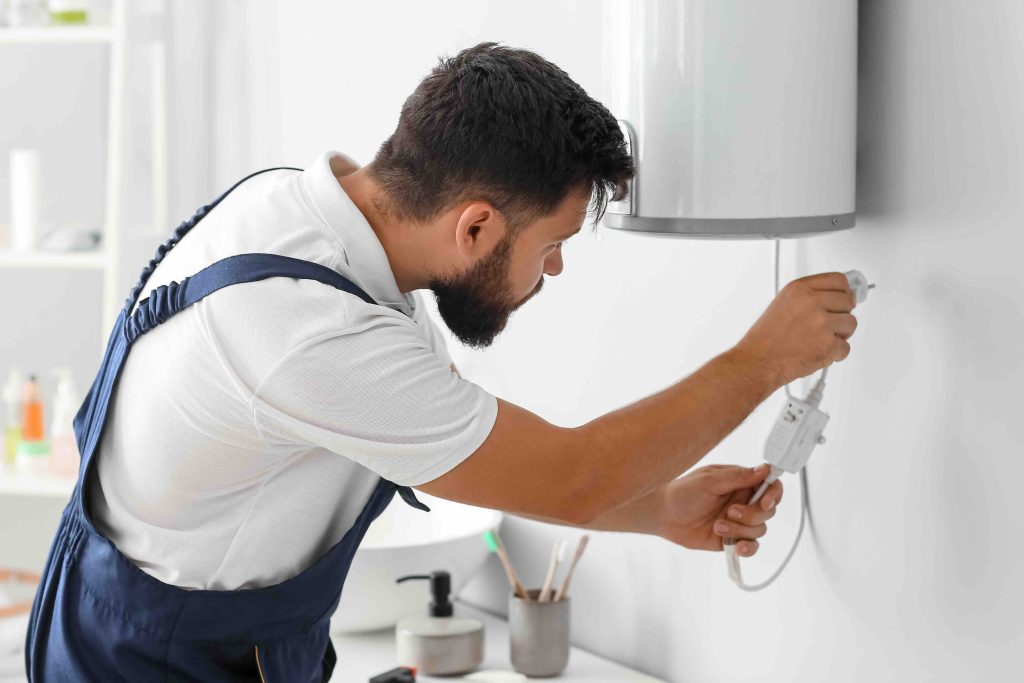
There is a reasonable amount a homeowner can do before picking up the phone. On an electric water heater, start by checking the circuit breaker. If it has tripped, reset it and see if that resolves the issue. Most electric water heaters also have a reset button, typically a red button located on the upper thermostat behind an access panel. Press it firmly and listen for a click. If your unit is gas, check whether the pilot light is lit. Modern units have relighting instructions printed directly on the unit. Following those steps carefully is safe for most homeowners. Turning the thermostat up slightly, flushing sediment by attaching a hose to the drain valve, and visually inspecting the area around the unit for leaks are all reasonable starting points. What you should not do is attempt to replace a heating element or a gas valve without the proper knowledge, tools, and safety precautions.
When to Call a Professional
There are clear thresholds where professional help becomes the right call. If you have checked the breaker, pressed the reset button, and confirmed the pilot situation and you still have no hot water, a technician needs to take over. Any work involving gas lines, internal wiring, or pressure relief valves falls into that category. If the unit is leaking from the tank itself rather than from a connection, that typically signals a corroded tank and the unit needs to be replaced, not repaired. A professional assessment will also tell you whether repair makes financial sense relative to the age and condition of the unit. Repairs on a unit that is already 10 or more years old are sometimes a short-term solution to an inevitable replacement.
The Real Cost of Water Heater Repairs
Repair costs vary widely depending on what failed and what type of unit you have. A thermocouple replacement on a gas water heater might cost between 100 and 200 dollars including labor. Replacing a heating element on an electric unit often falls in a similar range. A new thermostat, gas valve, or control board can push costs higher, sometimes between 200 and 500 dollars with labor. A full unit replacement for a traditional 40 to 50 gallon storage tank heater typically runs between 900 and 1,500 dollars installed, and tankless units cost considerably more. These are not small numbers, and they tend to arrive without much warning, which is part of why home warranty coverage attracts so much interest among homeowners.
How Home Warranties Apply to Water Heater Failures
A home warranty is a service contract that covers the repair or replacement of major home systems and appliances when they break down due to normal wear and use. Water heaters are among the most commonly covered items, and for good reason. They are mechanical systems with components that wear out over time, and when they fail, the cost can be significant. Under a standard home warranty plan, if your water heater stops heating due to a covered mechanical failure, you file a claim, pay a service fee, and a technician is dispatched to diagnose and repair or replace the unit. The key phrase is covered mechanical failure. Most warranties cover the internal functional components but may exclude certain conditions like pre-existing problems, improper installation, or lack of maintenance. Reading the coverage terms carefully matters more than most people realize.
Maintenance Habits That Extend Water Heater Life
A water heater that is maintained consistently will almost always outlast one that is ignored. A few simple practices go a long way toward preventing the kind of failure that leaves you standing under a cold shower. Flushing the tank annually to remove sediment buildup, checking the anode rod every two to three years and replacing it when significantly corroded, testing the pressure relief valve periodically, and keeping the area around the unit clear and dry are all meaningful steps. Setting the thermostat to 120 degrees is also recommended, as temperatures above that threshold accelerate wear on internal components. None of these tasks are particularly complicated, but they require intention and consistency. Homeowners who treat water heater maintenance as a seasonal checklist item tend to get significantly more life out of their units.
Why Armadillo Is the Right Call When Your Water Heater Fails
When a water heater stops working, you want answers and action, not paperwork and waiting. That is exactly the space where Armadillo’s home warranty coverage for water heaters and major home systems is built to operate. Armadillo was designed to cut through the frustrating fine print and slow service calls that have given the home warranty industry a complicated reputation. The coverage is transparent, the claim process is straightforward, and the service network is built around actually resolving the problem. If you are currently dealing with a failed water heater or simply looking ahead and thinking about what happens the next time something breaks, this is a good moment to take a practical step. You can get a personalized water heater and home systems warranty quote from Armadillo in just a few minutes, without committing to anything. Having a plan in place before something breaks is always the smarter position to be in.

Frequently Asked Questions About Water Heater Not Heating and Home Warranty Coverage
Why is my water heater running but not producing hot water?
The most common causes are a failed heating element on an electric unit, an extinguished pilot light on a gas unit, a tripped reset button, or a faulty thermostat. Each of these prevents the water from reaching the correct temperature even though the unit appears to be operating.
Does a home warranty cover a water heater that stops heating?
Most home warranty plans cover water heater failures caused by normal mechanical wear, including failed heating elements, thermostats, and thermocouples. Coverage details vary by provider and plan, so reviewing the specific terms before assuming coverage is important.
How long does a typical water heater last?
Traditional tank water heaters generally last between 8 and 12 years with proper maintenance. Tankless units can last 15 to 20 years. Age is a significant factor in repair versus replacement decisions.
Can I reset my water heater myself?
Yes. Most electric water heaters have a red reset button on the upper thermostat behind an access panel. Pressing it firmly after the unit has tripped is a safe first step. If the unit continues to trip repeatedly, that signals a deeper issue requiring professional service.
What causes a water heater to run out of hot water faster than usual?
Sediment accumulation at the bottom of the tank is a frequent cause, as it reduces the effective heating capacity. A failed dip tube that allows cold water to mix with heated water near the outlet is another common reason hot water runs out more quickly.
Is it worth repairing an older water heater or better to replace it?
If the unit is more than 8 to 10 years old and the repair cost exceeds roughly half the cost of a new unit, replacement is generally the more practical choice. A technician can help assess whether the remaining components are likely to remain reliable after a repair.
What maintenance should I do to prevent my water heater from failing?
Flush the tank annually to remove sediment, inspect and replace the anode rod every two to three years, test the pressure relief valve periodically, and keep the thermostat set to 120 degrees Fahrenheit to reduce component stress.
Will a home warranty cover a water heater that needs to be fully replaced?
Many home warranty plans include replacement coverage when a covered component failure makes repair impractical or impossible. The replacement benefit may have caps or limits, so understanding the specific terms of your plan before a failure occurs is advisable.
How much does it cost to repair a water heater that is not heating?
Costs range from around 100 to 500 dollars depending on what failed and whether the unit is electric or gas. Full unit replacement typically costs between 900 and 1,500 dollars installed for a standard storage tank model, with tankless units running significantly higher.
How do I know if my water heater failure is covered under my home warranty?
Review your home warranty contract for language covering water heaters, specifically the list of covered components and any listed exclusions. Failures due to pre-existing conditions, improper installation, or lack of required maintenance are commonly excluded. When in doubt, contact your provider directly before scheduling a service call.