What Does a Dehumidifier Do for Your Health and Your Home?
Most homeowners think about air quality in terms of dust or allergens floating around, but moisture is just as important — maybe more so. Excess humidity inside a home creates a slow-moving chain reaction of problems, and a lot of people do not connect those problems back to the air they are breathing every single day. A dehumidifier addresses that directly. It pulls excess moisture from indoor air and, in doing so, creates an environment that is measurably better for your health, your comfort, and the structure of your home itself. Understanding what a dehumidifier actually does — and whether it fits your situation — is one of those decisions that seems small until it is not.
How a Dehumidifier Actually Works
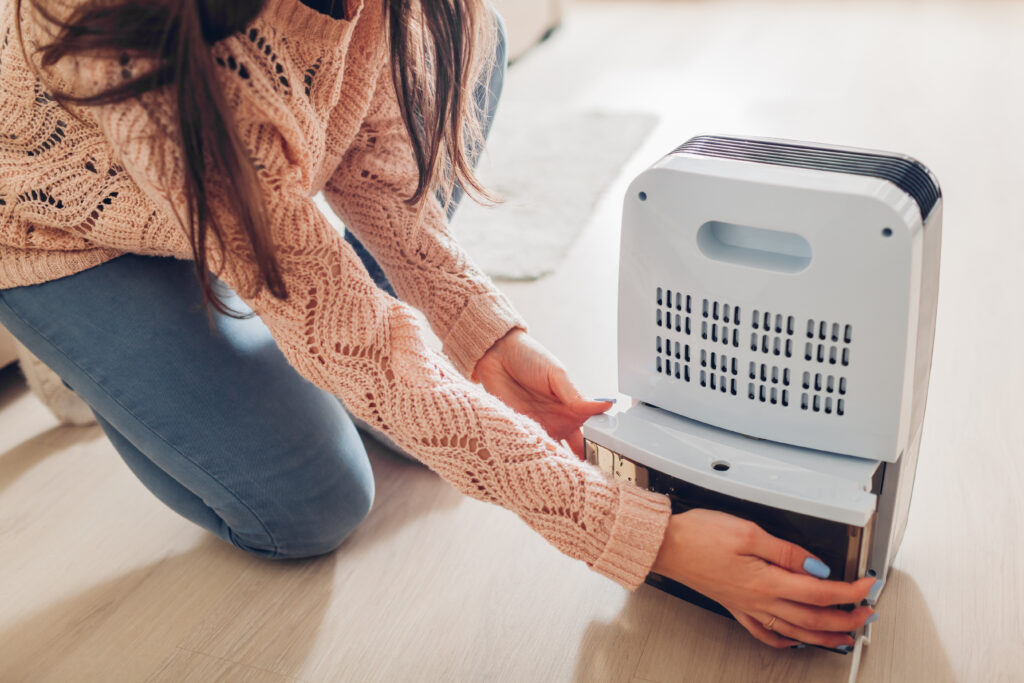
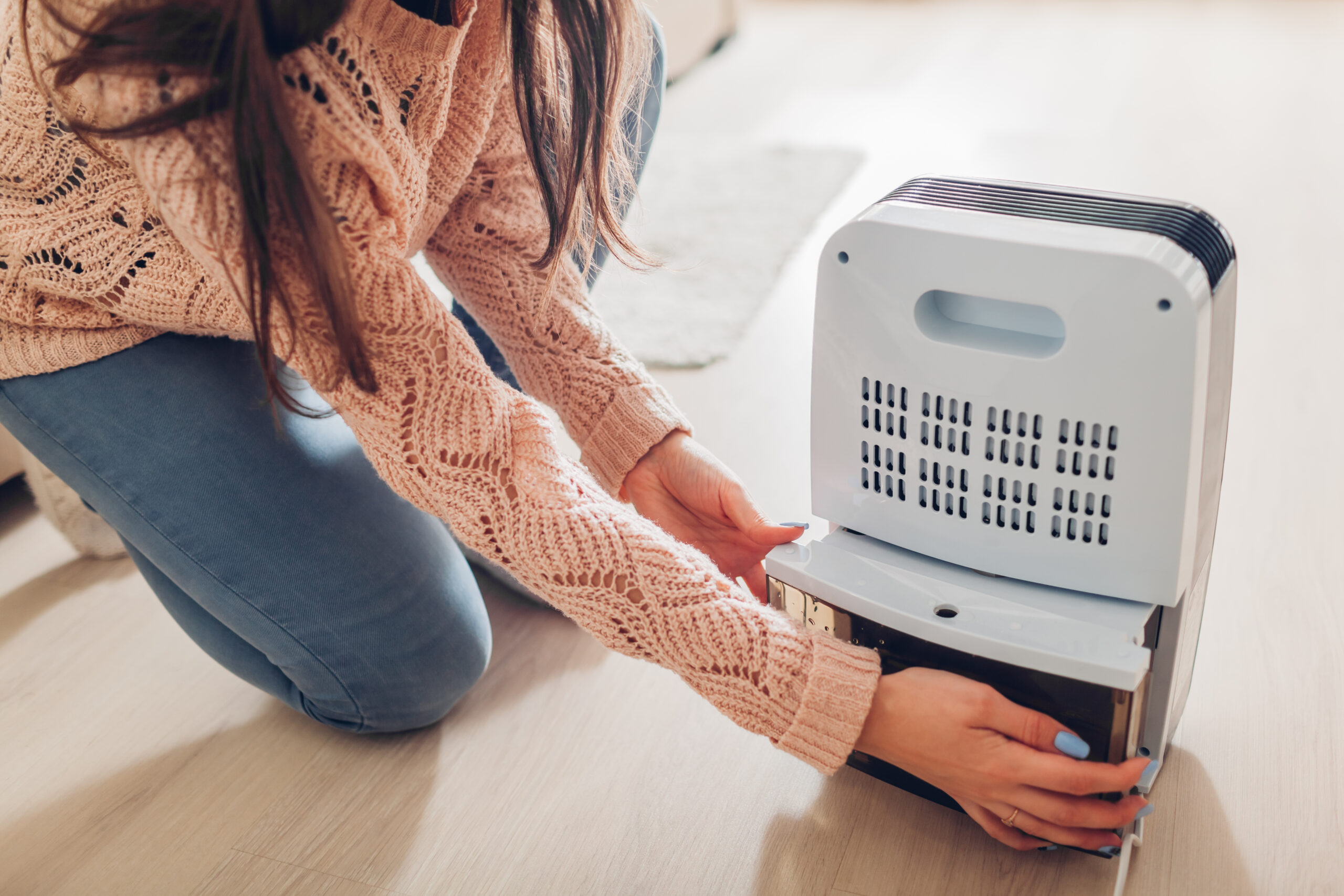
The mechanics are straightforward. A dehumidifier draws in humid air through a fan, passes that air over a set of cooled coils, and causes the moisture to condense into liquid water. That water collects in a reservoir or drains out through a hose, and the now-drier air gets pushed back into the room. Some units use a refrigerant-based system similar to an air conditioner, while others use a desiccant material that absorbs moisture chemically. Refrigerant models are the most common for residential use and work best in warmer indoor environments. Desiccant models tend to perform better in colder spaces, like basements during winter months. Either way, the outcome is the same: the relative humidity in your home drops to a healthier, more manageable level.
The Health Benefits of Controlling Indoor Humidity
This is where things get genuinely important. High indoor humidity — typically anything above 60 percent — creates ideal conditions for mold growth, dust mites, and bacteria. These are not minor nuisances. Mold spores can trigger respiratory issues, allergic reactions, and in sensitive individuals, more serious health complications. Dust mites thrive in humid environments and are one of the leading triggers for asthma symptoms. Running a dehumidifier consistently keeps relative humidity in the 30 to 50 percent range, which is widely considered the healthy zone for indoor air. People who deal with chronic allergies, asthma, or sinus issues often report noticeable improvement after introducing a dehumidifier to their living space. It is not a cure, but it removes a significant environmental stressor.
What High Humidity Does to Your Home Over Time
Beyond personal health, moisture accumulation causes real structural damage — and that damage tends to be expensive. Wood swells and warps. Paint bubbles and peels. Metal components rust. Insulation loses its effectiveness when it becomes saturated. Perhaps most alarming, persistent moisture creates the conditions for mold colonies to establish themselves inside walls, under flooring, and in ceiling materials where they are invisible but actively causing harm. Basements and crawl spaces are particularly vulnerable. Homeowners often discover mold or wood rot only when a renovation uncovers it, by which point the remediation cost can be substantial. A dehumidifier positioned in high-risk areas is a proactive measure that costs far less than the alternative.

Signs Your Home Needs a Dehumidifier
Not every home needs one, but many do — and the signs are often easy to spot if you know what to look for. Condensation forming on windows, a persistent musty smell in certain rooms, visible mold on walls or ceilings, and warping wood floors are all indicators that humidity levels are out of control. You might also notice that your home feels sticky or heavy, even with the air conditioning running. Allergy symptoms that worsen indoors rather than outdoors are another signal worth paying attention to. A basic hygrometer, which is a tool that measures relative humidity, can give you a clear picture of what you are dealing with. These are inexpensive and widely available, and the reading will tell you more than guessing ever could.
Whole-Home vs. Portable Dehumidifiers
There are two main categories of residential dehumidifiers, and choosing between them depends on the size of the problem you are solving. Portable units are self-contained appliances you can move from room to room. They are a practical starting point for most homeowners — affordable, easy to set up, and effective in smaller areas like bedrooms, laundry rooms, or finished basements. Whole-home dehumidifiers, on the other hand, integrate directly into your HVAC system and treat air throughout the entire house. These require professional installation and carry a higher upfront cost, but they operate more efficiently, require less day-to-day maintenance, and provide consistent results across every room simultaneously. For homes with persistent, widespread humidity issues, a whole-home unit is generally the more effective long-term solution.
Key Advantages of Running a Dehumidifier
- Reduces mold and mildew growth by removing the moisture those organisms depend on
- Decreases dust mite populations, which directly benefits allergy and asthma sufferers
- Protects structural elements like wood framing, flooring, and drywall from moisture damage
- Improves the efficiency of your air conditioning system by reducing the load humidity places on it
- Creates a more comfortable indoor environment, particularly during hot and humid summer months
- Helps protect stored belongings in basements and closets from moisture-related deterioration
Common Drawbacks to Be Aware Of
- Portable units require regular emptying of water reservoirs, which can become tedious without a continuous drain setup
- Dehumidifiers consume electricity, and running one continuously adds to your monthly utility costs
- Units generate heat as a byproduct, which can be noticeable in smaller, enclosed spaces during warmer months
- Filters and coils require periodic cleaning to maintain performance and prevent the unit from circulating dust
- Whole-home systems involve a professional installation process and a higher initial investment
- In very cold environments, refrigerant-based units can ice over and lose effectiveness without a built-in defrost feature
Dehumidifiers and Your Home Warranty Coverage
Here is something most homeowners do not think about until it is too late. A dehumidifier, particularly a whole-home unit integrated into your HVAC system, is a real appliance with real mechanical components — and those components can fail. Motors burn out. Compressors stop working. Electrical components short. When that happens, repair or replacement costs can add up quickly, especially for systems that are embedded in your ductwork. Standard homeowners insurance typically does not cover mechanical breakdowns. That gap is exactly where a home warranty earns its place. Depending on your plan, a home warranty may cover the repair or replacement of your dehumidifier, protecting you from unexpected out-of-pocket expenses when the equipment you rely on stops doing its job.

Why Armadillo Is the Smart Choice for Homeowners Managing Indoor Air Quality
Managing your home’s humidity is a smart investment in both your health and your property — but smart investments deserve protection. When your dehumidifier, HVAC system, or other essential home systems break down unexpectedly, repair bills do not wait for a convenient moment. Armadillo was built specifically for homeowners who want straightforward, honest coverage without the fine-print frustration that tends to define the home warranty industry. If you are serious about protecting the systems that keep your home comfortable and livable, explore Armadillo’s home warranty plans for HVAC and appliance coverage to understand what is actually included and how the process works. When you are ready to take that next step, you can get a free home warranty quote tailored to your home’s systems and location in just a few minutes. No pressure, no guesswork — just coverage that makes sense for the home you have worked hard to maintain.
Frequently Asked Questions About Dehumidifiers and Home Health
What does a dehumidifier do for your health specifically?
A dehumidifier reduces indoor humidity levels, which directly limits the growth of mold, mildew, and dust mites — all common triggers for allergies, asthma, and respiratory irritation. Maintaining humidity between 30 and 50 percent creates a healthier breathing environment for most people.
What humidity level should I maintain in my home?
The generally recommended indoor relative humidity range is between 30 and 50 percent. Levels above 60 percent encourage mold growth and dust mite activity, while levels below 30 percent can cause dry skin, irritated airways, and damage to wood furniture and flooring.
Where should I place a dehumidifier in my home?
Place a portable dehumidifier in the area with the highest moisture concentration first — typically a basement, crawl space, laundry room, or bathroom. Position it away from walls to allow proper airflow and ensure the drainage path is clear if using a continuous drain setup.
How long does it take for a dehumidifier to make a difference?
Most homeowners notice a difference in comfort and air quality within 24 to 48 hours of running a properly sized unit. Reaching and maintaining an ideal humidity range can take a few days depending on the size of the space and the severity of the moisture problem.
Is a dehumidifier the same as an air purifier?
No. A dehumidifier removes moisture from the air, while an air purifier filters out particulates like dust, pollen, and pet dander. Both improve indoor air quality but address different problems. Some households benefit from running both simultaneously.
Can a dehumidifier help with mold that already exists?
A dehumidifier helps prevent new mold growth and slows the spread of existing mold by eliminating the moisture mold needs to survive. However, it does not remove mold that has already formed. Existing mold colonies require proper remediation before a dehumidifier can be fully effective.
Does a dehumidifier use a lot of electricity?
Energy consumption varies by unit size and runtime. A mid-capacity portable unit typically uses between 300 and 700 watts. Running it continuously will add to your utility bill, though the cost is generally offset by reduced strain on your air conditioning system and prevention of costly moisture damage.
Are whole-home dehumidifiers covered by home warranties?
Coverage depends on the specific home warranty plan. Whole-home dehumidifiers that are integrated into an HVAC system may be covered under HVAC system provisions. It is important to review your plan’s terms or speak with your warranty provider to confirm what is included.
How often does a dehumidifier need maintenance?
Portable units should have their filters cleaned every two to four weeks and their coils inspected periodically. The water reservoir needs to be emptied regularly unless a continuous drain is connected. Whole-home units integrated into HVAC systems follow the maintenance schedule of the broader system, typically once or twice a year.
What size dehumidifier do I need for my home?
Sizing is based on the square footage of the space and the severity of the humidity problem. A general guideline is 30 pints per day for a moderately damp space up to 1,500 square feet, scaling up from there. For whole-home coverage, a professional HVAC assessment will provide the most accurate recommendation.