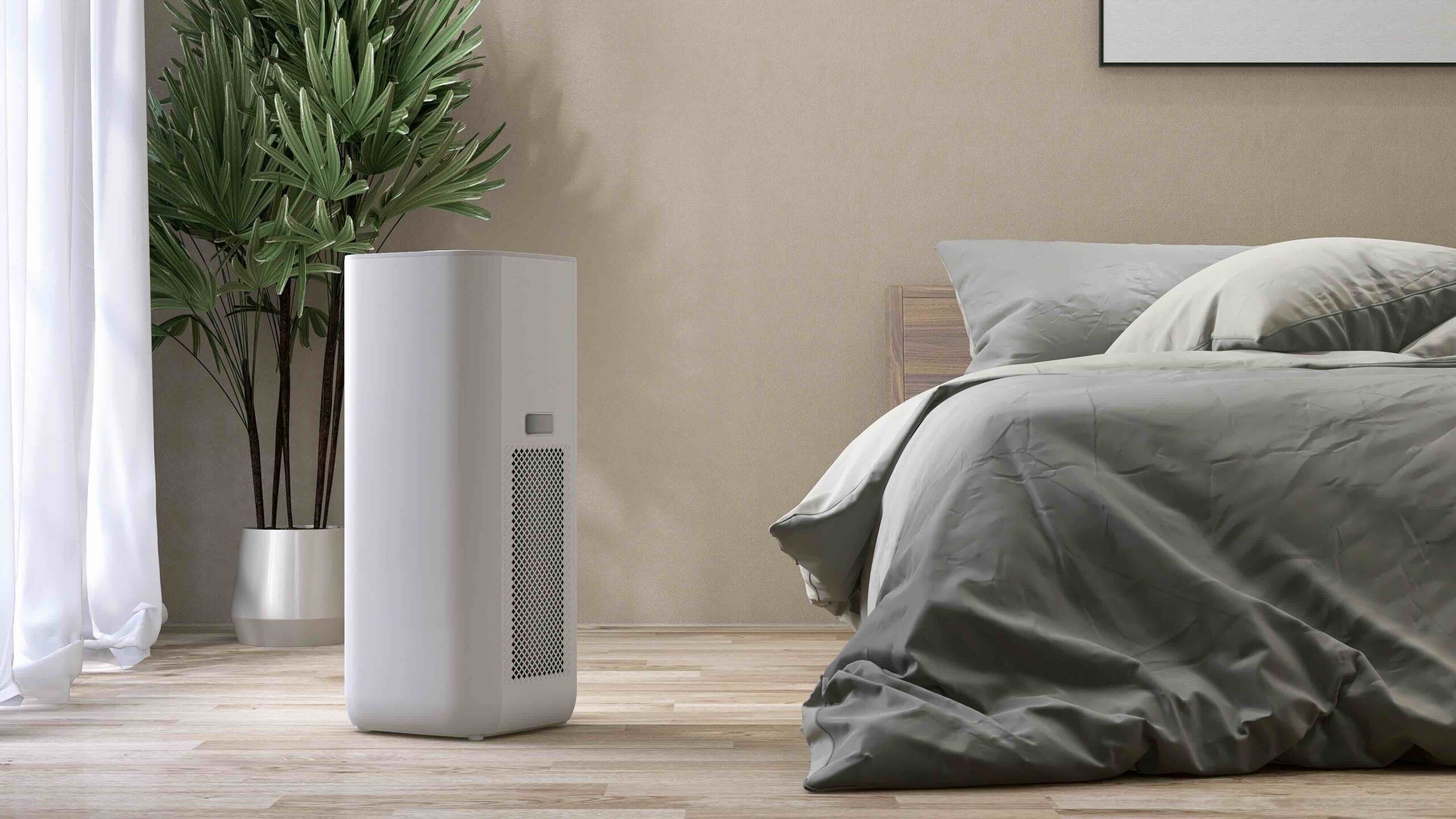
What Does a Dehumidifier Do — And Does Your Home Actually Need One?
Moisture is one of those invisible problems that tends to get ignored until it becomes a very visible one. A water stain on the ceiling, a musty smell in the basement, condensation collecting on the inside of your windows — these are all signs that humidity levels inside your home may be working against you. That is where a dehumidifier comes in. It is not the most exciting appliance in the house, but it might be one of the most quietly important ones. Understanding what it does, how it works, and what it costs to maintain could save you a significant headache down the road.
The Basics: What a Dehumidifier Actually Does
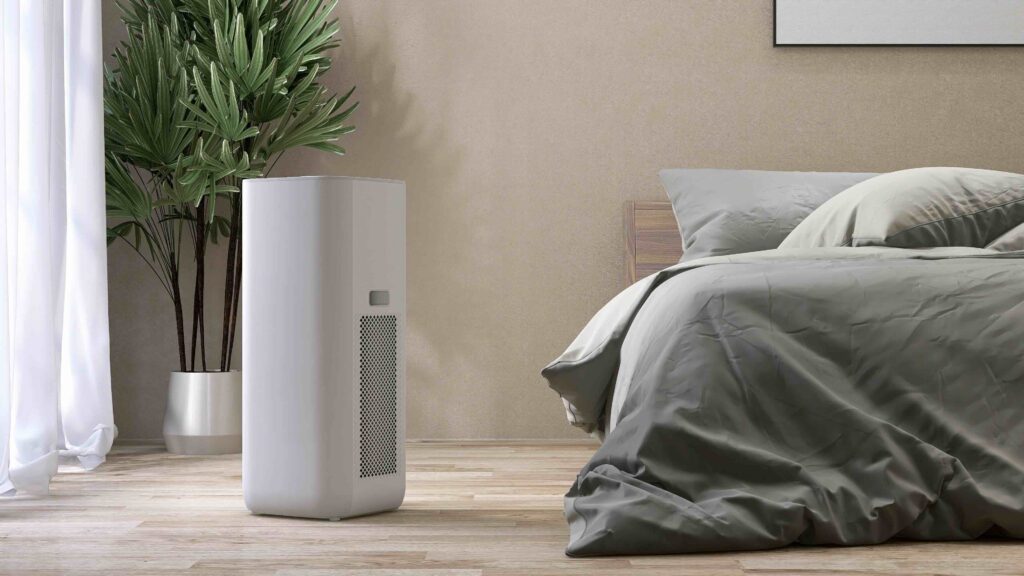
A dehumidifier removes excess moisture from the air inside your home. The goal is to bring indoor relative humidity down to a comfortable, healthy range — generally somewhere between 30 and 50 percent. When humidity climbs above that range consistently, it creates conditions where mold, mildew, dust mites, and structural damage can all take hold. The dehumidifier works against all of that by pulling humid air through the unit, extracting the water, and releasing drier air back into the space. Simple in concept, genuinely useful in practice.
How a Dehumidifier Works: The Mechanics Behind the Machine
Most residential dehumidifiers operate using a refrigerant-based process that is not all that different from how your air conditioner works. Warm, humid air from the room is drawn in by a fan and passed over a set of cold coils. When warm air contacts those cold coils, the moisture condenses — think of how a cold glass of water beads up on a hot summer day. That condensed water drips into a collection bucket or drains out through a hose. The now-drier air is then reheated slightly as it passes over a second set of coils and released back into the room. There are also desiccant dehumidifiers, which use moisture-absorbing materials instead of refrigerant, and these tend to perform better in cooler temperatures. Most homeowners, however, will be working with the refrigerant-style units.

Where Dehumidifiers Are Most Commonly Used in the Home
Not every room in your house has the same moisture profile. Some spaces are naturally more prone to humidity buildup, and those are the areas where a dehumidifier tends to make the biggest difference. Knowing where to place one — or whether a whole-home unit makes more sense — is worth thinking through before you buy.
- Basements and crawl spaces, which often collect ground moisture and have limited airflow
- Bathrooms without proper exhaust ventilation
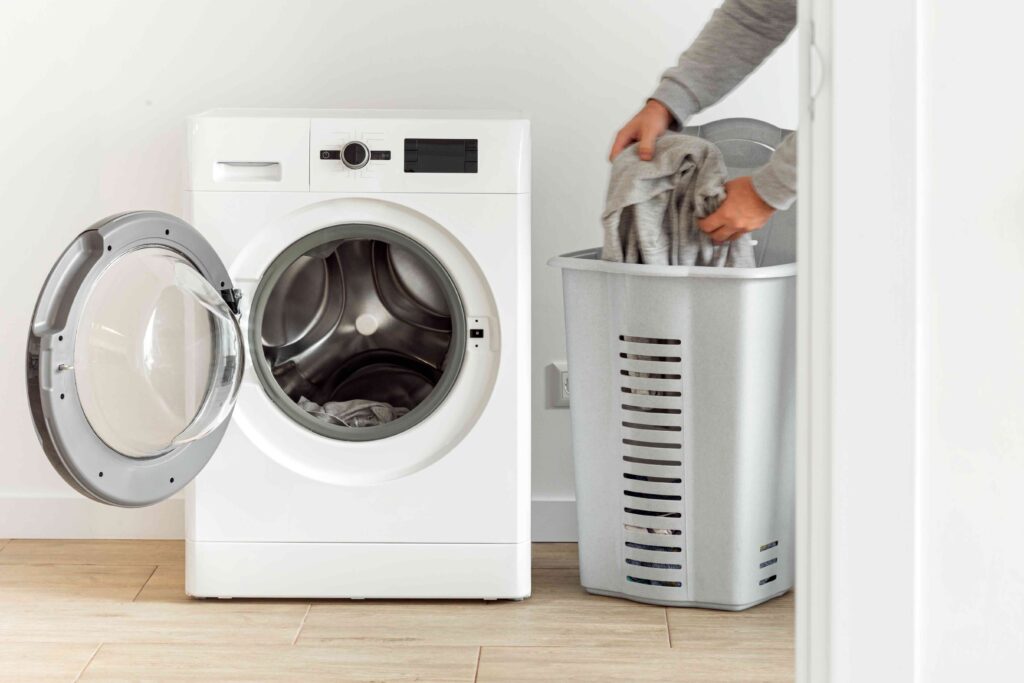
- Laundry rooms where dryer exhaust or damp clothes contribute to humidity
- Homes in coastal or high-humidity climates where outdoor moisture seeps inside
- Any space that has experienced past water damage or flooding
The Real Advantages of Running a Dehumidifier
There is a reason homeowners who install dehumidifiers tend to stick with them. The benefits are not abstract — they show up in the air quality you breathe, the condition of your home’s materials, and sometimes even your energy bills. When humidity is well-managed, your air conditioning system does not have to work as hard to make the air feel comfortable. That can translate to modest but real savings over time. Beyond energy efficiency, reduced moisture means a less hospitable environment for mold and dust mites, which is especially meaningful for people with allergies or respiratory sensitivities. Wood floors, furniture, and structural materials all fare better in properly humidified environments. Less warping, less cracking, less deterioration over time.
Common Drawbacks You Should Know Before Buying
Dehumidifiers are useful, but they are not without their trade-offs. The most immediate consideration is noise — these units run a fan and a compressor, and depending on the model and size, they can be noticeable in quieter spaces. They also consume electricity, so running one continuously in a large basement will reflect on your monthly utility bill. Portable units require regular emptying of the water collection bucket unless you set up a drain hose, which adds a small but real maintenance task to your routine. Filters need to be cleaned periodically, and like any appliance with mechanical components, dehumidifiers can develop issues over time — compressor failures, refrigerant leaks, fan motor problems. These repairs are not always cheap, which brings up an important point about protecting the investment.
Portable vs. Whole-Home Dehumidifiers: Which One Is Right for You
This is genuinely one of the first decisions you need to make, and it comes down to the scope of your humidity problem. Portable dehumidifiers are exactly what they sound like — self-contained units you can move from room to room. They are less expensive upfront, easier to install, and perfectly adequate for targeted moisture issues in a single space. Whole-home dehumidifiers, on the other hand, integrate directly into your HVAC system and treat the air throughout the entire house as it circulates. They are more expensive to purchase and require professional installation, but they are also more powerful, quieter in day-to-day operation, and generally less hands-on from a maintenance standpoint. For homes with pervasive humidity issues, the whole-home route is often the more effective long-term solution.
Sizing a Dehumidifier Correctly — It Matters More Than You Think
Buying the wrong size dehumidifier is one of the most common mistakes homeowners make. A unit that is too small for the space it is covering will run constantly without adequately controlling moisture. One that is oversized may cycle on and off too frequently and wear out faster. Dehumidifier capacity is measured in pints of water removed per day. A moderately damp space of around 500 square feet might need a 30-pint unit, while a very damp basement of 1,500 square feet could require a 70-pint model. Always account for ceiling height, airflow conditions, and how severe the humidity problem actually is when determining the right capacity for your situation.
Maintenance Tips to Keep Your Dehumidifier Running Efficiently
Like every appliance in your home, a dehumidifier performs best when it receives consistent care. Neglecting maintenance is the fastest path to reduced performance and premature failure. Fortunately, the upkeep is straightforward once you know what to stay on top of.
- Clean or replace the air filter every one to three months depending on usage and air quality
- Empty the water collection bucket before it reaches capacity to prevent overflow and keep the unit running
- Check the drain hose periodically for clogs or kinks if your unit uses continuous drainage
- Inspect the coils annually for frost buildup, which can indicate the unit is running in temperatures that are too low
- Keep the exterior clean and ensure adequate clearance around the unit for proper airflow
How Armadillo Helps You Protect the Appliances That Keep Your Home Comfortable
A dehumidifier works hard for your home — sometimes running around the clock during humid months — and like any mechanical appliance, it will eventually need repairs or replacement. That is a cost most homeowners do not budget for until the bill arrives. Armadillo is built around the idea that home protection should be straightforward, honest, and genuinely useful. Whether it is a dehumidifier, your HVAC system, your water heater, or any number of other essential home systems, unexpected breakdowns happen. Having coverage in place before something goes wrong is what separates a manageable situation from a stressful one. If you are looking into home warranty plans that cover major appliances and home systems, Armadillo offers transparent coverage options without the fine-print frustration. You can take two minutes and get a free home warranty quote for appliance and system protection to see exactly what coverage looks like for your home. No pressure, no runaround — just clarity.

Frequently Asked Questions About Dehumidifiers
Answers to the most common questions homeowners have about dehumidifiers, how they work, and how to get the most out of them.
What level of humidity should a dehumidifier be set to?
Most experts recommend maintaining indoor relative humidity between 30 and 50 percent. A setting around 45 percent is a practical target for most homes, balancing comfort with moisture control.
Should a dehumidifier run constantly?
Not necessarily. A properly sized dehumidifier should cycle on and off as needed to maintain your target humidity level. If it runs continuously without reaching the set humidity, the unit may be undersized for the space.
Where is the best place to put a dehumidifier?
Place a portable dehumidifier in the area with the highest moisture concentration — typically a basement, crawl space, or bathroom. Keep it away from walls and furniture to allow adequate airflow around the unit.
How much electricity does a dehumidifier use?
Energy consumption varies by unit size and usage. A mid-size 50-pint dehumidifier typically uses between 300 and 700 watts per hour. Running it 12 hours a day could add roughly $20 to $50 per month to your electricity bill depending on local rates.
Can a dehumidifier help with mold?
Yes. Mold thrives in environments with relative humidity above 60 percent. By keeping indoor humidity below 50 percent, a dehumidifier creates conditions where mold growth is significantly less likely to occur.
How often should I clean my dehumidifier?
Clean the air filter every one to three months and wipe down the unit’s interior and coils at least once a season. If you use a collection bucket, rinse it regularly to prevent mold or bacterial growth inside the tank.
Do dehumidifiers work in cold temperatures?
Refrigerant-based dehumidifiers lose efficiency below about 65 degrees Fahrenheit and may frost over in temperatures below 60 degrees. For cold spaces like unheated basements in winter, a desiccant dehumidifier performs better in those conditions.
Is a whole-home dehumidifier worth the cost?
For homes with consistent, widespread humidity issues, a whole-home dehumidifier integrated into the HVAC system is often more cost-effective long term than running multiple portable units. Installation costs range from $1,500 to $3,000 or more depending on the system.
How long does a dehumidifier typically last?
With proper maintenance, a quality residential dehumidifier should last between five and ten years. Whole-home units integrated into HVAC systems often have longer service lives when maintained as part of regular HVAC upkeep.
Does a dehumidifier help with musty smells?
Yes. Musty odors in basements and other enclosed spaces are usually caused by mold, mildew, or bacteria growing in damp conditions. Reducing humidity eliminates the moisture those organisms need to thrive, which typically resolves the odor over time.