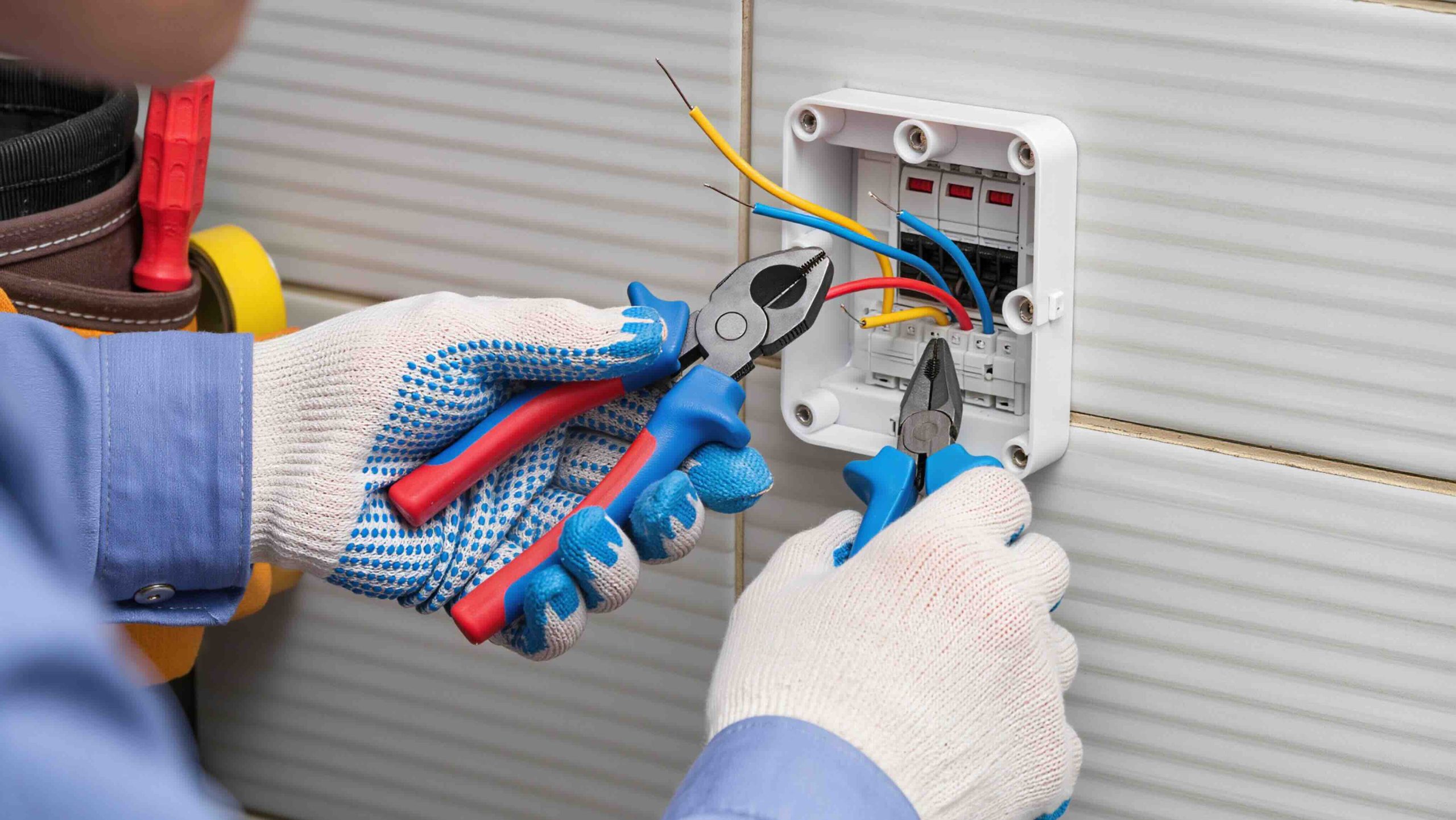
What Does It Mean When a Circuit Breaker Trips?
You flip on the coffee maker, the microwave starts humming, and then — nothing. The lights go out, the kitchen goes quiet, and somewhere in your home, a circuit breaker has decided it has had enough. If you have lived in a house for more than a few years, this has probably happened to you. The good news is that a tripped breaker is one of the more manageable electrical events a homeowner can deal with. The better news is that understanding why it happens can help you prevent it, respond to it correctly, and know when to call in a professional before a minor inconvenience becomes a serious problem.
What Is a Circuit Breaker and Why Does It Exist?
A circuit breaker is a safety device built into your home’s electrical panel. Its entire job is to monitor the flow of electricity through a specific circuit and shut that circuit off automatically if something goes wrong. Think of it as a very attentive gatekeeper that is always watching for signs of trouble. When the current passing through a circuit exceeds safe levels, the breaker trips, which means it switches itself off to interrupt the flow of electricity. This prevents overheating, which could otherwise damage wiring, appliances, or in worst-case scenarios, start a fire. It is genuinely one of the more important safety features in your home, even if it does not get nearly enough credit for it.
The Three Main Reasons a Breaker Trips
Not all tripped breakers are created equal. The cause behind the trip matters quite a bit, and there are three primary culprits worth knowing about.
- Overloaded Circuit: This is the most common cause. It happens when too many devices draw power from the same circuit simultaneously. Running a hair dryer, space heater, and vacuum on the same circuit at the same time is a classic setup for an overload.
- Short Circuit: A more serious situation where a hot wire comes into direct contact with a neutral wire, creating an unintended path for electricity. This usually produces a popping sound and sometimes a burning smell. Short circuits can result from faulty wiring, damaged outlets, or defective appliances.
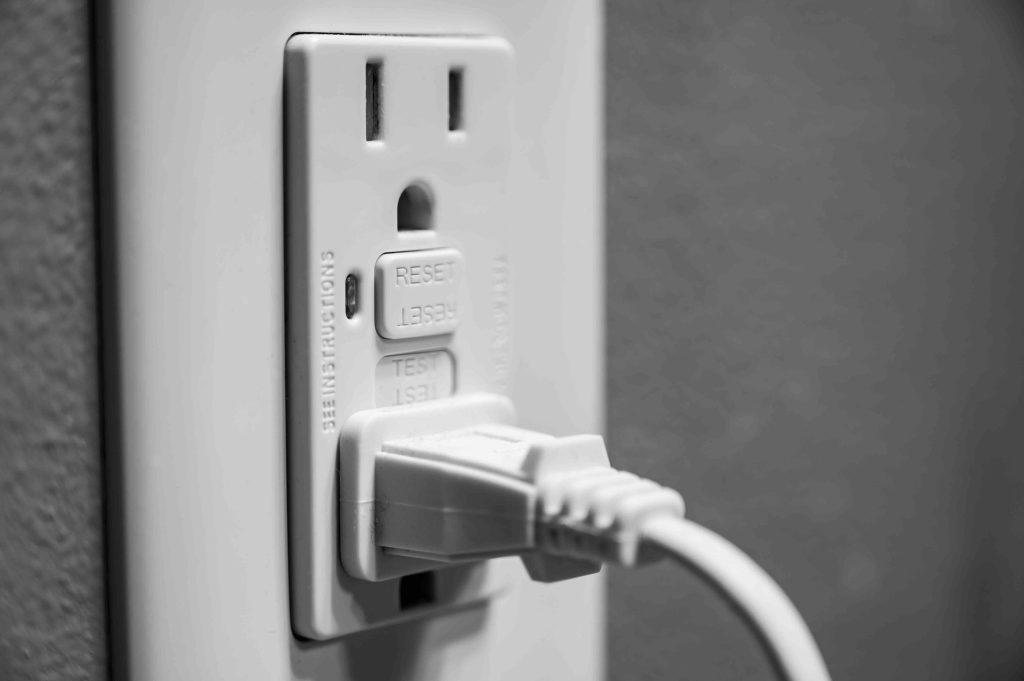
- Ground Fault: Similar to a short circuit, a ground fault occurs when a hot wire contacts a ground wire or a grounded surface. These are especially dangerous in areas near water, which is why ground fault circuit interrupters are required in kitchens and bathrooms.

How to Safely Reset a Tripped Breaker
Resetting a tripped breaker is something most homeowners can handle without calling an electrician, as long as the situation is straightforward. First, locate your electrical panel, which is usually found in a garage, basement, utility room, or hallway closet. Open the panel door and look for a breaker that is in a middle position between ON and OFF, or one that is clearly switched to OFF when all others are ON. Before you reset it, unplug or turn off any appliances on that circuit to reduce the load. Then firmly push the breaker all the way to the OFF position before switching it back to ON. If it trips again immediately, that is your signal to stop and consult a licensed electrician rather than keep resetting it.
Signs Your Breaker Problem Is More Than Just Overload
Sometimes a tripping breaker is pointing to something that deserves more attention than a simple reset. Knowing the warning signs can make a real difference in how quickly you respond. If a breaker trips repeatedly on the same circuit without an obvious cause like too many devices running at once, there may be a wiring issue inside the walls. A breaker that feels warm or hot to the touch, or one that produces a burning smell, should be evaluated by a professional right away. Visible scorch marks around outlets or the panel itself are also red flags. These are not situations to wait on, because aging or damaged electrical systems can escalate quickly.
The Role of Your Electrical Panel in All of This
Your electrical panel is the central hub of your home’s electrical system. It receives power from the utility company and distributes it through individual circuits to different parts of your home. Each breaker in the panel corresponds to a specific zone, such as the kitchen, master bedroom, or HVAC system. Older homes may still have panels that were not designed to handle the electrical demands of modern appliances and technology. Panels with a capacity of 100 amps or less may struggle to keep up, and they tend to trip more frequently as a result. If your panel is outdated, upgrading it could reduce nuisance tripping and improve overall safety significantly.
Practical Tips for Preventing Breaker Trips at Home
Prevention is straightforward once you understand what causes the problem in the first place. A few consistent habits can dramatically reduce how often your breakers trip.
- Distribute high-draw appliances across multiple circuits rather than plugging everything into the same room or outlet cluster.
- Avoid using extension cords as permanent solutions, since they can mask overloading problems without actually solving them.
- Have your electrical panel inspected every few years, especially if your home is older than 20 years or you have added major appliances recently.
- Consider adding dedicated circuits for high-demand equipment like refrigerators, washers, dryers, and home office setups.
- Replace any appliances that have frayed cords, unusual smells, or intermittent behavior, as these can cause short circuits that trip breakers.
When Breaker Trips Signal a Need for Electrical System Repairs
There is a meaningful difference between a breaker that trips because you ran too many things at once and a breaker that trips because something is wrong with your home’s electrical infrastructure. The former is a behavioral issue. The latter is a mechanical one. Worn breakers can lose their ability to hold a circuit even under normal load conditions, and at that point the breaker itself needs to be replaced. Wiring that has been chewed by pests, damaged during renovations, or degraded over decades can also cause persistent tripping. These types of repairs fall into a category that goes beyond a reset and requires a licensed electrician to diagnose and fix properly.
How a Home Warranty Connects to Electrical System Coverage
Here is where things get practically useful for homeowners. A home warranty is a service contract that covers the repair or replacement of major home systems and appliances when they break down due to normal wear and tear. Electrical systems, including wiring and circuit breakers, are commonly included in comprehensive home warranty plans. If your breaker panel develops a fault or a breaker fails through normal use, a home warranty can help offset the cost of professional repair rather than leaving you to pay out of pocket. Given that electrical repairs can range from a few hundred dollars to several thousand depending on the scope, having that coverage in place is genuinely worth considering.
If your home’s electrical system has been giving you trouble, or you simply want to stop worrying about what happens when something fails, Armadillo home warranty plans that cover electrical systems and more are built to give homeowners real protection without the headaches. Coverage is straightforward, service requests are easy to submit, and the focus is always on getting your home back to normal as fast as possible. Taking a few minutes to get a free home warranty quote for electrical system protection could be one of the smarter decisions you make for your home this year. Peace of mind around something as foundational as your electrical system is not a luxury. It is just good homeownership.

Frequently Asked Questions About Tripped Circuit Breakers
Below are answers to some of the most common questions homeowners have about circuit breakers, tripping, and what to do when the power cuts out unexpectedly.
What does it mean when a circuit breaker trips?
A circuit breaker trips when it detects an unsafe level of electrical current flowing through a circuit. It automatically shuts off power to that circuit to prevent overheating, electrical fires, or damage to appliances and wiring.
Is it safe to reset a tripped circuit breaker?
Yes, in most cases it is safe to reset a tripped breaker. Turn off or unplug devices on that circuit first, push the breaker fully to the OFF position, and then switch it back to ON. If it trips again immediately, contact a licensed electrician.
Why does my circuit breaker keep tripping with nothing plugged in?
If a breaker trips repeatedly with minimal or no load on the circuit, the issue is likely a faulty breaker, damaged wiring, or a short circuit somewhere in the circuit. This should be inspected by a professional electrician.
Can a tripped breaker cause damage to appliances?
A tripped breaker is designed to protect appliances, not damage them. However, if a short circuit or surge caused the trip, the appliance involved may already have sustained internal damage worth inspecting.
How do I know which breaker controls which room?
Most electrical panels have a label inside the door that maps each breaker to a specific area or circuit in the home. If your panel is unlabeled, you can use a circuit tester or non-contact voltage detector to identify which breaker corresponds to which outlets.
How long does a circuit breaker last?
Circuit breakers typically have a lifespan of 30 to 40 years under normal conditions. However, breakers that trip frequently may wear out sooner. If your panel is aging, having it evaluated by an electrician is a worthwhile investment.
Does a home warranty cover circuit breaker repairs?
Many comprehensive home warranty plans include coverage for electrical systems, which can include circuit breakers and wiring. Coverage specifics vary by provider and plan, so reviewing your contract details is always recommended.
What is the difference between a tripped breaker and a blown fuse?
A tripped breaker can be reset by hand, while a blown fuse must be physically replaced. Older homes may still use fuse boxes instead of modern breaker panels. Both serve the same protective function, but breaker panels are far more common and practical in today’s homes.
Can I replace a circuit breaker myself?
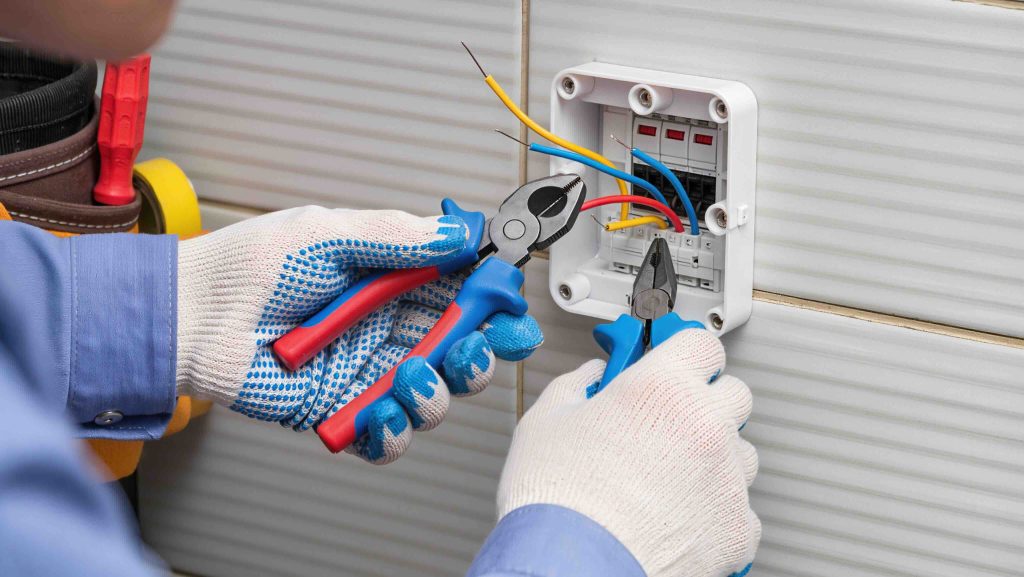
Replacing a circuit breaker involves working inside a live electrical panel, which carries serious risk of shock or injury. This work should be performed by a licensed electrician to ensure safety and code compliance.
When should I consider upgrading my electrical panel?
Consider upgrading your panel if it is 20 or more years old, if breakers trip frequently without clear cause, if you are adding major appliances or an electric vehicle charger, or if a home inspector has flagged it as outdated or undersized for your home’s current electrical demand.