What Is a Plumbing Diverter and Why Does It Matter in Your Home?
Most homeowners have used a plumbing diverter without ever knowing what it was called. That little lever or knob on a bathtub faucet that redirects water from the spout up to the showerhead — that is a diverter. It sounds simple because, in concept, it is. But diverters do more work than they get credit for, and when one fails, the frustration is immediate and hard to ignore. Understanding what a diverter does and how it fits into your home’s plumbing system can help you spot problems early, make smarter repair decisions, and know when it is time to call a professional.
How a Plumbing Diverter Actually Works
A plumbing diverter is a valve mechanism that controls the direction of water flow within a shared pipe system. In a bathtub and shower combo, for example, the diverter sits within the faucet assembly. When the diverter is in its resting position, water flows out of the tub spout as normal. When activated — usually by pulling up on a pin or turning a handle — the valve blocks the lower path and forces water upward through the pipe toward the showerhead. The mechanism relies on water pressure to maintain the redirect. Once the pressure drops, like when you turn off the water, the diverter resets automatically. In more complex installations, such as multi-function shower systems or outdoor hose connections with indoor supply lines, diverters can take the form of rotary valves or cartridge-style components that allow water to be sent to multiple outlets in sequence.
The Different Types of Plumbing Diverters Found in Homes
Not all diverters look or function the same way. The type installed in your home depends largely on the plumbing configuration and the age of your fixtures. Understanding the differences helps when shopping for replacements or diagnosing an issue.
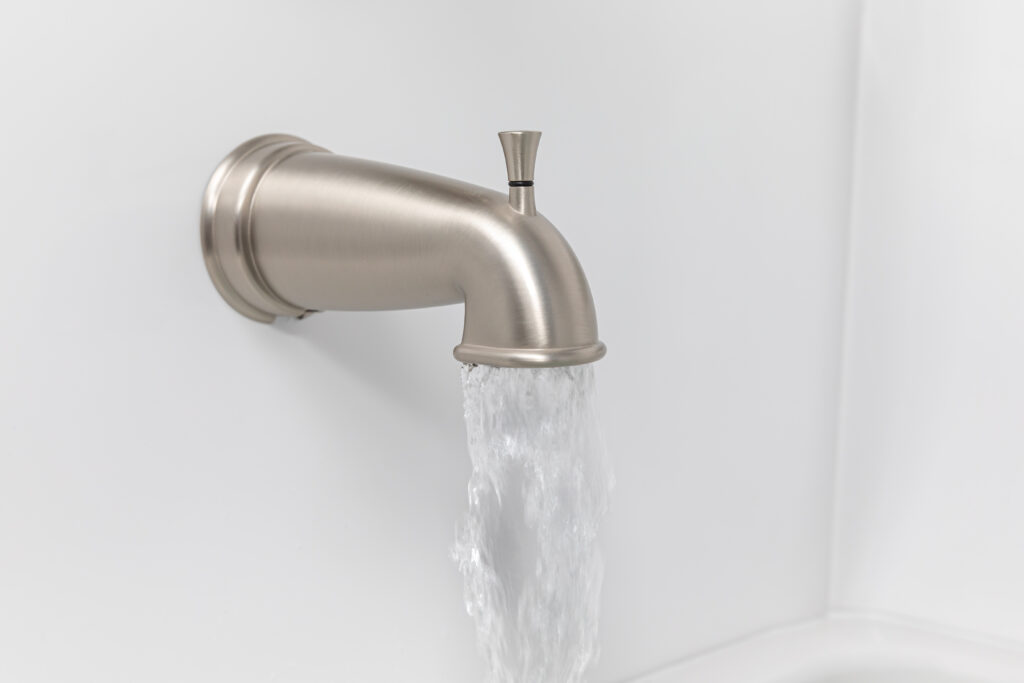
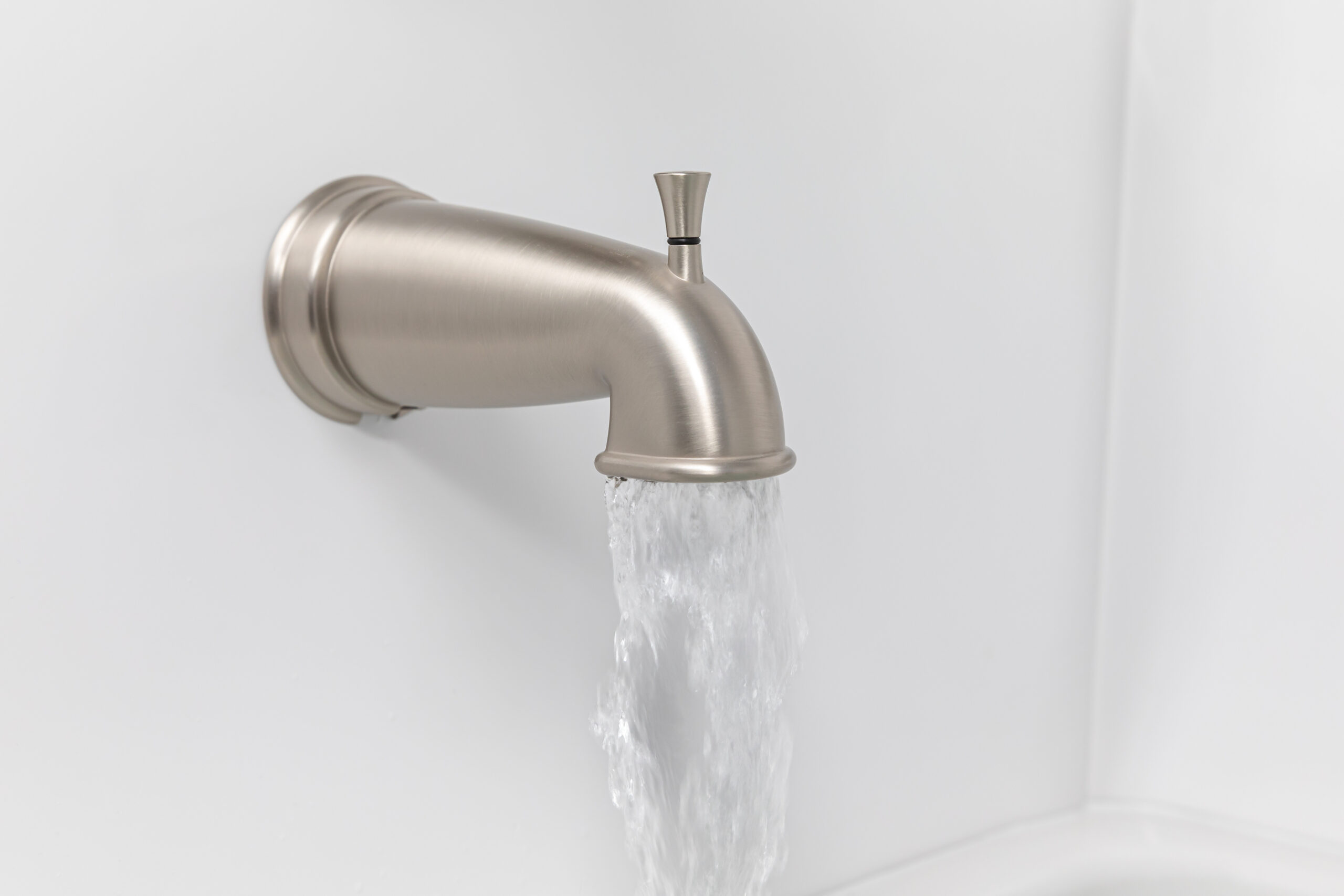
- Tee diverters are built into the tub spout and activated by pulling a small pin upward. These are among the most common and least expensive options.
- Two-valve diverters are found in older homes and use two separate handles to control hot and cold water, with the diverter built between them.
- Three-valve diverters include a central diverter handle positioned between hot and cold controls, giving more precise directional control.
- Cartridge diverters are used in modern single-handle faucets and showers, often found in higher-end fixtures or multi-outlet shower systems.
Key Advantages of Having a Functional Diverter System
A properly working diverter gives homeowners flexibility, efficiency, and comfort. In a tub-shower combo, it allows the same water supply line to serve two different purposes without requiring separate plumbing runs, which would be significantly more expensive to install. For homeowners with multi-head shower systems, a functioning diverter valve means being able to switch between a rainfall head, handheld unit, or body sprays without disrupting water pressure throughout the whole fixture. Diverters also contribute to water efficiency. When water is properly directed rather than split or partially diverted, it reaches its intended outlet faster and with better pressure, reducing the time spent waiting for flow to stabilize. This has a small but real effect on water usage over time.
Common Problems Homeowners Encounter with Plumbing Diverters
Diverters are reliable components, but they are not immune to wear. Mineral buildup is one of the most common issues, especially in areas with hard water. Over time, calcium and lime deposits can prevent the valve from seating properly, which results in water flowing out of the tub spout even when the diverter is engaged. You end up with a weak, split flow — some going up to the showerhead and some draining out below. That is annoying and wasteful. Rubber washers and O-rings within the diverter assembly also degrade with use and age. When these wear out, the seal weakens and the diverter loses its ability to completely redirect water pressure. In cartridge-style diverters, the cartridge itself can crack or warp, requiring full replacement rather than a simple repair. Corrosion is another factor, particularly in older brass or steel valve bodies.

Signs Your Diverter May Need Repair or Replacement
Catching a failing diverter early can prevent a small inconvenience from turning into a bigger plumbing issue. There are a few reliable signs that something is off with your diverter. If water continues flowing from the tub spout while the shower is running, the diverter is not fully redirecting flow. If you notice a significant drop in shower pressure that was not there before, the diverter valve may be partially obstructed or failing to hold its position. Difficulty pulling or turning the diverter mechanism is also a sign, particularly if it feels stiff, stuck, or is slow to reset after shutting off the water. Any visible corrosion, rust-colored water, or mineral crust around the diverter housing warrants immediate attention.
DIY Repair vs. Calling a Licensed Plumber
Whether you can fix a diverter yourself depends on the type of fixture and the root cause of the problem. Tee diverters built into a tub spout are among the easiest components to replace. Many homeowners handle this with a simple spout removal and a replacement part from a hardware store. Cartridge-style diverters are slightly more involved but still within reach for a confident DIYer who is comfortable shutting off water supply valves and working with plumbing connections. However, if the issue involves the valve body itself — especially in older homes — or if there is visible corrosion in the surrounding pipe or wall cavity, professional repair is the smarter call. Improper repairs on internal valve bodies can lead to leaks inside the wall, which carry significant damage potential and cost.
Practical Maintenance Tips to Extend the Life of Your Diverter
A little routine attention goes a long way with plumbing diverters. Flushing the diverter mechanism regularly by cycling it on and off a few times helps prevent mineral deposits from hardening around the moving parts. In hard water areas, using a descaling spray or a vinegar soak around the tub spout and diverter pin can dissolve buildup before it causes functional issues. Inspecting the tub spout and visible diverter hardware annually for signs of corrosion or cracking is a straightforward habit that costs nothing. If your home has older fixtures, investing in a diverter upgrade during a bathroom renovation can prevent future headaches and improve the overall efficiency of your shower system.
How Home Warranties Factor Into Plumbing Diverter Coverage
This is where a lot of homeowners get caught off guard. Plumbing repairs, including diverter failures, can fall under home warranty coverage depending on the plan. Most quality home warranty plans cover interior plumbing systems, which typically includes components like diverter valves when they fail due to normal wear and tear. The distinction that matters here is coverage scope. Some plans cover only the internal plumbing lines and not the fixture components. Others extend coverage to valves, stops, and diverter mechanisms. Reading the fine print of any home warranty plan is essential, and knowing what your policy covers before a problem arises saves a significant amount of stress when something actually breaks.
Why Armadillo Home Warranty Is Worth Considering for Plumbing Protection
When a plumbing component like a diverter fails, the last thing you want is uncertainty about who pays for it. That is exactly the kind of situation a strong home warranty plan is built for. Armadillo offers clear, homeowner-friendly coverage that includes plumbing systems, so you are not left guessing when something stops working the way it should. As a trusted home warranty provider covering interior plumbing systems and components, Armadillo focuses on transparency and making the claims process straightforward rather than frustrating. If you are tired of unpredictable repair bills and want to know exactly what your coverage includes before a diverter valve or any other plumbing component gives out, you can get a free home warranty quote for plumbing and system coverage in just a few minutes. Peace of mind should not be complicated.

Frequently Asked Questions About Plumbing Diverters
These are some of the most common questions homeowners ask about plumbing diverters, answered directly and clearly to help you make confident decisions about your home’s plumbing system.
What does a plumbing diverter do?
A plumbing diverter is a valve that redirects water flow from one outlet to another within a shared plumbing line. In a bathtub and shower setup, it switches water from the tub spout to the showerhead.
How long does a plumbing diverter typically last?
With normal use and regular maintenance, a plumbing diverter can last anywhere from 10 to 20 years. Hard water conditions and heavy use can shorten that lifespan considerably.
Why does water still come out of my tub spout when the shower is on?
This is a sign that the diverter is not fully engaging or has worn components preventing a complete seal. It may need cleaning to remove mineral buildup or require a full replacement.
Can I replace a plumbing diverter myself?
In many cases, yes. Tee-style tub spout diverters are straightforward to replace with basic tools. Cartridge-style diverters in single-handle fixtures are manageable for an experienced DIYer, but internal valve body issues should be handled by a licensed plumber.
What is the average cost to repair or replace a diverter?
A simple tub spout diverter replacement can cost as little as $20 to $50 in parts if done yourself. Professional labor for more complex diverter repairs typically ranges from $100 to $300 depending on fixture type and local rates.
Does a home warranty cover plumbing diverter repairs?
Many home warranty plans cover interior plumbing components, which can include diverter valves. Coverage varies by provider and plan, so reviewing your specific policy details is always recommended before assuming a repair is included.
What causes a plumbing diverter to fail?
The most common causes include mineral and calcium buildup from hard water, worn rubber washers or O-rings, cracked cartridges, and general corrosion over time. Infrequent use can also cause the valve to seize.
Is a dripping tub spout related to the diverter?
Not always. A dripping tub spout is more commonly related to the faucet’s mixing valve or cartridge. However, if the drip occurs only when the shower diverter is engaged, the diverter seal may be compromised.
How do I know what type of diverter my fixture has?
You can identify the type by examining the faucet configuration. A pin on the tub spout indicates a tee diverter. A center handle between hot and cold controls suggests a three-valve diverter. Single-handle fixtures with internal redirection use a cartridge diverter.
Can hard water damage a plumbing diverter?
Yes. Hard water accelerates mineral deposit buildup inside the diverter mechanism, which can prevent the valve from seating properly, reduce water pressure, and cause premature wear on internal components like washers and cartridges.