What Is an Air Conditioner Recharge and Why Does It Matter for Your Home?
If your air conditioner is blowing warm air or struggling to cool your home the way it used to, there is a reasonable chance someone has already suggested you get it recharged. That phrase gets tossed around a lot, but it is worth understanding what it actually means before you hand over your credit card. An air conditioner recharge refers to the process of replenishing the refrigerant in your cooling system. Refrigerant is the chemical compound that absorbs heat from the air inside your home and releases it outside, making your living space feel comfortable during hot months. Without an adequate refrigerant charge, your system simply cannot do its job effectively.
How Refrigerant Actually Works Inside Your AC System
Your air conditioner does not consume refrigerant the way a car burns fuel. Under normal operating conditions, the refrigerant cycles continuously through a closed loop, shifting between liquid and gas states to transfer heat. The indoor evaporator coil absorbs heat from the air, and the outdoor condenser coil releases that heat to the outside environment. This cycle repeats constantly while your system runs. When refrigerant levels drop, it is almost always because of a leak somewhere in the system, not because the refrigerant was used up. That distinction matters because simply adding more refrigerant without finding and fixing the source of the leak is a temporary fix at best.
Signs Your Air Conditioner May Need a Refrigerant Recharge
Not every cooling problem points to low refrigerant, but there are some fairly reliable indicators that this could be the issue. Recognizing these signs early can prevent a minor inconvenience from becoming a costly repair situation.
- Warm or lukewarm air blowing from your vents despite the system running normally
- Ice forming on the refrigerant lines or evaporator coil
- A noticeable hissing or bubbling sound near the indoor or outdoor unit
- Higher-than-usual energy bills with no obvious explanation
- Longer run times needed to reach your thermostat setting
- Humidity levels inside your home feel elevated even with the AC running
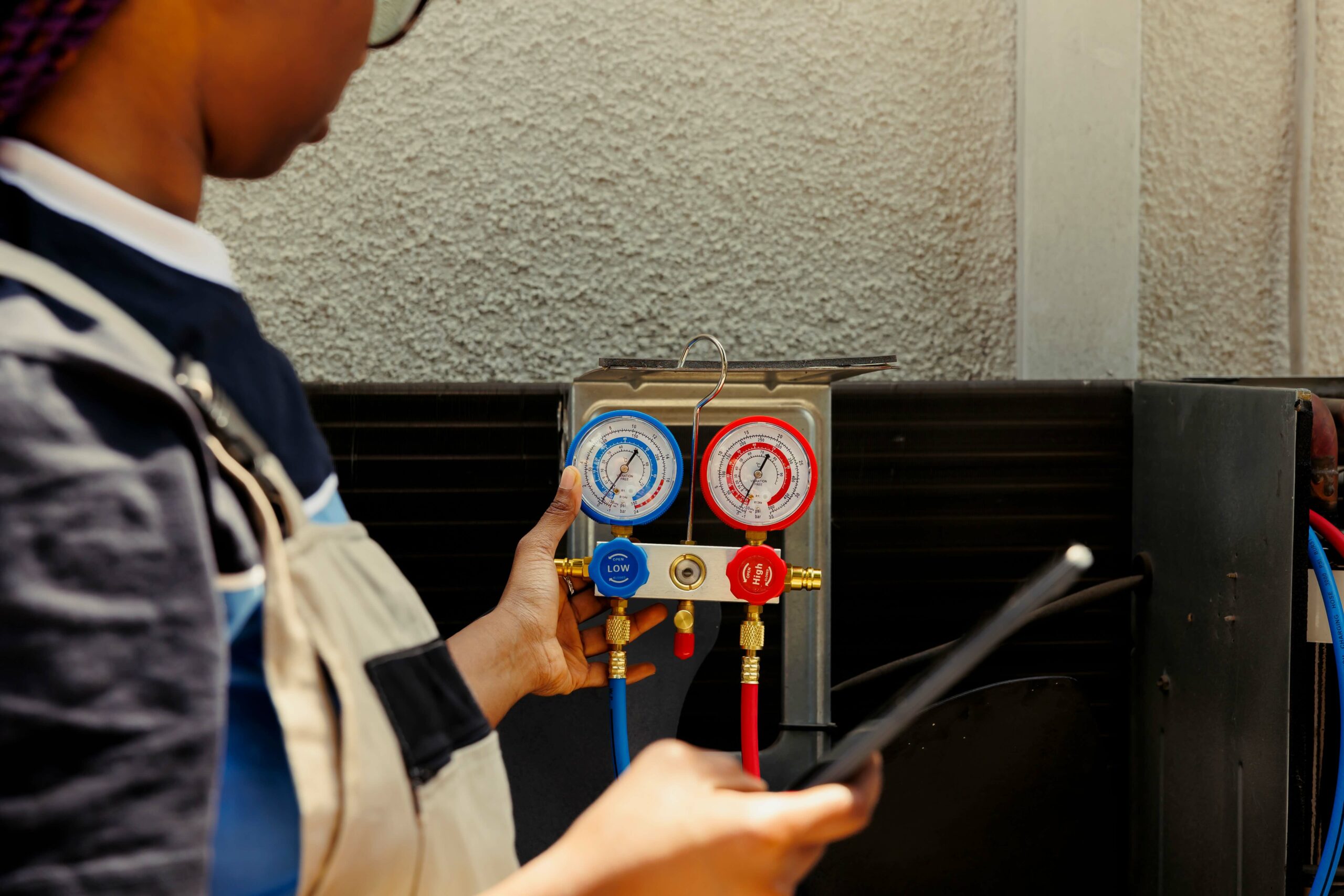
If you notice more than one of these symptoms occurring together, it is a strong signal that a licensed HVAC technician should inspect the system. They can use specialized gauges to check the pressure levels and determine whether a refrigerant recharge is warranted.
The Recharge Process: What a Technician Actually Does
When a qualified HVAC technician comes out to recharge your system, the process involves more than just topping off refrigerant like you would add air to a tire. First, they will check the system pressure to confirm refrigerant is actually low. Then, they should inspect for leaks, because adding refrigerant to a leaking system without repairing the leak means you will be right back in the same position within months. Once any leaks are addressed, the technician adds the correct type and amount of refrigerant specified by your system’s manufacturer. Overcharging a system is just as problematic as undercharging it, so this step requires precision. The entire process typically takes one to two hours depending on the system size and leak complexity.

The Different Types of Refrigerant and Why It Matters
Not all refrigerants are created equal, and the type your system uses has real implications for cost and availability. Older systems built before 2010 commonly use R-22, a refrigerant that has been phased out due to environmental regulations. R-22 is no longer manufactured in the United States, which means supplies are limited and the cost per pound has increased significantly over the years. Newer systems use R-410A or the increasingly common R-32 and R-454B, which are more environmentally friendly and widely available. Before any recharge, confirm with your technician what refrigerant your system requires. Using the wrong type can cause serious damage to system components and void your manufacturer warranty.
How Much Does an AC Recharge Typically Cost?
The cost of an air conditioner recharge varies based on your system type, the refrigerant it uses, how low the charge is, and whether any leak repairs are needed. For systems using R-410A, you can generally expect to pay anywhere from $150 to $400 for a straightforward recharge. If your system uses R-22, that price can climb significantly higher due to the scarcity of the refrigerant itself. Leak detection and repair add additional costs, often ranging from $200 to $1,500 or more depending on where the leak is located and how accessible it is. These numbers are worth keeping in mind when budgeting for seasonal HVAC maintenance.
Key Advantages of Getting Your AC Recharged
When low refrigerant is genuinely the issue, a proper recharge delivers meaningful benefits for your home comfort and your wallet. A correctly charged system runs more efficiently, which translates to lower monthly energy costs. Your home reaches the target temperature faster, and your equipment does not have to work as hard to get there. That reduced strain can extend the overall lifespan of the system. There is also a comfort dimension worth mentioning: properly charged systems handle humidity control more effectively, which is something homeowners in warmer, more humid climates notice immediately. Breathing easier in a well-cooled home is not a small thing.
Common Drawbacks and Limitations to Know Before You Call
There are a few realities about AC recharges that are worth understanding so you go in with the right expectations. First, a recharge is not a cure-all. If your system has a significant leak, refrigerant loss will recur and you will face the same problem again. Second, for older systems running on R-22, the economics of repeated recharges can start to look unfavorable compared to investing in a new, more efficient unit. Third, DIY refrigerant recharge kits exist on the market, but handling refrigerant without proper certification is illegal under EPA regulations and can cause personal injury or system damage. This is not a task for a weekend project. Always hire a certified technician.
Air Conditioner Recharge and Your Home Warranty Coverage
This is where things get practical for homeowners. Many people are surprised to discover that home warranty coverage can play a meaningful role when AC repairs are needed, including issues related to refrigerant loss resulting from a covered mechanical failure. Home warranty plans vary considerably in what they include, so it is essential to read the fine print. Some plans cover refrigerant recharges as part of an HVAC repair, while others treat it as a separate line item. What most quality home warranty providers do cover are the mechanical components that cause refrigerant leaks in the first place, such as failed evaporator coils or damaged copper lines. Understanding that distinction helps you set realistic expectations and avoid surprises when the service call is complete.
Why Armadillo Is the Right Partner When Your AC Needs Attention
When your air conditioner starts acting up in the middle of summer, the last thing you want is to navigate a frustrating claims process or fight for coverage you thought you had. That is where having the right home warranty provider makes all the difference. Armadillo’s home warranty plans for air conditioning systems and HVAC coverage are built around transparency, fair pricing, and real support when you need it most. Armadillo keeps things straightforward, no confusing exclusions buried in fine print, and no runaround when it comes to legitimate repairs. If your cooling system develops a mechanical failure that leads to refrigerant loss, you want a warranty provider that is already in your corner. Take a few minutes to get a free home warranty quote that covers your air conditioner and major home systems and find out exactly what protection is available for your home before the heat becomes a crisis.

Frequently Asked Questions About AC Recharges
These are the questions homeowners ask most often when trying to understand what an air conditioner recharge involves, what it costs, and how to handle it wisely.
What does it mean to recharge an air conditioner?
Recharging an air conditioner means replenishing the refrigerant in the system to the correct level specified by the manufacturer. Refrigerant is the substance that absorbs and transfers heat, enabling the system to cool your home. When levels drop due to a leak, a technician must locate the source, repair it, and then restore the refrigerant charge.
How often does an AC need to be recharged?
A properly functioning air conditioner should never need to be recharged under normal conditions. Refrigerant does not get consumed during operation. If recharging is needed, it means there is a leak somewhere in the system that must be identified and repaired.
Can I recharge my AC system myself?
No. Handling refrigerant without EPA Section 608 certification is illegal in the United States. Improper handling can also cause personal injury and system damage. Always use a licensed HVAC technician for any refrigerant-related work.
How long does an AC recharge take?
A standard recharge typically takes one to two hours. If a leak needs to be located and repaired first, the total service time can be longer depending on the complexity of the repair and where the leak is located within the system.
Does a home warranty cover AC refrigerant recharges?
Coverage depends on the specific plan and provider. Many home warranty plans cover the mechanical failures that cause refrigerant leaks, such as a failed evaporator coil. Some plans also include refrigerant recharge costs as part of a covered repair. Review your plan documents carefully or contact your provider directly to clarify what is included.
What type of refrigerant does my AC use?
The type of refrigerant your system uses depends on its age and manufacturer specifications. Systems manufactured before 2010 often use R-22, which is now phased out and expensive. Newer systems commonly use R-410A. Your technician can identify the correct refrigerant type, and it is also typically labeled on the outdoor unit.
Is it worth recharging an old AC unit?
It depends on the age of the system, the type of refrigerant it uses, and how frequently issues have occurred. For systems older than 10 to 15 years running on R-22, the ongoing cost of recharges combined with the scarcity of that refrigerant may make replacement a more financially sound decision.
What happens if I ignore low refrigerant in my AC?
Running an air conditioner with low refrigerant puts significant strain on the compressor, which is one of the most expensive components in the system. Prolonged operation under these conditions can lead to compressor failure, turning a manageable repair into a much more costly replacement.
How can I tell if my AC refrigerant is low without a technician?
Common indicators include warm air coming from the vents, ice forming on the refrigerant lines or coil, unusually long run cycles, and unexplained increases in your energy bill. While these signs suggest low refrigerant, a technician with proper gauges is needed to confirm it definitively.
Does AC recharge improve energy efficiency?
Yes. A system operating with the correct refrigerant charge runs more efficiently, reaches the desired temperature faster, and places less strain on the compressor and other components. Homeowners often notice a measurable drop in energy costs after a proper recharge combined with a successful leak repair.