What Is Winterization and Why Does Your Home Need It?
Winterization is the process of preparing a home for cold weather before temperatures drop to levels that can cause damage. It covers everything from sealing drafts and insulating pipes to draining irrigation systems and servicing your heating equipment. Think of it as a seasonal tune-up that keeps your home functioning properly when the elements are working against it. Done right, winterization protects your investment, lowers energy costs, and helps prevent the kind of unexpected repairs that tend to show up at the worst possible time. Done wrong, or skipped entirely, it can lead to burst pipes, water damage, and heating failures that are both stressful and expensive to resolve.
How Winterization Works: The Core Systems Involved
Winterizing a home is not a single task. It is a coordinated effort across multiple systems that each respond differently to cold temperatures. Your plumbing, HVAC, insulation, windows, doors, and exterior all require specific attention. Plumbing is arguably the most critical component, since water expands when it freezes and can crack pipes from the inside out. HVAC systems need to be inspected and cleaned before they are asked to run continuously through months of cold weather. Insulation in the attic, walls, and crawl spaces plays a significant role in retaining heat and keeping energy bills reasonable. Exterior elements like gutters, roofing, and outdoor faucets also factor in, since ice buildup and standing water can cause structural damage over time.
Winterizing Your Plumbing: The Non-Negotiable Step
If there is one area where homeowners cannot afford to cut corners, it is the plumbing system. Frozen pipes are one of the most common and costly cold-weather disasters a homeowner faces. The good news is that preventing them is not complicated if you act before temperatures plummet. Key steps include insulating exposed pipes in unheated areas like garages, basements, and crawl spaces, disconnecting and draining garden hoses, and shutting off outdoor water supply valves. For vacation or seasonal homes, a full plumbing drain-down is often recommended to eliminate any standing water in the system entirely. Even a slow drip from interior faucets on the coldest nights can keep water moving and reduce the risk of freezing in vulnerable sections of pipe.
HVAC Maintenance Before Winter Hits
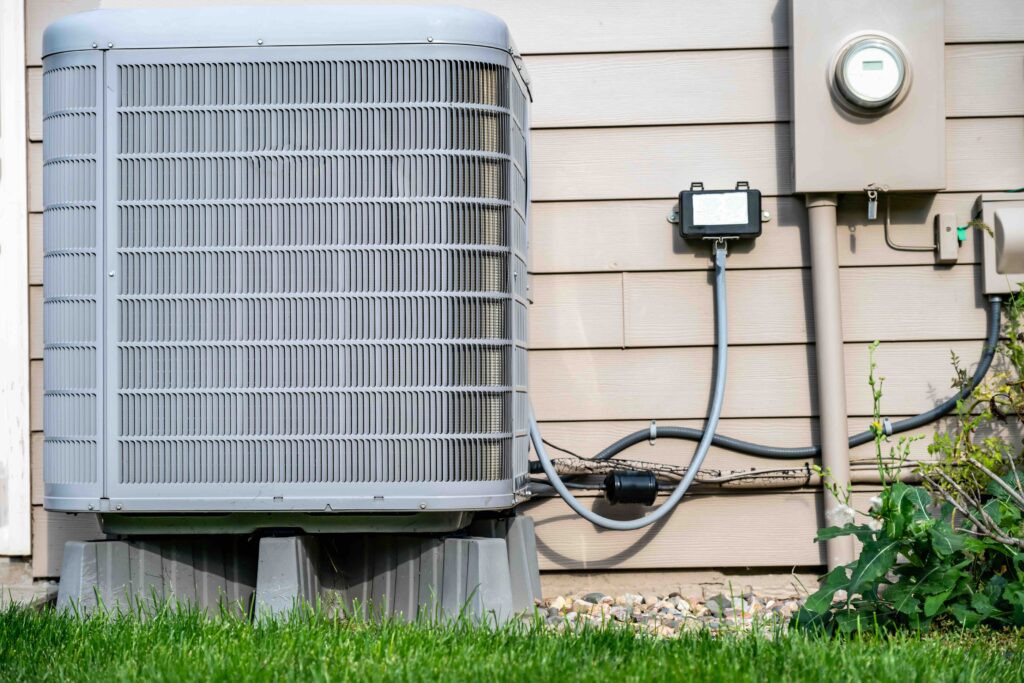
Your heating system is going to work harder in winter than at any other point in the year. That makes fall the ideal time to have it inspected and serviced by a qualified technician. A standard pre-season HVAC checkup typically includes cleaning the heat exchanger, checking refrigerant levels, testing ignition systems, replacing air filters, and confirming that the thermostat is calibrated correctly. Neglecting this step can lead to mid-winter breakdowns that are both inconvenient and expensive. Furnaces, heat pumps, and boilers all have different maintenance requirements, so the specifics will vary based on what type of heating system your home uses. Regardless of the equipment, routine servicing extends its lifespan and keeps it running efficiently when demand is at its highest.

Sealing the Envelope: Insulation, Windows, and Doors
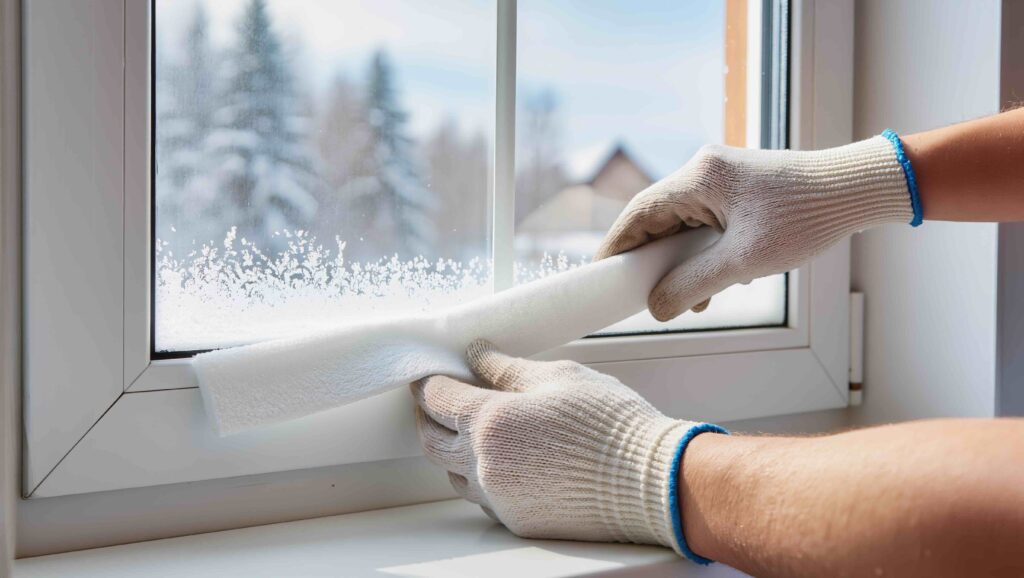
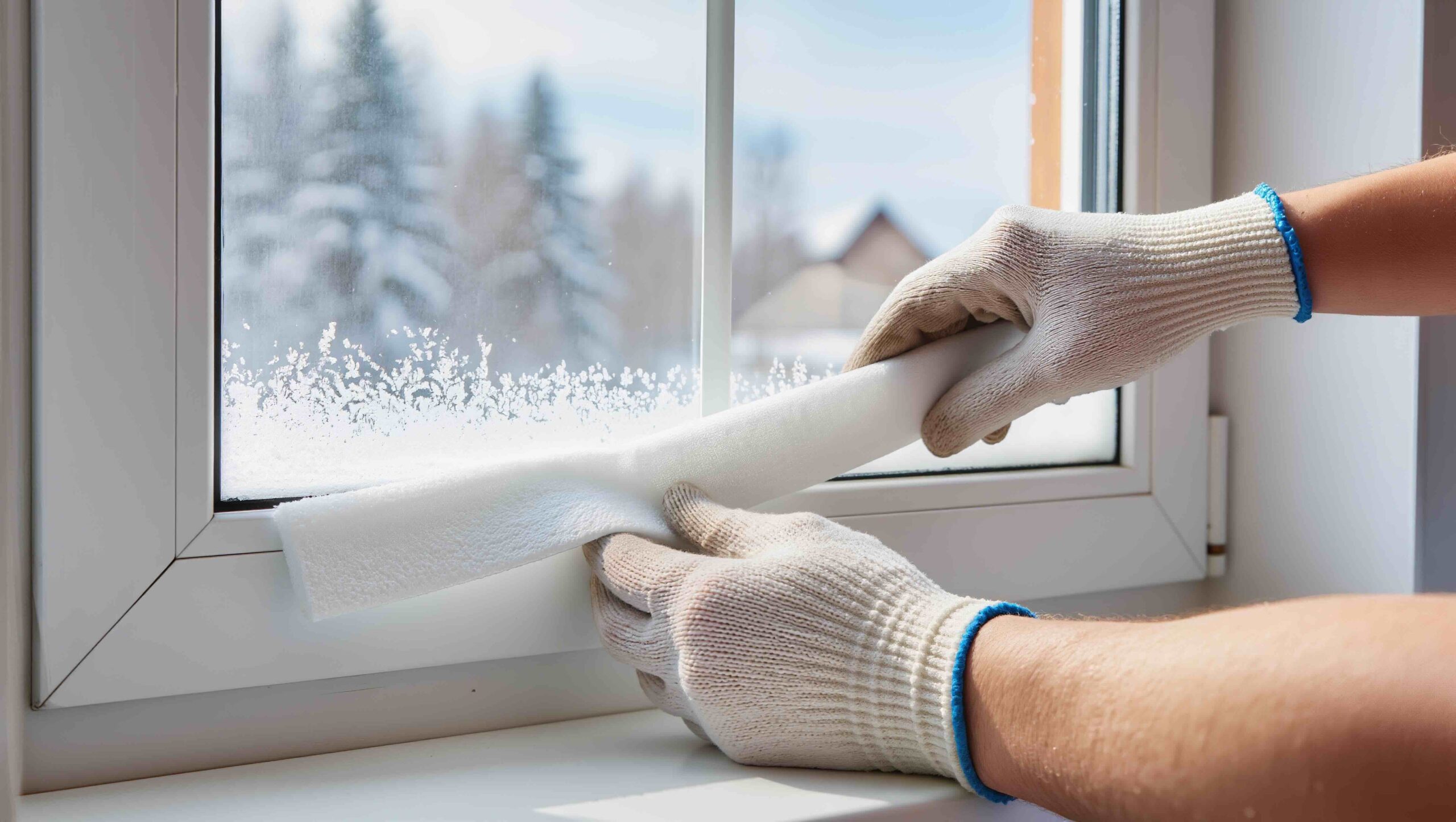
Heat loss through poorly insulated walls, leaky windows, and drafty doors is a significant contributor to high energy bills during winter. Weatherstripping around doors and caulking around window frames are low-cost fixes that deliver noticeable results. Attic insulation is worth paying particular attention to, since heat rises and an under-insulated attic can account for a substantial portion of total heat loss in a home. Storm windows and thermal curtains offer additional layers of protection in older homes where full window replacement is not feasible. The goal is to reduce the load on your heating system by keeping the warmth your system generates inside the home as long as possible.
Exterior Winterization: Gutters, Roofs, and Outdoor Spaces
The outside of your home takes the full brunt of winter weather, and preparation here matters more than most homeowners realize. Gutters should be cleared of debris before freezing temperatures arrive, since clogged gutters trap water that can freeze and form ice dams along the roofline. Ice dams prevent proper drainage and can force water beneath roofing materials, leading to interior leaks. The roof itself should be inspected for damaged or missing shingles that could worsen under the weight of snow or ice. Outdoor furniture, garden equipment, and sprinkler or irrigation systems should all be drained, covered, or brought inside before the first freeze. These steps protect not just the systems themselves but the surrounding structures they could damage if left unattended.
Key Advantages of Proper Home Winterization
Investing time and money in winterization pays dividends in multiple areas. Here is what homeowners typically gain from a thorough seasonal preparation process:
- Reduced risk of burst pipes and water damage, which are among the most expensive home repairs a homeowner can face
- Lower monthly utility bills due to improved insulation and a more efficient heating system
- Extended lifespan for HVAC equipment through regular maintenance and reduced strain
- Prevention of structural damage caused by ice dams, roof leaks, and frozen gutters
- Greater overall comfort inside the home during the coldest months of the year
Common Drawbacks and Limitations to Know
Winterization is not without its challenges. The upfront cost of professional inspections, insulation upgrades, and HVAC servicing can add up, particularly for homeowners managing older properties with multiple areas of concern. Even a well-winterized home is not entirely immune to the unexpected. A prolonged cold snap can push pipes and systems beyond what standard preparation accounts for, and some failures happen despite doing everything right. Additionally, homeowners who attempt to winterize without adequate knowledge of their home’s specific systems may overlook critical areas or address them incorrectly. Hiring qualified professionals helps, but that adds to the overall expense. Understanding what winterization does and does not protect against is important context for setting realistic expectations.
Why Armadillo Home Warranty Coverage Makes Winterization Smarter
Winterization reduces risk, but it does not eliminate it. Systems age, parts fail, and unexpected breakdowns happen regardless of how diligent you have been with seasonal preparation. That is where having the right home warranty in place changes the equation significantly. Armadillo home warranty plans designed to protect your heating system and plumbing all winter long give homeowners a financial safety net that works alongside their winterization efforts, not instead of them. When a furnace stops working in January or a pipe fails despite proper insulation, a home warranty covers the repair or replacement costs that can otherwise catch a homeowner completely off guard. If you want to go into the colder months with genuine confidence, take a few minutes to get a customized home warranty quote that covers your HVAC, plumbing, and essential home systems before winter settles in.

Frequently Asked Questions About Home Winterization
What does winterizing a house mean?
Winterizing a house means preparing its systems, structure, and exterior for cold weather conditions to prevent damage, reduce energy loss, and ensure essential systems like heating and plumbing continue to function properly throughout the winter season.
When should I start winterizing my home?
Most experts recommend beginning the winterization process in early to mid-fall, before temperatures consistently drop below freezing. Starting early gives you time to schedule professional inspections and address any issues without rushing.
How much does it cost to winterize a house?
Costs vary widely depending on the size of the home, its age, and the scope of work required. Basic DIY winterization steps can cost under a hundred dollars, while professional inspections, insulation upgrades, and HVAC servicing can range from several hundred to a few thousand dollars in total.
Do I need to winterize my home if I live in a mild climate?
Even mild climates experience occasional cold snaps that can freeze pipes or strain heating systems. Basic winterization steps are worth taking in most regions, though the scope of preparation will naturally be less extensive than in colder northern climates.
What happens if I do not winterize my home?
Skipping winterization increases the risk of burst pipes, water damage, heating system failures, and elevated energy bills. These issues can result in repair costs that far exceed what proper seasonal preparation would have cost upfront.
Can I winterize my house myself or do I need a professional?
Many winterization tasks, such as installing weatherstripping, insulating exposed pipes, and clearing gutters, are manageable for most homeowners. However, HVAC servicing, roof inspections, and plumbing drain-downs on complex systems are best handled by licensed professionals.
Does a home warranty cover damage caused by frozen pipes?
Home warranty coverage varies by provider and plan. Most home warranties cover the repair or replacement of systems and appliances that fail due to normal wear and tear. Coverage for pipe damage specifically caused by freezing may depend on the plan terms, so reviewing your contract carefully is important.
What is an ice dam and how do I prevent it?
An ice dam forms when heat escaping from the attic melts snow on the roof, which then refreezes at the eaves and creates a barrier that traps water. Preventing ice dams involves improving attic insulation, ensuring adequate ventilation, and keeping gutters clean before winter begins.
Should vacant or seasonal homes be winterized differently?
Yes. A home that will be unoccupied during winter typically requires a more thorough winterization process, including a complete plumbing drain-down, turning off the water supply, and ensuring the heating system is either set to a safe minimum temperature or fully deactivated with pipes emptied of water.
How does winterization affect my home’s energy efficiency?
Proper winterization directly improves energy efficiency by reducing heat loss through insulation gaps, drafty windows, and unsealed doors. A well-sealed and well-insulated home requires less energy to maintain comfortable temperatures, which translates to measurably lower heating costs over the course of the winter.